

How to style knee high boots for polished everyday outfits
Start with proportion, not with the boots
If you are deciding how to style knee high boots, start with proportion. Knee-high boots create a strong vertical line, so the rest of the outfit should either extend that line or break it cleanly with a defined hem, a shaped waist, or a structured outer layer. Slim jeans, midi skirts, sweater dresses, long coats, and tailored shorts can all work. The difference usually comes down to the space between the boot shaft and the garment hem, the weight of the fabric, and how much volume sits above the knee.
Treat knee-high boots as both footwear and a styling anchor. They add coverage, shape the lower half of the outfit, and make simple pieces look more considered. A flat riding boot gives a different impression than a pointed heeled boot, but the same rule applies: the boot should connect with the outfit rather than look added at the end.
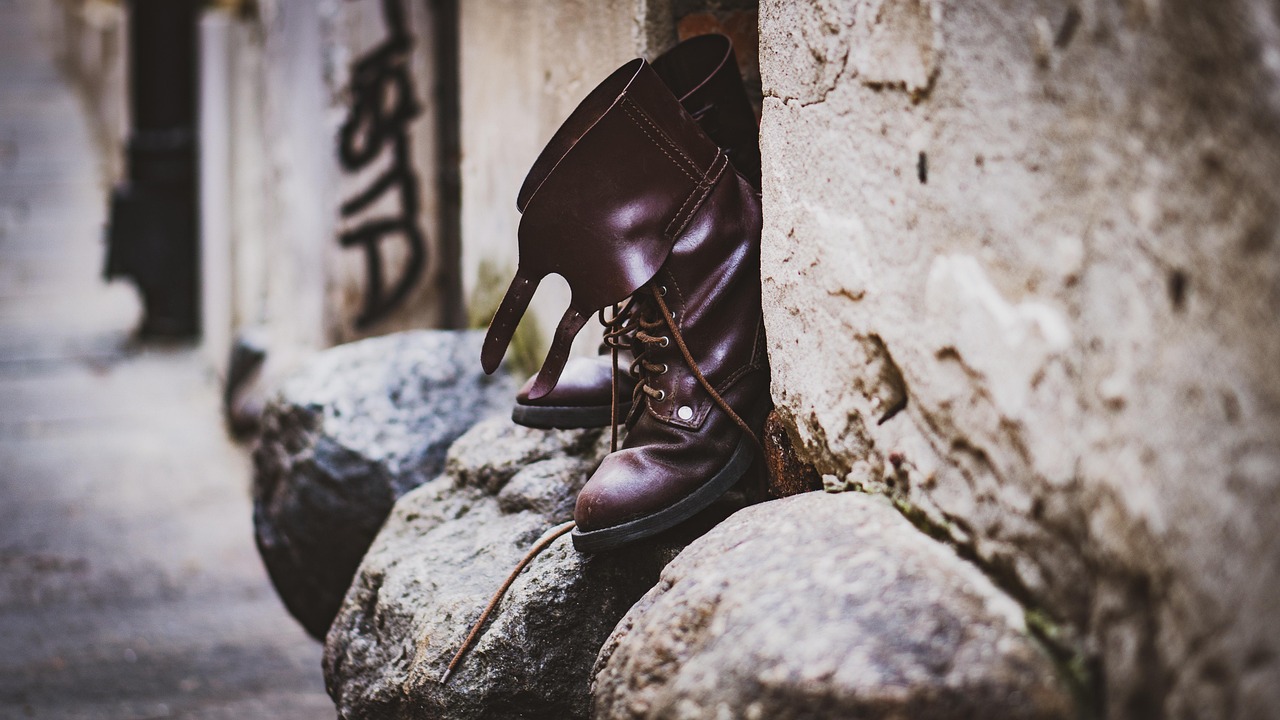
This guide focuses on practical outfit formulas rather than one-season styling claims. For more wardrobe planning articles, visit our Style Guides section.
Choose the right boot shape for the outfit you want
Before pairing knee-high boots with clothes, look closely at the boot shape. Shaft width, toe shape, heel height, and material all affect balance. A narrow suede boot can sit neatly under a midi skirt, while a structured leather riding boot often works better with jeans, leggings, or shorter hemlines that show the shaft.
| Boot style | Best outfit direction | Styling note |
|---|---|---|
| Flat riding boots | Jeans, leggings, shirt dresses, casual skirts | Keep the outfit clean and classic rather than heavily layered. |
| Pointed heeled boots | Midi dresses, pencil skirts, tailored coats, evening looks | The pointed toe helps extend the leg line. |
| Block-heel boots | Work outfits, sweater dresses, wide coats | A stable heel balances heavier fabrics and structured layers. |
| Slouchy boots | Mini skirts, relaxed dresses, soft knits | Pair with simpler clothing so the texture does not look bulky. |
| Western-inspired boots | Denim, slip dresses, leather jackets, casual tailoring | Use one western element only to avoid costume styling. |
Material matters as well. Smooth black leather feels sharper and more city-ready. Brown leather often reads more relaxed and heritage-inspired. Suede softens the look and works especially well with knitwear, wool, denim, and tonal outfits. Patent or high-shine finishes can be striking, but they need restraint elsewhere. Let the boots be the statement and keep the rest of the outfit pared back.
How to wear knee-high boots with jeans
Jeans are the most common starting point, but not every denim cut works the same way. The cleanest formula is a slim, straight, or skinny jean tucked into the boot. The jeans should sit smoothly inside the shaft without bunching at the knee or ankle. If the boot shaft is narrow, choose thinner denim or a stretch fabric. If the shaft is wider, a straight jean can work as long as the fabric does not balloon above the boot.
For an easy everyday outfit, try dark indigo jeans, black knee-high boots, a fine-gauge knit, and a wool coat. The dark base creates one continuous lower line, while the coat adds structure. For a softer daytime look, pair brown boots with mid-blue denim, a cream sweater, and a camel or olive jacket. The colors are related without being identical, which gives the outfit depth without making it look busy.
Wide-leg and flared jeans are harder to pair with knee-high boots because they usually cover the shaft. They can still work if the jeans are long enough to fall cleanly over a heeled boot. In that case, the boot functions more as a concealed support shape than as a visible styling feature. If you want the boot to be seen, cropped wide-leg denim works better when the hem ends just above the shaft or overlaps it slightly. Avoid a random strip of skin between denim and boot unless it is clearly intentional and balanced by the rest of the outfit.
How to style knee-high boots with skirts and dresses
Skirts and dresses give knee-high boots the most range. The key decision is hem length. Mini, knee-length, and midi hems all create different proportions. A mini skirt shows the full boot and can feel youthful or sharp depending on the top layer. A midi skirt can look elegant when it overlaps the shaft, creating an uninterrupted vertical line. A knee-length skirt is usually the hardest to style because the hem and the boot top can compete at the same point on the leg.
Mini skirts
With mini skirts, balance is essential. A shorter hem often looks more polished with a higher neckline, a knit top, a blazer, or an oversized coat. Flat or block-heel boots make the outfit easier for daytime, while pointed heeled boots move it toward evening. If the skirt is fitted, add volume on top with a relaxed sweater or tailored jacket. If the skirt is pleated or A-line, keep the top neater so the silhouette does not become too wide.
Midi skirts
Midi skirts and knee-high boots are one of the most reliable pairings because they remove the awkward gap issue. The hem can fall over the boot shaft, making the outfit look long and fluid. Satin, wool, denim, and pleated midi skirts can all work, but each needs a slightly different boot. A satin skirt pairs well with a sleek heeled boot. A denim midi can handle a sturdier leather boot. A pleated skirt looks best when the boot is simple enough not to compete with the movement of the fabric.
Dresses
Sweater dresses, shirt dresses, wrap dresses, and slip dresses can all be styled with knee-high boots. A sweater dress with a block-heel boot is practical for cooler weather because the textures feel related. A shirt dress with riding boots creates a casual, structured look. A slip dress becomes more wearable for daytime when layered with a cardigan, blazer, or long coat. In each case, repeat at least one color or texture from the boot elsewhere in the outfit, such as a belt, bag, leather jacket, or coat button detail.
Build outfits by occasion
The same pair of knee-high boots can move across casual, work, and evening settings when the surrounding pieces change. Instead of choosing a separate pair for every outfit, adjust the fabric weight, tailoring, and color contrast.
Casual weekend outfits
For weekends, knee-high boots look relaxed with leggings, a long knit, and a quilted or wool jacket. The long top gives coverage, while the boot keeps the outfit from looking like gym wear. Another simple formula is straight jeans, a striped sweater, brown boots, and a utility jacket. This works particularly well when the boot color relates to the jacket or bag.
Office and smart-casual outfits
For work, avoid anything that feels too tight, too shiny, or too exposed. A midi skirt, fine knit, belt, and block-heel boots create a professional shape without looking severe. Tailored dresses also work well when the boot shaft disappears under the hem. If your workplace is conservative, choose black, espresso, taupe, or dark burgundy boots and keep hardware minimal. A blazer or long coat will usually make knee-high boots feel more polished. See also: Fashion Trends.
Evening outfits
For evening, choose a cleaner boot shape and reduce competing details. A black slip dress, pointed knee-high boots, and a tailored coat can look refined without relying on heavy accessories. If you wear a mini dress, consider opaque tights or a longer coat to balance the exposure. Metallic jewelry, a compact bag, or a strong lip color can add interest while keeping the outfit focused.
Use color and layers to make the look intentional
Color is one of the easiest ways to make knee-high boots feel integrated. A monochrome base is especially effective: black boots with black jeans, a black skirt, or black tights create a longer line. Brown boots can be styled tonally with camel, oatmeal, chocolate, cream, and olive. Gray boots work well with charcoal, navy, pale blue, and soft white. If the boots are a statement color, let them be the only strong accent and keep the rest of the outfit simple.
Layering also changes the mood. A long coat over knee-high boots looks polished because the vertical lines are aligned. A cropped jacket creates more contrast and draws attention to the waist. An oversized sweater can work beautifully with slim boots, but if the boot is slouchy or wide, the top half should have some structure to avoid a heavy silhouette from head to toe.
Textures should feel compatible. Smooth leather boots pair well with denim, wool, tailoring, and crisp cotton. Suede boots soften silk, knitwear, and brushed coats. Croc-embossed, patent, or embellished boots need cleaner fabrics nearby. When in doubt, limit the outfit to one dominant texture and one supporting texture. That keeps the styling easy to read.
Common styling mistakes to avoid
The most common mistake is ignoring where the boot shaft ends. If the hem of a skirt, dress, or pair of cropped pants hits at nearly the same place as the top of the boot, the leg line can look chopped up. Either show a deliberate section of leg, cover the boot top with the hem, or create a continuous line with tights or matching denim.
- Too much bunching: Jeans should not gather heavily above the boot. Use slimmer denim or a wider boot shaft.
- Too many statement pieces: If the boots have shine, hardware, color, or texture, keep the rest of the outfit restrained.
- Unbalanced volume: Wide boots, a full skirt, and an oversized coat can overwhelm the frame unless one element is simplified.
- Wrong tights contrast: High contrast between tights and boots can shorten the look. Matching or tonal tights are usually easier.
- Ignoring the setting: A dramatic stiletto boot may work for evening but feel out of place in a casual daytime outfit.
Comfort is another practical consideration. Knee-high boots should allow room around the calf without slipping down constantly. If the shaft cuts into the leg when sitting or walking, the outfit will not feel confident no matter how well it is styled. A good fit also prevents fabric from twisting when jeans or tights are tucked in.
Frequently asked questions
Can knee-high boots be worn with wide-leg pants?
Yes, but the boots are usually less visible. The best approach is to wear a long wide-leg pant over a heeled knee-high boot so the boot supports the shape from underneath. If you want the shaft to show, choose cropped wide-leg pants that end cleanly above or just over the boot.
Are knee-high boots still wearable for everyday outfits?
Yes. Knee-high boots are not limited to dressy outfits. Flat leather boots, block-heel boots, and suede styles can all work for daily wear when paired with simple layers such as jeans, knits, midi skirts, and long coats.
What should I wear with black knee-high boots?
Black knee-high boots are easiest with black denim, dark tights, gray tailoring, cream sweaters, leather jackets, and long wool coats. For a softer look, use black boots as the grounding piece and add warm neutrals such as camel, ivory, or chocolate.
Do knee-high boots work for petites?
They can. Petites often get the cleanest result from tonal styling, a pointed toe, a moderate heel, and hems that either sit clearly above the boot or overlap the shaft. Avoid a cluttered break at the knee, because that can visually shorten the leg.
What is the easiest outfit formula to repeat?
Start with slim dark jeans or a midi skirt, add knee-high boots in a related color, then finish with a structured coat or blazer. This formula works because it controls the leg line, adds polish, and can be adjusted for casual, work, or evening settings.