How to style side swept bangs for different hair types and lengths
What makes side swept bangs work
Learning how to style side swept bangs starts with two details: direction and softness. The fringe should move diagonally across the forehead, blend into the side layers, and look deliberate rather than simply pushed aside. The most wearable versions are usually long enough to graze the brow, cheekbone, or upper cheek. That extra length gives you room to blow-dry, tuck, pin, or reshape the bangs without fighting the cut.
Side swept bangs suit many hair lengths because they add movement without creating a blunt line across the forehead. They can soften a bob, break up long layers, balance a strong side part, or make a ponytail look more finished. For more outfit and grooming ideas that connect hair with personal style, visit the Shuaigo style guides.
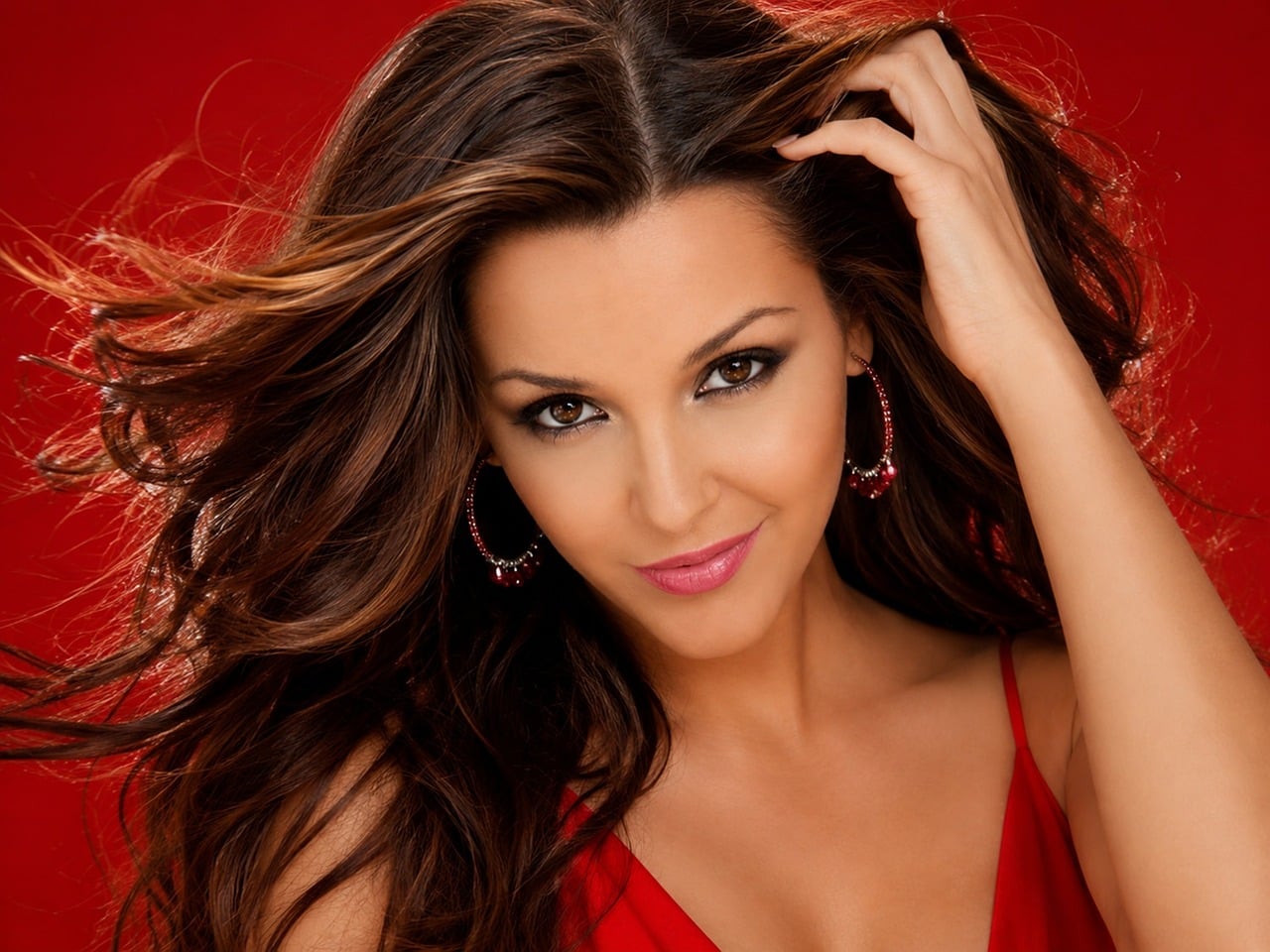
The style has also returned to mainstream beauty coverage in recent seasons. Vogue and Allure have both highlighted side parts and side-swept fringe as part of a wider move back toward softer, early-2000s-inspired hair. At the same time, dermatology guidance from the American Academy of Dermatology continues to caution against excessive heat and aggressive styling. That balance matters: the modern version should look polished, but it should not depend on scorching-hot tools every day.
Start with the right cut before you style
Even strong styling technique will struggle if the bangs are cut at the wrong length or weight. Side swept bangs need a gradual line, not a heavy block. The shortest pieces usually sit near the inner brow or brow bone, while the longest pieces connect into the temple, cheekbone, or face-framing layers. This is what creates the sweep.
If the fringe is too short, it may spring upward and become difficult to direct sideways. If it is too heavy, it can collapse over one eye or separate into oily-looking pieces. If it is too thin, it may look accidental instead of styled. A good cut keeps enough density to show shape while removing enough weight for movement.
Length matters more than trend
For most people, medium to long side swept bangs are the most forgiving. Brow-grazing bangs give a clear fringe effect, cheekbone-length bangs look softer and more grown-in, and jaw-length side pieces are closer to face-framing layers. Shorter versions can look more dramatic, but they usually need more daily control.
Ask for blending, not just bangs
The key salon phrase is usually “soft side swept bangs that blend into face-framing layers.” This tells the stylist that you want diagonal movement, not a disconnected section. If your hair is curly, coily, very thick, or prone to shrinkage, ask the stylist to cut with your natural texture in mind. Dry cutting or finishing on dry hair can help prevent a fringe from becoming shorter than expected after styling.
How to style side swept bangs step by step
The easiest routine starts when the bangs are damp, not fully dry. Hair sets in the direction it dries, so waiting until the fringe is already flat, cowlicked, or split makes styling harder.
- Separate the bang section. Comb the fringe forward first, then create your side part. This keeps the roots from looking too stiff or forced.
- Apply a light product. Use a small amount of heat protectant or lightweight styling cream. Avoid heavy oils at the root because they can make bangs separate quickly.
- Blow-dry across the forehead. Aim the dryer downward and brush the bangs from one side to the other. This helps smooth the root and reduce stubborn part lines.
- Build the sweep. Use a round brush, paddle brush, or vent brush to direct the fringe toward the side where you want it to fall.
- Add a bend, not a curl. Roll the ends slightly away from the face or under the fringe for a soft curve. The goal is movement, not a tight ringlet.
- Cool before touching. Let the section cool for a few seconds so the shape can set. Then use your fingers to loosen the finish.
- Set lightly. Mist flexible hairspray onto a brush or your fingertips rather than spraying heavily at close range.
If you use a flat iron, keep the pass quick and gentle. Clamp lightly, glide once, and curve the ends in the direction of the sweep. Dermatology guidance from the American Academy of Dermatology recommends limiting frequent hot-tool use because excessive heat can damage hair, so a lower-heat, shorter-contact approach is better for daily styling.
Choose the technique for your hair type
Side swept bangs are not one-size-fits-all. The same fringe can look airy on fine hair, sculpted on thick hair, romantic on waves, and well defined on curls. Match the method to your texture instead of forcing every hair type into the same blowout.
| Hair type | Best styling approach | What to avoid |
|---|---|---|
| Fine or flat hair | Use a root-lifting spray, blow-dry side to side, and finish with dry texture spray at the roots. | Heavy creams, oily serums near the forehead, and too much hairspray. |
| Thick hair | Ask for internal weight removal and use a round brush to curve the ends into the longer side layers. | A blunt, dense fringe that drops over the eye. |
| Straight hair | Create bend with a round brush or one light pass of a flat iron, then soften with fingers. | Over-straightening until the bangs look stiff or sharp. |
| Wavy hair | Encourage the natural wave with styling cream, then direct the front pieces while damp. | Brushing after the wave has dried, which can cause frizz. |
| Curly hair | Style wet with curl cream or gel, place the sweep with fingers, and diffuse on low airflow. | Cutting too short without accounting for shrinkage. |
| Coily hair | Shape the front with moisture, light hold, and a defined side direction; stretch only if desired. | Daily high heat or tight pulling at the front hairline. |
Fine hair needs lift, not weight
Fine bangs often fall flat because too much product pulls them down. Use the smallest workable amount of styling product and focus on the roots. Dry shampoo can add grip, but too much can dull the finish. A slightly deeper side part can make fine side swept bangs look fuller because more hair is directed into the fringe.
Thick hair needs weight control
Thick bangs can look heavy if the line is not softened. Ask for texture through the ends, but avoid over-thinning close to the root, which can create frizz and uneven pieces. When styling, dry the roots first, then curve only the ends. This keeps the sweep smooth without creating a bulky roll.
Curly and wavy hair need placement
For waves, the best result often comes from styling the bangs in their natural direction rather than forcing them completely straight. For curls, apply product while the hair is wet, place the front pieces diagonally, and diffuse gently. Once dry, separate only where needed. Too much touching can expand the fringe and blur the shape.
Match side swept bangs to your face shape and haircut
Face shape should guide the angle and length, but it should not be treated as a strict rule. The more useful question is what you want the bangs to do: soften the forehead, highlight cheekbones, balance a long face, or add movement to a simple haircut.
- Round faces: A longer diagonal sweep can create the look of length, especially when the longest pieces hit below the cheekbone.
- Oval faces: Most side swept lengths work, from brow-skimming to cheekbone-grazing.
- Square faces: Soft, feathered ends can balance a strong jawline better than a blunt, heavy fringe.
- Heart-shaped faces: A side sweep that starts around the brow and opens near the cheekbone can soften a wider forehead.
- Long faces: A fuller side bang can visually shorten the forehead area, especially when paired with layers or waves.
Haircut length changes the effect too. On a pixie, side swept bangs become a key part of the shape. On a bob, they add movement and keep the style from looking too severe. On shoulder-length hair, they blend easily into layers. On long hair, they frame the face without removing much overall length.
How to keep side swept bangs in place all day
Bangs sit close to the forehead, so they are affected by skin care, humidity, hats, sunglasses, and natural oil. The goal is flexible control. If the fringe is frozen in place, it can look dated; if it has no hold, it may separate by midday.
Start by keeping heavy moisturizer, sunscreen, and foundation away from the hairline when possible. Let skin-care products absorb before styling the front section. If your bangs get oily quickly, carry blotting paper or a small dry shampoo rather than adding more hairspray. See also: Fashion Trends.
For humidity
Use a lightweight anti-frizz product through the mid-lengths and ends, not the roots. Blow-dry the fringe fully, because half-damp bangs can swell or change direction in humid air. A flexible finishing spray can help, but it should still allow movement.
For cowlicks
Style cowlicks while the roots are wet. Brush the bangs in the opposite direction first, then back into the final side sweep. This “overdirection” helps reset the root. If the cowlick is strong, a slightly longer bang may be more manageable than a short one.
For second-day hair
Refresh only the bang section. Mist it lightly with water, blow-dry the roots, and reshape the ends. Washing just the fringe can also work if the rest of the hair still looks clean. This is often faster than restyling the whole head.
Common mistakes that make side swept bangs harder to wear
The first mistake is using too much product. Bangs need movement, and heavy product makes them separate into strings. Start with less than you think you need.
The second mistake is styling only the ends. The sweep begins at the root, so the root direction must be set first. If the roots fall forward or split down the middle, the ends will not sit correctly.
The third mistake is cutting the bangs too short for your texture. Curly, coily, and wavy hair can shrink after drying, and even straight hair may bounce upward when heat-styled. Leave more length if you are unsure.
The fourth mistake is relying on high heat every day. Occasional heat styling is common, but repeated high temperatures can weaken the hair fiber. Use lower heat, keep tools moving, and give the fringe heat-free days when possible.
The fifth mistake is forcing a side sweep that fights your natural part. You can train a part over time, but a fringe that works with your growth pattern will be easier to style and more likely to last through the day.
Frequently asked questions
Are side swept bangs high maintenance?
They are usually easier than short blunt bangs but more demanding than long layers. Expect to restyle the front section most mornings, especially if you have a cowlick, oily skin, or hair that changes shape overnight.
Can curtain bangs become side swept bangs?
Yes, if they are long enough and not cut too symmetrically. Blow-dry both sides in one direction and use a side part to create a diagonal sweep. Very short curtain bangs may need time to grow before they blend smoothly.
How often should side swept bangs be trimmed?
Many people need a trim every four to eight weeks, depending on the starting length and how polished they want the shape to look. Longer cheekbone bangs can go longer between trims than brow-length bangs.
Can side swept bangs work with glasses?
Yes. The most comfortable option usually falls above the frame or sweeps to the side of it. If the bangs hit exactly where the glasses sit, they may bend, separate, or feel irritating.
What is the easiest everyday way to style them?
Dampen the fringe, blow-dry the roots side to side, direct the bangs into a side sweep, and finish with a small amount of flexible hold. This routine is quick, works for many haircuts, and keeps the shape soft rather than stiff.