

Winter fashion trends for 2026 and 2027 to know now
What defines winter fashion trends for 2026 and 2027
The clearest winter fashion trends for 2026 and 2027 are not built around one viral item. The broader shift is toward practical outerwear, softer tailoring, expressive color, tactile knitwear and boots that combine utility with polish. Based on Fall/Winter 2026 runway coverage published in August 2026 by Vogue and British Vogue, together with seasonal reporting from Harper’s Bazaar, Marie Claire and Pantone, the season favors clothes that look considered without feeling over-styled. Statement coats carry more of the outfit, tailoring looks less corporate, and color moves beyond the usual black-gray-camel formula. For more seasonal style coverage, visit the Fashion Trends section.
The practical takeaway is straightforward: a winter wardrobe does not need to be rebuilt from scratch. Start with the pieces that already do the most work in cold weather, then update shape, texture or color. A long coat, a softer blazer, a patterned knit, a modern boot and one unexpected color can make older basics feel current again.
The coat becomes the outfit
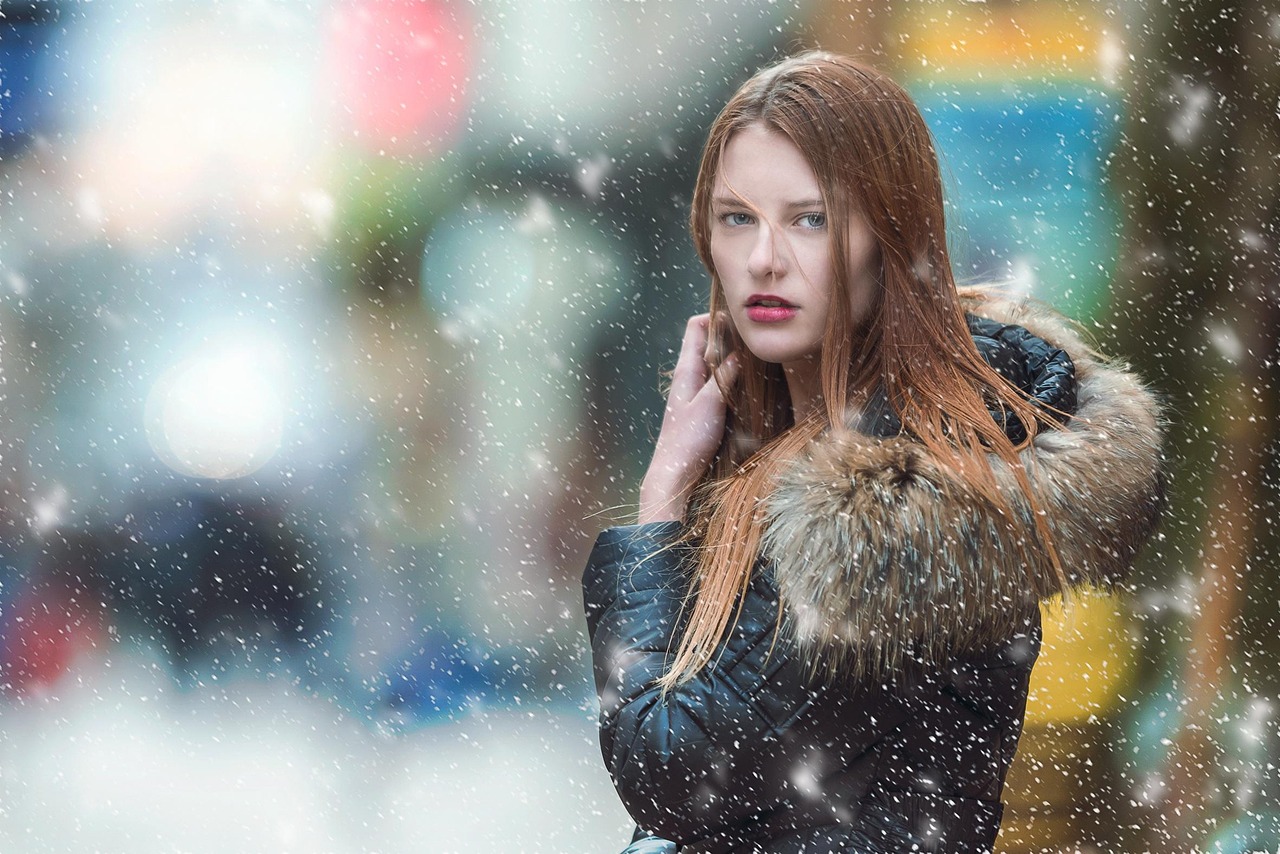
Outerwear is the strongest winter signal this season. Vogue’s Fall 2026 trend reporting highlighted a return to snug, face-framing outerwear, with shearling and generous collars appearing as alternatives to hard-working parkas or full faux-fur statements. Marie Claire’s Fall 2026 review also identified memorable coats, from sweeping wool overcoats to plush collars and generous proportions, as a key runway message.
That direction matters because winter dressing often begins and ends with the coat. In colder climates, outerwear is not just a final layer; it is the most visible part of the outfit. The 2026 update is about presence. Longline wool coats, wrap silhouettes, cocoon shapes, shearling-trimmed jackets and plush collars can make simple layers underneath look more intentional.
The wearable version does not have to be dramatic. A knee-length or maxi coat in charcoal, espresso, dark olive, red-brown or soft camel delivers the mood without becoming costume. If the rest of the wardrobe is minimalist, texture may be more useful than volume: brushed wool, bouclé, suede-effect fabric, quilted technical cloth or a shearling collar. If winter basics are already neutral, a coat in deep green, mahogany or muted clay can refresh denim, office trousers and knit dresses alike.
How to style the coat trend
- Wear a statement coat over a fine-gauge turtleneck and straight-leg jeans for a clean everyday look.
- Let a wrap coat replace a blazer on mild winter days, especially over wide-leg trousers.
- Use a textured collar or shearling trim to frame the face instead of adding heavy accessories.
- Balance oversized coats with cleaner footwear, such as knee-high boots or polished ankle boots.
Softer tailoring replaces stiff office dressing
Tailored dressing is also returning, but not in a rigid corporate form. Vogue’s August 19, 2026 shopping report described an “updated lady” mood built around relaxed tailoring, sculptural shapes and suiting that feels powerful without losing ease. British Vogue made a similar point, noting that ladylike codes such as the Dior Bar jacket and Chanel bouclé were styled in more everyday ways, including with slouchy denim and untucked shirts.
The important change is attitude. Winter tailoring in 2026 is less about looking buttoned-up from head to toe and more about using one structured piece to sharpen relaxed clothes. A gently shaped blazer over denim, a cropped jacket over a column skirt, or a skirt suit softened with knitwear can read modern because the outfit is not trying too hard.
This is also where the trend becomes useful for capsule wardrobes. A blazer in wool, tweed, bouclé or textured suiting fabric can move between the office, dinner and weekend wear. The newer shapes include hourglass jackets, cropped tailored jackets, boxier collarless styles and longer blazers with softer shoulders. The easiest styling method is contrast: tailored jacket with a casual base, polished skirt with a relaxed knit, or structured coat with slouchy denim.
Knitwear gets more character
Winter knitwear never disappears, but the 2026 runway direction gives it more character. Marie Claire highlighted Fair Isle sweaters as a notable Fall 2026 trend, connecting the heritage pattern to designers who showed versions ranging from traditional to embellished and neutral. AP’s January 2026 Milan Fashion Week menswear coverage also noted patterned knits and cozy fleece layers in Ralph Lauren’s Fall/Winter 2026-2027 presentation, tied in the report to the broader Olympic and ski-season atmosphere around Milan that month.
The point is not that every sweater needs a mountain-lodge motif. The broader signal is that knitwear is becoming more visible and expressive. Fair Isle, striped half-zips, brushed cardigans, scarf-collar sweaters, thick ribbing and soft polo knits all add surface interest to winter outfits. They are also easy to use: a patterned knit can sit under a plain coat, while a sculptural cardigan can replace a light jacket indoors.
For a modern result, avoid styling heritage knits too literally. Instead of pairing a Fair Isle sweater only with rustic pieces, wear it with fluid trousers, a satin skirt, dark denim or a tailored coat. A sporty half-zip looks sharper with loafers or boots than with full athletic wear. A brushed cardigan can feel evening-ready when layered over a slip dress or tonal base.
Boots shift toward utility, height and warm browns
Boots are one of the easiest ways to update a winter wardrobe because they change the line of an outfit immediately. Harper’s Bazaar’s August 27, 2026 Fall/Winter boot report described the season as more utilitarian overall, with pragmatic knee-high leather boots, Western and equestrian references, and chestnut or cognac browns emerging strongly. Vogue Business coverage of Paris Fashion Week Fall/Winter 2026 also noted thigh-high boots across Paris, including equestrian, fur-lined and slouchy versions.
For real wardrobes, the most useful takeaway is brown. After seasons of black boots dominating winter outfits, chestnut, cognac and warmer brown tones add depth without sacrificing versatility. They work with denim, gray tailoring, cream knitwear, olive coats and red-brown accessories. Knee-high boots are especially practical because they add warmth while making skirts and dresses easier to wear in winter.
Thigh-high boots are more directional and may not fit every lifestyle, but the idea can be softened. Try a tall boot under a midi skirt, a slim knee-high boot with a longer coat, or a riding-inspired pair with wide-leg shorts and tights for transitional weather. Reptilian and croc-embossed finishes, also noted by Harper’s Bazaar, work best as a single accent rather than the center of a loud outfit.
| Boot direction | Wearable version | Best pairing |
|---|---|---|
| Chestnut and cognac brown | Knee-high or ankle leather boots | Gray coats, denim, cream knits, olive outerwear |
| Equestrian influence | Flat or low-heel riding boots | Midi skirts, slim trousers, long wool coats |
| Thigh-high boots | Structured over-the-knee styles | Long coats, knit dresses, tonal skirts |
| Reptilian finishes | Croc-embossed or snakeskin-effect accents | Plain tailoring, monochrome outfits, simple denim |
Color moves beyond the standard winter palette
The 2026 color story is broader than black, gray and camel. Pantone’s New York Fashion Week Autumn/Winter 2026/2027 report introduced a palette that includes earthy tones and energized shades. Marie Claire’s August 2026 summary of that report listed colors such as Muted Clay, Neptune Green, Green Envy, Arabian Spice, Foxglove, Festival Fuchsia, Red Mahogany, Acacia, All Aboard and Burnt Olive. Vogue Business also identified pink tones, from baby pink to fuchsia, as prominent across Paris Fall/Winter 2026 shows.
What makes this palette useful is its range. Minimalists can lean into Burnt Olive, Red Mahogany, Muted Clay and deep blue-green. More expressive dressers can try fuchsia, foxglove pink, acacia yellow or brighter greens. The most wearable method is to choose one seasonal color and repeat it in two places: a knit and a scarf, boots and a belt, a bag and a skirt, or a coat and lip color.
Red Mahogany is especially practical because it sits between burgundy, brown and red, making it easier to wear than a bright cherry shade. Burnt Olive functions almost like a neutral. Muted Clay softens black, gray and navy. Fuchsia and pink are more assertive, but they look modern when grounded with chocolate brown, charcoal, deep navy or dark denim. See also: Outfit Ideas.
Layering becomes more personal and less formulaic
Layering is a winter necessity, but the Fall/Winter 2026 message makes it more creative. Vogue’s August 2026 report emphasized the power of styling, pointing to familiar pieces such as cardigans and workwear jackets being transformed through unexpected pairings. Marie Claire also described unexpected layering as a key runway idea, with mismatched textures, sweaters draped over shoulders, vests under coats and sheer pieces over tailored separates.
The practical benefit is that this trend rewards what is already in the wardrobe. A button-down shirt can sit under a cardigan, over a thin turtleneck or beneath a cropped jacket. A sleeveless knit can go under a blazer. A lightweight dress can continue into winter with a long-sleeve base layer and tall boots. A sweater can be worn over the shoulders for texture when the weather is mild, then used for warmth when temperatures drop.
The rule is to keep bulk controlled. Start with thin base layers, then add structure or texture. If the top half is layered, keep the bottom cleaner. If the coat is voluminous, choose a slimmer knit underneath. This keeps the look intentional rather than accidental.
Evening details enter everyday wardrobes
Art Deco references, drop waists, lace, velvet, fringe and decorative evening textures appeared in several Fall/Winter 2026 trend reports. British Vogue connected the season’s Art Deco mood to beaded dresses, flapper-coded embellishment and lace, while Vogue’s runway trend coverage noted dropped waists and romantic silhouettes. Vogue Business also reported lace, velvet, embroidery and embellishment as part of the Paris conversation.
These details can be beautiful, but they are not all equally practical for daily winter dressing. The best everyday translation is small and controlled: a velvet flat, a satin skirt, a lace-trimmed blouse under a blazer, a beaded bag, a drop-waist knit dress or a fringe scarf. This approach gives winter outfits a little drama without making them look like occasionwear at noon.
If the wardrobe is casual, start with texture rather than silhouette. Velvet, satin, lace trims and subtle shine are easier to repeat than a full dropped-waist dress. If the wardrobe is already polished, Art Deco-inspired details can loosen it up: a long pendant, geometric earrings, a beaded clutch or a softly draped skirt.
What is worth buying, wearing again or skipping
The most useful winter trends are the ones that solve real dressing problems. A better coat keeps you warm and makes everyday basics look polished. A tall boot extends the life of skirts and dresses. A textured knit adds interest under outerwear. A softened blazer brings structure without stiffness. These are higher-value updates because they can work across multiple outfits.
| Trend | Best investment level | Why it matters |
|---|---|---|
| Statement coat | High | It is the most visible winter piece and can update simple basics. |
| Soft tailoring | Medium to high | A blazer or cropped jacket works across office, weekend and evening looks. |
| Patterned knitwear | Medium | It adds personality without requiring complicated styling. |
| Directional color | Low to medium | Try color first in accessories or knitwear before committing to outerwear. |
| Thigh-high boots | Low to medium | Strong runway signal, but lifestyle and comfort matter more than trend value. |
Skip anything that fights the climate, commute or existing wardrobe. A dramatic runway coat is less useful if it cannot handle rain or snow. A pale boot may look fresh but may not survive slush. A sheer layer can be stylish, but only if it works with the coverage and warmth required. The smartest winter wardrobe is not the one with the most trends; it is the one where each trend earns its place.
Frequently asked questions
What are the biggest winter fashion trends for 2026 and 2027?
The biggest trends are statement outerwear, softened tailoring, expressive knitwear, tall boots, warm brown footwear, richer color palettes and more personal layering. Evening-inspired details such as lace, velvet and Art Deco touches are also visible, but they are easiest to wear in small doses.
Which winter trend is easiest to try first?
A textured knit or warm brown boot is the easiest starting point. Both work with existing denim, trousers, coats and skirts, and neither requires a complete change in personal style.
Are black coats still in style for winter 2026?
Yes. Black coats remain practical and stylish, but the season is giving shoppers more alternatives, including dark olive, red mahogany, muted clay, gray, camel, chestnut and deep blue-green. If you already own a black coat, update it with color through boots, scarves, knitwear or bags.
How can I wear runway trends without looking overdone?
Choose one directional element per outfit. Pair a statement coat with simple denim, a romantic blouse with tailored trousers, or a bright color with neutral outerwear. Keeping the rest of the outfit grounded makes the trend feel intentional.
Which trends are most likely to last beyond one winter?
Long wool coats, knee-high boots, soft blazers, quality knitwear and deep seasonal colors have the strongest staying power. Highly specific styling tricks, extreme proportions and novelty finishes are better treated as accents rather than major investments.