Fashion style tips that make everyday outfits look more intentional
What makes an outfit look stylish
The most useful fashion style tips rarely come from copying a full runway look or replacing a wardrobe every season. A stylish outfit usually works because the fit is clean, the proportions are balanced, the colors look deliberate, and one detail gives the look personality. That detail might be a belt, a sharper shoe, a textured jacket, a cuffed sleeve, or a carefully chosen accessory.
The practical goal is simple: make your clothes look chosen, not accidental. That starts with understanding what your wardrobe already does well, adjusting the pieces that almost work, and adding trends only when they support your shape, lifestyle, and taste. For more wardrobe ideas, explore the Style Guides section.

Start with fit before you think about trends
Fit is the foundation of personal style because it changes how every other detail is perceived. A strong color or expensive fabric can still look wrong if the shoulder line collapses, the trouser break is messy, or the waist placement fights your natural proportions. This is why the first style audit should happen in front of a mirror, not in a shopping cart.
Check three areas first: shoulders, length, and ease. For jackets, shirts, and coats, the shoulder seam should sit close to the edge of your shoulder unless the garment is intentionally dropped or oversized. For trousers, look at whether the rise and hem length work with the shoes you actually wear. For tops and dresses, notice whether the fabric pulls, twists, or creates bulk where you do not want it.
Ease is the space between your body and the garment. Too little ease creates pulling; too much can look careless unless the outfit is styled around volume. Oversized pieces can look sharp, but they need structure somewhere else. A wide trouser often looks better with a neater top. A relaxed blazer usually works best when the sleeve, shoulder, or fabric still has some definition.
- Keep pieces that fit well and support multiple outfits.
- Tailor pieces that are close but not quite right, especially hems, sleeves, and waistbands.
- Donate, resell, or repurpose pieces that only work in theory but never leave the closet.
- Be cautious with trend pieces that need several new purchases before they look complete.
Use proportion to make simple outfits feel designed
Proportion is the relationship between the top half, bottom half, and visual weight of an outfit. It is one of the fastest ways to make basics look more considered. A white shirt and jeans can feel ordinary, but a tucked shirt, wider leg, defined waist, and polished shoe can make the same idea look styled.
A helpful approach is to create contrast: slim with relaxed, cropped with long, soft with structured, matte with shine. The point is not to follow a strict body-type formula. It is to decide where the outfit should carry visual weight and where it should stay clean.
| Outfit issue | What may be happening | Style adjustment |
|---|---|---|
| The outfit feels shapeless | All pieces have similar volume | Define the waist, roll sleeves, choose a sharper shoe, or swap one loose item for a cleaner fit |
| The legs look shortened | Hem, shoe, and rise are breaking the line | Try a higher rise, tonal shoes, a cleaner hem, or a tucked top |
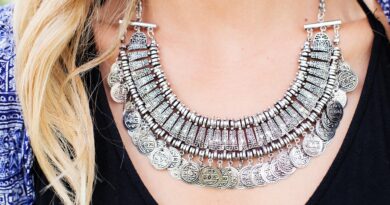
| The look feels too plain | No focal point is leading the eye | Add one strong detail such as a belt, necklace, scarf, bag, or textured layer |
| The trend piece feels awkward | It is competing with too many other statements | Style it with quieter basics and repeat one color or material elsewhere |
When in doubt, photograph the outfit. A mirror shows movement and mood, but a photo often reveals proportion more clearly. If your eye does not know where to land, simplify one area and sharpen another.
Build a color system instead of buying random colors
Color is where many wardrobes become harder to use than they need to be. A closet can be full and still feel limited if the colors do not work together. A color system helps by giving your wardrobe repeatable combinations.
Start with two or three base neutrals. These could be black, navy, charcoal, brown, camel, cream, white, olive, or denim blue. Then add one or two accent colors that suit your taste and appear in items you enjoy wearing. The result is not a boring uniform; it is a flexible framework. A navy, cream, denim, and red wardrobe feels very different from a black, gray, white, and silver one.
Pay attention to temperature as well. Some people look sharper in cooler colors such as blue, gray, berry, and optic white. Others look more natural in warmer tones such as camel, rust, olive, ivory, and chocolate. You do not need formal color analysis to notice which pieces make your skin, hair, and eyes look more alive.
- Repeat one color in two places, such as shoes and belt or sweater and socks.
- Use tonal dressing when you want a longer, cleaner line.
- Keep bright colors near the face if they flatter you, or use them in accessories if they feel too strong.
- Limit a busy outfit to one dominant print unless the colors clearly connect.
Let fabric and texture add quiet interest
Texture often matters as much as color. A cotton poplin shirt, ribbed knit, wool coat, satin skirt, leather belt, and suede shoe can create depth even when the palette is simple. This is especially useful for people who prefer minimal outfits but do not want the result to look flat.
Fabric also affects how polished an outfit appears. Crisp fabrics create structure; fluid fabrics create movement; chunky fabrics add weight; smooth fabrics feel cleaner and more formal. If an outfit feels dull, try adding contrast in texture before adding another color. A fine knit under a structured blazer, denim with a silk-like blouse, or a matte coat over a glossy boot can be enough.
Clothing care is part of style, not an afterthought. Recent public discussions from organizations such as the Ellen MacArthur Foundation and Fashion Revolution have emphasized repair, reuse, and longer garment life as important parts of fashion’s future. The U.S. Government Accountability Office also noted in a July 2024 textile recycling overview that many textiles can be recycled through mechanical or chemical processes, but for everyday wardrobes, keeping garments useful for longer remains a practical way to reduce waste.
For daily dressing, that means a sweater comb, steamer, lint brush, proper hangers, and basic mending can improve your wardrobe more than another impulse purchase. Clean shoes, fresh hems, and pressed collars make familiar pieces look more refined because they signal care. See also: Fashion Trends.
Try trends without letting them take over your wardrobe
Trends are useful when they refresh your style. They become expensive when every trend requires a new outfit ecosystem. Industry reports from McKinsey and The Business of Fashion have described a more value-conscious fashion customer in recent years, which matches a practical styling rule: the smartest trend purchase is one that works with what you already own.
Before buying into a trend, ask three questions. Does it work with at least three pieces in your closet? Does it support your real lifestyle? Would you still like the shape, color, or texture if it were not trending? If the answer is no, test the trend through a lower-commitment detail such as a color, accessory, styling method, or secondhand piece.
Some trends are really styling updates. A trouser silhouette, a new shoe shape, a belt placement, or a different way to layer may modernize older clothes without requiring a full replacement. This is where personal style becomes more sustainable and more distinctive. You are not rejecting trends; you are editing them.
- Use accessories to test bold colors or metallic finishes.
- Try a new silhouette in a neutral before buying it in a statement color.
- Rent, borrow, or buy secondhand for occasion pieces you may wear only once.
- Avoid buying a trend only because it looks good on someone with a completely different wardrobe context.
A simple outfit formula for getting dressed faster
A reliable formula reduces decision fatigue while still leaving room for personality. Use this five-step method when you want to look pulled together without overthinking the process.
- Choose the anchor piece. Start with the item that matters most for the day: tailored trousers, a dress, jeans, a jacket, or statement shoes.
- Set the proportion. Decide whether the outfit needs a defined waist, a long line, a cropped layer, or a relaxed shape.
- Limit the palette. Choose two neutrals and one accent, or stay tonal if you want the outfit to feel sleek.
- Add one texture shift. Mix smooth with ribbed, structured with soft, denim with shine, or knitwear with leather.
- Finish with intention. Check shoes, belt, bag, jewelry, hair, and outerwear. Remove one detail if the outfit feels crowded.
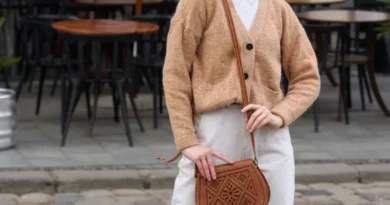
For example: straight-leg dark denim, a cream knit, a camel coat, brown loafers, and a gold earring. Nothing is complicated, but the colors repeat, the textures vary, and the silhouette is clear. Another example: black wide-leg trousers, a fitted gray tee, a cropped denim jacket, silver flats, and a red bag. The outfit works because the volume is balanced and the accent has a purpose.
Common style mistakes that are easy to fix
Most style mistakes are not dramatic. They are small mismatches between the outfit and the wearer’s proportions, routine, or care habits. Fixing them usually costs less than replacing the whole look.
- Saving good pieces for imaginary occasions. If an item suits your life, style it down and wear it more often.
- Buying duplicates of pieces that do not solve the real problem. More tops will not fix a closet that lacks the right shoes, layers, or trousers.
- Ignoring underlayers. The right camisole, tee, sock, or bra can change how clothing sits.
- Letting footwear weaken the outfit. Shoes set the tone. A clean, intentional shoe can make basics look finished.
- Keeping too many almost-right items. Clothes that require constant adjustment often reduce confidence.
A strong wardrobe is not necessarily large. It is edited, visible, and easy to combine. If you can see what you own and understand why each piece works, you will make better outfits with less effort.
Frequently asked questions
What are the most important fashion style tips for beginners?
Start with fit, proportion, and color coordination. Make sure your everyday clothes sit well on your body, then build simple combinations around two or three base colors. Once that feels natural, add personality through texture, accessories, and one focal point per outfit.
How can I look stylish without buying new clothes?
Restyle what you already own. Tuck or half-tuck tops, roll sleeves, change shoes, add a belt, layer a shirt under a knit, or repeat colors more intentionally. Clothing care also helps: steaming, de-pilling, polishing shoes, and fixing loose hems can make older pieces look sharper.
How do I know if a trend is worth trying?
A trend is worth trying if it works with your existing wardrobe, suits your daily life, and still appeals to you when separated from the hype. If you are unsure, test it through an accessory, a secondhand find, or a color rather than a major purchase.
How many colors should be in one outfit?
There is no strict rule, but many easy outfits use two neutrals and one accent. More colors can work when they share a similar temperature, repeat in the outfit, or appear in a print that ties them together.
What makes an outfit look expensive?
Clean fit, well-kept fabric, coherent color, and polished finishing details usually matter more than logos. Pressed collars, neat hems, cared-for shoes, and balanced proportions can make affordable clothes look refined.