
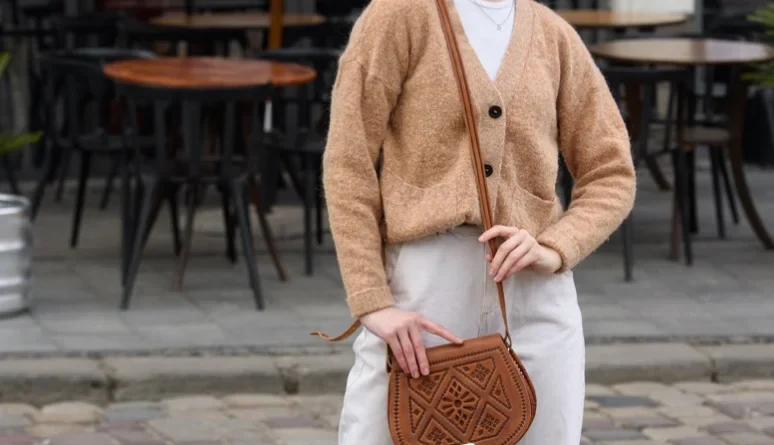
What Makes A Clothing Style Guide Essential For Confident Expression
The Psychology of Style: How Your Wardrobe Influences Your Confidence
Clothing shapes professional confidence by influencing both perception and performance. What one wears affects not only how others view them but also how they view themselves. A deliberate wardrobe strategy, supported by a structured clothing style guide, can enhance authority, reduce decision fatigue, and align personal image with organizational identity. This article explores the psychological mechanisms behind professional attire and how a well-crafted style framework can strengthen confidence across all career levels. Many people notice this effect in daily work life. For instance, a simple change in shirt choice often shifts how a person stands during talks.
The Connection Between Clothing and Professional Confidence
Professional confidence is not built solely on skill or experience. It is reinforced daily through visual presentation. In workplaces where image and credibility intersect, attire functions as an unspoken language of competence. People feel the link right away when they pick clothes each morning. A clean outfit often sets a steady tone for the whole day ahead.
The Psychological Foundations of Dressing for Confidence
Psychologists describe enclothed cognition as the process where clothing influences mental states and behavior. When professionals wear garments associated with authority or precision, their cognitive performance often improves. For instance, wearing a tailored blazer may trigger subtle behavioral cues. Better posture and measured gestures follow. These cues signal readiness and control. In corporate environments, these cues grow stronger. Appearance becomes part of the performance matrix that reinforces self-assurance. Think about a sales call in a busy office. The right jacket helps the speaker stay calm and clear when questions come fast.

How Perception Shapes Confidence in the Workplace
Perception operates as a feedback loop. Colleagues and clients form judgments within seconds based on attire consistency and grooming standards. A coherent professional style builds trust because it signals reliability. When personal image aligns with role expectations, it strengthens internal confidence by validating external recognition. An executive might choose a minimalist suit. A designer could go for creative layering. Both choices match what the job needs. This match makes the person feel more sure during meetings. Small details like neat shoes add to that feeling in real office settings.
The Role of a Clothing Style Guide in Professional Development
A clothing style guide turns abstract ideas about dressing well into actionable standards. These standards support both individual growth and brand consistency. Teams often see better results when everyone follows a shared plan. The guide acts like a map that keeps choices simple yet effective.
Defining What a Clothing Style Guide Entails
A clothing style guide serves as a structured framework. It outlines acceptable colors, fits, fabrics, and accessories for specific roles. It functions much like technical documentation in engineering. Clear parameters reduce ambiguity while allowing controlled flexibility. By setting visual benchmarks for professionalism, it acts as both a behavioral cue and an operational tool for self-presentation. Staff members use it to pick items without second guessing. In practice, this means fewer rushed mornings before important events.
The Strategic Purpose Behind a Style Guide
The strategic value of such guides lies in their ability to unify identity across teams. Just as the right supplier affects not just hardware quality, but system-level integration, software reliability, warranty enforcement, and after-sales responsiveness over a 10- to 25-year lifespan, a similar principle applies to attire systems. Integration between personal expression and corporate culture enhances long-term credibility. Standardized wardrobe choices also reduce decision fatigue. This brings a subtle but powerful productivity gain. It reinforces alignment between employee behavior and brand ethos. Over months, teams notice how steady looks lead to smoother client talks.
Building a Clothing Style Guide That Enhances Confidence
Developing an effective guide requires balancing psychological insight with practical design considerations. Start with basics that fit most days. Then add room for small personal touches that still fit the rules.
Identifying Core Wardrobe Principles for Professionals
Every profession benefits from foundational pieces that project stability. Structured jackets, clean lines, and neutral palettes work well. These items communicate authority without distraction. Timeless designs like crisp white shirts or navy suits translate across contexts from board meetings to client visits. Yet individuality should not vanish. Subtle details such as textures or accessories allow personality within professional norms. A project manager might add a simple watch. This keeps the look sharp but personal during long review sessions.
Integrating Color Psychology into Wardrobe Design
Color psychology plays an underappreciated role in confidence signaling. Neutral tones such as charcoal or beige convey composure and competence. Accent colors like blue or green introduce approachability or creativity depending on context. Consistency in color usage supports personal brand recall much like visual branding in marketing does for companies. In a tech firm, soft blues often help during team updates. They keep the mood open and steady without extra effort.
The Behavioral Impact of Following a Style Guide
Routine dressing creates more than aesthetic uniformity. It establishes mental readiness patterns similar to pre-performance rituals among athletes. Workers report feeling ready faster once the habit settles in.
How Routine Dressing Builds Cognitive Readiness for Work
When dressing routines are standardized through a clothing style guide, they act as psychological triggers. These triggers help individuals transition into work mode. Predictable choices lessen anxiety about appearance management. They free cognitive space for higher-order tasks. Over time, these habits condition the brain to associate specific outfits with professional competence. A finance analyst who sticks to the same two suits on busy weeks often finds focus comes quicker at the desk.
The Influence of Attire on Communication and Leadership Presence
Nonverbal communication dominates first impressions. Polished attire enhances posture, gesture clarity, and perceived authority during interactions. Leadership presence often correlates with visual coherence. When every element from shoes to accessories follows an intentional guideline, authenticity appears effortless yet refined. In group discussions, this shows up as clearer speech and better eye contact from those who feel put together.
Implementing a Clothing Style Guide Across Professional Levels
Adoption succeeds when guidelines respect role diversity while maintaining unified standards. Different jobs need tweaks, yet the core stays steady for the whole group.
Customizing Guidelines for Different Roles and Hierarchies
Executives may require formality reflective of symbolic leadership. Tailored suits or signature accessories fit here. Creative professionals thrive under flexible frameworks that encourage innovation through texture or color play. Frontline employees benefit from functional yet polished attire suitable for frequent client contact. A store supervisor might pick sturdy shoes that still look sharp after hours on the floor. This balance keeps energy high through the shift.
Encouraging Adoption Through Education and Cultural Integration
Education sustains adherence better than enforcement. Workshops explaining the psychology behind dress codes foster voluntary compliance. They link appearance to emotional outcomes like confidence or trustworthiness. Leadership endorsement matters too. When senior figures embody the guide principles consistently, cultural integration follows naturally. New hires pick up the pattern fast after seeing it in daily use around the office.
Measuring the Impact of Style Guidance on Professional Outcomes
Quantifying confidence may seem subjective but measurable indicators exist through surveys and performance observation. Regular checks help teams see real progress over time.
Assessing Changes in Employee Confidence and Performance
Post-implementation surveys can reveal shifts in self-perceived competence or comfort levels during presentations. Observational data might show improved engagement metrics such as participation frequency or leadership initiative rates after adopting standardized attire practices. One mid-size firm tracked a 15 percent rise in meeting input from staff six months after the guide rollout. Numbers like these point to steady gains in daily output.
Evaluating Long-Term Organizational Benefits
Organizations gain more than polished appearances. They cultivate cohesive cultures where individuals feel secure expressing professionalism authentically. Reduced wardrobe-related stress contributes to satisfaction scores much like reliable infrastructure boosts system uptime in technical fields. A parallel drawn from product integration depth is one of the strongest indicators of long-term system reliability. Similarly, deep integration between dress culture and identity fosters enduring workplace harmony. Teams stay longer and share ideas more freely when the visual side feels settled and fair.
FAQ
Q1: Why does clothing influence professional confidence?
A: Because attire triggers cognitive associations linked to competence and authority. Wearing role-appropriate clothes primes behavior consistent with those traits. Many workers notice the shift after just a week of steady choices.
Q2: How does a clothing style guide help organizations?
A: It standardizes visual identity across teams while reducing decision fatigue and reinforcing brand credibility through consistent presentation. Groups report smoother mornings and fewer last-minute outfit worries.
Q3: Should color choices vary by industry?
A: Yes. Corporate finance favors muted tones reflecting stability. Creative industries accept bolder hues symbolizing innovation. A marketing team might test one bright accent piece to see how it lands in client calls.
Q4: Can following strict dress rules limit individuality?
A: Not necessarily if guidelines allow controlled personalization through accessories or fabric variation within defined boundaries. Small additions like a favorite pin keep things fresh without breaking the frame.
Q5: How can companies measure the success of their style guide?
A: Through employee feedback surveys tracking confidence shifts, observation of engagement levels, and external perception assessments over time. Follow-up talks every quarter keep the plan on track and useful for everyone involved.