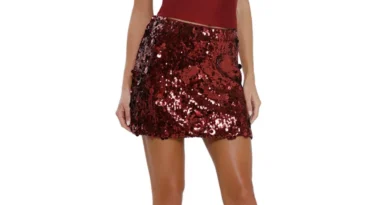

Retro outfit ideas that look modern, not costumey
How to wear retro outfits now
Retro outfit ideas work best when they borrow the mood of a past decade without copying it head to toe. A reliable formula is to choose one recognizable era signal, add two modern basics, and keep the fit intentional. Flared jeans can feel 70s with a ribbed knit, but clean sneakers make them look current. A slip dress can nod to the 90s, while a structured blazer makes it practical for dinner or a casual office. This guide focuses on wearable styling rather than costume dressing, with ideas for everyday plans, shopping, and mixing decades. For more styling inspiration across seasons, browse the Outfit Ideas section.
What makes an outfit retro rather than vintage
Retro and vintage are related, but they are not the same thing. Retro usually describes a new or modern outfit that revives styles from the past. Vintage usually refers to original clothing or accessories from a previous period; fashion editors often use a rough 20-year threshold for clothing to be considered vintage, though sellers and collectors may apply stricter standards.
That distinction matters because most people looking for retro outfits are not trying to build a museum-accurate look. They want an outfit that feels nostalgic, flattering and wearable. A retro outfit can include a genuine 1970s jacket, a modern reproduction blouse, or current jeans styled with an older silhouette. The goal is visual reference, not historical reenactment.
A useful way to plan the look is to separate it into three parts: silhouette, texture and color. Silhouette covers shape, such as A-line minis, flares, shoulder pads or low-rise trousers. Texture includes corduroy, suede, satin, denim, leather and crochet. Color sets the mood, from 60s black-and-white contrast to 70s earth tones, 80s brights and 90s neutrals.
A decade-by-decade map for retro dressing
Fashion history references, including the Fashion History Timeline from FIT and museum coverage of 1990s style, show that decades were never defined by one single look. The 60s included ladylike tailoring, mod youth culture and late-decade bohemian influences. The 70s moved between hippie, disco, sportswear and punk. The 80s mixed power dressing, prep, fitness and new wave energy. The 90s reacted with grunge, minimalism and casual dressing. Use the table below as a styling shortcut, not a rigid rulebook.
| Era | Recognizable pieces | Modern way to style them |
|---|---|---|
| 1960s mod | A-line mini skirts, shift dresses, Mary Janes, graphic checks | Keep the shape clean and pair one mod item with a simple knit or tailored coat. |
| 1970s boho and disco | Flares, suede jackets, crochet, silky shirts, platforms, wrap dresses | Use earthy colors for day and glossy textures for night, but avoid stacking fringe, print and platforms in one look. |
| 1980s power and prep | Blazers, shoulder structure, pleated trousers, polos, bright knits, acid-wash denim | Choose one strong shoulder or bright color and ground it with straight denim or minimalist shoes. |
| 1990s grunge and minimalism | Slip dresses, plaid shirts, straight jeans, ribbed tanks, leather jackets, loafers | Mix softness with structure: slip plus blazer, plaid plus tailored trousers, or tank plus long skirt. |
| Y2K | Cargo pants, baby tees, sporty jackets, baguette bags, tinted sunglasses | Use cleaner proportions and better fabrics so the look feels edited rather than chaotic. |
Retro outfit ideas for everyday plans
Flared jeans with a fitted knit
This is one of the easiest 70s-inspired combinations because the silhouette does most of the work. Try dark or medium-wash flares with a slim ribbed sweater, square-toe boots and a suede or faux-suede jacket. Keep jewelry simple; a pendant necklace or hoop earrings are enough. If full-length flares feel too dramatic, choose a bootcut jean for a quieter version.
A slip dress with a blazer
A bias-cut slip dress immediately suggests 90s minimalism. To make it practical, add a slightly oversized blazer with low heels, ballet flats or slim boots. For daytime, layer a fine T-shirt underneath. For evening, switch to a tonal blazer and a small shoulder bag. The contrast between fluid satin and structured tailoring keeps the look polished.
An oversized blazer with straight jeans
For an 80s-meets-90s outfit, start with a boxy blazer, straight-leg denim and a plain tee. Proportion is the main point: if the blazer is broad, keep the rest neat. Add loafers for a preppy direction, pointed boots for a sharper mood, or clean sneakers for weekend wear. A belt can define the waist without making the outfit feel formal.
A mod mini skirt with tights
A-line minis, opaque tights and Mary Janes create a 60s mod reference that still looks current. Choose a mini skirt in wool, denim or a subtle check, then add a mock-neck top or cropped cardigan. Black-and-white is the classic route, but navy, cream, burgundy or chocolate brown can make the outfit softer and easier to wear.
A sporty track jacket with tailored trousers
Sporty retro can reference the 70s, 80s or early 2000s depending on color and cut. A zip track jacket looks more modern with pleated trousers, a fitted tank and sleek sneakers. This high-low mix also keeps athletic pieces from looking like gym clothes. If the jacket is bright, keep the trousers neutral.
Double denim with a cleaner shape
Double denim can lean western, 70s or 90s depending on the styling. For a wearable version, mix washes slightly: a mid-blue denim shirt with dark straight jeans, or a faded jacket with ecru jeans. Add a leather belt and boots to make the outfit feel intentional. Avoid too many extra retro cues; the denim already carries the reference.
Corduroy pants with a simple top
Corduroy instantly adds vintage texture. Wide-wale corduroy trousers feel 70s, while slimmer corduroy pants can read 90s academic. Pair them with a white tee, fitted cardigan or crisp button-down. Brown, rust, olive and cream are the easiest colors to style, but burgundy and mustard can work if the rest of the outfit stays quiet.
A plaid shirt with a long skirt
Plaid is often pulled into grunge styling, but it does not have to look messy. Wear an open plaid shirt over a ribbed tank with a column skirt or straight jeans. Add boots or loafers, not both chunky shoes and distressed denim, unless you want a heavier grunge effect. The modern update is a cleaner line and better balance.
A retro graphic tee with tailored layers
A graphic tee can be the easiest entry point into retro style, especially if it references old music, travel, sports or typography. To keep it grown-up, layer it under a blazer, trench or leather jacket. Pair it with straight trousers, a midi skirt or dark denim. The tee adds personality, while the tailoring keeps the outfit wearable. See also: Fashion Trends.
A monochrome 90s minimalist look
If prints and nostalgia pieces are not your style, use 90s minimalism as the retro reference. Try a black tank, long black skirt, slim cardigan and simple sandals, or a cream tee with beige trousers and loafers. The mood comes from restraint: clean lines, low contrast, small accessories and fabrics that drape well.
How to avoid looking like you are wearing a costume
The most common retro styling mistake is using too many decade markers at once. Flares, platforms, fringe, round sunglasses and a crochet vest can become a 70s costume quickly. A better approach is to choose one main reference and let everything else support it.
- Pick one focal piece. Let the blazer, dress, jean shape or jacket carry the era.
- Update the fit. Hem trousers correctly, tailor shoulders if needed and avoid pieces that look accidentally oversized.
- Use modern basics. Plain tanks, white tees, clean sneakers, simple knits and neat denim make retro pieces easier to wear.
- Limit accessories. One nostalgic bag, belt, scarf or pair of sunglasses is usually enough.
- Keep grooming current. Modern hair and makeup can make even bold retro clothing feel fresh.
There is also a difference between theatrical and personal. If you enjoy maximalism, you can wear more than one reference. The key is intention. Repeating a color, balancing volume and choosing one dominant mood will make the outfit feel styled rather than random.
Shopping notes for retro and secondhand pieces
Secondhand shopping is one reason retro style keeps evolving. ThredUp’s 14th annual Resale Report, released on April 2, 2026, projected that the global secondhand apparel market could reach $393 billion by 2030 and grow faster than the overall apparel market. That type of industry data does not mean every resale purchase is automatically a bargain, but it does show why vintage-inspired and secondhand wardrobes are part of mainstream fashion conversations.
When shopping for retro outfits, focus less on the label and more on fabric, construction and fit. Check measurements instead of relying on size tags, because vintage sizing and modern sizing rarely match. Look at underarms, lining, zippers, hems and fabric thinning. For denim, measure the rise, waist, hip and inseam. For blazers, shoulder width matters more than the marked size.
Do not dismiss reproductions. A modern retro-style blouse or pair of jeans can be more comfortable, easier to wash and available in inclusive sizing. Original pieces can offer more character, but they may need repairs or special care. A balanced wardrobe can include both. The smartest retro closet is not the one with the oldest items; it is the one with pieces you will actually wear.
If sustainability is part of your reason for shopping secondhand, be realistic. Reusing clothing can extend garment life, but buying too much secondhand still creates clutter and can lead to unworn purchases. The more useful question is whether a piece fills a real gap in your wardrobe and works with at least three outfits you already own.
Frequently asked questions
Can retro outfits work for the office?
Yes, if the retro reference is subtle. Try a 70s-inspired blouse with tailored trousers, an 80s-style blazer with a simple shell, or a 90s slip skirt with a fine knit. Avoid novelty prints, extreme platforms or overly distressed pieces in conservative workplaces.
Can I mix different decades in one outfit?
You can, but limit the mix to two eras and connect them through color or proportion. For example, a 90s slip dress can work with a 70s suede jacket if both are in warm neutrals. A Y2K sporty jacket can work with 80s pleated trousers if the palette stays simple.
What shoes make retro outfits feel modern?
Loafers, ballet flats, slim boots, low-profile sneakers and simple sandals are reliable choices. Platforms and chunky boots can look great, but they create a stronger decade signal, so keep the rest of the outfit calmer.
What is the easiest retro outfit for beginners?
Start with straight jeans, a fitted tee or knit, a vintage-inspired jacket and one accessory such as hoop earrings or a small shoulder bag. It gives a retro mood without requiring special shopping or complicated layering.