Current fashion trends shaping style in 2026
What current fashion trends mean right now
Current fashion trends in 2026 are not being defined by one dominant look. As of September 6, 2026, the strongest direction is a more flexible wardrobe system built around modern tailoring, body-aware silhouettes, warmer textures, expressive color, Art Deco details, playful accessories and sharper value awareness. Runway reports from Vogue and British Vogue point to updated ladylike dressing, proportion play, body-focused layers and practical styling as important Autumn/Winter 2026 ideas. Consumer reports from McKinsey, The Business of Fashion, Informa, YouGov, Lyst and ThredUp help explain why those ideas are being filtered through durability, resale, fit and price sensitivity rather than novelty alone.
The shift is practical. Shoppers are less likely to buy into every micro-trend and more likely to ask how a piece works across office days, travel, dinner, weekends and resale-minded wardrobes.
Modern tailoring is replacing flat quiet luxury
The most wearable shift in 2026 is tailoring with shape, softness and personality. It is not the stiff office suit of the early 2000s, and it is not the plain, logo-free uniform that shaped much of the quiet luxury conversation. Vogue’s Fall 2026 coverage highlighted relaxed tailoring, sculpted jackets and softened power dressing at houses such as Chanel, Givenchy and Balenciaga. British Vogue described a similar new-era ladylike mood, with heritage jackets and skirt-suit references styled alongside denim, long shirts and easier proportions.
For everyday wardrobes, the blazer remains one of the season’s most useful pieces, but the update is in the cut and styling. Look for slightly nipped waists, boxier cropped jackets, longer-line shirts under tailoring, fluid trousers and midi skirts that do not read as purely corporate. The aim is polish without stiffness.
- Most wearable version: a sculpted blazer with straight jeans or relaxed trousers.
- Evening version: a tuxedo-inspired jacket over a satin skirt or slip dress.
- Low-risk update: replace a plain cardigan with a sharp knit jacket or softly structured waistcoat.
This trend has staying power because it solves a real wardrobe problem: people want clothes that look considered without requiring a full closet reset.
Body-aware dressing is back, but it is more layered
Another major runway message for Fall 2026 is a return to the body. Vogue described second-skin dresses, sheer layers and lingerie-inspired slips across several designer collections, while British Vogue noted a move back toward close-cut dresses, slim knits and body-conscious silhouettes after seasons of oversized dressing.
The distinction matters. This is not simply a return to exposed dressing. The 2026 version is more controlled and easier to adapt. Sheer skirts are worn with opaque slips. Slim maxi dresses sit under oversized coats. Knit bustier shapes are layered with shirts or cardigans. A fitted base layer becomes part of a larger outfit rather than the whole statement.
That makes the trend easier to translate across different comfort levels. A shopper does not need a transparent runway dress to take part. A ribbed column dress, slim turtleneck, close-fitting knit skirt or sheer sleeve under a blazer can carry the same direction in a more practical way.
Editorially, this trend reflects a wider push-pull in 2026 fashion: silhouettes are becoming more defined while shoppers continue to ask for versatility. The strongest pieces are likely to be those that can be softened with layers or sharpened for evening.
Styling has become the trend itself
When runway reporting is compared with consumer data, one point is clear: styling now matters as much as the item. British Vogue pointed to the power of restyling versatile pieces, including runway looks that changed through layering rather than relying on a new garment for every occasion. Vogue’s Fall 2026 analysis also emphasized familiar staples made fresh through unexpected pairings.
This is where 2026 fashion becomes especially useful. A button-down shirt can be worn open over a tank, tucked into a drop-waist skirt, layered under a cropped jacket or used to tone down an ornate evening piece. A cardigan can work as a top, a layer under a coat or a color accent over a slip dress. A workwear jacket can sit over a tailored skirt instead of denim.
| Wardrobe piece | 2026 styling update | Why it works |
|---|---|---|
| Blazer | Wear with loose denim, a long shirt or a soft midi skirt | Balances structure with ease |
| Slip dress | Layer with a knit, sheer top or tailored coat | Makes evening codes more useful in daytime |
| Button-down shirt | Use as a base layer under jackets or dresses | Adds polish without buying extra trend pieces |
| Cardigan | Style as a top or over a column dress | Connects comfort with a more intentional look |
| Workwear jacket | Pair with refined trousers or a full skirt | Turns utility into contrast styling |
For more seasonal wardrobe analysis, follow Shuaigo’s Fashion Trends coverage.
Color, texture and decoration are moving fashion away from minimalism
Minimalism has not disappeared, but 2026 is loosening its hold. Vogue’s March 18, 2026 Fall trend report identified colorblocking, romantic details, dropped waists, dramatic outerwear, tuxedo references and crafted surfaces as part of the season’s direction. British Vogue also pointed to Art Deco evening details, flapper-coded embellishment, lace, beading and playful proportion.
Pantone’s New York Fashion Week Autumn/Winter 2026/2027 color report described the season as a balance between restrained opulence and modernity, mixing earthy and considered neutrals with vivid shades. Pantone also named Cloud Dancer, a soft white, as its 2026 Color of the Year. Taken together, these signals suggest a palette that is neither simply quiet nor loud. It is built on contrast: pale whites with deep brown, soft neutrals with electric brights, or classic black with jewel-toned accessories.
Texture is just as important as color. Suede, shearling, brushed wool, satin, lace, beading, chainmail effects and feathered or fringed decoration all fit the richer 2026 mood. The practical approach is to use texture in one focal area rather than across the whole outfit.
- If your wardrobe is neutral: add color through a scarf, sunglasses, belt, shoe or bag charm.
- If you prefer classic dressing: try the Art Deco influence through satin, lace trim or a beaded evening top.
- If you like casual outfits: use suede, shearling or textured knits to make simple denim feel current.
Accessories and footwear are carrying the fastest trend signals
Accessories are moving faster than clothing because they are easier to adopt, easier to switch out and often less expensive than a full outfit refresh. Lyst’s Q2 2026 Index showed strong demand around warm-weather accessories and sport-influenced pieces, with Chanel sunglasses searches rising quarter-on-quarter and a New York Knicks cap becoming a standout product signal. The same report showed rising search interest for brands associated with refined basics, vacation dressing and culturally visible accessories.
YouGov’s February 28, 2026 U.S. fashion survey adds useful consumer context. It asked consumers about items including color-tinted sunglasses, bag charms, mini handbags, ballet flats, platform sneakers, statement belts, hiking sandals and chunky loafers. The report suggests that accessories are not just editorial decoration; they are a measurable way fashion-focused shoppers express trend awareness. See also: Outfit Ideas.
The most relevant accessories for 2026 are not all loud. Some are playful, such as bag charms and tinted lenses. Others are practical, including loafers, ballet flats, hiking sandals and structured belts. This creates a clear split between fast micro-trends and longer-use wardrobe anchors.
- Trend-forward: color-tinted sunglasses, bag charms, sculptural mini bags and sport caps.
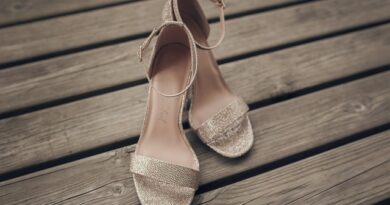
- Practical: ballet flats, high-vamp pumps, loafers, low boots and belts that reshape a silhouette.
- Seasonal: shearling-trimmed footwear, suede bags and warmer textured accessories for fall.
The safest strategy is to keep the base outfit simple and let one accessory carry the trend signal, especially when the trend may move quickly.
Value, fit and resale are shaping what trends people actually buy
The biggest gap between runway trends and current consumer behavior is caution. FashionUnited’s February 20, 2026 coverage of Informa’s U.S. Fashion Consumer Outlook reported that 66 percent of surveyed U.S. consumers identified value for money as the leading priority when shopping for fashion, while only 10 percent cited trendiness as the top priority. The same coverage noted that many consumers planned to adjust shopping behavior through delayed purchases, lower spending or switching retailers, and that poor fit remained a major barrier to online buying.
McKinsey and The Business of Fashion’s State of Fashion 2026 report also framed the year around tariff pressure, efficiency, resale, changing consumer expectations and recalibrated luxury. Its luxury discussion is particularly relevant to style: brands are being pushed to refocus on creativity, craftsmanship and trust rather than relying mainly on price increases.
Resale is part of the same story. ThredUp’s April 2, 2026 annual resale report, conducted with GlobalData, projected the global secondhand apparel market to reach $393 billion by 2030 and grow faster than overall apparel retail. It also said Gen Z and Millennials are expected to drive most market growth through 2030. Whether a reader buys resale or not, the effect is clear: shoppers are paying closer attention to longevity, fabric quality, brand durability and whether a piece will still feel desirable after one season.
That changes how current fashion trends should be evaluated. A sculpted blazer, wearable coat, versatile dress, quality knit or practical shoe is more aligned with the 2026 consumer mood than a one-night novelty piece. The best trend buys are the ones that can survive changes in styling.
How to build a 2026 wardrobe without chasing every trend
A strong 2026 wardrobe can be built around three layers: foundation, signal and seasonal texture. Foundation pieces are the items worn repeatedly, such as denim, trousers, shirts, tees, knits and simple dresses. Signal pieces show awareness of current fashion trends, such as a shaped blazer, drop-waist dress, sheer layer, tinted sunglasses or statement belt. Seasonal texture gives the outfit depth through suede, wool, satin, lace, shearling or beading.
Before buying, ask three questions. Can this piece be styled at least three ways? Does it solve a real dressing need? Would it still look good if the styling trend changed? If the answer is yes, the item is more likely to earn its place.
- Start with a tailored layer, such as a blazer, cropped jacket or structured coat.
- Add one body-aware base, such as a slim knit, column dress or fitted skirt.
- Choose one expressive color or texture instead of several competing statements.
- Use accessories to test faster trends before investing in clothing.
- Consider resale, fabric quality and fit before buying trend-led pieces.
The key message for 2026 is balance. Fashion is more decorative than it was during the peak quiet luxury moment, but shoppers are more selective than they were in impulse-driven trend cycles. The strongest looks are expressive, useful and easy to restyle.
Frequently asked questions
What are the current fashion trends for 2026?
The main 2026 trends include modern tailoring, body-aware layers, Art Deco details, color contrast, warm textures, playful accessories, practical footwear and value-led shopping. The most wearable versions focus on styling and versatility rather than head-to-toe runway replication.
Is quiet luxury still a trend in 2026?
Quiet luxury is still influential, but it is less dominant. The current mood is more textured and expressive, with sculpted tailoring, color, embellishment and personal accessories adding interest to classic wardrobe pieces.
What is the easiest 2026 trend to try?
Accessories are the easiest entry point. A statement belt, tinted sunglasses, ballet flats, loafers, bag charm or textured scarf can update a familiar outfit without requiring a major wardrobe change.
Which trends are most practical for everyday wear?
Modern blazers, versatile shirts, slim knit dresses, textured coats, straight-leg denim, loafers and wearable belts are among the most practical. They connect with the runway mood while fitting into work, travel and weekend outfits.
How can shoppers avoid wasting money on trends?
Focus on fit, fabric and repeat wear. If a trend piece cannot be styled in several ways, does not suit your lifestyle or depends on a short-lived micro-trend, it may be better tested through accessories or resale first.