Spring outfit ideas for easy weekday, weekend, and occasion dressing
Start with a simple spring outfit formula
A useful spring outfit solves a practical problem: how to look pulled together when the weather, schedule, and dress code can shift within the same day. Rather than planning a full closet refresh, build each look from three parts: a breathable base layer, a light outer layer, and one detail that makes the outfit feel intentional. That detail might be a color, belt, textured fabric, scarf, statement flat, or structured bag.
Spring dressing works best when it feels lighter than winter but not as exposed as summer. Cotton shirts, fine knits, denim jackets, soft tailoring, trench coats, midi skirts, loafers, ballet flats, sneakers, and easy dresses all fit the season. The aim is not to copy a runway look exactly. It is to translate the mood of spring into outfits that can handle cool mornings, commuting, errands, lunch plans, changing temperatures, and casual events. You can also explore more in Outfit Ideas.
If you are building a seasonal wardrobe plan, save this guide alongside the broader Outfit Ideas section so you can adapt the formulas for work, weekends, travel, and special occasions.
12 spring outfit formulas you can repeat
A repeatable formula is more useful than a single outfit photo because it can be adjusted to your closet, climate, and comfort level. Use the table below as a practical starting point, then change fabrics, colors, and shoes according to the temperature and setting.
| Occasion | Outfit formula | Why it works |
|---|---|---|
| Casual weekday | Straight-leg jeans, striped tee, trench coat, loafers | Classic pieces feel clean without looking overdone. |
| Office casual | Wide-leg trousers, crisp shirt, fine knit over shoulders, flats | Soft tailoring keeps the look professional but light. |
| Weekend errands | White jeans, cotton button-down, denim jacket, sneakers | Fresh color and practical layers make it easy to move. |
| Brunch | Midi skirt, fitted tee, cropped cardigan, ballet flats | The balance of fitted and fluid pieces feels polished. |
| Date night | Slip skirt, lightweight sweater, low heels, small shoulder bag | Texture adds interest without needing heavy styling. |
| Rainy spring day | Dark denim, knit top, water-resistant trench, ankle boots | Darker bottoms and covered shoes handle wet streets better. |
| Travel day | Soft trousers, breathable tee, utility jacket, sleek sneakers | Comfortable pieces still look intentional in photos. |
| Creative workplace | Relaxed blazer, pastel shirt, jeans, slingbacks | Color softens tailoring and makes denim feel dressed up. |
| Outdoor lunch | Linen-blend pants, tank or tee, oversized shirt, sandals | The shirt works as sun coverage and a light layer. |
| Evening event | Column dress, cropped jacket, metallic flat or heel | A clean dress shape lets accessories do the styling. |
| Transitional cold morning | Fine turtleneck, midi dress, trench, boots | Layering under the dress adds warmth without bulk. |
| Minimal everyday look | Black trousers, white tee, beige jacket, simple sneakers | Neutral contrast looks deliberate and easy to repeat. |
Use color without making the outfit feel too loud
Spring naturally invites lighter color, but a good outfit does not need to be pastel from head to toe. The easiest approach is to choose one spring color and keep everything else grounded. A butter yellow cardigan with blue denim, a pale pink shirt with gray trousers, a sky-blue knit with white jeans, or a soft green skirt with a white tee can feel fresh without becoming costume-like.
If you prefer neutrals, use tonal dressing instead. Cream, oatmeal, stone, taupe, light gray, and soft brown can create a spring-ready palette that still feels calm. The key is to vary texture: a ribbed tank with cotton trousers, a smooth trench over denim, or a linen shirt with a leather belt. When the colors are quiet, texture keeps the outfit from looking flat.
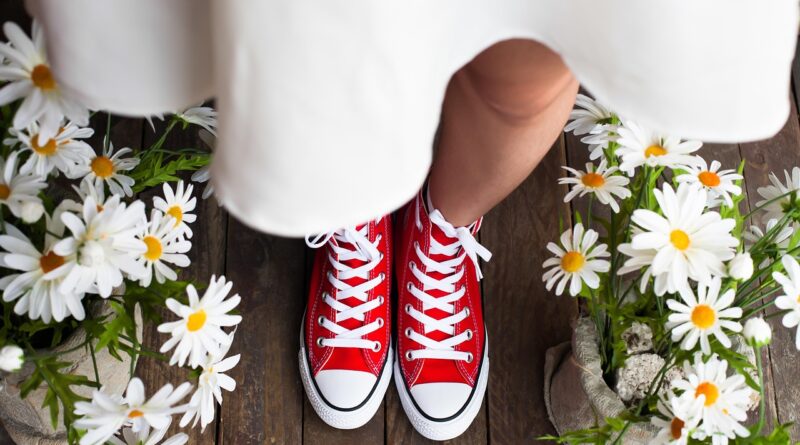
For bolder dressers, spring is a good time to try controlled contrast. Pair a vivid shoe with an otherwise simple outfit, wear a bright shirt under a navy blazer, or add a colorful bag to a white dress. Simple shapes help strong color feel wearable. If you are unsure where to start, wear color close to your face only when it flatters your complexion; otherwise, use it in shoes, bags, belts, or skirts.
Layer for unpredictable spring weather
Spring outfits often fall short because they are planned for the warmest part of the day rather than the full day. A comfortable look should work for a cool morning, a warm afternoon, and a breezy evening. Choose layers that can be removed easily while still leaving a complete outfit underneath.
The base layer
Your base layer should be breathable and presentable on its own. Good options include a cotton tee, ribbed tank, poplin shirt, fine-gauge knit, lightweight turtleneck, or sleeveless blouse. Avoid relying on a jacket to make the outfit work. If the jacket comes off, the look should still feel finished.
The middle layer
The middle layer adds warmth and styling. A cardigan, open button-down shirt, vest, or fine sweater can make a simple outfit feel more considered. This is also where you can add soft color or texture without committing to a full statement look.
The outer layer
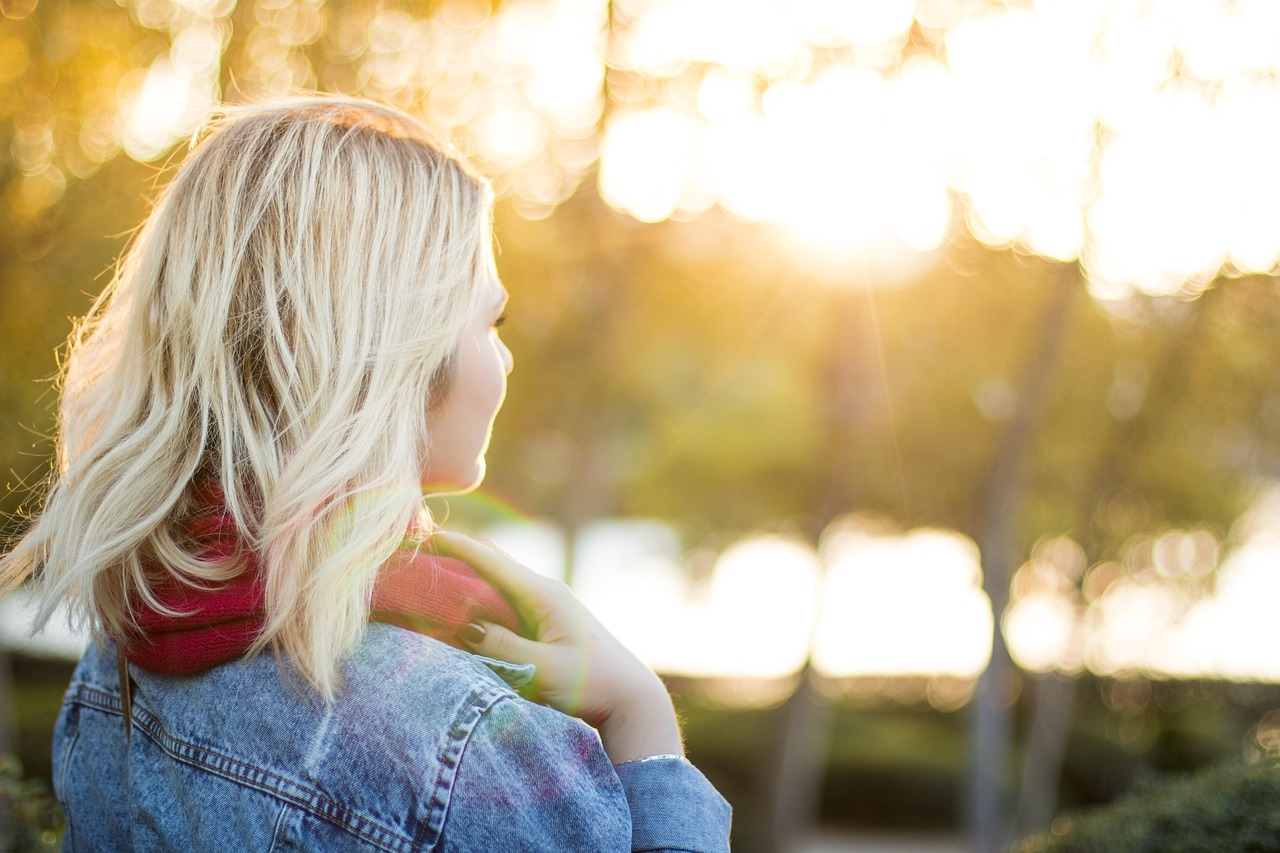
The spring outer layer should be light enough to carry but structured enough to sharpen the outfit. Trench coats, denim jackets, cropped utility jackets, relaxed blazers, quilted liners, and leather or faux leather jackets all work. Match the layer to the mood of the outfit: a trench makes jeans feel classic, a denim jacket relaxes a dress, and a blazer makes wide-leg trousers look more polished.
Build outfits around denim, skirts, and dresses
Denim is one of the easiest foundations for spring because it works with both warm and cool layers. Straight-leg jeans are the most versatile, but wide-leg, cropped, white, and light-wash denim can also feel seasonal. To keep denim from looking too casual, pair it with one refined piece such as a crisp shirt, blazer, slingback, structured bag, or polished belt.
Skirts create movement, which suits the lighter mood of spring. A midi skirt with a tee and cardigan is easy for daytime, while a slip skirt with a fine knit works for evening. If you like shorter hems, balance them with a covered top or flat shoe. If you prefer longer skirts, define the waist with a tucked tee, cropped jacket, or belt so the outfit does not feel heavy.
Dresses are the fastest spring outfit option, but they still benefit from styling. A shirt dress works with loafers for daytime and sandals for dinner. A simple column dress can be changed with a denim jacket, trench, or cropped blazer. A floral dress feels more modern when grounded with simple shoes and minimal jewelry. If florals are not your style, try stripes, solid color, gingham, or a textured knit dress instead.
Choose shoes and accessories that change the mood
Shoes decide whether a spring outfit feels casual, polished, romantic, sporty, or evening-ready. Loafers make jeans and trousers feel smart. Ballet flats soften denim and skirts. White or neutral sneakers keep travel days and errands comfortable. Slingbacks add shape without the formality of a high heel. Flat sandals work best once the weather is consistently warm, especially with linen pants, dresses, and skirts.
Accessories should support the outfit rather than compete with it. A belt can define a loose shirt and wide-leg trousers. A silk-style scarf can add color to a neutral trench. A woven, canvas, or light leather bag can make winter pieces feel more seasonal. Jewelry can stay minimal during the day, then become slightly bolder for evening, especially with simple necklines and solid colors. See also: Fashion Trends.
One of the most useful spring styling habits is to repeat accessories across different outfits. If the same belt, bag, and shoes work with jeans, skirts, and dresses, your wardrobe becomes easier to mix. This is also a practical way to create a consistent personal style without buying more clothes.
Spring outfit ideas by style personality
If your style is classic, start with a trench coat, white shirt, straight jeans, loafers, and a structured bag. Add seasonal interest through a pale blue shirt, cream denim, or a striped knit. The result feels timeless but not plain.
If your style is minimal, focus on clean shapes and quiet contrast. Try black trousers with a white tee and beige jacket, a gray knit with white jeans, or a column dress with flat sandals. Minimal spring dressing looks strongest when the fit, fabric, and proportions are precise.
If your style is romantic, build around soft textures and movement. Midi skirts, wrap tops, cardigans, ballet flats, delicate jewelry, and draped dresses can all work. To keep the look current, balance sweetness with a simple jacket, clean bag, or unfussy shoe.
If your style is sporty, choose elevated comfort rather than gym clothes. Soft trousers, sleek sneakers, half-zip knits, utility jackets, baseball caps, and clean tees can create easy outfits for travel and weekends. Keep the color palette controlled so the look feels intentional.
If your style is bold, use one statement at a time. A bright jacket, patterned skirt, metallic shoe, sculptural bag, or strong color combination can transform simple basics. Let the rest of the outfit stay calm so the focal point feels deliberate.
Common spring styling mistakes to avoid
- Dressing only for the afternoon. Check whether you need a morning layer, covered shoe, or warmer base layer.
- Wearing too many trends at once. One trend-led element is usually enough for a wearable outfit.
- Ignoring fabric weight. Heavy winter knits can make spring outfits look tired, while very sheer summer fabrics may feel too early.
- Choosing the wrong shoe for the day. Wet streets, long walks, and outdoor plans call for practical footwear.
- Letting layers hide the outfit. Make sure the base look works when the coat or jacket comes off.
- Buying single-use pieces. A spring item should work with at least three outfits before it earns a place in your closet.
Frequently asked questions
What should I wear in early spring when it is still cold?
Use a winter-to-spring mix: fine knits, denim, trousers, boots, and a trench or wool-blend light coat. Add spring color through a shirt, scarf, or bag rather than switching immediately to sandals and thin dresses.
How can I make jeans look more spring appropriate?
Choose lighter washes, white denim, cropped hems, or relaxed straight-leg shapes. Pair them with cotton shirts, striped tees, ballet flats, loafers, sneakers, or a light jacket instead of heavy sweaters and dark boots.
Are floral dresses still a good spring outfit idea?
Yes, but they are not the only option. Florals feel freshest when styled simply with clean shoes and light outerwear. If florals are not your style, try stripes, solids, gingham, soft tailoring, or textured neutrals.
What is the easiest spring outfit for work?
Wide-leg trousers, a crisp shirt, loafers or flats, and a lightweight blazer or trench is one of the most reliable formulas. It looks professional, adapts to changing temperatures, and can be softened with color or jewelry.
How many layers should a spring outfit have?
Most spring outfits work best with two or three layers: a breathable base, an optional middle layer, and a light outer layer. The key is making sure each layer looks intentional, not like an afterthought.
Final styling takeaway
Strong spring dressing is less about owning more clothes and more about combining lighter layers, breathable fabrics, practical shoes, and one clear styling idea. Start with outfits you already trust, then update them with color, texture, a different shoe, or a lighter jacket. With a few repeatable formulas, spring outfit planning becomes faster, more flexible, and easier to personalize. For more seasonal styling inspiration, browse additional outfit ideas and adapt the combinations to your own wardrobe.