Are Group Halloween Costumes the Key to Cute and Creative 2026 Family Looks
Cute and Creative 2026 Halloween Costume Ideas for Kids and Families
Group Halloween costumes are evolving into a defining feature of modern family celebrations. In 2026, coordinated ensembles are less about matching outfits and more about storytelling, sustainability, and shared creativity. Families increasingly design their looks around cinematic universes, nostalgic icons, or eco-conscious materials. The trend reflects a broader cultural shift toward collective participation and visual expression. This article explores how social trends, fashion influences, and design innovation are shaping the next generation of group Halloween costumes.
The Growing Popularity of Group Halloween Costumes in 2026
The rise of group Halloween costumes marks a significant change in how families approach festive dressing. No longer limited to children’s play, these ensembles have become a medium for intergenerational connection and digital storytelling.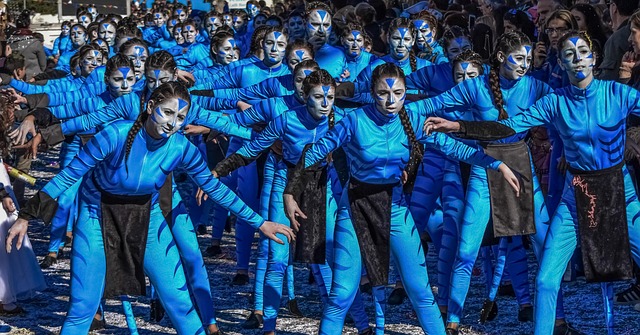
Shifts in Family and Cultural Trends
Families now view group costumes as a way to express unity while celebrating individuality. Social media platforms like Instagram and TikTok amplify this movement through visual storytelling that rewards creativity and coordination. The shift from individual participation to shared experiences mirrors broader lifestyle changes—people value moments of connection over isolated activities. Community events increasingly feature family costume contests, encouraging collaboration across ages.
The Role of 2026 Fashion and Pop Culture Influences
Fashion cycles in 2026 draw heavily from both futuristic aesthetics and early 2000s nostalgia. Streaming platforms continue to fuel costume inspiration, with popular series spawning instantly recognizable looks for every family member. At the same time, sustainability has entered the mainstream; recycled fabrics, natural dyes, and modular accessories dominate costume design discussions. DIY culture also thrives as families mix thrifted pieces with handcrafted elements to create cohesive yet personal designs that align with eco-friendly values.
Designing Cohesive Yet Individualized Family Costumes
Creating successful group Halloween costumes requires balancing unity with personal flair. Each member contributes to the theme while maintaining comfort and self-expression.
Balancing Unity and Personal Expression
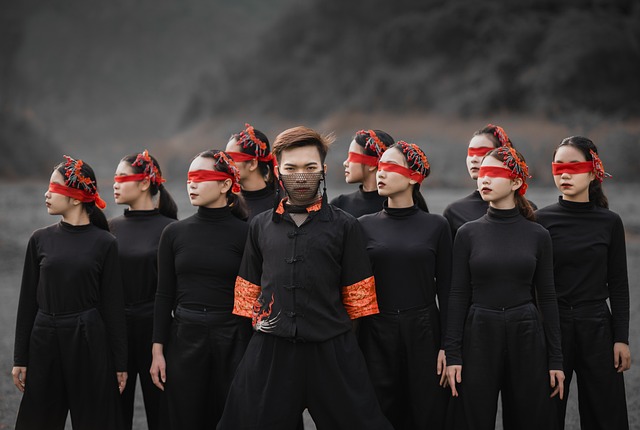
A well-executed family costume maintains thematic cohesion without uniformity. Designers often use consistent color palettes or shared motifs—like celestial patterns or vintage textures—to link individual looks together. Accessories such as hats or props can define each person’s role within the theme while preserving harmony across the group. Modular design principles allow flexibility: a parent’s intricate outfit can complement a child’s simplified version without losing coherence.
The Importance of Age-Appropriate Design for Families
Comfort remains central when designing for mixed-age groups. Lightweight fabrics, breathable linings, and safe closures help children move freely during festivities. Adults may incorporate symbolic references or detailed embellishments that elevate the concept visually without compromising practicality. Age-sensitive coordination ensures inclusivity—grandparents might wear simplified adaptations that fit seamlessly into the family narrative while remaining comfortable for extended wear.
Creative Frameworks for Concept Development
Behind every memorable group costume lies an intentional creative process rooted in storytelling and iterative design thinking.
Storytelling Through Costume Themes
Narrative-driven costumes engage audiences emotionally by transforming familiar stories into wearable art. Families often draw from mythology, fairy tales, or movie franchises that allow clear character differentiation within one cohesive world. For example, a superhero universe theme lets each member embody unique traits while contributing to a collective identity. This approach transforms dressing up into participatory storytelling where every outfit becomes part of a larger narrative arc.
Integrating Design Thinking into Costume Planning
Design thinking brings structure to creative ideation through exploration and feedback loops. Families typically begin with mood boards highlighting colors, materials, and reference imagery before moving to prototyping stages that test proportion and mobility. Iterative adjustments—like refining sleeve lengths or fabric weights—help achieve both aesthetic balance and comfort. Collaborative review sessions among family members ensure satisfaction across generations before final assembly begins.
Material Innovation and Sustainability in Group Costuming
Environmental awareness shapes how families source materials for their group Halloween costumes in 2026.
Eco-Conscious Materials for 2026 Designs
Sustainability now defines costume craftsmanship as much as visual appeal does. Designers increasingly turn to biodegradable fabrics such as organic cotton blends or bamboo fibers that minimize waste after use. Recycled synthetics derived from plastic bottles offer durability with reduced carbon impact. Water-based dyes replace chemical alternatives to protect skin sensitivity during prolonged wear, while upcycling vintage garments adds authenticity through texture diversity.
Technology’s Role in Enhancing Costume Craftsmanship
Technology continues to expand creative possibilities within home crafting environments. Affordable 3D printing allows intricate accessory fabrication—from crowns to armor details—without specialized equipment. Smart textiles embedded with LED threads create dynamic lighting effects synchronized with movement or sound cues during events. Digital pattern-making tools further simplify customization by adjusting templates automatically for different body types across family members.
Psychological and Social Dimensions of Group Costumes
Beyond aesthetics, coordinated costuming strengthens emotional ties within families and communities alike.
Strengthening Family Bonds Through Collective Creativity
Collaborative planning promotes communication among family members who brainstorm ideas together months ahead of Halloween night. Children learn teamwork by participating in crafting tasks suited to their abilities—painting props or selecting fabrics—which boosts confidence through visible contribution. Shared creative rituals foster lasting memories that extend beyond the holiday itself.
Social Recognition and Community Engagement Factors
Group participation enhances visibility at local parades or online showcases where coordinated designs attract admiration from peers. Such recognition reinforces social belonging as families feel connected through shared cultural expression rather than competition alone. Public presentation also contributes to evolving community traditions where creativity becomes an instrument of identity formation within neighborhoods or schools.
Future Directions for Group Halloween Costumes Beyond 2026
The next phase of costume innovation will merge digital creativity with physical craftsmanship while expanding cultural representation.
Predicting Aesthetic Shifts in Family Costume Trends
Post‑2026 trends may blur boundaries between physical attire and virtual avatars used on social platforms or gaming interfaces. AI-assisted design software could democratize access by generating personalized templates based on photos or measurements uploaded via mobile devices. Cross-cultural fusion will likely increase thematic diversity as global media exposure inspires hybrid aesthetics combining folklore motifs with futuristic styling cues.
The Continuing Evolution of Collective Costume Expression
As Halloween evolves into an international celebration of creativity rather than a regional festivity, group costuming stands out as its most collaborative art form. It unites sustainability practices with imaginative storytelling while embracing technological innovation that empowers every participant—from toddlers to grandparents—to contribute meaningfully to the shared vision.
FAQ
Q1: Why are group Halloween costumes becoming more popular among families?
A: Families appreciate them as opportunities for bonding through creative collaboration while showcasing unified themes on social media platforms that reward originality.
Q2: How do sustainable materials influence modern costume design?
A: Eco-friendly fabrics like organic cotton or recycled polyester reduce waste without sacrificing durability or comfort during extended wear periods.
Q3: What role does technology play in contemporary costume creation?
A: Tools such as digital pattern software and home 3D printers simplify customization processes while enabling complex detailing once reserved for professionals.
Q4: How can parents balance visual appeal with practicality for kids’ costumes?
A: Prioritizing breathable materials, flexible seams, and lightweight accessories helps maintain safety without compromising thematic integrity.
Q5: What future innovations might redefine group Halloween costuming?
A: Integration between augmented reality effects and wearable tech could create interactive experiences where physical outfits respond dynamically within digital environments.