New season trends to know for autumn/winter 2026
What defines the new season trends now
The most useful new season trends for autumn/winter 2026 are not asking shoppers to replace everything. The stronger message is to sharpen what is already in the wardrobe. The season is moving in three clear directions: grounded color lifted by bright accents, polished tailoring that feels easier than corporate suiting, and tactile details that make practical layers feel more personal. Runway coverage from September 2026 points to earth tones, modern ladylike dressing, Art Deco evening references, waist emphasis, fringe and expressive accessories. Pantone’s autumn/winter 2026/2027 New York report supports a similar balance, pairing muted neutrals with vivid shades such as Festival Fuchsia, Acacia and All Aboard blue.
For readers following Seasonal Trends, the key takeaway is straightforward: choose one strong update at a time. A shaped blazer, textured coat, jewel-tone knit, decorative belt or practical weather-ready layer can make existing outfits feel current without turning the season into a full wardrobe reset.
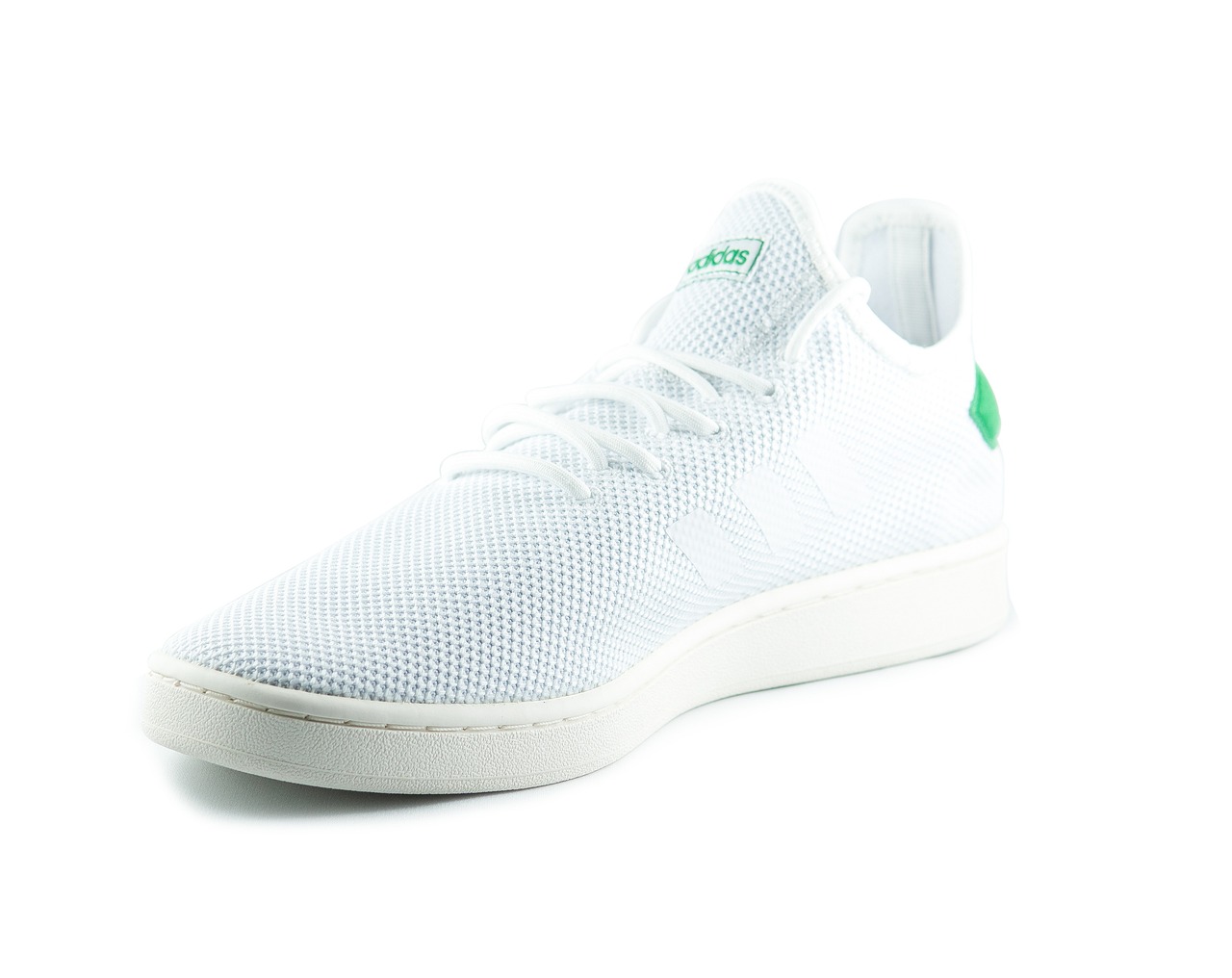
The autumn/winter 2026 trend snapshot
Fashion sources are describing the season in different language, but the useful signals overlap. Vogue’s September 8, 2026 fall forecast highlighted nature-led tones, Art Deco eveningwear, updated ladylike styling, body-conscious pieces and personality accents. British Vogue’s September 13, 2026 autumn/winter report emphasized fantasy, folklore, playful outerwear, fitted basics, printed skirts and a less formal version of ladylike dressing. The Associated Press, reporting on New York Fashion Week on September 16, 2026, noted that the spring/summer 2027 shows were already pushing joyful color, waist focus and fringe. Those early runway ideas matter because they often influence styling language before the next buying season.
| Trend signal | What it means in real outfits | Lower-risk way to try it |
|---|---|---|
| Grounded color plus bright accents | Earthy browns, olive, clay, cream and deep blue are being energized by fuchsia, green-yellow and aquatic tones. | Add one bright knit, scarf, shoe or bag to a neutral base. |
| Modern tailoring | Blazers, vests and structured jackets remain important, but the fit is softer, longer, twisted or worn with denim. | Pair a shaped blazer with relaxed jeans or a fluid skirt. |
| Everyday ladylike | Classic pieces such as pearls, top-handle bags, skirt suits and gloves are styled with less formality. | Use one polished accessory with knitwear, denim or flat shoes. |
| Tactile texture | Fringe, croc-effect finishes, velvet, beading, bouclé and plush outerwear create visual interest. | Choose texture in one item rather than head-to-toe. |
| Weather-aware layers | Seasonal dressing is becoming more adaptable as weather patterns feel less predictable. | Build outfits around removable layers, lighter knits and protective jackets. |
Color is balanced between earth and electricity
The season’s color story is not only dark, quiet or minimal. Pantone’s New York Fashion Week autumn/winter 2026/2027 report, published on February 11, 2026, identified ten standout colors and five core neutrals. The standout group included Muted Clay, Neptune Green, Green Envy, Arabian Spice, Foxglove, Festival Fuchsia, Red Mahogany, Acacia, All Aboard and Burnt Olive. Its supporting neutrals included Egret, Candied Ginger, Toffee, Underworld and Poseidon. That palette helps explain why the new season feels both wearable and expressive: there are enough browns, creams, olives and blues to anchor daily outfits, but also enough fuchsia, yellow-green and aquatic color to keep the mood fresh.
In wardrobe terms, the easiest approach is to treat color in layers. Start with a base of cream, grey, chocolate, navy, olive or clay. Then add one sharper note: a fuchsia cardigan, blue bag, green scarf, red-brown boot or yellow-toned knit. This keeps bright color from looking costume-like and makes the trend more useful for work, travel and weekend outfits.
The color direction also connects to a broader seasonal mood. FashionUnited’s summary of WGSN’s FW26/27 menswear and womenswear presentation described a macro theme focused on adaptable wardrobes for unpredictable weather, with grounded colors and technical-practical layering. That does not mean every outfit has to become utilitarian. It suggests that color and function are now working together: a weather-resistant jacket can be teal, a commuter knit can be clay pink, and a winter coat can be softened with warm brown rather than black.
Tailoring is polished, but no longer rigid
Tailoring remains one of the most visible new season trends, but the message has changed. Instead of severe office suiting, autumn/winter 2026 favors tailoring with a twist: hourglass blazers, longline jackets, vests, hybrid shapes, soft trousers, sculptural skirts and suiting worn with casual pieces. ELLE’s August 2026 fall trend coverage pointed to modern tailoring across Givenchy, Acne Studios, Ferragamo and Erdem, while British Vogue highlighted Dior’s Bar jacket styled with slouchy denim and Chanel’s easier boxy bouclé shapes.
The practical implication is that a tailored piece should not be confined to formal dressing. A blazer can work with a fitted T-shirt and wide jeans. A waistcoat can replace a cardigan over a long-sleeve tee. A tailored skirt can be softened with boots and a knit. The outfit should still look considered, but the styling is more relaxed than traditional suiting.
How to update tailoring without overbuying
- Choose shape over logos. A defined shoulder, nipped waist or long cut will read more current than obvious branding.
- Mix formal and casual textures. Wool suiting looks fresher with denim, jersey, suede or brushed knitwear.
- Use belts carefully. Waist focus is appearing across runways, but a simple leather belt, cummerbund-inspired sash or scarf belt is enough.
- Keep footwear grounded. Loafers, knee boots, sleek flats and refined sneakers make structured clothing easier to wear.
Texture is doing more of the trend work
When color and silhouette are not enough, texture carries the season. Vogue’s fall 2026 forecast described Art Deco evening references through velvet coats, tuxedo shapes, metallic brocade and drop-waist dresses. It also pointed to personality pieces such as brooches, decorative belts, hats and animal prints. ELLE highlighted croc-embossed leather as a fall 2026 texture direction, with examples across jackets, skirts and bags. AP’s September 2026 New York Fashion Week report also noted fringe as a movement-led detail on spring/summer 2027 runways, including dresses and jackets.
For everyday dressing, the most effective trend piece may be tactile rather than loud. A croc-effect belt can change the feel of a plain coat. A velvet flat can update a black dress. A brooch can make a blazer look styled rather than basic. A fringed scarf can add movement without committing to a full fringed jacket. Texture is also useful because it photographs and layers well, making simple outfits look richer without complicated styling.
There is one limitation. Highly textured pieces can date quickly when they are too literal. A subtle croc-effect bag may last longer than a full glossy croc coat. A small Art Deco-inspired earring may be easier to wear than a heavily beaded dress. A soft fringe trim may be more versatile than floor-length fringe. The strongest buys are usually the pieces that can work beyond one season.
Outerwear and layering are becoming more adaptable
Outerwear is central to autumn/winter trends because it is often the first item people notice. This season, the direction is not only about dramatic coats. It includes cropped trenches, funnel-neck jackets, plush bombers, practical weather-resistant shells, boxy bouclé jackets, leather layers and coats in earth or aquatic tones. The common thread is flexibility: pieces should work across changing temperatures, commuting, travel and mixed indoor-outdoor days.
That flexibility reflects a broader shift in seasonal dressing. FW26/27 industry reporting has linked unpredictable weather with adaptable wardrobes, while runway styling shows more removable, transitional and cross-season layers. Instead of thinking in fixed categories such as work coat, evening coat and weekend jacket, the new season approach is modular. A good jacket should support multiple outfits, and a good outfit should still make sense when the top layer comes off. See also: Fashion Trends.
A simple layering formula
- Base layer: fitted tee, fine knit, shirt or soft turtleneck.
- Middle layer: blazer, cardigan, waistcoat, overshirt or light jacket.
- Outer layer: trench, wool coat, leather jacket, bomber or weather-resistant shell.
- Personality layer: scarf, belt, brooch, gloves, hat or textured bag.
This formula helps translate runway ideas into daily use. It also makes trend adoption more sustainable from a wardrobe-planning perspective because each piece has more than one function.
How to decide which trends are worth wearing
The clearest way to evaluate new season trends is to separate signal from styling noise. A signal appears across several sources or categories: runway, color forecasting, retail styling and street-style reporting. Styling noise is a one-off detail that looks interesting in an editorial image but does not solve a wardrobe need. For autumn/winter 2026, strong signals include color contrast, relaxed tailoring, waist emphasis, tactile accessories, adaptable outerwear and expressive but wearable finishing touches.
Before buying, ask three questions. First, does the piece work with at least three items you already own? Second, can it be styled for more than one setting, such as work and weekend? Third, does it still appeal when the trend label is removed? If the answer is yes, it is more likely to become a useful update rather than a short-lived purchase.
For a minimal wardrobe, the most efficient updates are a shaped blazer, a colored knit, a textured belt or a practical jacket in a richer tone. For a more expressive wardrobe, consider Festival Fuchsia, Acacia yellow-green, fringe, animal print, metallic evening texture or sculptural accessories. For a classic wardrobe, try updated ladylike details: pearls with knitwear, a top-handle bag with denim, a skirt suit with flats, or a brooch on a simple coat.
Frequently asked questions
What are the main new season trends for autumn/winter 2026?
The main directions are earthy color with vivid accents, modern tailoring, relaxed ladylike styling, tactile textures, adaptable outerwear, waist emphasis and personality accessories. These trends appear across current runway reports, color forecasting and fashion week coverage.
Which color should I try first?
If you prefer subtle style, start with Muted Clay, Burnt Olive, Toffee, Red Mahogany or Poseidon blue. If you want a stronger update, try Festival Fuchsia, Neptune Green, Green Envy, Acacia or All Aboard blue as a single accent against neutrals.
Are ladylike trends becoming formal again?
No. The current version is less formal and more everyday. Structured jackets, pearls, gloves, skirt suits and top-handle bags are being styled with denim, knits, flat shoes and relaxed layers rather than full occasion dressing.
How can I follow the trends on a smaller budget?
Focus on accessories and styling before major purchases. A belt, brooch, scarf, colored knit, textured bag or secondhand blazer can refresh outfits without requiring a full wardrobe change. The goal is to add one current signal, not every trend at once.
Will spring/summer 2027 trends affect what to wear now?
Yes, but only as early signals. September 2026 New York Fashion Week coverage already points to joyful color, fringe and waist emphasis for spring/summer 2027. For autumn/winter 2026, those ideas work best in smaller doses through accessories, color accents and layered styling.