Summer trends men can wear for a relaxed warm-weather wardrobe
What matters in men’s summer style now
The most useful summer trends men can adopt are less about louder dressing and more about making warm-weather outfits look intentional. The clothes still need to breathe, move and repeat easily. Recent menswear runway coverage and summer style reporting from outlets including Vogue Runway, British Vogue and GQ point to the same broad direction: relaxed polish. That means roomier trousers, sharper shorts, linen and cotton textures, open collars, sandals, loafers, soft tailoring and controlled color. The practical takeaway is straightforward: build around air, proportion and finish. A summer outfit can be as simple as a camp-collar shirt, pleated shorts and leather sandals, but fit, fabric and restraint decide whether it looks considered.
For more seasonal style coverage, browse the Seasonal Trends section.
Why the trend direction is relaxed rather than extreme
The spring and summer menswear cycle for 2026 made one point clear: comfort has not disappeared, but it is being handled with more precision. Reports from the Spring/Summer 2026 men’s shows highlighted fluid tailoring, shorts in several lengths, sandals and softer silhouettes. GQ’s summer 2026 coverage also continued to focus on linen shirts, shorts, polos and casual styling moves, showing how the runway mood had entered the everyday menswear conversation.
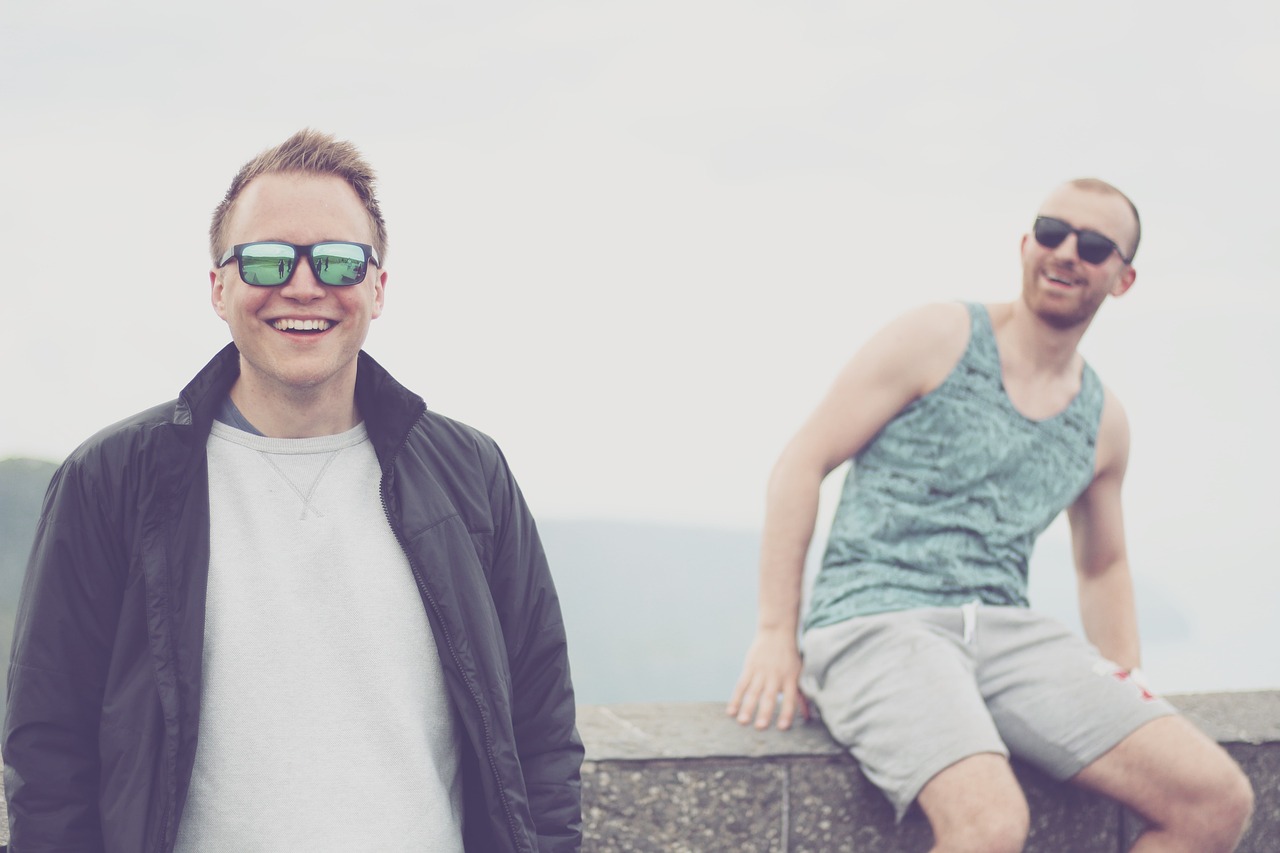
That does not mean every man needs micro-shorts, sheer layers or a runway sarong. Those ideas matter because they signal broader shifts: shorter hemlines are more accepted, sandals can be styled beyond the beach, trousers are wider, and summer tailoring is less stiff. The wearable version is not costume-like. It is a wardrobe that feels cooler on the body and more deliberate to the eye.
This distinction matters for readers searching for men’s summer trends. Most are not looking for a runway recap. They want to know what works for dinner, vacation, a casual office, weekends or travel. The answer is to borrow the direction, not copy the styling literally.
The silhouette shift is loose, clean and intentional
The biggest change in summer menswear is proportion. Slim, body-hugging summer basics are no longer the only default. The stronger modern look uses space: a boxier shirt, a relaxed trouser, a slightly wider short, or a jacket that hangs softly instead of pulling across the body.
Roomier trousers replace skinny summer pants
Wide-leg and relaxed straight trousers are one of the most practical warm-weather updates. They allow airflow, drape better in linen or cotton blends, and can move between casual and smart settings. A drawstring linen trouser can work with a tank top near the beach, while a pleated cotton trouser can pair with a knit polo for dinner.
Balance is the point. If the trousers are wide, keep the shirt clean rather than oversized in every direction. A boxy shirt that ends near the hip often looks sharper than a long, untucked shirt collapsing over the waistband. Shoes matter too: sandals, loafers or minimal sneakers keep the shape grounded.
Soft tailoring makes summer outfits sharper
British Vogue’s coverage of the Spring/Summer 2026 men’s shows emphasized ease in Italian collections, including tailoring with lighter movement. In an everyday wardrobe, that translates into unstructured blazers, linen overshirts, shirt-jackets and lightweight suits that do not feel corporate. A pale cotton suit worn with a T-shirt, or a linen blazer over an open-collar shirt, gives structure without heat-trapping stiffness.
This is especially useful for men who need summer outfits for events, travel or smart-casual offices. The goal is not formal dressing. It is a cleaner layer that can come off when temperatures rise while still leaving the outfit complete.
Shorts are becoming more varied and more styled
Shorts are no longer just an afterthought. GQ’s July 2026 reporting from Paris menswear noted how designers treated shorts as a serious area for experimentation, with tailoring, sportswear and workwear influences appearing around the knee, above the knee and below it. The everyday lesson is to choose shorts by setting, not habit.
| Shorts style | Best use | How to wear it well | What to avoid |
|---|---|---|---|
| Pleated shorts | City days, dinners, smart casual weekends | Pair with a knit polo, camp-collar shirt or linen blazer | Overly tight fits that fight the pleats |
| Drawstring linen shorts | Beach towns, resorts, relaxed travel | Wear with a matching or tonal shirt for an easy set | Thin fabric that becomes transparent in sunlight |
| Utility shorts | Outdoor weekends and casual errands | Keep the top simple: a plain tee, overshirt or tank | Bulky pockets with heavy shoes in high heat |
| Shorter athletic shorts | Active days, casual summer styling | Balance with a boxy tee, sweatshirt or open shirt | Treating gym shorts as formalwear |
The safest upgrade is a mid-thigh to just-above-knee pleated short in cotton, linen or a breathable blend. It feels current without forcing an extreme length. For men who prefer more coverage, a longer Bermuda-style short can still look modern if the leg opening is clean and the shoe is light.
Fabric and texture carry more weight than logos
Summer style succeeds or fails through fabric. A plain shirt in the right cloth often looks better than a trend-heavy piece in the wrong one. Linen remains central because it breathes, softens with wear and gives summer outfits a relaxed surface. Cotton poplin, seersucker, lightweight denim, terry cloth, open-weave knits and cotton-linen blends also fit the moment.
Recent menswear coverage has repeatedly pointed to linen shirts, camp collars and relaxed warm-weather layers. These are not new items, but the styling has shifted. Instead of treating linen only as a vacation fabric, men are wearing it with tailored trousers, leather sandals, loafers, tanks and lightweight jackets.
Open-collar shirts are the easiest trend entry point
A camp-collar shirt is one of the simplest ways to update a summer wardrobe. It frames the neck, works untucked, and looks better in heat than a stiff business shirt. Solid colors are easiest to repeat. Stripes, botanical prints or textured weaves can add interest without turning the outfit into resort costume.
Knits and crochet need restraint
Open-knit polos, crochet-style shirts and textured tanks have become more visible in summer menswear. The wearable approach is to use one textured piece at a time. A crochet shirt with plain trousers can look relaxed and modern. A crochet shirt with printed shorts, jewelry, statement sandals and a loud bag can quickly feel overworked.
Footwear is lighter, but still considered
Footwear is where many summer outfits lose focus. Heavy leather sneakers, thick soles or winter-weight boots can make even good linen look confused. Recent runway and editor coverage has given more attention to sandals, flip-flop shapes, loafers and lighter shoes. Vogue Runway’s Spring 2026 menswear trend reporting, for example, discussed sandals and flip-flops as part of the season’s direction. See also: Fashion Trends.
For everyday wear, the most useful options are leather sandals, suede loafers, boat shoes, minimal canvas sneakers and refined slides. Flip-flops can work at the beach or pool, but leather sandals are more flexible for restaurants, city walks and travel. Loafers with thin socks can sharpen shorts or relaxed trousers, especially when the rest of the outfit is casual.
Accessories should follow the same rule: useful first, decorative second. A woven belt, canvas tote, small crossbody bag, cap, sunglasses or simple chain can finish a summer look. Avoid adding every accessory at once. Warm-weather style usually looks best when one element is expressive and the rest stays calm.
Color is softer, sun-faded and easier to combine
The color story is not only about brights. Summer menswear is moving toward palettes that feel sun-washed rather than neon: ecru, sand, tobacco, pale blue, washed navy, sage, olive, clay, soft pink and faded yellow. Saturated color still has a place, especially in shirts and swimwear, but the most wearable outfits usually start with neutrals and add one seasonal tone.
This is where many men can improve quickly. Instead of buying a loud statement shirt that works only one way, choose a color that connects with what is already in the wardrobe. Pale blue works with navy, white, stone and denim. Olive works with cream, black, tan and washed blue. Sand and ecru can replace stark white when the outfit needs warmth.
Treat prints as rhythm, not volume. Stripes, small checks, subtle florals and irregular vacation prints can all work, but they are easiest when the rest of the outfit is quiet. If the shirt carries the print, keep the shorts or trousers plain. If the shorts are patterned, make the top solid and simple.
How to build a wearable trend-led summer wardrobe
The smartest way to approach trends is to build a small system. Start with pieces that combine easily, then add one or two items that bring personality. This keeps summer shopping from turning into a pile of single-use vacation clothes.
- One linen or cotton camp-collar shirt: Choose white, pale blue, olive, stripe or a quiet print.
- One relaxed trouser: Linen, cotton twill or a blend in stone, navy, tobacco or black.
- One pleated short: Aim for a clean leg opening and a length that suits your height.
- One textured top: A knit polo, terry shirt or open-weave layer adds depth.
- One light overshirt or unstructured jacket: Useful for evenings, travel and air-conditioned spaces.
- One warm-weather shoe upgrade: Leather sandals or loafers will do more than another pair of standard sneakers.
- One practical accessory: A tote, cap or woven belt can make simple outfits feel finished.
When shopping, judge each item by three questions. Does it work with at least three pieces you already own? Can you wear it in real heat? Does it still look good without complicated styling? If the answer is no, it may be a trend image rather than a useful wardrobe piece.
Fit checks are essential because lighter summer fabrics reveal poor fit quickly. Shirts should have enough room across the chest without hanging shapelessly. Shorts should not flare like a skirt or cling like compression wear. Trousers should drape from the waist rather than bunching at the thigh. Small tailoring adjustments can make affordable summer clothing look much more intentional.
Frequently asked questions
What are the easiest summer trends for men to try first?
Start with a camp-collar shirt, pleated shorts, relaxed linen trousers or leather sandals. These pieces reflect the current move toward relaxed polish but are easy to wear with basics you may already own.
Are short shorts still in style for men?
Shorter shorts have stayed visible in runway and editorial coverage, but they are not the only option. A slightly above-knee pleated short is the most wearable compromise for many men. It feels current without looking extreme.
Can men wear linen outside vacation outfits?
Yes. Linen works well in city outfits when the styling is clean. Try a linen shirt with tailored trousers, a linen overshirt with a tank and chinos, or linen-blend trousers with loafers. The key is to avoid making every piece look beach-only.
What shoes work best with men’s summer outfits?
Leather sandals, loafers, boat shoes, canvas sneakers and refined slides are the most versatile options. The right choice depends on setting: sandals for relaxed days, loafers for sharper outfits, and canvas sneakers for casual walking.
How can men follow summer trends without overbuying?
Choose one silhouette update, one fabric update and one footwear update. For example, pair relaxed trousers with an open-collar shirt and leather sandals. That gives the outfit a modern summer direction without requiring a full wardrobe reset.