1960 fashion trends that reshaped everyday style
What defined 1960 fashion trends?
1960 fashion trends were shaped by a clear move away from polished adult elegance toward youth-led experimentation. The decade opened with neat skirt suits, pillbox hats, gloves and carefully matched accessories. It then moved into mod shift dresses, shorter hemlines, graphic color, go-go boots and futuristic space age shapes. By the late 1960s, hippie and bohemian influences brought denim, suede, fringe, embroidery, paisley, tie-dye and longer, looser silhouettes into everyday dress.
The biggest change was not a single garment. It was a different fashion system. Teenagers, music scenes, street style and boutiques became powerful trend engines alongside couture houses. For anyone looking at vintage inspiration through a modern lens, the 1960s remain useful because the decade offers several distinct style languages rather than one fixed costume. This Fashion Trends guide explains the major looks, why they emerged and how they still influence wardrobes today.
A decade of contrast rather than one single look
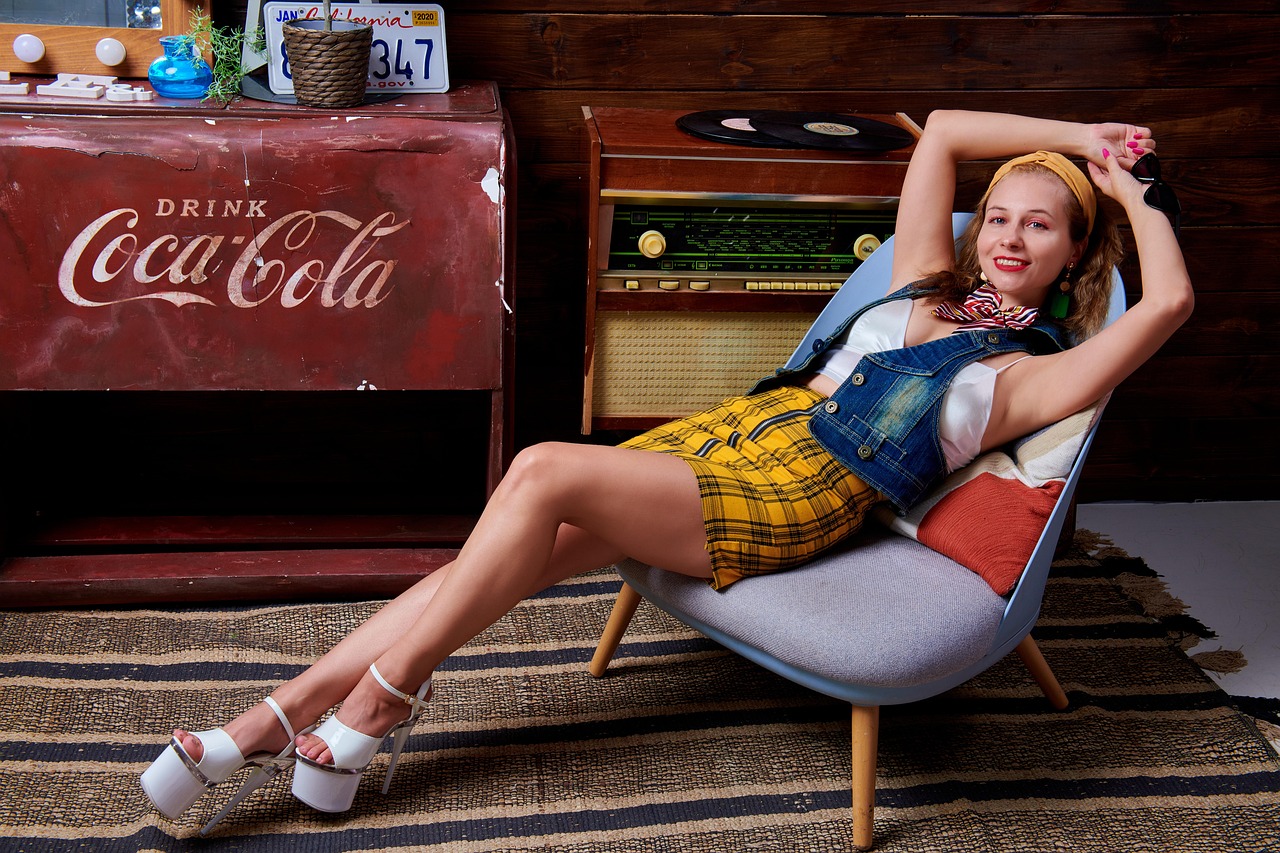
The 1960s are often reduced to miniskirts, Twiggy-style lashes and psychedelic prints, but that shorthand misses how much the decade changed from beginning to end. Early 1960s dressing still carried over the formality of the 1950s. Many women wore structured dresses, skirt suits, modest hemlines, matching handbags and shoes, and polished hair. The mood was refined, controlled and socially presentable.
By the middle of the decade, fashion became sharper and younger. London boutiques, especially those linked with Chelsea and Carnaby Street culture, helped make fashion faster, more playful and more accessible. Mary Quant is strongly associated with this shift, but museum histories such as those from the Victoria and Albert Museum also stress that the miniskirt’s rise was not the work of one designer alone. Quant, André Courrèges, John Bates and street-level youth culture all helped popularize shorter hemlines and a new attitude toward dress.
In the late 1960s, style turned again. Counterculture, anti-establishment politics, rock music, craft traditions and global textile influences helped produce a looser bohemian look. Instead of the clean geometry of mod fashion, late-decade style often favored long hair, layered jewelry, handmade details, ethnic-inspired prints, maxi dresses, bell-bottoms and worn-in denim. That range is why the decade feels so visually rich: it contains Jackie Kennedy polish, London mod minimalism, space age futurism and flower-power softness within only ten years.
Key silhouettes and garments of the 1960s
The shift dress
The shift dress became one of the decade’s most recognizable shapes because it matched the new preference for movement and simplicity. Instead of emphasizing a tightly cinched waist, the shift skimmed the body in a straight or lightly A-line line. It could look conservative in a solid fabric or distinctly modern in bright color, bold checks, vinyl-like finishes or graphic trim. Its appeal came from versatility: it worked with flats, low heels, tights or boots, and it suited the decade’s increasingly youthful image.
The miniskirt and shorter hemlines
The miniskirt is the most famous symbol of 1960 fashion trends, but it is best understood as part of a wider youth movement. Shorter hemlines signaled freedom, speed and modernity. They also worked with the rise of opaque tights, flat shoes and go-go boots, which made the look feel more practical than earlier dress codes might suggest. Not every woman wore extreme minis. Hemlines varied by age, location, class, workplace and personal comfort. The miniskirt dominated fashion imagery because it photographed dramatically and captured the rebellious energy of the period.
Go-go boots and fashion tights
White or pale go-go boots became a visual shortcut for mid-1960s mod style. They balanced short dresses and skirts while adding a clean, futuristic line. Tights mattered as well. Colored, patterned and opaque tights turned legs into part of the outfit rather than a neutral background. This helped short hemlines feel complete and encouraged designers and retailers to think in total looks: dress, tights, shoes and accessories working together.
Bell-bottoms, denim and the late-1960s trouser shift
By the late 1960s, trousers became more visible in women’s casual fashion, although acceptance varied by setting. Bell-bottom jeans, hip-hugger pants and flared trousers reflected both counterculture style and the growing influence of music scenes. Denim shifted from workwear and youth casualwear into a stronger style statement. The late-decade trouser look was less polished than mod tailoring and more relaxed, often paired with embroidered tops, suede vests, peasant blouses or military-surplus jackets.
Mod, space age and hippie style compared
Three major movements explain much of the decade’s visual language. They overlapped, but each had a distinct mood and message.
| Style movement | Peak influence | Key features | Fashion message |
|---|---|---|---|
| Mod | Mid-1960s | Shift dresses, miniskirts, sharp tailoring, bold color blocks, geometric patterns, go-go boots | Youthful, urban, clean and fast-moving |
| Space age | Mid-to-late 1960s | White, silver, vinyl-like surfaces, helmets, cutouts, streamlined shapes, plastic accessories | Futuristic, technological and optimistic |
| Hippie and bohemian | Late 1960s | Denim, fringe, suede, embroidery, paisley, tie-dye, maxi dresses, beads, natural hair | Anti-establishment, expressive and craft-oriented |
Mod style was disciplined even when it was playful. It favored clean lines, strong contrast and a graphic impact that worked well in magazines and on television. Space age fashion pushed that modernity further. Designers associated with futuristic dressing explored white-on-white outfits, metallic-looking materials, sleek boots and sculptural shapes that echoed the excitement surrounding space exploration.
Hippie style moved in the opposite direction. It softened the body line, welcomed imperfection and valued signs of travel, craft and individuality. Where mod dressing could look like a designed system, hippie dressing often looked collected over time. That contrast is one reason both styles continue to inspire fashion: one offers crisp visual order, while the other offers personal expression.
Colors, prints and materials that made the decade recognizable
Color is essential to understanding 1960s style. Early in the decade, pastel suits, cream, navy and refined neutrals still felt appropriate for polished wardrobes. Mid-decade mod fashion introduced stronger contrasts: black and white, primary colors, orange, hot pink, acid green and graphic combinations. The famous black-and-white mod palette was especially effective because it looked modern without relying on complicated construction.
Prints changed as the decade progressed. Checks, stripes, dots and geometric motifs suited the clean mod silhouette. Later, paisley, florals, batik effects and psychedelic swirls became more common in counterculture-inspired dressing. These prints were not only decoration; they reflected different cultural moods. Geometric mod prints suggested speed, youth and urban modernity. Psychedelic and bohemian prints suggested music festivals, alternative lifestyles and a rejection of strict social codes.
Materials also helped shape the decade. Traditional wool, silk and cotton remained important, but fashion imagery increasingly featured synthetic fibers, shiny surfaces, plastic accessories and experimental finishes. Space age designers used materials that looked new, smooth and technical. Boutique fashion made novelty materials feel fun rather than purely elite. At the same time, late-1960s bohemian dressing leaned into suede, denim, crochet, embroidery and handworked textures, showing that the decade’s modernity could be futuristic or earthy depending on the wearer.
Men’s 1960s fashion trends mattered too
Men’s fashion also changed dramatically during the decade. At the start of the 1960s, a neat suit, narrow tie and polished shoes still defined respectable menswear. The influence of Italian tailoring and British mod culture sharpened this look with slimmer suits, clean lines, fitted jackets and narrow trousers. Chelsea boots, turtlenecks and collarless jackets became part of a younger masculine wardrobe associated with music and urban cool.
The Beatles and other British bands helped make men’s hair, boots, jackets and suits part of pop culture conversation. As the decade progressed, men’s clothing became more colorful and expressive. Military jackets, paisley shirts, velvet, flared trousers, beads and longer hair challenged conservative ideas about masculinity. This did not mean every man dressed flamboyantly, but it did expand the range of acceptable style references. See also: Outfit Ideas.
By the late 1960s, the boundary between fashion, music and identity was hard to separate. A man’s jacket, boots or hairstyle could signal whether he leaned toward mod polish, psychedelic rock, folk culture or anti-establishment youth style. That connection between menswear and subculture remains a major legacy of the period.
Beauty, hair and accessories completed the look
Hair and makeup were not side details in the 1960s; they helped define the silhouette. Early-decade hair often involved volume, smooth setting and controlled shapes. The beehive, bouffant and carefully arranged updo belonged to a world of polished presentation. Mid-decade mod beauty introduced a more graphic face: pale lips, defined creases, heavy eyeliner and dramatic lashes. Twiggy’s widely recognized image helped turn big, doll-like eyes into a defining beauty reference.
Short geometric haircuts also mattered. Vidal Sassoon’s precision cutting became associated with a modern, architectural approach to hair. These cuts worked with the clean lines of shift dresses and mod tailoring because they treated the head and body as one total design. Accessories followed the same logic: oversized sunglasses, plastic bangles, round handbags, white boots and patterned tights made outfits feel current.
Late-1960s beauty relaxed the structure. Long natural hair, center parts, headbands, scarves, flowers, beads and layered necklaces became central to bohemian styling. Makeup did not disappear, but the message shifted from polished control to personal expression. The decade’s beauty story therefore mirrors its clothing story: structured elegance, then graphic youth style, then looser counterculture influence.
A practical 1960s fashion timeline
The timeline below gives a simplified but useful way to understand the decade. Dates are approximate because trends did not begin and end everywhere at once. Fashion changed faster in major cities, music scenes and magazines than it did in many workplaces, schools or smaller communities.
| Period | Dominant fashion mood | What to look for |
|---|---|---|
| 1960-1962 | Polished early-sixties elegance | Skirt suits, neat dresses, gloves, pillbox hats, matching accessories, controlled hair |
| 1963-1965 | Youthquake and boutique fashion | Shift dresses, brighter colors, shorter skirts, Chelsea and Carnaby Street influence, slim menswear |
| 1965-1967 | Mod and space age visibility | Miniskirts, go-go boots, graphic patterns, white boots, futuristic shapes, dramatic eye makeup |
| 1967-1969 | Hippie, bohemian and rock influence | Bell-bottoms, denim, suede, fringe, embroidery, paisley, tie-dye, maxi dresses, long hair |
This timeline is also helpful for styling. A 1961-inspired outfit should not look the same as a 1968-inspired outfit. Early-decade elegance may call for a fitted jacket and low heel, while mid-decade mod works better with a short A-line dress and boots. Late-decade bohemian style needs softer layers, flares and texture.
How to wear 1960s inspiration today without looking like a costume
The easiest modern approach is to borrow one strong 1960s idea at a time. A geometric shift dress can feel contemporary with simple loafers or ankle boots. A miniskirt can look modern when balanced with a clean knit, opaque tights and a tailored coat. A pair of white boots can reference mod fashion without requiring a full retro outfit.
- For a mod reference: choose an A-line mini, a structured jacket, black-and-white contrast or a bold geometric print.
- For a space age reference: use white, silver, smooth leather, patent finishes or a streamlined silhouette, but keep the rest minimal.
- For a bohemian reference: try flared denim, suede, embroidery, paisley or a long printed dress with simple modern accessories.
- For an early-sixties reference: focus on clean tailoring, a boxy jacket, a slim skirt, pearls or a structured handbag.
Proportion is the key. Many original 1960s outfits were styled as complete looks from hair to shoes. Today, a head-to-toe replica may feel theatrical unless the occasion calls for it. Mixing one vintage-coded piece with modern basics keeps the reference clear but wearable. For more trend-led styling ideas, browse the broader fashion trends section.
Frequently asked questions
What were the most popular 1960 fashion trends?
The best-known trends include shift dresses, miniskirts, go-go boots, opaque tights, bold geometric prints, slim mod suits, space age shapes, bell-bottoms, denim, fringe, paisley and tie-dye. Popularity depended on the year, location and wearer. Early 1960s style was generally more formal, while late 1960s style became more relaxed and expressive.
Who influenced 1960s fashion the most?
Influence came from designers, boutiques, models, musicians and youth subcultures. Mary Quant, André Courrèges and other designers helped define key looks, while figures such as Twiggy and major pop musicians spread those styles visually. Street style and boutique retail were especially important because they made young people active participants in trend creation.
Was the miniskirt invented in the 1960s?
The miniskirt became famous in the 1960s, but fashion historians generally treat its rise as a shared development rather than a single invention. Mary Quant is closely associated with popularizing it in London, while André Courrèges, John Bates and youth culture also contributed to the shorter-hemline movement.
How did 1960s fashion differ from 1950s fashion?
1950s fashion often emphasized a mature, structured femininity with defined waists, fuller skirts and formal accessories. The 1960s gradually moved toward straighter silhouettes, youth culture, shorter hemlines, brighter colors, experimental materials and more casual dressing. By the end of the decade, personal expression mattered more than strict polish.
Why are 1960s fashion trends still relevant?
The decade still matters because many modern ideas can be traced to it: youth-led fashion, street style influence, boutique culture, bold styling, gender expression in menswear and the mixing of fashion with music identity. Its best looks are easy to adapt because they are built around strong silhouettes and clear visual codes.