90s clothing trends that still shape modern style
The short answer: the 90s were about dressing down with identity
The defining 90s clothing trends included grunge layers, minimalist slip dresses, straight-leg and baggy denim, hip-hop silhouettes, plaid shirts, baby tees, track jackets, combat boots, Mary Janes, and chunky sneakers. The decade was not shaped by one look. Its influence came from the tension between polish and anti-polish: clean minimalism existed alongside thrifted flannel, while hip-hop and sportswear brought oversized proportions into mainstream style. Museum and fashion-history sources often describe the 1990s through minimalism, grunge, deconstruction, streetwear, and a renewed interest in luxury. For a modern wardrobe, the point is not costume dressing. It is choosing one or two recognizable 90s elements and grounding them with current fit, fabric, and proportion.
Why 90s clothing trends still feel relevant
The 1990s followed the louder glamour of the 1980s, so many influential looks felt deliberately pared back. Shoulders softened, tailoring became cleaner, color palettes became quieter, and casual clothing moved closer to the center of fashion. At the same time, youth culture, music videos, sitcoms, skate style, and hip-hop made the link between street dressing and fashion media more visible.
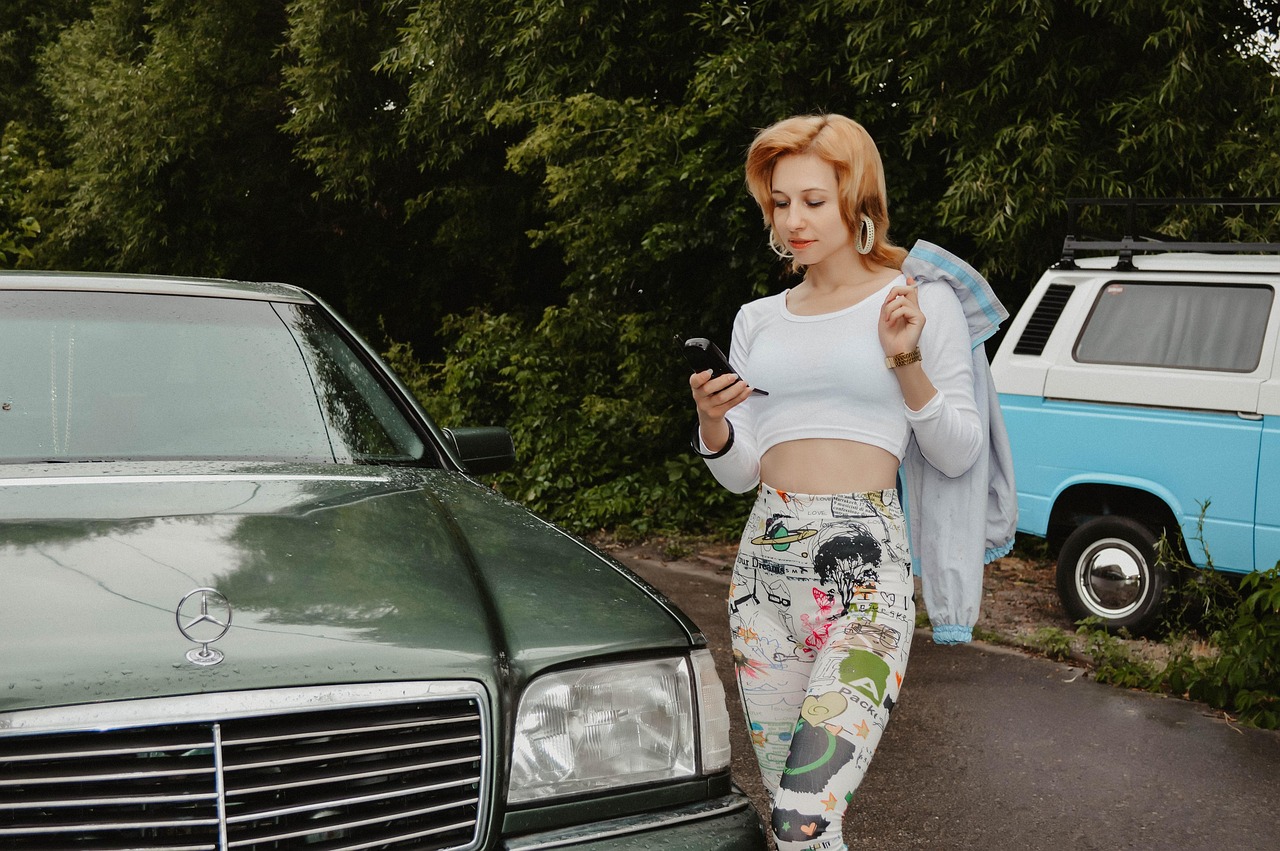
That is why the decade still works as a style reference. A 90s outfit can be sleek, messy, sporty, preppy, or romantic, but it usually starts with practical pieces: denim, cotton tees, tanks, knits, leather jackets, flannel shirts, track pants, and simple dresses. Those items make the look adaptable rather than locked into nostalgia.
The decade had three major style languages
- Minimalism: Slip dresses, column skirts, ribbed tanks, tailored coats, monochrome palettes, and clean lines.
- Grunge: Flannel shirts, layered knits, worn denim, combat boots, thrifted pieces, and intentionally imperfect styling.
- Hip-hop and sportswear: Baggy jeans, oversized jackets, tracksuits, athletic logos, sneakers, caps, gold jewelry, and strong brand visibility.
There were also important side currents: preppy school-style dressing, mall fashion, rave-influenced color, late-decade metallics, and early Y2K silhouettes. A strong 90s-inspired wardrobe does not need to include all of them. It needs a clear point of view.
The key 90s clothing trends to know
The table below organizes the most wearable 90s references by how they looked then and how they can work in a modern outfit.
| Trend | What it looked like in the 90s | How to wear it now |
|---|---|---|
| Slip dresses | Spaghetti straps, bias cuts, satin finishes, ankle or midi lengths | Layer with a fine knit, blazer, leather jacket, or simple sandals instead of over-accessorizing |
| Flannel and plaid | Oversized shirts worn open, tied at the waist, or layered over dresses and tees | Choose one relaxed plaid layer with straight jeans, a tank, or a simple skirt |
| Baggy denim | Loose jeans, carpenter pants, skater cuts, wide legs, and relaxed overalls | Balance volume with a fitted tee, cropped knit, sharp coat, or structured bag |
| Baby tees and tanks | Small fitted tops, ribbed cotton, cap sleeves, and cropped proportions | Pair with high-rise denim, tailored trousers, or a midi skirt for a cleaner silhouette |
| Sportswear | Track jackets, windbreakers, varsity details, caps, and sneakers | Mix one athletic piece with tailoring or plain denim to avoid looking like gym wear |
| Combat boots and Mary Janes | Heavy boots for grunge; rounded Mary Janes for school-style and indie looks | Use footwear to set the mood: boots add edge, while Mary Janes soften denim or dresses |
| Mini bags and shoulder bags | Compact nylon, leather, or baguette-style bags worn close to the body | Keep hardware and color simple so the bag feels nostalgic but not theatrical |
The strongest 90s outfits usually rely on contrast. A slip dress becomes more casual with boots. A plaid shirt looks sharper with dark denim. A track jacket feels more intentional with tailored trousers. The decade’s style works because it is built on that friction.
A brief timeline of 90s fashion shifts
Understanding the timeline helps avoid a common mistake: treating the whole decade as one mood. Early, mid, and late 90s fashion had different energies.
| Period | Style direction | What changed |
|---|---|---|
| 1990-1992 | Transition from 80s excess | Cleaner lines, softer tailoring, supermodel glamour, and early grunge influences started to reshape the fashion conversation. |
| 1992-1994 | Grunge becomes visible | Marc Jacobs showed a grunge-influenced Perry Ellis collection for spring 1993 in November 1992, a moment often discussed by CFDA and fashion-history writers as a turning point. |
| 1993-1996 | Minimalism and slip dressing rise | Simple dresses, ribbed tanks, column shapes, neutral colors, and understated styling became central to the decade’s polished side. |
| 1995-1997 | Pop culture and preppy references expand | Plaid skirts, knee socks, tiny backpacks, baby tees, and glossy teen style gained visibility through film, television, and music culture. |
| 1998-1999 | Late-90s shine moves toward Y2K | Metallics, low-rise shapes, glossy fabrics, narrow sunglasses, and tech-influenced styling prepared the way for early-2000s fashion. |
This timeline also explains why a 90s-inspired outfit can feel minimal one day and playful the next. A black slip skirt with a tank belongs to one side of the decade; baggy cargos and a track jacket belong to another. Both are valid, but they signal different references.
How to build a modern 90s-inspired outfit
Start with one anchor piece. That might be a slip dress, relaxed jeans, a plaid shirt, a leather blazer, a ribbed tank, or chunky shoes. Then build the rest of the outfit around balance. If the jeans are wide, keep the top more fitted. If the dress is delicate, add a practical jacket. If the jacket is oversized, use a cleaner pant or skirt.
Color is another simple way to make the look feel intentional. Early 90s minimalism often works best in black, white, gray, navy, brown, cream, and muted earth tones. Grunge can carry deeper plaid, faded denim, forest green, burgundy, and worn black. Sportier 90s outfits can use primary colors, contrast piping, and logo details, but restraint usually makes them easier to wear.
For more seasonal styling ideas and trend context, explore the Fashion Trends section.
Easy outfit formulas
- Minimal 90s: Slip skirt, ribbed tank, flat sandals, small shoulder bag, and a clean cardigan.
- Grunge-lite: Plaid shirt, white tee, straight jeans, combat boots, and a simple beanie.
- Sporty 90s: Track jacket, relaxed denim, plain tee, low-profile sneakers, and a baseball cap.
- Preppy 90s: Pleated skirt, fitted knit, loafers or Mary Janes, knee socks, and a small bag.
- Denim-focused: Loose jeans, leather belt, baby tee, oversized blazer, and chunky sneakers.
The best formula is the one that fits your real lifestyle. A full grunge outfit may feel natural on weekends but too casual for work. A minimal slip skirt may be easier to adapt for dinner, travel, or a creative office. See also: Outfit Ideas.
What to avoid when wearing 90s trends now
The main risk is copying too many references at once. A plaid mini skirt, tiny sunglasses, choker, baby tee, platform shoes, mini backpack, and heavy lip liner can quickly read as costume rather than style. Editing is what makes the look current.
Fit matters as much as styling. Original vintage pieces can be appealing, but sizing from past decades is inconsistent, fabrics may have less stretch, and proportions may not match modern styling preferences. Try pieces for shape rather than label size, and avoid forcing a trend that does not move comfortably.
It is also worth recognizing the cultural sources behind major trends. Oversized denim, tracksuits, sneaker culture, gold jewelry, and logo dressing were strongly shaped by hip-hop, Black style innovators, athletes, and music-video visibility. Treating those references as generic nostalgia misses part of the story.
Frequently asked questions
What are the most recognizable 90s clothing trends?
The most recognizable trends include slip dresses, flannel shirts, plaid skirts, baggy jeans, overalls, baby tees, ribbed tanks, track jackets, combat boots, chunky sneakers, chokers, mini backpacks, and small shoulder bags. Minimalist tailoring and simple neutral outfits were just as important as grunge and pop-culture looks.
Was 90s fashion more minimalist or grunge?
It was both. Minimalism shaped the polished side of the decade through clean dresses, simple coats, and quiet palettes. Grunge shaped the casual side through flannel, worn denim, boots, and layered thrift-store styling. The contrast between the two is one reason 90s fashion remains so flexible.
Are baggy jeans a 90s trend?
Yes, relaxed and baggy denim was a major part of 90s style, especially through hip-hop, skate, and youth culture. Straight-leg jeans, carpenter pants, overalls, and wide silhouettes were common alternatives to tighter denim. Today, they work best when balanced with a more intentional top or jacket.
How can I wear 90s style at work?
Choose the cleaner side of the decade. Try a slip skirt with a knit top, a leather blazer over tailored trousers, a ribbed tank under a cardigan, or straight-leg denim if your workplace allows jeans. Keep accessories simple and avoid head-to-toe nostalgia.
What colors defined 90s fashion?
Black, white, gray, brown, navy, cream, burgundy, forest green, faded blue denim, and muted plaid were central to many 90s wardrobes. Late in the decade, metallics, icy pastels, and glossy synthetic fabrics became more visible as fashion moved toward Y2K style.