
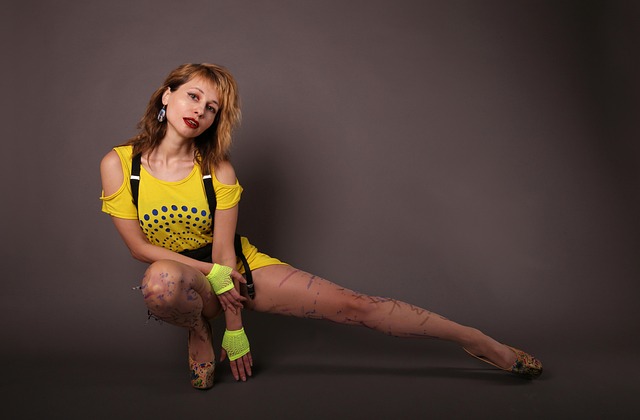
Are 80s Styles Defining a New Era of Fashion Between Gen Z and Gen X
New Gens Are Embracing ’80s Fashion and Gen X Is Having a Blast With It
The revival of 1980s fashion is more than a fleeting trend; it is a cultural conversation between generations. Today’s youth, particularly Gen Z, are remixing the bold silhouettes and vibrant colors of the decade, while Gen X finds renewed joy in styles that once defined their formative years. This cross-generational embrace of 80s styles reflects both nostalgia and reinvention, blending vintage aesthetics with modern sensibilities. The phenomenon underscores how fashion operates as both memory and innovation—where shoulder pads meet sustainability, and neon meets nuance.
The Resurgence of 1980s Fashion in Contemporary Culture
Fashion’s cyclical rhythm ensures that what once faded inevitably returns. The resurgence of 1980s aesthetics reveals how cultural nostalgia, amplified by digital media, fuels modern reinterpretations of past icons.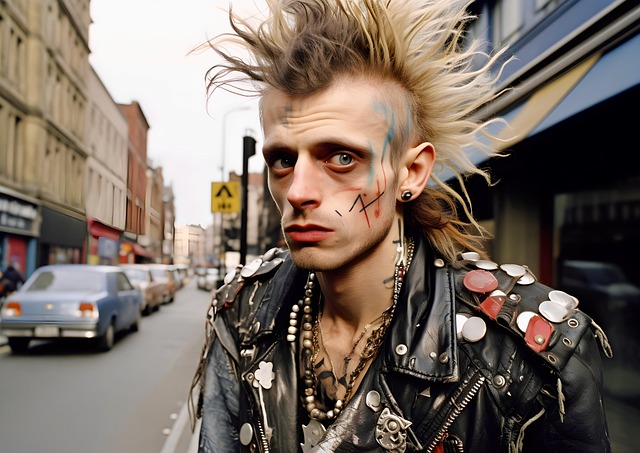
Cultural Nostalgia and Its Influence on Modern Fashion Cycles
The cyclical nature of fashion means trends rarely vanish; they hibernate. The 1980s’ return mirrors this pattern, as consumers seek emotional familiarity amid rapid technological change. Media revivals—from streaming series set in that decade to remastered music videos—reintroduce visual cues that inspire today’s designers. Nostalgia marketing further strengthens this link by connecting emotional memory with consumption, making retro appeal a commercial strategy rather than mere sentimentality.
The Role of Social Media in Reviving Retro Aesthetics
Platforms like TikTok and Instagram act as cultural accelerators for retro trends. Vintage-inspired content circulates rapidly through algorithmic feeds, exposing younger audiences to 80s styles they never lived through. Influencers often reinterpret these looks with modern twists—pairing oversized blazers with sneakers or layering metallic fabrics with minimalist accessories. This digital amplification bridges time periods and democratizes access to fashion history.
Cross-Generational Appeal: Gen Z Meets Gen X
The meeting point between Gen Z’s experimentation and Gen X’s nostalgia defines the current 80s revival. Both groups find different meanings in similar aesthetics, generating an intergenerational dialogue about authenticity, identity, and creativity.
Cross-Generational Appeal: Gen Z Meets Gen X
While the two generations share visual preferences, their motivations differ deeply. For some, it’s rebellion; for others, remembrance.
Shared Aesthetic Values and Differing Motivations
Gen Z gravitates toward 1980s fashion as an outlet for individuality and nonconformity. Their styling choices often challenge fast-fashion uniformity by embracing thrifted or reworked vintage garments. In contrast, Gen X reconnects with personal memories through familiar silhouettes such as high-waisted jeans or leather jackets. Together they create a space where authenticity coexists with reinterpretation—one generation preserving while the other reinvents.
How Generational Perspectives Shape Styling Choices
Styling choices reflect generational psychology as much as taste. Gen Z tends to deconstruct traditional staples into streetwear hybrids—think cropped power suits or neon hoodies paired with tailored trousers. Gen X leans toward faithful revivals but updates fabrics for comfort and practicality. Both approaches expand the meaning of “retro,” transforming it from replication into evolution.
Key Elements Defining the Modern 80s Revival
Modern interpretations of 1980s fashion retain its signature confidence but align it with today’s values—gender inclusivity, sustainability, and digital creativity.
Iconic Silhouettes Reimagined for Contemporary Audiences
Oversized blazers, high-waisted denim, and structured power suits dominate current collections once again. Designers maintain vintage proportions but use eco-conscious materials such as organic cotton or recycled polyester to meet sustainability goals. Gender-fluid tailoring now replaces rigid binaries once associated with corporate dressing, reflecting social progress while honoring the decade’s boldness.
Color Palettes and Patterns Influenced by the Decade
Neon pinks, electric blues, metallic finishes, and geometric prints are resurfacing across runways and retail racks alike. Digital design tools allow precise reinterpretation of these elements without losing their exuberant edge. The result is a fusion where retro maximalism meets contemporary minimalism—a balance that keeps the aesthetic fresh rather than costume-like.
The Role of Designers and Brands in Shaping the Revival
Designers have become cultural translators between eras. By revisiting archives or collaborating across generations, they redefine what “throwback” means in a sustainable economy.
High Fashion’s Engagement with 80s Inspirations
Luxury houses have reopened their archives to revive iconic silhouettes from the era—exaggerated shoulders, sequins, sculptural cuts—while appealing to both nostalgic buyers and younger audiences seeking novelty. Runway presentations emphasize theatricality reminiscent of designers like Mugler or Saint Laurent but filtered through modern restraint. Collaborative capsule collections further bridge generational divides through shared aesthetic codes.
Streetwear’s Integration of Retro Elements
Independent labels play an equally vital role by merging vintage sourcing with contemporary branding strategies. Thrift culture has turned sustainability into style currency; wearing authentic pieces signals individuality more than wealth. Street style photography amplifies these grassroots movements until mainstream retailers adapt them into mass-market offerings—a bottom-up influence rarely seen before digital media reshaped trend cycles.
Sociocultural Implications of the 80s Fashion Renaissance
Beyond aesthetics lies meaning: clothing becomes language for identity formation, economic behavior, and collective memory.
Identity Formation Through Retro Expression
For many wearers, adopting 1980s-inspired clothing represents more than nostalgia—it asserts cultural awareness and creative autonomy. For Gen Z especially, it symbolizes rebellion against homogenized fast fashion; for Gen X, it evokes continuity across decades lived in color-saturated youthfulness. This shared aesthetic creates intergenerational conversations within online communities where style doubles as storytelling.
Economic and Sustainability Dimensions of the Trend
The rise in demand for authentic vintage pieces has expanded resale markets globally. Platforms dedicated to secondhand luxury report double-digit growth year over year as consumers seek both environmental responsibility and rarity value. Circular fashion principles align perfectly with nostalgic consumption patterns since reusing garments inherently preserves history while reducing waste.
Future Directions for 80s-Inspired Fashion Evolution
As technology reshapes every facet of design—from production to presentation—the future of retro revival looks increasingly hybridized rather than cyclical.
Predicting Longevity Within Fashion Cycles
Analysts anticipate that elements from multiple eras will continue blending into hybrid aesthetics rather than discrete revivals. The adaptability of 1980s design codes—its bold lines and expressive palettes—ensures ongoing relevance across media formats from physical runways to virtual avatars.
Technological Innovation Enhancing Retro Design Concepts
AI-assisted design tools now enable precise recreation of vintage textures while optimizing fit for diverse body types. Virtual fashion shows experiment with digital nostalgia through immersive experiences that simulate analog charm within futuristic settings. Technology thus becomes not an enemy but an ally in preserving historical authenticity while pushing creative boundaries forward.
FAQ
Q1: Why is 1980s fashion trending again?
A: Because its distinctive silhouettes and colors resonate emotionally across generations while aligning with current interests in individuality and sustainability.
Q2: How do social media platforms influence this revival?
A: TikTok and Instagram amplify exposure by circulating retro content quickly among users who reinterpret old looks using modern styling cues.
Q3: What makes Gen Z’s approach different from Gen X’s?
A: Gen Z focuses on remixing classics into streetwear hybrids; Gen X prefers faithful revivals updated for comfort without losing authenticity.
Q4: Are brands benefiting economically from this trend?
A: Yes, both luxury labels revisiting archives and thrift-based retailers see increased engagement driven by nostalgia marketing and resale growth.
Q5: Will the 80s revival last?
A: Given its adaptability across mediums—from physical garments to digital avatars—it will likely persist as part of broader hybrid aesthetics rather than fade entirely.