
Can a Cement Saw Blade Enhance the Efficiency of Compact Circular Saws
Here Are the Best Compact Circular Saws That Offer Big Results
Compact circular saws have evolved into indispensable tools for professionals seeking both portability and performance. The best models today combine high-torque motors with precise blade control, delivering results comparable to full-size saws while maintaining ease of handling. When matched with the right blade—especially for demanding materials such as cement or composite masonry—they can achieve impressive cutting accuracy and durability. However, compatibility between a compact saw and a cement saw blade requires careful evaluation of torque, RPM, and cooling capacity. This article explores the mechanical design, material compatibility, and future innovations shaping how compact circular saws deliver big results in small packages.
Understanding the Functionality of Compact Circular Saws?
Compact circular saws are designed for efficiency in tight spaces while maintaining professional-grade performance. Their engineering reflects a balance between power output and ergonomic control, making them suitable for diverse applications from woodworking to light masonry work.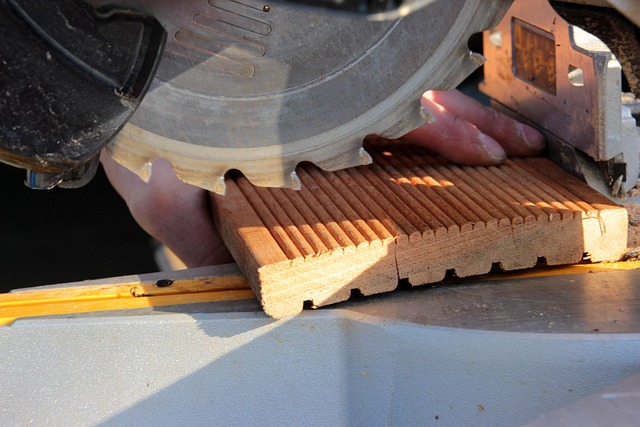
Design and Mechanical Structure of Compact Circular Saws
The core of any compact circular saw lies in its motor and drive system. Most models operate within the 4–6 amp range, producing sufficient torque to handle dense wood or plastic sheets with minimal slowdown. Blade rotation speeds often exceed 3,500 RPM, allowing clean crosscuts even on laminated surfaces. The reduced size and weight—typically under 5 pounds—enhance maneuverability, which is critical when performing overhead or angled cuts. Compared to full-size circular saws that may exceed 10 pounds, compact versions trade continuous-duty endurance for precision and user comfort.
Material Compatibility and Cutting Efficiency
Compact circular saws excel at cutting soft to medium-density materials such as plywood, PVC, or aluminum sheets. However, their limited motor capacity restricts use on dense aggregates like cement or reinforced concrete. Attempting such cuts without appropriate blades can cause overheating or rapid wear on internal bearings. Blade selection plays a decisive role here: fine-tooth carbide blades suit woodwork, while diamond-coated blades extend usability into masonry tasks without compromising accuracy or tool life.
Characteristics of a Cement Saw Blade
Cement cutting demands specialized engineering due to the material’s hardness and abrasiveness. A cement saw blade transforms the capability of standard power tools by integrating industrial-grade diamond segments that resist wear even under extreme friction.
Composition and Structural Engineering of Cement Blades
A typical cement saw blade features diamond-tipped segments fused onto a steel core through laser welding or sintering processes. These segments grind through hard aggregates rather than slicing them, minimizing chipping along cut edges. The bonding matrix—often a mix of metal powders—must endure high thermal stress generated during dry cutting cycles. Blade diameter ranges from 4 to 7 inches for compact saws, with arbor sizes standardized around 20 mm or 5/8 inch to fit most consumer-grade tools.
Operational Demands When Cutting Cement-Based Materials
Cutting cement generates immense frictional heat; thus, higher torque output becomes essential for maintaining consistent feed rates. Wet-cutting configurations help dissipate heat and control dust emissions, though many compact saws lack integrated water feeds. As blades wear down, segment height reduction leads to slower cutting speeds and increased vibration levels. Operators must also manage silica dust exposure using respirators and vacuum attachments compliant with occupational safety standards such as OSHA 29 CFR 1926.1153.
Evaluating Compatibility Between Cement Saw Blades and Compact Circular Saws?
Integrating a cement saw blade into a compact circular saw setup is not always straightforward. Professionals must analyze both mechanical alignment and electrical load parameters before proceeding with such configurations.
Mechanical Compatibility Factors
Every cement blade specifies an optimal RPM range; exceeding this limit risks segment detachment due to centrifugal stress. Compact circular saws typically operate at higher RPMs than masonry grinders, so verifying speed compatibility is critical. Arbor fitment should be snug without requiring forceful mounting since misalignment can induce wobble during operation. Guard clearance also limits maximum blade diameter—using oversized blades may obstruct rotation or compromise safety shields.
Performance Trade-offs in Efficiency and Durability
While attaching a cement blade expands material versatility, it also increases resistance against the motor shaft. This added load can accelerate brush wear or trip thermal protection circuits in smaller motors. Diamond blades’ hardness contributes to heat buildup if cooling airflow is restricted; prolonged exposure may deform plastic housings near the guard assembly. Consequently, frequent heavy-duty use on cement can shorten tool lifespan compared with its intended woodworking applications.
Enhancing Efficiency Through Proper Blade Selection and Setup
Professional users often mitigate these challenges through thoughtful blade pairing and operational technique adjustments tailored to each project’s material density.
Selecting the Right Blade Type for Composite or Masonry Work
Segmented diamond blades provide aggressive cutting action suited for concrete blocks where debris removal between gullets prevents clogging. Continuous-rim variants yield smoother finishes ideal for tile or fiber-cement boards but require slower feed rates to avoid glazing the rim surface. Turbo-rim designs combine both traits—fast material removal with moderate edge quality—making them versatile choices for mixed construction sites balancing cost against performance outcomes.
Optimizing Cutting Techniques for Compact Saws with Cement Blades
Feed rate adjustment remains vital: pushing too quickly risks kickback while excessive caution reduces productivity through frictional drag. Employing auxiliary dust-extraction systems not only improves visibility but also extends bearing life by keeping abrasive particles away from vents. Monitoring segment wear patterns helps schedule replacements before uneven distribution causes imbalance at high speeds—a common oversight among less experienced operators.
Practical Considerations for Professionals Using Cement Blades on Compact Tools
Long-term reliability depends on disciplined maintenance routines paired with adherence to manufacturer safety recommendations when adapting non-standard accessories like cement blades.
Maintenance Practices to Preserve Tool Integrity
After heavy masonry sessions, bearings should be inspected for play while motor brushes require checking every few dozen operating hours. Dust accumulation inside cooling vents restricts airflow leading to premature thermal shutdown; periodic cleaning using compressed air mitigates this risk effectively. Guard assemblies benefit from wiping abrasive residue that could corrode aluminum housings over time.
Safety Protocols During High-Density Material Cutting
Operators must wear PPE including respirators rated N95 or higher when dry-cutting cement-based materials due to airborne crystalline silica hazards identified by health authorities such as NIOSH Publication No. 2016-106. Anti-vibration gloves reduce fatigue during extended sessions where oscillation intensity rises as blades dull out. Always confirm that tool manuals permit diamond-blade use before installation since exceeding rated torque loads voids warranty coverage under most conditions.
Future Outlook: Advancements in Blade Technology for Compact Saws
Continuous innovation in metallurgy and sensor integration promises smarter solutions bridging portability with industrial-level endurance across varied substrates.
Innovations in Diamond Blade Engineering
Manufacturers are experimenting with hybrid matrix compositions combining cobalt alloys and ceramic binders that enhance both speed retention and segment toughness under cyclic stress conditions typical of field operations. Laser-welded joints further minimize segment loss risks during accidental binding events—a recurring issue in older brazed designs still circulating among budget toolkits.
Trends Toward Multi-Material Cutting Solutions
Emerging universal diamond blades now feature adaptive grit layering enabling transitions between wood framing nails, rebar inclusions, and cured mortar without swapping discs mid-task—a time-saving advantage on renovation sites where materials vary unpredictably within single cuts. Future compact circular saw models are expected to include electronic RPM modulation responding automatically to detected load changes, aligning rotation speed dynamically with resistance feedback sensed through brush current fluctuations.
FAQ
Q1: Can all compact circular saws use a cement saw blade?
A: Not all models support it; only those rated for masonry-compatible RPM ranges should be fitted with diamond-tipped blades after verifying arbor compatibility.
Q2: What happens if an incompatible blade is installed?
A: Excessive vibration or overheating may occur leading to possible motor damage or unsafe operation due to imbalance at high speed.
Q3: How often should diamond blades be replaced?
A: Replacement depends on usage frequency but typically after noticeable slowdown or visible segment height reduction beyond one-third of original thickness.
Q4: Is wet cutting always necessary when working with cement?
A: While not mandatory for small jobs, wet cutting significantly reduces dust exposure and extends both blade life and tool cooling efficiency.
Q5: Which PPE is most critical during dry masonry cuts?
A: Respiratory protection remains essential alongside eye shields since silica dust poses long-term respiratory health risks even at low exposure levels.