
How Trendy Fashion Brands Reflect the Cultural Power of British Celebrities
How British Celebrities Influence Fashion Brands
British celebrities have long acted as cultural barometers, translating the nation’s artistic energy into global fashion relevance. Their influence extends beyond aesthetics; it shapes brand narratives, consumer behavior, and international perceptions of British identity. From the rebellious spirit of 1960s rock icons to today’s digital-era influencers, celebrity style operates as both creative expression and commercial strategy. Trendy fashion brands increasingly rely on these figures to embody authenticity, merge street culture with luxury, and sustain economic momentum in a competitive market.
The Interconnection Between British Celebrity Culture and Fashion
The relationship between British celebrity culture and fashion is a dialogue between creativity and commerce. Each generation redefines how fame intersects with self-presentation, turning personal style into a form of cultural commentary.
The Historical Relationship Between British Icons and Style
From the Beatles’ mod suits to David Bowie’s gender-fluid glam, British celebrities have continually reshaped global perceptions of dress. The 1960s established London as a style capital where music, art, and rebellion converged. Later decades saw punk pioneers like Vivienne Westwood and the Sex Pistols challenge traditional luxury codes. This heritage of defiance persists in contemporary figures such as Harry Styles or Florence Welch, whose eclectic wardrobes echo Britain’s enduring appetite for individuality.
The Role of Media in Amplifying Celebrity Fashion Impact
Television first magnified celebrity visibility through programs that showcased live performances and interviews. Print magazines then curated star-driven editorials that defined aspirational looks for mass audiences. Today, social media platforms allow direct engagement between celebrities and fans, transforming every outfit post into an instant marketing event. Visual culture now functions as both storytelling medium and sales engine for trendy fashion brands seeking emotional connection with consumers.
The Influence of British Celebrities on Trendy Fashion Brands
Celebrity involvement has become integral to how trendy fashion brands craft identity. Their partnerships blur boundaries between artistry, commerce, and cultural commentary.
Celebrity Endorsements as Cultural Catalysts
Endorsements are no longer passive advertisements but collaborative ventures shaping public imagination. When a musician co-designs a capsule collection or an actor curates campaign imagery, the result feels more authentic than traditional sponsorships. Consumers interpret such collaborations as shared creative visions rather than transactional deals—an essential factor in building trust for trendy fashion brands navigating saturated markets.
How Celebrity Personas Shape Brand Aesthetics
Brands often mirror the visual language of their ambassadors. A designer might adopt minimalist tailoring reminiscent of a particular actor’s red-carpet presence or infuse collections with subcultural motifs linked to a musician’s roots. This alignment between celebrity persona and brand philosophy creates cohesive storytelling that resonates across platforms—from runway presentations to TikTok clips—ensuring consistent emotional tone throughout marketing cycles.
The Globalization of British Celebrity Fashion Influence
As digital distribution erases borders, British celebrity style travels faster than ever before. Streaming services and online publications amplify its reach far beyond domestic audiences.
The Export of British Style Through Global Media Channels
Global media networks project images of British stars wearing both avant-garde couture and accessible streetwear labels. This exposure introduces regional aesthetics—like London’s tailored punk or Manchester’s casual sportswear—to new markets in Asia and North America. Cross-cultural collaborations emerge when foreign designers reinterpret these influences within their own contexts, enriching global fashion vocabulary.
International Perception of British Trendsetters
International audiences often associate British style with creativity balanced by restraint—a mix of eccentricity and elegance. Such perception strengthens the desirability of brands linked to UK-based talent. A singer wearing an independent London label on tour can generate international demand overnight, turning personal wardrobe choices into soft power tools that promote national identity through design.
Trendy Fashion Brands as Mirrors of Cultural Identity
Fashion brands do more than sell garments; they translate social moods into visual form. When influenced by celebrities, these translations become reflections of collective aspiration and cultural change.
How Brands Translate Celebrity Influence into Design Language
Designers frequently embed celebrity-inspired motifs within seasonal collections—be it bold prints recalling pop-art sensibilities or slogans echoing activist statements made by public figures. These visual cues transform garments into artifacts documenting cultural moments while reinforcing brand alignment with specific values or movements.
The Intersection of Streetwear, Luxury, and Celebrity Culture
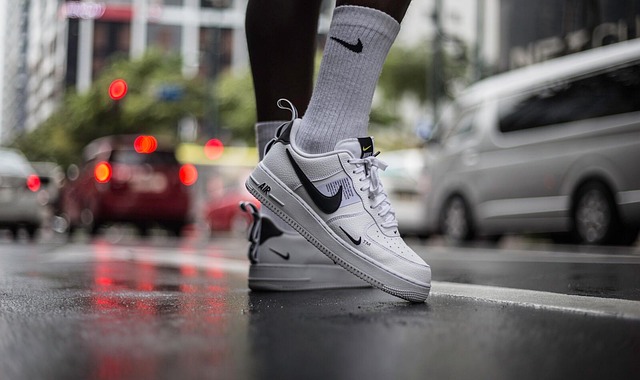
Streetwear’s ascent from subculture to mainstream luxury owes much to musicians and athletes who blurred class distinctions through clothing choices. Luxury houses now reinterpret hoodies or sneakers using premium materials to attract younger demographics inspired by celebrity-driven casual aesthetics. Collaborations like these redefine exclusivity: accessibility becomes aspirational when endorsed by trusted public figures.
Economic Implications for the Fashion Industry
Beyond symbolism lies tangible economic consequence. Celebrity partnerships directly affect pricing strategies, production cycles, and market volatility within trendy fashion brands.
Market Dynamics Driven by Celebrity Collaborations
Limited-edition releases tied to high-profile names generate scarcity that fuels demand spikes across retail channels and resale platforms alike. Retail analytics consistently show sales surges following televised appearances or viral posts featuring specific outfits. For investors, this demonstrates why aligning with influential figures is not merely branding—it is revenue strategy embedded in modern retail economics.
Long-Term Brand Equity Influenced by Cultural Association
Sustained collaboration with respected personalities can extend brand relevance beyond fleeting trends. However, dependence on transient fame risks dilution if partnerships lack authenticity or continuity. Successful brands maintain equilibrium: leveraging celebrity association while preserving timeless design principles ensures resilience amid shifting consumer sentiment.
Future Directions in Celebrity-Fashion Synergy within Britain
The next phase will challenge traditional notions of fame itself as technology reshapes influence mechanics across digital ecosystems.
Emerging Forms of Influence in the Digital Era
Virtual influencers modeled after real celebrities already feature in campaigns for major UK labels, signaling new frontiers where AI-generated personas coexist with human ambassadors. Digital fashion shows streamed globally remove geographic barriers while promoting inclusivity through interactive experiences. Meanwhile, sustainability advocacy gains prominence as stars use visibility to champion ethical sourcing—a narrative increasingly vital for trendy fashion brands seeking credibility among conscious consumers.
Anticipating Shifts in Consumer Perception and Cultural Authority
Younger audiences prioritize transparency over spectacle; they scrutinize whether endorsements reflect genuine belief or mere profit motive. Future collaborations may pivot toward collective creativity—artists co-designing alongside communities rather than dictating trends from above—suggesting that cultural authority will stem from participation instead of hierarchy within Britain’s evolving fashion ecosystem.
FAQ
Q1: Why do trendy fashion brands rely so heavily on British celebrities?
A: Because their global recognition provides instant credibility while aligning products with authentic narratives rooted in creativity and individuality.
Q2: How has social media changed the relationship between celebrities and fashion brands?
A: It allows real-time interaction where every post functions as both personal expression and commercial promotion.
Q3: Are celebrity collaborations financially sustainable for brands?
A: Yes when executed strategically; data shows measurable sales increases following major endorsements but poor alignment can erode long-term equity.
Q4: What distinguishes British celebrity influence from other markets?
A: Its blend of tradition and rebellion—balancing heritage craftsmanship with progressive self-expression unique to UK culture.
Q5: Will virtual influencers replace human ambassadors?
A: Not entirely; they will coexist as complementary tools offering scalability while human figures continue providing emotional authenticity essential for brand loyalty.