Weird fashion trends that explain why style feels strange in 2026
Why weird fashion trends feel so normal now
Weird fashion trends are not just random internet jokes in 2026. They reflect a wider change in how people use clothes: not only to look polished in a traditional sense, but to signal taste, humor, individuality and cultural awareness. The most unusual pieces often begin as runway experiments, celebrity styling moments or highly shareable social-media objects. They move into everyday wardrobes only when people find practical ways to wear them.
The current wave includes hybrid shoes, bag charms, sheer layers, long jorts, exaggerated shoulders, visible socks, toy-like accessories and deliberately awkward proportions. Some will fade quickly. Others may become familiar because they answer a real styling need: comfort, recognition, conversation value or a fresh silhouette. For more ongoing coverage, visit our Fashion Trends section.
What counts as weird fashion in 2026
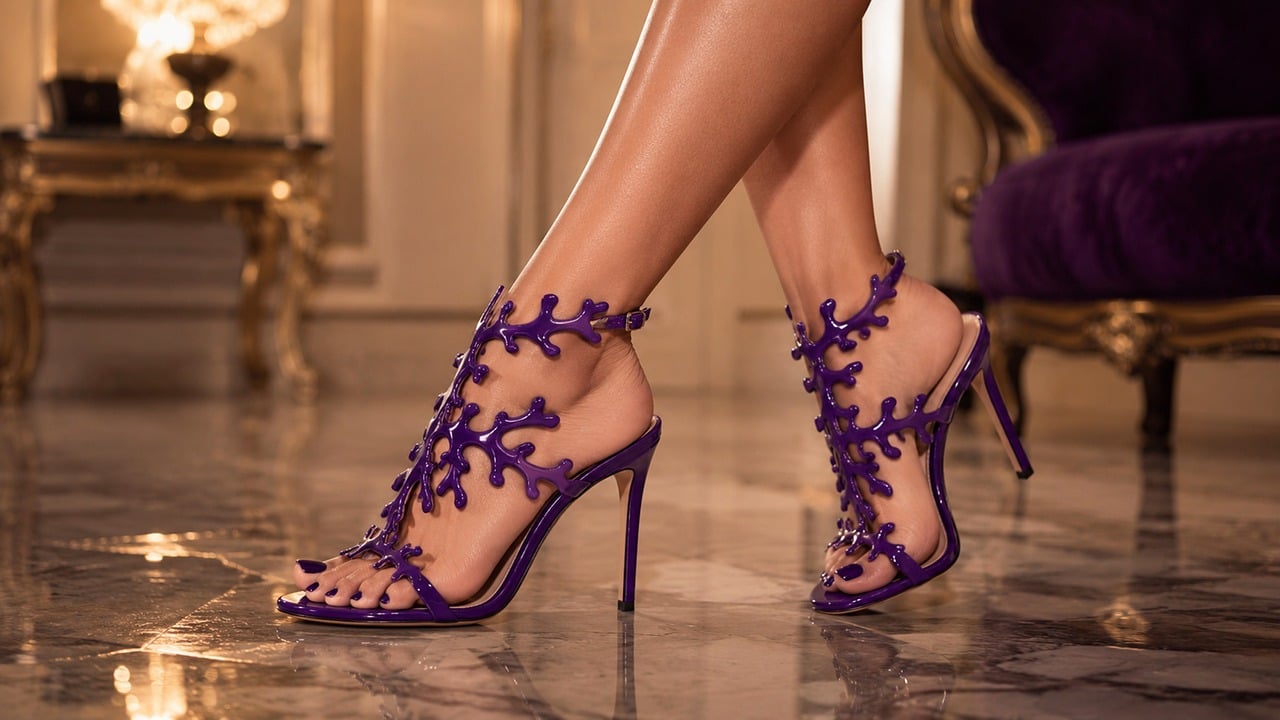
A trend usually feels weird when it breaks one of fashion’s usual expectations. Shoes may look too flat, too bulky, too split-toed or too childish. Pants may sit too low, balloon too wide or stop at a length once associated with awkward school uniforms. Accessories may look more like toys than luxury objects. A dress may reveal structure that earlier styling would have hidden.
That does not make the trend automatically bad. In fashion, weird often means unfamiliar. The first wave of wearers tests the idea in its most extreme form; the second wave translates it into outfits that feel easier to understand. Ugly sneakers followed this path in the late 2010s. Ballet flats, boat shoes, jorts and visible underwear styling have moved through similar cycles, shifting between mockery, niche enthusiasm and broader adoption.
Recent runway coverage from Vogue and British Vogue has described 2026 fashion as a season of remixing rather than a clean break from the past. That distinction matters because many odd-looking trends are not completely new. They are revived, distorted or combined with other references: sportswear with ballet, office tailoring with lingerie, preppy shoes with streetwear, or nostalgic charms with high-fashion bags.
The weird fashion trends most visible right now
The strongest weird trends are not all strange in the same way. Some are about silhouette, some about texture, and others about cultural symbolism. The table below separates the main categories so the trend picture is easier to read.
| Trend | Why it looks weird | Why people are wearing it |
|---|---|---|
| Hybrid shoes | They mix categories such as sneaker, ballet flat, boat shoe, toe shoe or slipper. | They feel new while still offering comfort and everyday use. |
| Toy-like bag charms | They make grown-up bags look playful, childish or deliberately cluttered. | They personalize common outfits and create instant recognition. |
| Long jorts | The length can look intentionally awkward, especially with loafers or tall socks. | They offer comfort, gender-neutral styling and Y2K nostalgia. |
| Sheer and peekaboo layers | They reveal what fashion normally conceals. | They create lightness, texture and controlled drama without heavy styling. |
| Exaggerated shoulders | They distort the body into a sharper, wider or more sculptural shape. | They give simple outfits a strong silhouette and a sense of authority. |
| Off-kilter color combinations | They pair shades that are not traditionally harmonious. | They make familiar garments feel current without requiring a full wardrobe change. |
Lyst’s 2025 shopping reports help explain why footwear became a center of weirdness. Its Q2 2025 index noted rising attention around unusual shoe forms, including performance-fashion hybrids, while its Year in Fashion coverage highlighted novelty items and playful accessories as major cultural signals. By 2026, those ideas had not disappeared. They had been absorbed into a broader styling language.
Why strange style keeps coming back
Fashion rewards recognition
A strange item is easy to remember. A split-toe shoe, a doll charm, a transparent skirt or a huge shoulder line can be identified faster than a plain black sweater. In a crowded visual culture, instant recognition has value. It helps an outfit travel through street style photography, short videos and shopping platforms.
This does not mean every wearer is dressing only for attention. It means visibility has become part of how trends spread. A trend that photographs clearly has an advantage over one that requires close inspection. That is why odd accessories and shoes often move faster than subtle tailoring details.
Consumers want novelty without replacing everything
One reason weird accessories and shoes are powerful is that they can update basic clothing. A white tank, loose jeans and a blazer become more distinctive when paired with jelly flats, toe shoes, a cartoonish charm or a sculptural bag. For many consumers, this is a lower-commitment way to participate in fashion than buying an entirely new wardrobe.
Business of Fashion and McKinsey’s State of Fashion 2026 reporting emphasized that brands face cautious consumers and pressure to justify value. In that climate, a novelty item has to do more than shock. It needs to feel wearable, emotionally appealing or versatile enough to survive beyond one photo.
The internet made microtrends faster, but also more personal
Microtrends can feel exhausting because they appear and disappear quickly. The same environment also gives people more freedom to combine references. Someone can wear a romantic sheer blouse with carpenter jeans, a ballet-sneaker hybrid and a toy charm without trying to fit into a single subculture.
This is why weird fashion now often looks like collage. The outfit is not only “preppy,” “minimalist,” “Y2K” or “goth.” It borrows fragments from several moods. The result can look confusing at first, but it reflects how people now consume style: through feeds, archives, celebrity images, resale platforms and runway screenshots at the same time.
How to wear weird trends without looking like a costume
The easiest way to make a strange trend wearable is to limit the number of strange elements in one outfit. If the shoes are the statement, keep the clothing calmer. If the silhouette is dramatic, use familiar colors. If the accessory is playful, let it contrast with a more grown-up base.
- Choose one focal point. Try hybrid shoes with straight-leg jeans and a simple knit, or a toy charm on a structured bag instead of pairing it with several novelty pieces.
- Balance proportions. Long jorts often work better with a fitted top, cropped jacket or clean button-down because the lower half already has visual weight.
- Use neutral colors as a frame. Beige, black, white, navy and denim can make odd shapes feel intentional rather than chaotic.
- Repeat one detail. If your shoes are red, echo red in a small accessory. If your bag charm is fuzzy, repeat softness with a knit or brushed texture.
- Respect the setting. Sheer layers, extreme cutouts and oversized accessories may work for weekends, concerts and fashion events, but they may need toning down for offices or formal occasions.
A practical outfit formula is simple base plus odd accent. A white T-shirt, tailored trousers and unusual flats can feel modern without being loud. A black slip skirt, oversized shirt and one charm-covered bag can look playful without becoming messy. The goal is not to erase the weirdness; it is to give the weirdness a frame.
Which weird trends may last longer
Not every strange trend has the same lifespan. Some are memes attached to a very specific moment. Others have structural reasons to continue. The most durable weird fashion trends usually meet at least one of three conditions: they are comfortable, easy to personalize, or capable of refreshing an existing wardrobe category.
Hybrid shoes may last because they connect to comfort and utility. Even when one specific style fades, the larger idea of mixed-category footwear is likely to continue. Ballet sneakers, boat-shoe loafers, slipper-like flats and performance-inspired designs all answer the same question: how can footwear look new without becoming unwearable? See also: Outfit Ideas.
Bag charms and toy-like accessories may also persist, although the exact characters and objects will change. Their strength is personalization. When many people carry similar bags or wear similar basics, charms make the item feel owned rather than merely purchased. The risk is oversaturation; once the same charm appears everywhere, fashion-minded wearers often move on to a more obscure version.
Sheer layers and exaggerated shoulders are likely to cycle in and out rather than vanish. They are runway-friendly because they change the body line immediately. They also adapt well to different levels of intensity. A sheer organza skirt over briefs is extreme; a translucent blouse over a tank is accessible. A runway shoulder can be architectural; a retail blazer can simply have a sharper pad.
Long jorts are more uncertain. They are practical, comfortable and strongly linked to relaxed streetwear, but they remain polarizing because length changes proportion so dramatically. Their staying power will depend on styling. When worn with thoughtful shoes, clean tops and intentional proportions, they look like a choice. When styled carelessly, they can look accidental.
The difference between ugly, ironic and experimental
People often group all strange clothing under the word “ugly,” but that misses important differences. Ugly fashion usually challenges conventional beauty. Ironic fashion plays with humor, nostalgia or bad taste on purpose. Experimental fashion tests construction, proportion or material. A single item can do all three, but the styling message changes depending on context.
For example, toe shoes may be read as ugly because they break the expected shape of a fashionable shoe. A doll charm may be read as ironic because it looks childish on an expensive bag. A sheer, structured dress may be experimental because it questions where the garment begins and ends. Understanding the difference helps explain why some trends are mocked by one audience and admired by another.
This is also why weird trends often divide age groups, cities and style communities. A trend that looks unserious to one person may look intelligent to another because each viewer is reading a different reference. Fashion rarely moves in one direction at the same time. It advances through disagreement.
Frequently asked questions
Are weird fashion trends meant to be taken seriously?
Some are serious design experiments, while others are playful styling ideas or short-lived internet moments. The best way to judge them is to ask whether the item adds silhouette, comfort, texture or personality to an outfit. If it only works as a joke, it may age quickly.
What is the easiest weird trend to try first?
Accessories are the easiest entry point. A charm, unusual belt, bright sock or unexpected shoe gives a basic outfit personality without requiring a major style change. Footwear is also effective, but it usually needs more attention to proportion.
Why do luxury brands make strange-looking items?
Strange items create visual identity. They are easier to remember, discuss and photograph than anonymous basics. For luxury brands, a distinctive shoe, bag or silhouette can become a recognizable code, even among people who never buy it.
Will today’s weird trends look embarrassing later?
Some probably will, and that is part of the cycle. Trends tied to one meme or celebrity moment often date quickly. Trends that solve a styling problem, such as comfortable hybrid shoes or adaptable sheer layers, have a better chance of evolving rather than disappearing.
How can I tell if a weird trend suits me?
Try it with clothes you already wear. If the piece works with your normal jeans, jackets, dresses or bags, it may fit your style. If it requires a completely new wardrobe or feels uncomfortable after a few minutes, it is probably better admired from a distance.
Final take
The rise of weird fashion trends does not mean style has lost its standards. It means the standards have widened. In 2026, a fashionable outfit can be polished, awkward, funny, nostalgic and practical at the same time. The strongest strange trends are not strange for shock alone. They give familiar wardrobes a new shape, a personal signal or a reason to look twice.
That is why weird fashion keeps returning. Once the eye adjusts, yesterday’s oddity can become tomorrow’s basic. The real skill is not following every strange idea, but knowing which one adds something useful to the way you already dress.