
Why 80s Fashion Style Defines the Vintage Revival Trend in 2026
‘Anyone Can Wear Vintage’: Why ’80s Clothing Is Hugely Popular in 2026
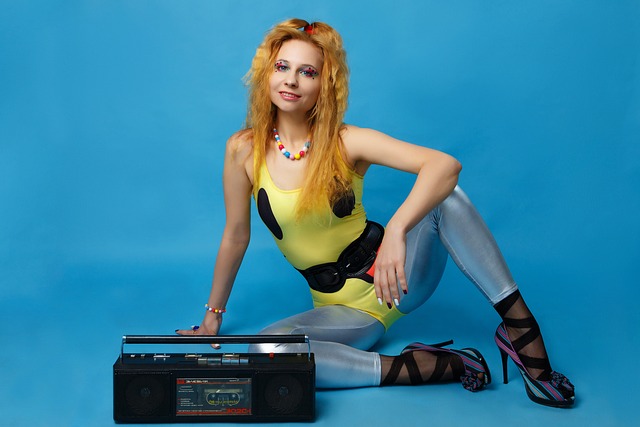
The resurgence of 80s fashion style in 2026 is more than a nostalgic whim; it reflects a cultural recalibration. Designers and consumers alike are drawn to the decade’s bold aesthetics, its unapologetic silhouettes, and its spirit of optimism. The revival aligns with sustainability trends, digital archiving, and a renewed fascination with authenticity. What makes this comeback remarkable is its universality—anyone can wear vintage because the 1980s were about self-expression without boundaries. Today’s reinterpretations merge the past’s exuberance with modern ethics and technology, creating a hybrid aesthetic that feels both familiar and forward-looking.
The Cultural Context Behind the 1980s Fashion Revival
Fashion cycles rarely occur in isolation; they echo broader cultural and economic conditions. The revival of 80s fashion style mirrors shifts in global identity, digital media influence, and consumer values that prioritize individuality over conformity.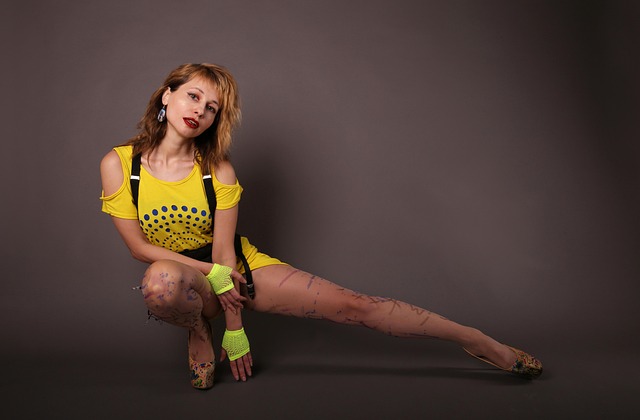
The Socioeconomic Influence of the 1980s on Modern Aesthetics
The 1980s marked a period of economic expansion, technological innovation, and mass media growth. Globalization accelerated consumerism while MTV transformed visual storytelling into a cultural force. These dynamics fostered an aesthetic of excess—power suits, metallic fabrics, and logo-heavy designs symbolized ambition. In today’s context, these elements appeal to consumers seeking confidence amid uncertainty. The revival channels that same drive for visibility but reframes it through inclusivity and sustainability.
Nostalgia as a Driving Force in Fashion Cycles
Nostalgia operates as both emotional anchor and marketing engine. Millennials and Gen Z buyers romanticize pre-digital decades as symbols of authenticity. Social media intensifies this sentiment: curated feeds filled with VHS filters or neon backdrops blur memory and aspiration. Platforms like TikTok transform archival looks into viral challenges, accelerating the return of 80s motifs such as shoulder pads or acid-wash denim. The cyclical nature of fashion ensures these revivals feel inevitable yet always refreshed by new cultural contexts.
Key Elements That Define 80s Fashion Style in the 2026 Vintage Revival
The current wave of vintage enthusiasm doesn’t merely replicate old trends—it reinterprets them through contemporary sensibilities. Designers fuse archival inspiration with modern tailoring techniques to create garments that feel timeless yet relevant.
Signature Silhouettes and Textures Reimagined
Oversized blazers with padded shoulders have reappeared on runways from Paris to Seoul, tailored now for gender-fluid wearers. High-waisted trousers once associated with corporate power dressing are cut from organic wool blends for comfort and sustainability. Metallic fabrics and sequins return but are crafted from recycled synthetics or biodegradable fibers, balancing glamour with responsibility. This reengineering demonstrates how craftsmanship evolves without diluting historical essence.
Color Palettes and Patterns Reflecting 80s Energy
Color remains central to the decade’s charm. Neon pinks, electric blues, and lime greens once symbolized rebellion; today they coexist with earthy neutrals for versatility across demographics. Geometric prints inspired by Memphis design reappear on streetwear collections, while pattern mixing conveys creative freedom rather than extravagance. The result is an expressive palette that captures confidence without overwhelming minimalistic preferences dominant in earlier years.
The Role of Technology in Reviving Vintage Fashion Trends
Technology has become fashion’s most potent archivist and innovator simultaneously. Its integration reshapes how designers access history and how audiences engage with it.
Digital Archiving and AI-Assisted Design Processes
Digital repositories have democratized access to historical collections once confined to museum vaults. AI tools now analyze thousands of vintage garments to identify recurring silhouettes or color harmonies that resonate with current markets. These systems assist designers in predicting which retro details—like structured lapels or lamé textures—will translate effectively into modern wardrobes. Virtual archives also preserve fragile textiles for research while allowing interactive exploration by students or collectors worldwide.
The Influence of Social Media Platforms on Trend Dissemination
Social platforms serve as both gallery and marketplace for the new vintage movement. Instagram aesthetics favor nostalgic imagery: grainy filters mimic analog photography while hashtags like #80sfashionstyle attract millions of views monthly. TikTok creators remix retro looks using thrifted finds or digital try-on tools powered by augmented reality. Algorithms amplify this engagement loop—more retro content yields more visibility—turning nostalgia into a self-sustaining trend economy.
Sustainability as a Catalyst for the Vintage Revival Movement
Environmental awareness has transformed nostalgia from indulgence into activism. Wearing vintage is not only stylish but also an ethical stance against disposable fashion culture.
Circular Fashion Practices Encouraging 80s Resurgence
Thrift culture has shifted from niche hobby to mainstream lifestyle choice among younger consumers who value uniqueness over mass production. Upcycling workshops teach techniques for transforming old denim jackets into statement pieces reminiscent of 1980s streetwear icons. Brands highlight circularity through capsule collections made entirely from repurposed vintage textiles, promoting longevity rather than constant novelty.
Consumer Ethics and Conscious Consumption Patterns
Transparency drives loyalty among Gen Z shoppers who scrutinize supply chains before purchase decisions. Vintage clothing inherently satisfies these expectations: it reduces waste while preserving craftsmanship from previous decades. Emotional durability also plays a role—wearing an authentic leather bomber from the ’80s carries history that fast-fashion replicas cannot replicate, creating deeper attachment between wearer and garment.
How Designers and Brands Are Interpreting 80s Fashion in 2026 Collections
The reinterpretation of 1980s aesthetics varies widely between luxury houses reviving archives and independent labels emphasizing authenticity through local production models.
High-Fashion Adaptations in Runway Presentations
Luxury brands revisit their archives to reinterpret iconic silhouettes under sustainable frameworks. Power suits appear alongside deconstructed evening gowns featuring hand-stitched embellishments reminiscent of couture craftsmanship from four decades ago. Collaborative projects between heritage maisons and emerging designers bridge generational perspectives—merging nostalgia with innovation while maintaining brand legacy integrity.
Independent Labels Driving Authentic Vintage Narratives
Smaller labels often lead authenticity-driven revivals by sourcing original deadstock fabrics or restoring vintage garments for resale at premium boutiques. Many operate within community-based production networks emphasizing fair labor practices inspired by artisanal traditions predating globalization’s homogenizing effect on style. Through storytelling campaigns highlighting each garment’s origin story, these brands connect emotional resonance with design credibility.
The Sociocultural Implications of Wearing 80s-Inspired Fashion Today
Beyond aesthetics lies identity politics—the decision to wear retro pieces signals belonging within broader cultural narratives about memory, gender expression, and collective creativity.
Identity Expression Through Retro Styling
For many wearers, adopting elements of 80s fashion style represents liberation rather than costume play. Gender-neutral tailoring challenges binary dress codes entrenched during that decade yet honors its experimental ethos. Layering vintage sportswear with tailored separates communicates individuality within shared cultural memory—a subtle commentary on how personal style transcends time periods.
The Intersection of Memory, Media, and Modernity
Contemporary media continuously recycles visual cues from the ’80s through film remakes, synthwave soundtracks, or digital art referencing VHS-era graphics. This repetition reinforces collective familiarity even among those born decades later. By blending analog nostalgia with digital innovation—such as holographic runway shows referencing old MTV aesthetics—the industry constructs a new hybrid identity where past imagery coexists seamlessly with future technologies.
FAQ
Q1: Why has 80s fashion style become so popular again?
A: It reflects both nostalgia for bold self-expression and modern interest in sustainability; people value authenticity over mass-produced uniformity.
Q2: How do designers modernize traditional 1980s silhouettes?
A: They use contemporary tailoring techniques, sustainable materials like recycled synthetics, and gender-neutral cuts that reinterpret power dressing for today’s audience.
Q3: What role does social media play in this revival?
A: Platforms such as Instagram amplify retro visuals through algorithms favoring nostalgic content, turning user engagement into trend momentum almost overnight.
Q4: Are sustainable practices essential to this movement?
A: Yes; thrift shopping, upcycling, and circular fashion principles align perfectly with environmental goals while preserving vintage craftsmanship quality.
Q5: Can anyone incorporate vintage pieces into their wardrobe?
A: Absolutely; mixing one standout item—like an oversized blazer or neon accessory—with modern basics allows effortless participation in the trend regardless of age or background.