Why Are 1990 Fashion Trends Still the Best Blueprint for Modern Style?
1990 fashion trends still feel useful because the decade gave people clothes that were easy to wear, personal, and workable in many settings. If you are building a modern wardrobe or looking at style history for outfit ideas, the 1990s give you a steady mix of relaxed denim, clean tailoring, grunge layers, slip dresses, and sporty pieces. For more trend-led style guides, visit the Fashion Trends section.
Why Did 1990 Fashion Trends Change the Way People Dressed?
The 1990s did not follow one fixed fashion rule, and that is why the decade still works. It moved away from the louder 1980s and opened the door for cleaner shapes, thrift-store layers, streetwear, and a more casual daily uniform. Vogue has described the period through supermodels, grunge, slip dresses, and the early digital age, while The Museum at FIT has framed the decade around minimalism, grunge, deconstruction, avant-garde fashion, and renewed luxury. (vogue.com)
A Shift from Excess to Ease
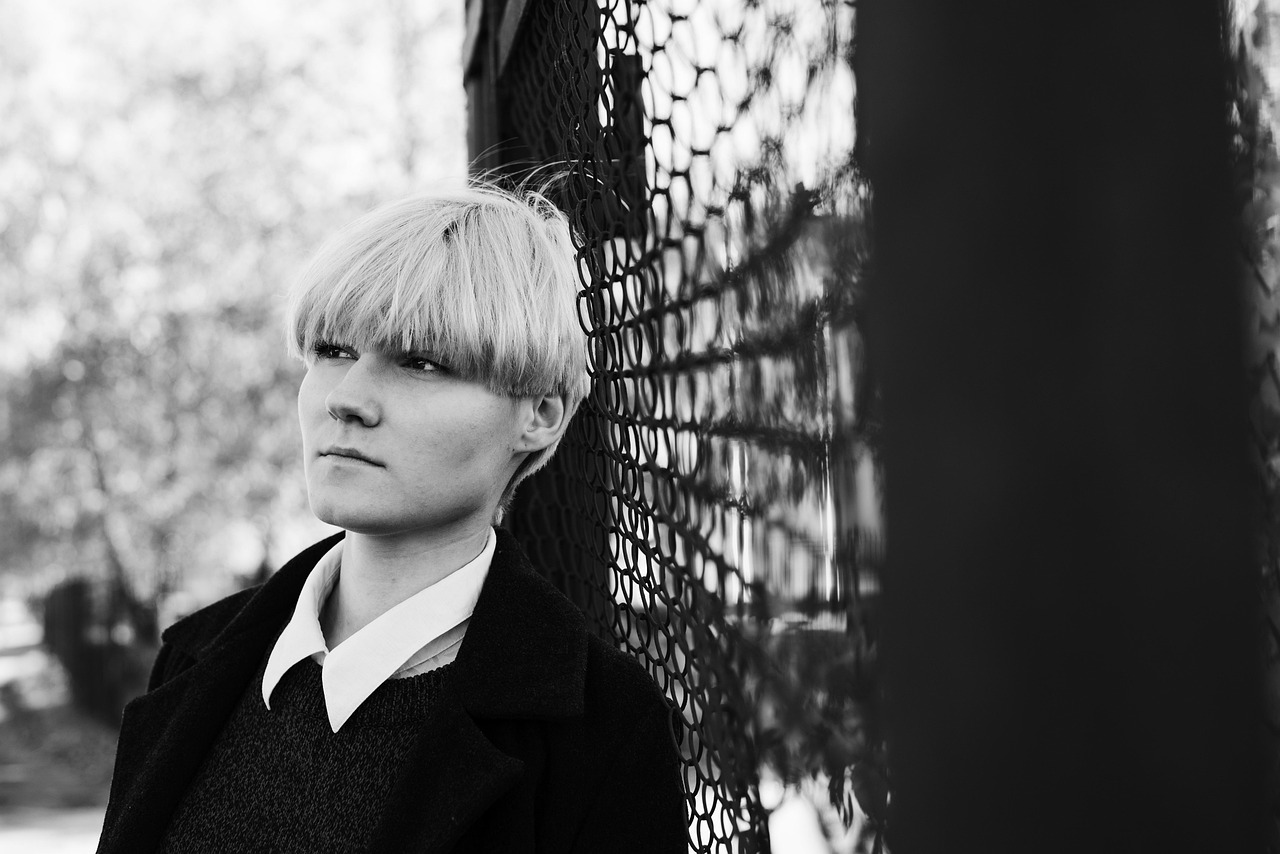
Early 1990s style often felt like a reset after the 1980s. Instead of big shoulders, shiny power suits, and heavy hair, many looks became plainer and easier to wear. A black tank, straight-leg jeans, and plain sneakers suddenly looked current. It was not dull; it just felt more relaxed and direct. You could wear fewer pieces and still look as if you had made a clear choice.
Street Style Moved Closer to Fashion
Grunge helped bring everyday clothing into the fashion conversation. Flannel shirts, ripped denim, thermals, beanies, and worn boots looked like things people already had in their closets. The Metropolitan Museum of Art notes that bands such as Nirvana, Pearl Jam, Mudhoney, and Soundgarden dominated charts in the first half of the 1990s, giving the mood a strong music background. (metmuseum.org) That link with music made the clothing feel real rather than staged.
Practical Clothing Became Desirable
The decade made practical clothes feel right for daily wear. Cargo pants, backpacks, loose jeans, ribbed tanks, and hoodies were not just weekend pieces. They became part of the main look, especially for people who wanted comfort without losing style. That matters today because many 1990s pieces do not need much styling work. They often look better when they feel worn in, not over-planned.
Which 1990 Fashion Trends Are Easiest to Wear Today?
The easiest 1990s pieces are the ones that fit into normal life. You do not need to dress head to toe like an old photo. One clear item can carry the mood, especially when the rest of the outfit stays simple. Think of it like adding seasoning to food: too much can make it strange, while a little usually works.
Straight-Leg Denim and Relaxed Jeans
Denim was everywhere in the 1990s, from light-wash jeans to darker straight-leg cuts. For a modern version, choose denim that sits comfortably at the waist and falls straight through the leg. It should not feel too tight or painted on. Pair it with a white tee, a fitted cardigan, or a simple blazer. The look stays casual, but it still feels put together.
Slip Dresses with Simple Layers
The slip dress became one of the decade’s strongest fashion symbols. Vogue has called the slip dress one of the defining looks of the 1990s, tied to minimalism, grunge, vintage dressing, and innerwear as outerwear. (vogue.com) Today, you can wear a satin slip dress with a fine knit, a cropped jacket, or flat sandals. For daytime, add a T-shirt underneath. For evening, keep the neckline clean and add small jewelry.
Cardigans, Tanks, and Baby Tees
Small tops did a lot of work in the 1990s. Baby tees, ribbed tanks, cropped cardigans, and fitted knits balanced loose jeans and wide trousers. These pieces still help you create shape without looking too dressed up. If the top is fitted, let the bottom half have more room. That balance is very 90s, and it is easy to copy without looking like a costume.
How Did Grunge Define 1990s Fashion?
Grunge did not start as a luxury trend. It came from music scenes, thrift stores, cold weather layers, and a clear dislike of looking too polished. Once designers and magazines noticed it, grunge moved from clubs and streets into fashion editorials and runways. That push and pull is what still makes it worth looking at: it looked careless, but people paid close attention to it.
Plaid Flannel as the Main Signal
The plaid flannel shirt is probably the quickest way to reference grunge. It can be worn open over a tee, tied at the waist, or layered under a denim jacket. To keep it modern, choose one flannel piece instead of stacking every grunge item together. Flannel, ripped jeans, combat boots, and a beanie all at once can start to look like a theme-party outfit.
Ripped Denim and Heavy Boots
Ripped jeans and chunky boots gave grunge its practical side. The pieces looked tough, low-cost, and easy to live in. For a current outfit, try straight ripped denim with a clean black knit and boots. The knit makes the look more wearable, while the boots add weight. That weight helps when the top half is soft, loose, or oversized.
Layering That Looked Accidental
Good grunge layering should not look too perfect. A thermal under a band tee, a slip dress with an oversized sweater, or a long-sleeve top under a short-sleeve tee can all work. The key is keeping the colors under control. Black, grey, faded red, forest green, cream, and washed blue help the outfit stay clear instead of messy.
Why Was Minimalism So Important in 1990s Style?
Minimalism gave the 1990s its cleaner side. If grunge was rough and layered, minimalism was smooth, plain, and controlled. The Museum at FIT notes that pared-down silhouettes and neutral palettes became a leading trend in the early 1990s. (fitnyc.edu) That is one reason many 90s looks still feel fresh in a store mirror today.
Neutral Colors with Strong Shapes
Black, white, grey, beige, navy, and brown were key to the minimalist mood. These colors made simple shapes look cleaner and sharper. A column dress, square-neck tank, long skirt, or clean trouser did not need a loud print. The shape carried the outfit. For your closet, this means a few well-cut basics can do more work than a pile of trend pieces.
Clean Tailoring without Stiffness
1990s tailoring often looked softer than 1980s power dressing. Blazers were still important, but they felt easier to wear. You could wear one with jeans, a tank, or a slip skirt. A slightly oversized blazer still gives that same feeling today. Just keep the shoulder line tidy, because if the blazer is too big everywhere, it stops looking relaxed and starts looking borrowed in the wrong way.
Small Details That Matter
Minimal outfits depend on detail. Fabric weight, neckline, shoe shape, and fit matter more when there is no print to pull attention away. A ribbed white tank with loose denim looks different from a thin stretched-out tank with the same jeans. That small difference is often what separates a 1990s-inspired outfit from clothes that simply look old. See also: Outfit Ideas.
What Role Did Denim, Sportswear, and Logos Play?
The 1990s made casual clothing more visible in everyday style. U.S. retail data gives some useful context: the Census Bureau’s 1990 Monthly Retail Trade Survey listed apparel and accessory store sales at about $95.8 billion for that year. BLS-linked Consumer Expenditure data also shows average U.S. consumer-unit apparel and services spending at $1,618 in 1990. These figures do not prove which jean cut was most popular, but they show that clothing was a serious consumer category while casual fashion was gaining power. (www2.census.gov)
Denim as an Everyday Uniform
Jeans were not only one trend; they were the base for many trends. Light-wash denim worked with grunge flannels, while dark denim worked with minimalist tanks. Baggy denim also worked well with sporty jackets. If you want the most flexible 90s denim choice now, go for a mid-rise or high-rise straight leg in a blue wash that looks slightly worn. It is easier to style than a very extreme cut.
Tracksuits, Windbreakers, and Sneakers
Sportswear moved easily into casual wardrobes. Windbreakers, track pants, baseball caps, sweatshirts, and sneakers gave outfits a relaxed rhythm. This is where the decade still feels close to modern streetwear. You can wear a nylon jacket with jeans and a plain tee, or pair vintage-style sneakers with a slip skirt. The mix is the point, and it should feel natural rather than forced.
Logo Pieces with a Light Touch
Logos became part of the 1990s fashion language, especially through sportswear, denim brands, and luxury labels. The safest way to wear them now is with restraint. A logo sweatshirt, belt, cap, or bag can work, but it is better not to wear every branded item at the same time. One visible logo feels intentional. Five can feel like a mall window from 1997, and not always in a good way.
How Can You Build a Modern Wardrobe with 1990 Fashion Trends?
A modern 1990s-inspired wardrobe should feel wearable first. You are not dressing for a museum label. You are using the decade as a set of practical tools: relaxed denim, simple tops, clean jackets, soft dresses, practical shoes, and one or two attitude pieces. The best outfits look current, not copied from an old sitcom screenshot.
Start with Three Core Pieces
Begin with straight-leg jeans, a ribbed tank or baby tee, and a simple outer layer such as a denim jacket, bomber, or blazer. These three pieces can make many outfits without much effort. Add sneakers for daytime, boots for a tougher mood, or loafers for a cleaner look. Keep the colors easy at first: white, black, blue denim, grey, and brown. Once the base works, you can add more personal pieces.
Mix Grunge with Minimalism
The strongest 1990s outfits often balance two moods. Try a slip dress with combat boots, or loose jeans with a sharp black blazer. A plaid shirt can soften a fitted skirt, and a clean tank can calm down baggy cargo pants. When one piece is rough, make another piece neat. That contrast keeps the outfit stylish without making it look overdone.
Choose Fit over Costume
Fit is the part people often skip, then they wonder why the outfit feels wrong. 1990s style includes loose clothing, but loose does not mean shapeless. If your jeans are baggy, keep the top shorter or more fitted. If the blazer is oversized, wear cleaner trousers. If the dress is silky and simple, avoid too many accessories. Let one item lead, then keep the rest of the outfit steady.
FAQ
Q1: What Are the Most Popular 1990 Fashion Trends? A: The most popular 1990 fashion trends include grunge flannels, straight-leg jeans, slip dresses, minimalist tailoring, ribbed tanks, baby tees, chokers, cargo pants, windbreakers, and chunky sneakers.
Q2: How Can You Wear 1990s Fashion without Looking Dated? A: Choose one or two 90s pieces at a time. For example, wear straight-leg jeans with a modern knit, or style a slip dress with simple sandals and small jewelry.
Q3: Was Grunge the Biggest 1990s Fashion Trend? A: Grunge was one of the biggest cultural style movements, but it was not the only one. Minimalism, sportswear, denim, supermodel glamour, and logo fashion were also major parts of the decade.
Q4: Are 1990s Slip Dresses Still in Style? A: Yes. Slip dresses remain easy to wear because they are simple, flattering, and flexible. You can style one with a tee, cardigan, blazer, boots, sneakers, or heels.
Q5: What 1990s Pieces Should You Buy First? A: Start with straight-leg jeans, a ribbed tank, a plaid shirt, a clean blazer, and simple sneakers or boots. These pieces give you the decade’s mood without making the outfit feel forced.