Casual outfit ideas that make everyday dressing look intentional
Start with outfit formulas, not more clothes
The strongest casual outfit ideas usually come from repeatable formulas, not from buying a larger wardrobe. A reliable look often starts with a clean base, adds one structured piece, uses comfortable shoes, and finishes with a small detail that feels personal. That could be straight jeans with a crisp shirt and loafers, wide-leg trousers with a fitted tee and denim jacket, or a casual dress with sneakers and a light layer. The point is not to make casual style look formal. It is to create balance, polish, and comfort with pieces you can wear often.
For more outfit inspiration across dress codes, seasonal styling, and wearable combinations, browse the Outfit Ideas section. This guide focuses on practical combinations you can adjust for your climate, routine, body proportions, and personal taste.
The simple rule behind polished casual outfits
A casual outfit looks more finished when every piece has a clear job. One item creates the base, one adds shape, one supports comfort, and one adds personality. This is why a plain tee and jeans can look completely different with a blazer, denim jacket, belt, bag, jewelry, sunglasses, or a different pair of shoes.
The simplest working formula is:
- Base: jeans, trousers, a skirt, shorts, or a casual dress.
- Top: a tee, tank, button-down shirt, knit, polo, blouse, or sweatshirt.
- Structure: blazer, denim jacket, chore jacket, trench, cardigan, overshirt, or leather jacket.
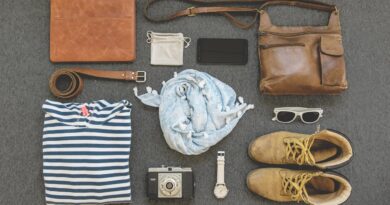
- Finish: sneakers, loafers, flats, ankle boots, sandals, belt, bag, watch, scarf, or simple jewelry.
The structure piece is often what separates “I just got dressed” from “I meant to wear this.” A jacket with a visible collar, a relaxed blazer, or a textured cardigan can give a soft outfit more shape. Shoes change the tone as well: clean sneakers keep the look relaxed, loafers make it smarter, and ankle boots add weight and definition.
Color is another useful styling tool. If you are unsure where to start, choose two neutrals and one accent. Blue denim, a white tee, and a tan jacket feel easy. Black trousers, a grey knit, and burgundy flats look more refined. Cream jeans, a navy sweater, and brown accessories feel classic without becoming stiff.
Casual outfit ideas by occasion
The easiest way to build casual style is to dress for the day, not copy a full look exactly. A school run, office Friday, coffee meeting, travel day, and casual dinner can all be casual, but each one needs a different mix of polish, comfort, and practicality.
| Occasion | Outfit formula | Why it works |
|---|---|---|
| Weekend errands | Straight jeans, white tee, chore jacket, clean sneakers | Comfortable, washable, and easy to move in while still looking coordinated. |
| Casual office day | Relaxed trousers, fine knit, blazer, loafers | The trousers and blazer add structure while the knit keeps the look soft. |
| Coffee or lunch | Midi skirt, tucked tee, denim jacket, ballet flats | The skirt adds shape, while denim and flats keep it approachable. |
| Travel day | Wide-leg pants, fitted tank, cardigan, slip-on sneakers | Stretch and layering make the outfit practical for changing temperatures. |
| Casual dinner | Dark jeans, silky blouse or clean shirt, cropped jacket, ankle boots | Darker denim and sharper shoes make the outfit feel evening-ready. |
| Warm weather day | Linen-blend shorts, button-down shirt, leather sandals, tote | Breathable fabrics look more polished than gym shorts but remain relaxed. |
| Cold weather casual | Straight jeans, turtleneck, wool coat or puffer, boots | The fitted knit balances heavier outerwear and keeps the silhouette clean. |
These formulas are starting points, not strict rules. If loafers are uncomfortable, wear sleek sneakers. If jeans are not your style, use chinos, cargo pants, or relaxed trousers. A good casual outfit should support the day you are actually having.
Denim outfit ideas that do more than jeans and a tee
Denim is the backbone of many casual wardrobes because it can move between relaxed, smart casual, and casual evening settings with small styling changes. The key is choosing the denim shape and wash that fit the mood.
Straight-leg jeans with a crisp shirt
Straight-leg jeans and a button-down shirt are simple, but the details decide whether the outfit looks intentional. A half tuck defines the waist without looking overstyled. Rolled sleeves create ease. Loafers or minimal sneakers keep the outfit practical. Add a leather belt if the look needs more definition.
Wide-leg jeans with a fitted top
Wide-leg denim has volume, so it usually works best with a more compact top. Try a fitted tee, ribbed tank, fine knit, or tucked blouse. A cropped jacket or shorter cardigan helps keep the proportions balanced. If the jeans are long, shoes with a slight platform or thicker sole can keep the hem from dragging and make the line look cleaner.
Dark denim for casual evenings
Dark indigo or black denim often looks dressier than very light or distressed washes. Pair dark jeans with a soft blouse, fitted knit, or simple shirt, then finish with ankle boots, loafers, or low heels. The outfit still feels casual, but the darker base makes it easier to wear to dinner or a relaxed event.
Double denim without looking too matched
Double denim works best when the washes are clearly different or intentionally coordinated. A light denim shirt with dark jeans feels easy. A denim jacket with cream jeans feels softer. If the denim pieces are almost the same shade but not quite, the outfit can look accidental. Add contrast with a white tee, black belt, brown boots, or a colorful bag.
Layering ideas that make casual outfits look complete
Layering is one of the most reliable ways to make casual outfits feel styled. A layer adds movement, depth, texture, and a more deliberate silhouette. It also makes an outfit more useful when the weather changes or indoor temperatures vary.
The relaxed blazer
A relaxed blazer is one of the easiest upgrades for casual dressing. It works with jeans, trousers, skirts, dresses, and even tailored shorts. To keep it casual, avoid styling it like a full suit. Pair it with denim, a tee, sneakers, a ribbed tank, or a soft knit. An unstructured blazer in cotton, linen blend, jersey, or a softer wool blend usually feels more wearable for everyday outfits than a very formal jacket.
The denim jacket
A denim jacket adds structure without making the outfit feel dressed up. It works especially well over casual dresses, striped tops, white tees, hoodies, and lightweight knits. For a cleaner look, choose a jacket that hits near the waist or high hip. For a more relaxed look, choose an oversized cut and balance it with slimmer pants or a shorter dress.
The cardigan or knit layer
Cardigans can look soft and casual, but they feel more intentional when the proportions are considered. A cropped cardigan works well with wide-leg jeans or high-rise trousers. A longer cardigan usually looks better with slim or straight bottoms. Texture also matters: ribbed, brushed, cable-knit, or bouclé finishes can make a simple tee and jeans more interesting.
The overshirt or chore jacket
An overshirt sits between a shirt and a jacket, which makes it useful for casual outfits. Wear it open over a tank, button it over a tee, or layer it under a coat in cooler weather. Chore jackets and utility jackets add pockets and structure, so they work well for travel, errands, and weekend plans.
Shoes and accessories that change the whole outfit
When a casual outfit feels unfinished, the issue is often not the clothes themselves. It is the ending. Shoes and accessories tell people whether the outfit is sporty, classic, minimal, playful, or leaning toward evening.
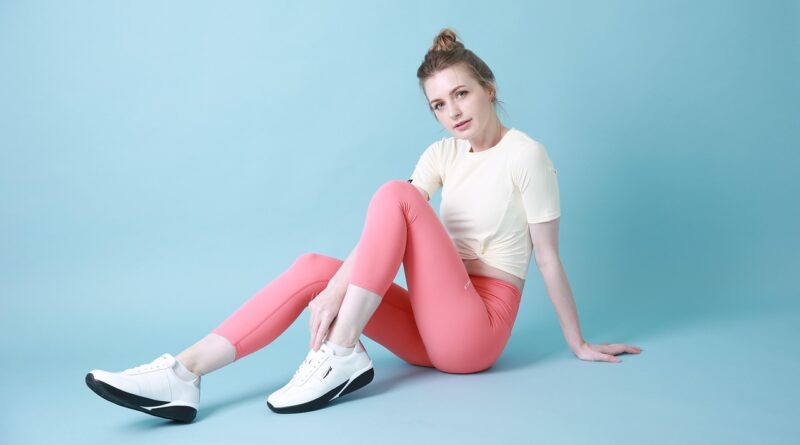
- Clean sneakers make jeans, dresses, trousers, and skirts feel relaxed and current without looking careless.
- Loafers add polish to denim, trousers, and midi skirts while staying flat and walkable.
- Ballet flats soften jeans and cropped trousers and can make a simple outfit feel more feminine or refined.
- Ankle boots add structure, especially with dark denim, knit dresses, leather jackets, and straight-leg pants.
- Sandals work best when they match the outfit’s level of polish, from leather slides for errands to strappy flats for casual dinners.
Accessories should support the outfit rather than compete with it. If the clothes are simple, use a belt, earrings, scarf, watch, or bag color to create a focal point. If the outfit already has pattern, texture, or bold color, keep accessories cleaner. Most casual outfits need only one or two noticeable finishing details. See also: Fashion Trends.
Bags also affect the tone. A canvas tote feels relaxed, a crossbody bag feels practical, a structured top-handle bag makes denim look smarter, and a slouchy shoulder bag softens tailored pieces. Matching the bag to the day’s purpose helps the outfit feel natural instead of overworked.
How to adapt casual outfits to your personal style
The best casual wardrobe is not a copy of someone else’s closet. It is a set of repeatable combinations that fit your lifestyle. Start by identifying the pieces you wear most often, then build formulas around them.
If your style is minimal
Choose clean lines, neutral colors, and fewer accessories. A minimal casual outfit might be black trousers, a white tee, a beige cardigan, and loafers. The interest comes from fit, fabric, and proportion rather than print or color.
If your style is classic
Use denim, button-down shirts, striped knits, trench coats, loafers, ballet flats, and structured bags. Classic casual outfits often work best when the colors are easy to combine, such as navy, white, camel, grey, denim blue, and black.
If your style is sporty
Use joggers, hoodies, caps, sneakers, half-zips, and relaxed outerwear, but balance them with at least one cleaner piece. Pair joggers with a structured coat, for example, or wear sneakers with tailored trousers and a sweatshirt. This keeps the outfit casual without making it look like gym wear.
If your style is creative
Use color, print, unusual shapes, or statement accessories, but anchor the outfit with one simple base. A printed jacket over jeans and a white tee works because the base is calm. Bright shoes with a neutral outfit work because the color has room to stand out.
Fit matters more than copying a trend. If oversized layers overwhelm your frame, choose one loose piece and keep the rest closer to the body. If fitted clothes feel too formal, soften them with denim, sneakers, or a relaxed jacket. Casual style should feel like something you can live in.
Common mistakes that make casual outfits feel less polished
Casual clothing does not need to be perfect, but small choices can make an outfit look less considered. The most common issue is wearing too many soft, shapeless pieces at once. An oversized hoodie, loose joggers, slouchy coat, and bulky sneakers may be comfortable, but the outfit can lose shape. Add structure with a jacket, defined waistband, cleaner shoe, or more compact top.
Another common issue is ignoring fabric condition. Wrinkled shirts, stretched knits, faded black pieces, dirty sneakers, and pilled sweaters can make even good outfit ideas look tired. Casual style benefits from basic care: steaming, lint rolling, shoe cleaning, and replacing worn basics when they no longer hold their shape.
Color overload can also make everyday outfits harder to style. A closet full of unrelated colors may create more options but fewer easy combinations. If getting dressed feels difficult, build around a small palette first, then add accent colors through bags, shoes, scarves, jewelry, or one statement top.
Finally, avoid dressing for an imagined version of the day. If you need to walk, commute, sit for hours, carry a laptop, or move between indoor and outdoor spaces, the outfit should account for that. Practicality is not the opposite of style. In casual dressing, practicality is part of the style.
Frequently asked questions
How can I make a casual outfit look more put together?
Add one structured piece, such as a blazer, denim jacket, chore jacket, trench, or crisp shirt. Then finish with clean shoes and one intentional accessory. Even a simple tee and jeans can look styled when the proportions, shoes, and finishing details are considered.
What are the easiest casual outfit ideas for busy mornings?
Use repeatable formulas: jeans with a shirt and loafers, trousers with a tee and blazer, a casual dress with sneakers and a jacket, or wide-leg pants with a fitted top and cardigan. Save the combinations that work so you can repeat them without rethinking the outfit every time.
Can casual outfits work for the office?
Yes, if the workplace allows casual or smart casual dressing. Choose cleaner fabrics, structured layers, darker denim or trousers, and polished shoes. Avoid overly distressed denim, gym-focused pieces, and anything that feels too revealing or too relaxed for your specific office culture.
How many pieces do I need for a useful casual wardrobe?
You do not need a fixed number. A practical starting point is a few reliable bottoms, several tops, two or three layers, and shoes that cover your real routine. The better question is whether your pieces work together in multiple combinations.
What is the quickest way to update casual style without buying much?
Change the styling before changing the wardrobe. Try tucking or untucking a shirt, rolling sleeves, swapping sneakers for loafers, adding a belt, layering a jacket, or using a different bag. Small adjustments can make familiar pieces feel new.