
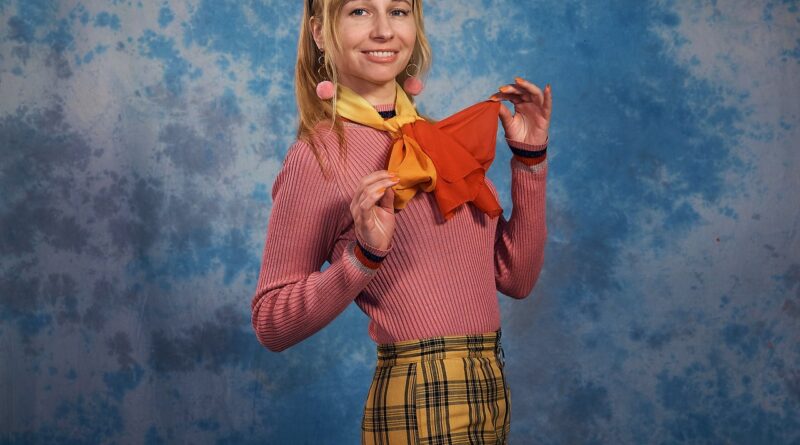
What Are the Best 70s Outfit Ideas for a Retro Look That Still Feels Modern?
If you are saving Outfit Ideas with some character, 70s outfit ideas are a useful place to start. The decade was not one single look. It covered hippie denim, handmade patchwork, soft office dresses, disco shine, punk attitude, and early sporty casual wear.
The point is to take the shape and the mood, not dress like a costume rail. A good 70s outfit usually needs one clear silhouette, one fabric with texture, and one easy detail that looks worn in. Think flares with a ribbed tee, a suede jacket over a plain dress, or a satin shirt with clean trousers. It feels a bit nostalgic, but it can still work on a normal Tuesday.
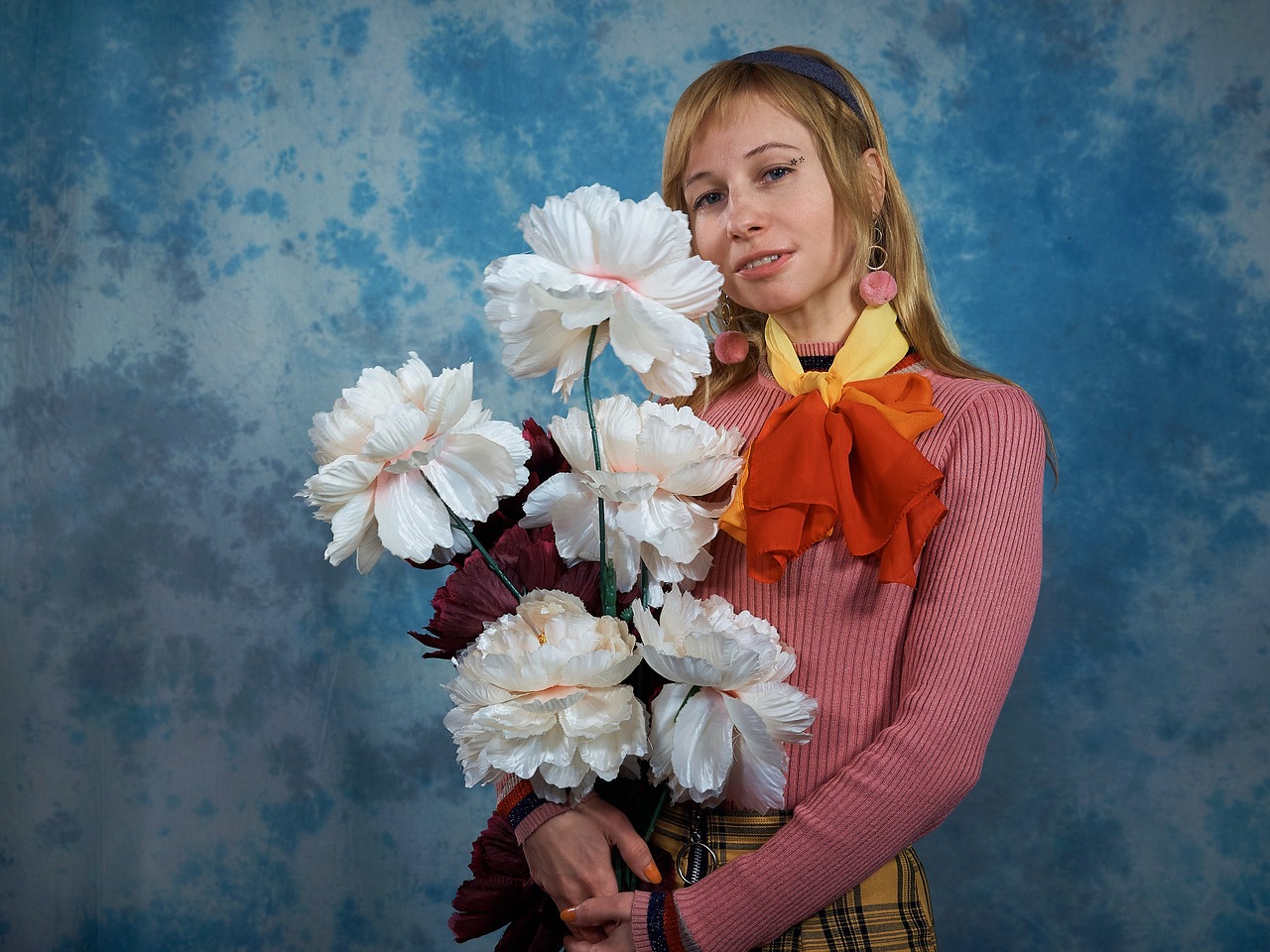
What Makes 70s Outfit Ideas Feel Fresh Today?
The 1970s still works because the clothes were based on things people wore often: denim, knits, trousers, shirts, and easy dresses. Museum and fashion-history sources also show a lot of mix-and-match dressing from that period, so there is room to make the look your own.
Wide-Leg Denim as the Base
Start with flared or bootcut jeans if you want the quickest way into the look. The Museum at FIT notes that by the early 1970s, counterculture denim had moved into the mainstream, bringing bell-bottoms, patched denim, and embroidered jeans with it. That is why denim remains the most practical base for modern 70s styling. It is easy to wear, easy to source, and simple to pair with current tops and shoes.
Earth Tones With One Bright Pop
Brown, tan, cream, rust, olive, and mustard give the outfit its 70s feel. If the look feels too quiet, add one brighter color such as turquoise, orange, or deep purple. A rust knit with blue jeans and tan boots already reads as 70s. It does the job without looking too loud.
Texture Over Heavy Costume Styling
Texture matters more than props. Suede, corduroy, crochet, ribbed knits, denim, satin, and soft jersey bring the period feel without fake peace-sign necklaces or cartoon sunglasses. One textured piece is enough for daytime. Two can work for a party, but three is harder to control unless the event is a themed dance night.
Which 70s Pieces Should You Start With?
A small capsule works better than a closet full of novelty items. Pick pieces that can sit next to your current basics. That way, the outfit looks styled, not staged.
Flared Jeans and Bootcut Pants
Flares balance fitted tops, chunky knits, and cropped jackets. For a clean outfit, wear medium-wash flared jeans with a tucked ribbed tank, a leather belt, and ankle boots. If you like a softer line, choose bootcut trousers in chocolate brown or cream. They feel retro, but they still fit into a modern casual wardrobe.
Wrap Dresses and Soft Jersey
The wrap dress is one of the clearest 70s references. Fashion History Timeline, published by the Fashion Institute of Technology, reports that Diane von Furstenberg sold more than five million wrap dresses in two years after the design became famous in the mid-1970s. For now, choose a midi length, a small print, and simple sandals or boots. The dress should feel easy to move in, not too formal.
Suede Jackets, Vests, and Patchwork
A suede jacket gives jeans an instant 70s note. A vest does the same over a white shirt or a knit dress. Patchwork also belongs in this group. The Victoria and Albert Museum explains that patchwork became linked with fashion in the late 1960s and carried into the early 1970s as a low-cost, handmade way to add individuality.
How Can You Style 70s Outfits for Different Occasions?
Good retro styling changes with the setting. A coffee run, office day, dinner, and party should not all carry the same level of drama. Keep the main shape 70s, then adjust the fabric, color, and shine.
Weekend Denim and a Ribbed Top
For weekends, wear flared jeans with a ribbed long-sleeve top, a woven belt, and clogs or low-heel boots. Add a corduroy shirt jacket if the weather is cool. This outfit is simple enough for errands, but the leg shape makes it look more considered than basic straight jeans. It also works well with a canvas tote or a small leather bag.
Office-Friendly Retro Layers
For work, keep the colors more settled. Try high-waisted wide-leg trousers, a fine knit top, and a short blazer or suede-look jacket. A printed scarf can add a small retro note, but keep the print tight and the shoes neat. The result feels 70s-inspired, not like you are heading to a decade party after lunch.
Party Looks With Disco Shine
For night, add shine in one place. Satin trousers, a metallic knit top, a sequin cami, or glossy platform sandals can all work. The Museum at FIT describes men’s platform disco shoes from around 1973 to 1975 as a trend worn by glam-rock stars and everyday men, so a bold shoe is fair from a history point of view. Keep the rest of the outfit controlled so the shine has room to stand out.
Which Colors, Prints, and Fabrics Make the Look Work?
The 70s look depends a lot on surface. Color, print, and fabric need to feel like they belong together. If the palette is warm and the fabric has some movement, even a plain outfit can look retro.
Brown, Rust, Cream, and Mustard
These shades are the safest starting point. A cream blouse, rust cardigan, and blue flares look relaxed but still put together. Mustard works best as a small accent if you do not like it near your face. Try it through a belt, bag, scarf, or socks showing from clogs.
Paisley, Florals, Stripes, and Checks
Prints should look a little softened, not too sharp. Paisley blouses, tiny florals, rugby stripes, and plaid trousers all fit the decade. If you choose a loud print, pair it with plain denim or a solid knit. If every piece fights for attention, the outfit starts to look like a vintage store window. See also: Fashion Trends.
Corduroy, Denim, Crochet, and Satin
Corduroy is a good choice for jackets and trousers. Denim is the daily anchor. Crochet works in tops, trims, or bags, especially in warm weather. Satin brings in the disco side, but use it with care. A satin shirt tucked into dark flares often looks better than a full shiny outfit.
How Do You Keep a 70s Outfit Modern, Not Costume?
The difference is editing. The 1970s used strong shapes, but modern styling needs some space. Keep hair, makeup, and accessories fairly current, then let the clothes carry the reference.
Clean Fits and Simple Proportions
Pick one dramatic proportion. If the pants flare, keep the top close to the body. If the blouse has big sleeves, choose straighter denim. If the dress is printed, keep the jacket plain. This makes the outfit easier to wear and more flattering in photos, especially full-length mirror photos.
Modern Shoes With Retro Shape
You do not need very high platforms. A stacked heel boot, low clog, wedge sandal, or sleek leather loafer can suggest the decade without hurting your feet. For daily wear, keep the heel steady and the toe shape simple. Comfort matters, and limping is never a style detail.
One Vintage Piece at a Time
Secondhand shopping fits the 70s mood, and it also has a sustainability angle. The U.S. EPA reported 17 million tons of textile municipal solid waste in 2018, with a 14.7 percent recycling rate for all textiles and 13 percent for clothing and footwear. A real vintage jacket or thrifted blouse can add character while keeping an existing garment in use. It also helps the outfit avoid that brand-new costume feel.
How Can Men Wear 70s Style Without Looking Dressed Up?
Men’s 70s outfits usually look best when they focus on shape and fabric instead of costume details. The aim is relaxed, a little cool, and easy to repeat.
Bootcut Jeans With Knit Polos
Choose dark bootcut jeans and a knit polo in brown, cream, navy, or olive. Add a leather belt and suede boots. This gives a quiet retro line, especially if the polo has a small collar or a subtle stripe. Keep the fit close, but not tight.
Camp Collar Shirts and Light Jackets
A camp collar shirt brings 70s ease right away. Wear it open over a tank in summer or buttoned under a corduroy jacket in fall. Prints can work, but smaller patterns are easier to wear. If the shirt is bold, keep the pants plain and the shoes simple.
Platforms, Clogs, or Sleek Boots
Footwear can add enough period flavor without taking over the whole outfit. A Cuban-heel boot, suede desert boot, or minimal clog gives height and attitude. ThredUp’s 2026 Resale Report, conducted with GlobalData, projected the global secondhand apparel market could reach 393 billion dollars by 2030, so looking for quality retro shoes on resale platforms is now a normal shopping route. Check the sole, heel, and lining before buying, because older shoes can look fine in photos and still need repair.
FAQ
Q1: What Is the Easiest 70s Outfit to Wear? A: Flared jeans, a ribbed top, a leather belt, and ankle boots are the easiest. The outfit is clear, comfortable, and works for many casual settings.
Q2: Can 70s Outfits Work Without Flares? A: Yes. Try wide-leg trousers, a wrap dress, a suede jacket, a crochet top, or a camp collar shirt. Flares help, but they are not required.
Q3: What Shoes Look Best With 70s Outfits? A: Stacked-heel boots, clogs, wedges, platform sandals, and loafers all work. Choose stable shapes for daily wear and keep taller platforms for parties.
Q4: Which 70s Colors Are Most Wearable? A: Brown, cream, tan, rust, olive, denim blue, and mustard are the easiest. Add brighter shades only when the base outfit feels calm.
Q5: How Do You Avoid Looking Like You Are Wearing a Costume? A: Use one or two retro elements, then keep everything else simple. Modern hair, clean shoes, and balanced proportions make the look feel current.