What Makes an 80s Theme Costume the Ultimate Choice for Halloween Experts
These ’80s Halloween Costume Ideas Are Totally Radical
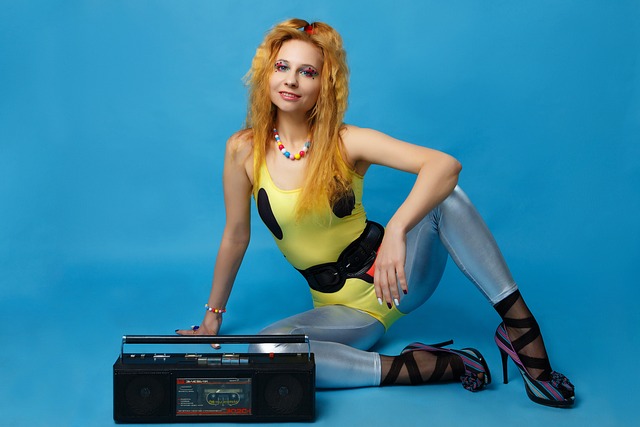
The 1980s reshaped global fashion, giving costume designers a decade rich in visual drama and cultural symbolism. For Halloween professionals, the 80s theme costume remains a strategic favorite due to its bold aesthetic, nostalgic resonance, and instantly recognizable silhouettes. This article explores how the decade’s fashion continues to influence costume design, detailing its defining elements, pop culture roots, and expert-level techniques for authentic recreation.
The Cultural Significance of 1980s Fashion in Costume Design
The fashion of the 1980s was not just about clothes—it reflected social ambition, media power, and identity experimentation. Costume designers often revisit this period because it captures an era when style became a form of self-expression amplified by entertainment and technology.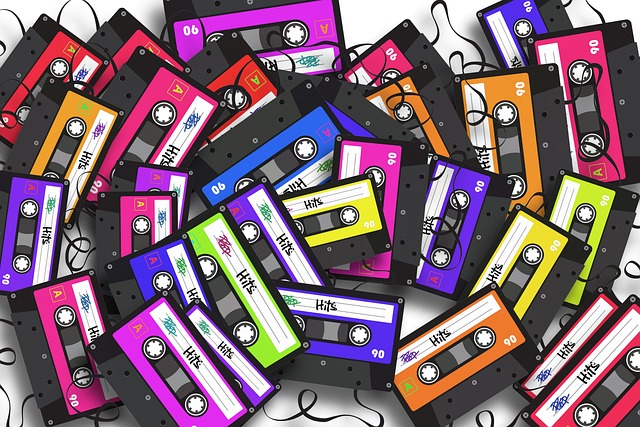
The Aesthetic Foundations of the 1980s
The decade’s aesthetic revolved around confidence and visibility. Bold colors like electric blue and hot pink dominated wardrobes, while exaggerated shoulders and oversized accessories projected strength. Designers mixed streetwear with couture elements, making luxury accessible yet rebellious. Television shows and music videos turned fashion into performance art, influencing how people dressed both on and off screen.
Media Influence from Television, Film, and Music
Television dramas popularized polished looks like tailored suits and power dressing. Meanwhile, music icons transformed their stage personas into everyday fashion statements that audiences eagerly imitated. The synergy between sound and style made pop stars unofficial trendsetters whose influence still informs modern costume styling.
Designers’ Experimentation with Hybrid Styles
Designers such as Jean-Paul Gaultier and Vivienne Westwood blurred boundaries between punk subculture and high fashion. Their work encouraged costume professionals to experiment with layering textures—leather against lace or denim paired with metallic spandex—to evoke authenticity without imitation.
Why the 1980s Continue to Inspire Costume Professionals
Fashion from this era offers more than nostalgia; it provides a visual shorthand for energy, rebellion, and optimism. Costume experts find endless possibilities within its structured yet playful language of style.
Recognizable Styles for Character Creation
From corporate executives to aerobics enthusiasts, every archetype from the 80s carries distinct visual cues. This makes character creation efficient since audiences instantly decode references through clothing alone.
Nostalgia-Driven Appeal for Audience Connection
Nostalgia has measurable emotional value in event design. When people encounter familiar styles—acid-wash jeans or neon headbands—they connect emotionally with the experience, deepening engagement at themed parties or performances.
Diversity of Subcultures Enabling Creative Flexibility
The decade’s variety—from glam rock extravagance to minimalist new wave—gives designers flexibility to tailor looks for different narratives or personalities while staying true to the era’s spirit.
Key Elements That Define an Authentic 80s Theme Costume
Authenticity in an 80s theme costume depends on mastering materials, shapes, and finishing details that mirror the decade’s exuberant energy without feeling like parody.
Iconic Fabrics, Textures, and Colors
Neon hues symbolized vitality while metallic fabrics reflected nightlife glamour. Synthetic materials like nylon or polyester were common due to affordability and sheen. Layering leather jackets over lace tops or pairing spandex leggings with oversized sweaters created tactile contrast essential to the look.
Silhouettes and Styling Techniques
Power suits with padded shoulders embodied ambition within corporate culture. High-waisted jeans paired with cropped tops defined casual streetwear aesthetics that remain timeless today. Structured tailoring balanced by relaxed fits created dynamic silhouettes ideal for performance-based costumes.
Accessories as Identity Markers
Fingerless gloves, chunky jewelry, wide belts—all served as extensions of personality rather than mere decoration. For professional costumers, proportion control matters: accessories must enhance silhouette harmony rather than distract from it.
The Role of Pop Culture in Defining 80s Theme Costumes
Pop culture anchored fashion trends during this period more strongly than any previous decade. Costume experts still draw heavily from those visual archives when designing event wardrobes or film recreations.
Influence of Music Icons on Fashion Expression
Artists shaped entire movements through signature outfits that became synonymous with their music genres. Stagewear—sequined jackets, military-inspired ensembles—translated directly into everyday wardrobes. Music videos functioned as visual catalogs showcasing emerging trends now reinterpreted for modern costumes.
Television and Film as Fashion Catalysts
Popular shows crafted archetypes such as the preppy student or rebellious outsider through wardrobe choices alone. Iconic movie characters established templates still referenced by stylists today when producing retro-inspired campaigns or themed productions.
Screen-Based Fashion Moments Guiding Modern Reinterpretations
Costume designers studying archival footage often replicate garment construction methods while updating fabrics for comfort or sustainability. These reinterpretations keep vintage aesthetics alive without freezing them in time.
Crafting an Expert-Level 80s Theme Costume for Halloween Events
Professional costumers face dual challenges: historical fidelity and audience relatability. Achieving both requires analytical precision combined with creative instinct.
Balancing Historical Accuracy with Modern Adaptation
Experts examine original garments to understand pattern construction before adapting them using breathable synthetics or stretch blends suitable for extended wear during events. Subtle updates—like hidden zippers or reinforced seams—maintain authenticity while improving functionality.
Material Sourcing and Fabric Treatment
Sourcing period-correct textiles such as lamé or acid-wash denim enhances realism in movement under stage lighting. Dyeing techniques mimic natural fading patterns seen in vintage pieces; distressing methods recreate lived-in authenticity crucial for cinematic realism.
Accessory Customization and Detailing Precision
Handcrafted embellishments like rhinestone appliqués elevate craftsmanship standards expected at professional level productions. Every element—from belt buckle size to bracelet placement—is calibrated so accessories complement rather than overpower ensemble structure.
Why 80s Theme Costumes Remain a Strategic Choice for Halloween Experts
Beyond nostalgia lies strategy: few eras deliver equal parts recognizability, creative freedom, and market appeal as effectively as the 1980s do for costuming professionals.
Market Appeal and Audience Recognition Value
An 80s theme costume instantly resonates across generations because its symbols—shoulder pads, neon palettes—transcend age demographics. This universality guarantees engagement whether at corporate events or theatrical performances.
Generational Familiarity Enhancing Versatility
Because media from that decade remains widely circulated through streaming platforms and reruns, audiences maintain strong cultural memory of its visuals. This familiarity simplifies storytelling through wardrobe alone.
Creative Freedom within Defined Aesthetic Boundaries
The eclectic nature of 1980s design allows experimentation without losing coherence. Professionals can merge historical reference points with contemporary tailoring innovations to craft fresh yet faithful interpretations suited for modern Halloween showcases.
FAQ
Q1: What fabrics are most authentic for an 80s theme costume?
A: Metallic lamé, spandex blends, faux leather, lace overlays, nylon windbreaker material—all were staples reflecting technology-driven textile innovation during that era.
Q2: How can modern materials be used without losing authenticity?
A: Using updated synthetics that mimic original textures maintains comfort while preserving appearance accuracy; matte finishes can replace overly glossy replicas for realism under lighting.
Q3: Which subcultures offer the most creative potential?
A: Punk rebellion provides texture play opportunities; glam rock emphasizes ornamentation; aerobics chic highlights color blocking—all adaptable depending on narrative tone desired.
Q4: Why do audiences respond so positively to 80s fashion themes?
A: Shared cultural memory triggers emotional recognition; bright visuals evoke optimism associated with technological progress of that period.
Q5: What distinguishes professional-grade execution from amateur recreations?
A: Precision tailoring aligned with historical research sets experts apart—details like accurate shoulder padding angles or correctly scaled accessories signal mastery over mere imitation.