Seasonal clothing trends for building a flexible year-round wardrobe
What seasonal clothing trends mean now
Seasonal clothing trends are no longer just about replacing a wardrobe every three months. The stronger direction is toward pieces that can move between weather conditions, occasions and budgets. As of October 2026, the clearest fashion signals are flexible layers, expressive but wearable color, practical separates, stronger outerwear, resale-aware shopping and growing interest in repair and longevity. For readers tracking broader seasonal trends, the main shift is not one single silhouette or color. It is the way consumers are combining trend-led styling with value, versatility and durability.
This article draws on recent industry reporting from BoF and McKinsey, ThredUp, Pantone Color Institute, Vogue runway coverage and major retail reporting. It keeps market facts separate from editorial interpretation so the guidance remains practical rather than speculative.
Why seasonal dressing is becoming more flexible
The fashion calendar still matters. Spring/summer and fall/winter collections continue to influence color, fabric and silhouette direction. What has changed is how shoppers use those signals. A coat, shirt, cargo pant or scarf top is judged less as a one-season purchase and more by how often it can be restyled.
BoF and McKinsey’s State of Fashion 2026 report described a cautious industry environment, with low single-digit global growth expected and many executives focused on tariffs, consumer caution and rapid market shifts. The report also noted that agility is becoming a key advantage for fashion companies. For shoppers, the same logic applies at wardrobe level: a flexible closet has more value than a collection of narrow, single-season items.
That explains why many current seasonal clothing trends favor pieces that can be layered, resold, repaired or worn in more than one setting. Lightweight shirts work as beach cover-ups in summer and under knits in fall. Tailored trousers can be styled casually with sandals or sharpened with boots. A strong jacket can update older basics without requiring a full wardrobe reset.
Color is moving between self-expression and seasonless dressing
Color is one of the fastest ways to signal a new season, but the 2026 direction is more nuanced than simply brighter for spring and darker for winter. Pantone Color Institute released its New York Fashion Week Spring/Summer 2026 report on September 11, 2025, highlighting a palette that combined standout colors with seasonless shades. For everyday dressing, the useful point is the balance between expressive color and stabilizing neutrals.
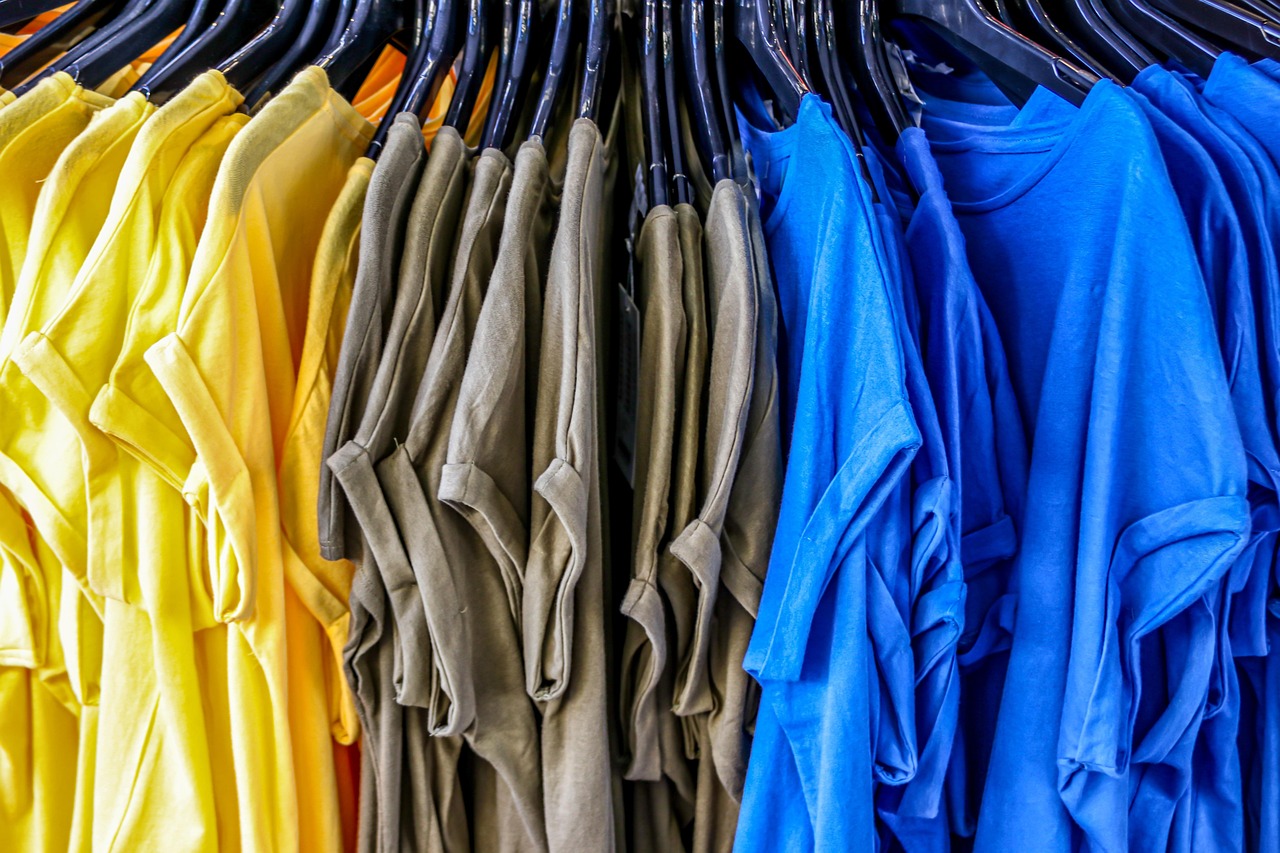
In practical terms, color works in two ways. First, it can refresh core wardrobe pieces: a vivid red knit, teal skirt, yellow shirt or saturated accessory can make familiar denim, tailoring or linen feel current. Second, color can bridge seasons. Sage, cream, soft brown, stone, navy and warm gray are useful because they support spring brights, summer whites, fall texture and winter outerwear.
The editorial takeaway is simple: shoppers do not need to chase every trending shade. A more reliable approach is to choose one seasonal accent color and one neutral family that already fits the wardrobe. This keeps outfits current while reducing the risk of buying pieces that only work for a short period.
Spring and summer trends are practical, expressive and easy to move in
Vogue’s June 18, 2026 spring/summer trend coverage pointed to a season shaped by wearability and individual styling. It highlighted playful sets, cargo pants, button-down shirts, sporty shorts, scarf styling, drop-waist dresses, fringe and soft volume. These directions are useful because most can be translated into everyday outfits without looking like runway costume.
Utility becomes softer
Cargo pants and utility details remain relevant, but the styling is lighter than earlier workwear cycles. The most wearable versions use lighter fabrics, relaxed cuts and cleaner pocket placement. For spring and summer, utility trousers work with tanks, crisp shirts, flat sandals and low-profile sneakers. The seasonal update is not only the pocket detail; it is the easier shape and the way the piece fits into warm-weather dressing.
Soft volume replaces tight summer dressing
Balloon trousers, Bermuda shorts, fluid skirts and airy peplum shapes reflect a broader move toward volume that still feels comfortable in warm weather. This is a practical trend because it supports airflow and movement. The main issue is proportion. A wide pant usually looks cleaner with a simpler top, while a fuller blouse works better with a straighter skirt or short.
Scarf styling and sets make outfits look intentional
Scarf tops, printed wraps and matching sets are popular because they create visual impact with limited effort. A coordinated set can be worn together for a polished summer outfit, then split into separates later. A scarf can work as a hair accessory, belt, top layer or bag detail. These are small styling tools with strong seasonal visibility.
Fall and winter trends focus on layers, coats and polished separates
Vogue’s March 18, 2026 fall trend report emphasized practical layering, statement coats, shirts, dropped waists, color blocking and updated menswear references. Some runway ideas, such as extreme sheerness or heavily distressed garments, are more editorial than everyday. The most useful fall and winter signals are the ones that solve real dressing problems: warmth, layering, workwear polish and adaptable evening looks.
Layered separates are replacing one-note outfits
Multi-layered looks were a major fall signal because they allow outfits to adjust through the day. A shirt under a fine knit, a vest over a blouse, a cropped jacket over a longline top or a dress over trousers can create interest without relying on novelty prints. This direction is especially useful for transitional weather, when mornings, offices and evenings may feel like different seasons.
Outerwear is the anchor purchase
Coats, shearling textures, strong collars and practical jackets are gaining importance because outerwear is often the only visible part of a winter outfit. A coat in a clean shape can modernize older denim, knitwear and tailoring. For shoppers trying to spend carefully, one well-chosen outer layer may deliver more impact than several trend tops. See also: Fashion Trends.
Button-down shirts and menswear references remain strong
The button-down shirt continues to move across seasons because it can be crisp, relaxed, oversized, tucked, open or layered. Menswear-inspired tailoring, tuxedo details and structured shirts give fall and winter outfits polish without relying on formal dresses. This trend works best when balanced with softer fabrics, jewelry, color or relaxed footwear.
Resale, repair and value are shaping what feels modern
One of the most important seasonal clothing trends is not a silhouette. It is the way people evaluate purchases. ThredUp’s 2026 Resale Report, released on April 2, 2026 and conducted with GlobalData, projected the global secondhand market to reach $393 billion by 2030. The same report said the U.S. secondhand market grew nearly four times faster than broader retail clothing in 2025 and that Gen Z and Millennials are expected to drive most resale growth through 2030.
This matters for seasonal dressing because resale changes how shoppers adopt trends. They can test a shape, color or brand secondhand before committing to a new purchase. They can also choose pieces with stronger resale value, which encourages better materials, recognizable silhouettes and more careful care habits.
Repair is part of the same value shift. Major fashion retailers and specialty brands have been expanding mending, alteration and care programs, according to 2026 retail reporting. The message is not that people will stop buying new clothes. It is that a modern wardrobe increasingly includes buying, reselling, repairing and restyling as connected behaviors.
A practical seasonal trend map
| Season | Useful trend direction | Pieces to consider | What to avoid |
|---|---|---|---|
| Spring | Light layers and fresh color | Button-down shirts, fine knits, relaxed trousers, light jackets | Buying bright colors that do not work with existing basics |
| Summer | Ease, utility and soft volume | Coordinated sets, cargo pants, Bermuda shorts, scarf accessories, breathable dresses | Too many occasion-only pieces with limited styling range |
| Fall | Layered separates and texture | Vests, shirts, midi skirts, soft tailoring, leather or suede-effect accessories | Heavy layers that cannot be removed indoors |
| Winter | Outerwear-led dressing | Statement coats, shearling textures, tall boots, warm knits, structured trousers | Trendy outerwear that does not suit the local climate |
The table shows the practical value behind the trend cycle: the strongest pieces are not just fashionable in one month. They solve a seasonal problem and can be restyled later.
How to use seasonal trends without overbuying
The most effective way to apply trends is to start with a wardrobe audit. Identify what already works, what is worn out and what no longer fits the way you live. Then add trends in targeted categories instead of shopping from a full seasonal mood board.
- Choose one silhouette update. For example, try a balloon trouser, longer short, drop-waist dress or sharper jacket.
- Choose one color direction. Add a seasonal accent through a knit, shirt, scarf or bag rather than multiple unrelated items.
- Prioritize layers. Pieces that work over or under other garments usually deliver more wear.
- Check care requirements. If a fabric is hard to clean or store, it may not be a practical seasonal investment.
- Think about resale or repair. Better construction, recognizable shapes and good fabric condition help a piece last beyond one trend cycle.
Trends should create direction, not pressure. A strong seasonal wardrobe can include new, secondhand, repaired and long-owned pieces. The goal is to look current while keeping the closet useful.
Frequently asked questions
What are the most wearable seasonal clothing trends right now?
The most wearable directions are layered separates, button-down shirts, relaxed utility trousers, expressive color accents, strong outerwear and coordinated sets. They are trend-aware but still practical for real wardrobes.
How often should I update my wardrobe for seasonal trends?
Most people do not need a full update every season. A realistic approach is to refresh one or two categories, such as color, outerwear, footwear or a key silhouette, while continuing to wear reliable basics.
Are runway trends useful for everyday clothing?
Runway trends are useful when translated carefully. Instead of copying a full runway look, identify the underlying idea: volume, layering, texture, color blocking, utility or tailoring. Then apply it in a way that fits your climate and lifestyle.
How can I follow trends more sustainably?
Buy fewer, better-matched pieces; consider secondhand options; repair items that still have life; and choose trends that work with clothes you already own. The most sustainable trend purchase is usually the one that gets worn often.