Seasonal style trends shaping the 2026 wardrobe
Seasonal style trends in 2026 are moving away from a single uniform look. The clearer direction is expressive practicality: clothes that can handle changing weather, workdays and social plans, but with more color, texture and personality than the quiet basics that shaped recent seasons. As of September 13, 2026, runway reporting, color forecasting and consumer search data point to wardrobes built on contrast: grounded neutrals with vivid accents, polished tailoring with playful proportions, and small accessories that make familiar pieces feel current. For more seasonal coverage, visit seasonal trends. (vogue.com)
Why 2026 trends feel more personal than prescriptive
The shift is not simply from minimalism to maximalism. It is from fixed aesthetics to edited self-expression. Vogue described fall-winter 2026 as more expressive while still leaving room for wearable silhouettes and classic staples. British Vogue also framed autumn-winter 2026 around imagination, storytelling and stepping outside sartorial comfort zones, rather than repeating the same algorithm-shaped outfit formulas. (vogue.com)
That distinction matters because shoppers are still balancing desire with caution. McKinsey and The Business of Fashion reported that fashion executives expected low single-digit global growth in 2026 and identified value-conscious consumer behavior as a continuing force. In practical wardrobe terms, remixing becomes more important than replacing. A cardigan, shirt, blazer, denim skirt or workwear jacket can feel trend-relevant through proportion, color, layering or a focused accessory update. (mckinsey.com)
Pinterest’s 2026 trend reporting adds another useful signal. Many consumers are looking for comfort, authenticity and optimism, and 42% of global respondents said they only participate in trends that suit them. That supports a selective approach to seasonal dressing. The goal is not to buy into every trend, but to choose the signals that fit the wearer’s climate, lifestyle and existing wardrobe. (newsroom.pinterest.com)
Color is doing much of the seasonal work
Color is one of the most efficient ways to make older clothes feel seasonal. Pantone’s New York Fashion Week Autumn/Winter 2026/2027 report, published on February 11, 2026, described the palette as a balance between understated opulence and modernity, with earthy and neutral shades shown alongside brighter, more experimental colors. The top colors included Muted Clay, Neptune Green, Green Envy, Arabian Spice, Foxglove, Festival Fuchsia, Red Mahogany, Acacia, All Aboard and Burnt Olive, supported by seasonless neutrals such as Egret, Candied Ginger, Toffee, Underworld and Poseidon. (pantone.com.br)
The practical takeaway is straightforward: start with stable neutrals, then add one high-impact color. A cream knit and dark denim can carry Festival Fuchsia through a scarf or bag. Toffee, Burnt Olive and Arabian Spice can give fall outerwear depth without making it feel heavy. All Aboard or Poseidon can freshen navy, gray and black, while Foxglove can soften tailoring. This approach adds seasonality without requiring a complete closet reset.
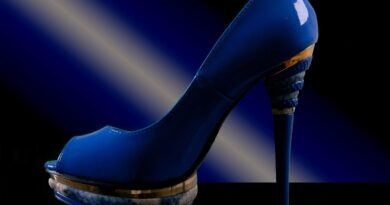
Pinterest’s 2026 Cool Blue signal also fits the cleaner accent story, especially around icy blues and glacier-inspired styling. Google’s spring 2026 search data pointed to blue satin shoes reaching a 10-year high, while broader searches for satin sandals rose strongly with spring seasonality. Taken together, these signals suggest that blue is not only a winter tone; it can move through spring accessories, summer denim styling and autumn layering. (newsroom.pinterest.com)
Runway directions that translate into everyday outfits
The most useful 2026 runway ideas are not costume-level trends. They are familiar pieces adjusted through shape, texture or styling. Vogue’s August 19, 2026 fall trend report highlighted second-skin maxi dresses, fall florals, peplum proportions, Art Deco dresses, cropped cuts and the power of styling. The same report pointed to clean silhouettes mixed with rich textures and unexpected details, a workable formula for real wardrobes. (vogue.com)
Outerwear gets texture and shape
Outerwear remains a practical anchor for seasonal style trends because it is visible, weather-relevant and easy to repeat. Vogue’s March 18, 2026 runway analysis noted the importance of snug, stylish coats, including shearling and face-framing collars, in cold-weather dressing. Shearling will not suit every budget or climate, but the broader idea translates well to brushed wool, plush collars, faux shearling trims, padded jackets and cropped button-up jackets. (vogue.com)
Shirts and tailoring become more flexible
Button-down shirts, blazers and tailored separates are being styled with more personality. British Vogue identified the multipurpose shirt and ladylike blazer among autumn-winter 2026 shopping directions, while Vogue’s runway coverage emphasized adapted menswear staples such as shirts and tuxedo-inspired dressing. In everyday styling, that can mean wearing a crisp shirt under a cropped knit, leaving cuffs visible, belting an oversized shirt, or pairing a structured blazer with softer lace, satin or denim. (vogue.co.uk)
Proportion is the quiet trend engine
Peplums, dropped waists, cocoon shapes, cropped jackets and wider trousers show how much of the change is coming from proportion. These details can look dramatic on the runway, but they become wearable when kept to one focal point. If the top has volume, keep the lower half cleaner. If the trousers are wide, define the waist or use a shorter jacket. If a dropped-waist dress feels too literal, a longer-line vest or tunic layered over straight pants can suggest the same direction in a more restrained way.
Search data points to the pieces shoppers are actually looking for
Runway trends show direction, but search behavior shows what people are actively trying to wear. Google’s spring 2026 fashion and beauty trend report said nostalgic styles were rising, with polka dot search interest reaching an all-time high in 2026, lace midi skirt at a 10-year high, and cropped pants and ankle pants also reaching all-time highs. Footwear and accessories showed similar movement, including five-year highs for ballet flats and Mary Jane shoes, all-time high interest in kitten heels, and record or breakout activity around chunky necklaces, cuff bracelets, barrel bags, east-west bags and silk scarf styling. (blog.google) See also: Fashion Trends.
| Trend signal | Why it matters | Wearable seasonal use |
|---|---|---|
| Polka dots and lace | Nostalgic, but easy to modernize | Use one patterned or lace piece with denim, tailoring or a simple knit |
| Cropped pants and capris | Search-led interest in shorter proportions | Pair with flats, kitten heels or tall boots as temperatures change |
| Ballet flats, Mary Janes and kitten heels | Low-profile shoes are replacing some sneaker-only looks | Use them to make jeans, skirts and wide trousers feel more polished |
| Silk scarves and east-west bags | Accessories are carrying a large share of the update | Tie scarves at the neck, waist or bag handle; choose elongated bags for a sharper line |
Accessories and resale make trend updates more efficient
Accessories are becoming a lower-commitment way to refresh seasonal dressing. McKinsey and The Business of Fashion noted that jewelry was forecast to be the fastest-growing fashion category by unit sales, growing at more than four times the rate of clothing. Pinterest also reported interest in brooches, heirloom jewelry and maximalist accessories in its 2026 predictions. The practical implication is clear: one brooch, cuff, charm necklace or sculptural earring can change the mood of basics without adding another full outfit. (mckinsey.com)
Secondhand shopping is another important part of the seasonal equation. ThredUp’s 14th annual Resale Report, released on April 2, 2026 and conducted with GlobalData, described the global secondhand market as a $393 billion market representing roughly 10% of total apparel spend. The report also said Gen Z and Millennials were set to drive more than 70% of market growth through 2030. Because many 2026 trends draw on nostalgia, archive shapes and familiar staples, resale can be especially useful for sourcing leather jackets, silk scarves, blazers, brooches, denim and occasion pieces. (newsroom.thredup.com)
How to build a trend-aware seasonal wardrobe
A strong seasonal wardrobe starts with editing, not impulse buying. First, identify the base pieces that already get repeated: jeans, trousers, shirts, knits, jackets, dresses and shoes. Second, choose one seasonal color direction, such as warm clay and olive, cool blue and gray, or cream with deep red-brown. Third, add one proportion update, such as a cropped jacket, wide-leg trouser, longer skirt or shaped blazer. Fourth, bring in texture through lace, satin, brushed wool, velvet, denim, leather or a tactile knit.
The final step is deciding what not to follow. If capris do not suit the climate, translate the cropped proportion into ankle trousers. If bold fuchsia feels too strong, try it in a print or accessory. If Art Deco dresses feel too formal, borrow the idea through beading, a geometric earring or a satin evening bag. The strongest seasonal style trends are flexible enough to be adapted, and the best wardrobes use them as cues rather than rules.
Frequently asked questions
What are the biggest seasonal style trends for 2026?
The most consistent 2026 signals are expressive color, tactile outerwear, playful proportions, nostalgic prints, polished low-profile shoes, stronger accessories and smarter wardrobe remixing. The trend direction is less about one dominant aesthetic and more about adding personality to practical clothes. (vogue.com)
How can I follow seasonal trends without overbuying?
Start with one color, one silhouette and one accessory. For example, combine an olive or toffee outer layer with wide trousers and a brooch, or update a simple dress with kitten heels and a silk scarf. This keeps the look current while limiting unnecessary purchases.
Are 2026 fashion trends more maximalist?
Some signals are more expressive, including richer colors, lace, brooches, Art Deco references and bold proportions. However, the broader direction is not pure maximalism. It is contrast: simple staples styled with more texture, color and detail. (vogue.co.uk)
Which trends are easiest to wear across seasons?
Color accents, silk scarves, structured shirts, blazers, cropped jackets, ballet flats, kitten heels, denim and jewelry are among the easiest to carry across seasons. They can be layered in cold weather, lightened for spring and restyled for summer evenings.
Is secondhand shopping useful for seasonal trends?
Yes. Because many current signals reference nostalgia, classic tailoring and accessories, secondhand channels can be useful for finding trend-relevant pieces without relying only on new-season retail. Resale is also gaining scale as a consumer market, according to ThredUp and GlobalData’s 2026 reporting. (newsroom.thredup.com)