
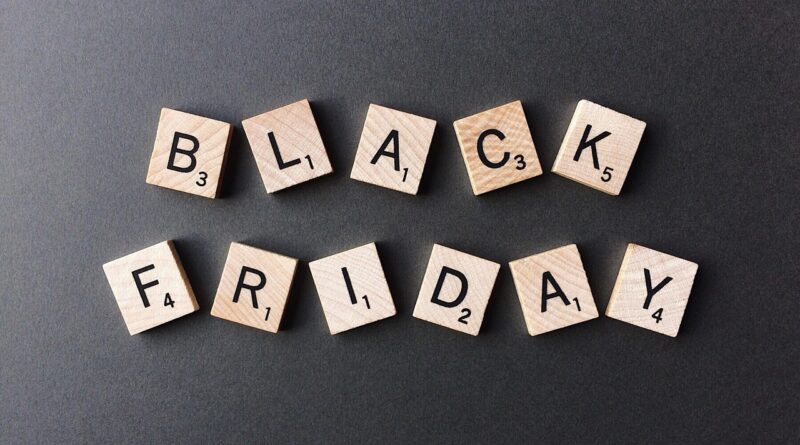
Black Friday clothing sale guide for smarter apparel shopping
What to know before shopping Black Friday clothing sales
If you are searching for black friday sale clothes, start with the items you actually need rather than the biggest percentage-off banner. Build a short list, compare the final delivered price, and confirm whether sale merchandise can be returned before you buy. In 2026, Black Friday falls on November 27 and Cyber Monday follows on November 30, so apparel promotions are likely to run across the full Thanksgiving weekend rather than only one day.
The latest completed U.S. holiday shopping data explains why clothing deserves a focused plan. The National Retail Federation reported that clothing and accessories were the most purchased gift category during the 2025 Thanksgiving-to-Cyber-Monday period. Adobe Analytics reported that online apparel discounts peaked at 25.1% during the 2025 holiday season. Those figures do not guarantee the same offers in 2026, but they show that clothing is a high-volume, highly competitive category during Black Friday week.

For more practical buying guides throughout the season, visit our Shopping Guides section.
Why clothing deals need a different strategy from electronics
Apparel is harder to compare than a device with a model number. A laptop or television can be assessed by exact specifications; a coat, denim fit, dress, sweater, or pair of boots depends on fabric, sizing, cut, care requirements, and how the item works with your existing wardrobe. A 40% clothing discount is not much help if the garment does not fit, cannot be returned, or needs costly alterations.
Clothing promotions also tend to come with more exclusions. A retailer may advertise a sitewide sale while excluding premium denim, new arrivals, designer collaborations, third-party marketplace items, or selected footwear brands. In fashion, the phrase “up to” matters. It often means only part of the assortment receives the deepest markdown, while staple colors and popular sizes sell at smaller reductions.
The better question is not “How big is the discount?” but “Is this the right item at a lower total cost than I would reasonably pay another week?” That approach helps you avoid duplicate basics, trend pieces that do not suit your style, and final-sale purchases that become closet clutter.
When to shop for clothes during Black Friday week
Black Friday now works more like a retail period than a single shopping day. Many fashion retailers begin early access events in the first half of November, increase urgency around Thanksgiving and Black Friday, and continue online-led promotions through Cyber Monday. For 2026, use the calendar this way:
| Shopping window | What to watch | Best use |
|---|---|---|
| Early November | Pre-sale codes, member access, limited category discounts | Track baseline prices and save wish-list items |
| Thanksgiving week | Broader apparel markdowns and free-shipping thresholds | Buy popular sizes before they sell out |
| Black Friday, November 27, 2026 | Major storewide events and doorbuster-style offers | Purchase priority pieces after checking terms |
| Cyber Monday, November 30, 2026 | Online codes, bundles, extended discounts | Compare final prices and fill wardrobe gaps |
| Early December | Leftover inventory and gifting deadlines | Shop cautiously when size runs are broken |
For clothing, earlier shopping can be better when size and color matter. Waiting for a slightly larger discount may not help if the black coat, neutral knit, wide-width boot, or long-inseam jeans you wanted are gone. If you are buying gifts, earlier orders also leave more time for exchanges.
How to tell whether a clothing discount is worth it
A strong apparel deal has three parts: a believable starting price, a useful final price, and terms that protect you if the item does not work. Before checking out, compare the sale price with the item’s price history if you have been watching it, similar items from competing retailers, and the total cost after shipping, taxes, and possible return fees.
The Federal Trade Commission’s consumer guidance emphasizes comparison shopping, checking the full cost including fees, reading deal terms, and reviewing return policies before buying online. That advice is especially important for clothing because fit uncertainty is built into the category.
- Check the final cart price. A 30% markdown can shrink quickly if shipping is high or a return label fee applies.
- Read the product description closely. Fabric content, lining, stretch, rise, inseam, and care instructions all affect long-term value.
- Look for final-sale language. Clearance apparel may have stricter return rules than full-price merchandise.
- Compare colors separately. Retailers sometimes discount seasonal colors more heavily than core black, navy, camel, or denim washes.
- Do not rely only on the crossed-out price. Compare with similar garments and your own saved price notes.
A simple rule helps: if you would not seriously consider the item at 10% less, do not let a 40% banner make the decision for you. The better purchase is usually the garment that fills a real wardrobe gap, fits your lifestyle, and can be worn repeatedly.
Apparel categories worth prioritizing
Not every clothing category behaves the same during Black Friday sales. Some categories are worth watching because the starting prices are high enough for a discount to matter. Others carry more risk because sizing, quality, or return rules can turn a bargain into a problem.
Outerwear
Coats, jackets, puffers, wool blends, rainwear, and fleece can be good Black Friday targets because their starting prices are often higher. Focus on insulation, lining, pockets, closures, and care instructions. A cheap coat that pills quickly or does not suit your climate is not a strong deal.
Denim and trousers
Jeans, tailored trousers, chinos, and work pants are useful purchases if you already know the brand’s fit. Check the rise, inseam, stretch percentage, and whether the retailer charges for returns. If you are between sizes, a slightly smaller discount with free returns may be safer than a deeper final-sale markdown.
Knitwear and layering basics
Sweaters, cardigans, thermal layers, tees, and long sleeves are common promotion items. Look beyond color and price. Fabric blends with wool, cotton, cashmere, viscose, nylon, or acrylic will feel and wear differently. For basics, buying multiples only makes sense when you already know the fit and care routine.
Shoes and accessories
Boots, sneakers, belts, bags, scarves, and cold-weather accessories often appear in holiday promotions. Shoes require extra caution because comfort problems may not show up during a quick indoor try-on. Read wear-test rules, return condition requirements, and whether original packaging is required.
Fit, returns, and shipping checks before checkout
Returns are the hidden cost of Black Friday apparel shopping. A clothing deal is less attractive if you must pay return shipping, accept store credit, or keep an item that does not fit. The FTC notes that sellers must state whether items can be returned for a full refund, and shoppers should check who pays return shipping, how many days are allowed, and whether restocking fees apply. See also: Fashion Trends.
Shipping promises also matter during the holidays. FTC guidance says sellers must ship when they say they will. If no shipping time is stated, they generally must ship within 30 days after receiving the order and payment information. For gifts, do not assume a Black Friday purchase will arrive in time unless the retailer provides a clear delivery estimate.
Before buying sale clothes online, use this quick fit checklist:
- Compare your measurements with the garment size chart, not only your usual letter size.
- Read reviews from shoppers who mention height, body shape, or fit preference.
- Check model measurements if provided, but do not treat them as a guarantee.
- Look for photos or notes about fabric weight, sheerness, stretch, and shrinkage.
- Save order confirmations, return rules, and screenshots of important sale terms.
If you plan to buy multiple sizes, confirm that the retailer allows returns on sale merchandise. Intentional bracketing can be convenient, but it becomes expensive if return labels, restocking fees, or store-credit-only refunds apply.
A practical workflow for buying Black Friday sale clothes
The strongest shopping plan starts before the sale opens. Spend 20 minutes auditing your wardrobe: identify worn-out basics, missing layers, upcoming event needs, and gifts. Then set a clothing budget separate from electronics, beauty, home, or travel spending.
- Build a wish list by category. Separate needs such as a winter coat, black jeans, work shirts, and boots from wants such as partywear or trend pieces.
- Record current prices. Save the regular price, available sizes, shipping cost, and return terms before Black Friday week.
- Rank items by fit risk. Buy known sizes and repeat brands online; consider trying unfamiliar tailoring, shoes, or formalwear in store if possible.
- Set a cart limit. Decide the maximum number of items before browsing. This helps prevent “cheap but unnecessary” purchases.
- Check the final terms. Review promo exclusions, return windows, refund method, shipping dates, and price adjustment policies.
- Pause before checkout. If an item was not on your list, ask what outfit it completes and how often you will wear it.
This workflow turns Black Friday from a reaction into a plan. It also helps you recognize when a sale is good but not right for you. In fashion shopping, skipping the wrong deal is often as valuable as finding the right one.
Common mistakes to avoid
The first mistake is buying for an imagined lifestyle. A sequined dress, ultra-formal coat, or delicate sweater may be attractive, but if it does not match your real calendar or laundry habits, the discount is not enough.
The second mistake is ignoring wardrobe overlap. Black Friday can make shoppers buy another version of something they already own. Before purchasing, picture the item next to your current clothes. If it duplicates three pieces without improving fit, color, or quality, it may not add value.
The third mistake is treating final sale as harmless. Final-sale clothing can be reasonable for repeat purchases, low-fit-risk accessories, or brands you know well. It is riskier for shoes, fitted dresses, structured blazers, jeans, and anything with unfamiliar sizing.
The fourth mistake is letting free-shipping thresholds control the cart. Adding an unnecessary item to avoid a shipping fee may raise your total spend. Compare both totals before choosing.
Frequently asked questions
Is Black Friday a good time to buy clothes?
Yes, it can be a good time, especially for outerwear, denim, knitwear, basics, shoes, and accessories. However, the value depends on the final price, fit confidence, and return terms. A smaller discount on a returnable item can be better than a deeper markdown on final sale.
Should I wait until Cyber Monday for clothing deals?
Not always. Cyber Monday is important for online promotions, but popular clothing sizes and colors may sell out before then. If the item is a wardrobe priority and the Black Friday price is strong, waiting only makes sense if you are comfortable with sellout risk.
What clothing items should I avoid buying on final sale?
Be cautious with shoes, tailored pants, fitted dresses, bras, structured coats, and unfamiliar brands. These items have higher fit risk. Final sale is safer for repeat purchases, simple accessories, or items you have already tried.
How can I avoid overspending on Black Friday clothes?
Use a category budget, shop from a written list, compare total cart cost, and pause before checking out. If you cannot name at least three ways you will wear an item, it may be an impulse purchase rather than a useful deal.
What is the most important policy to check before buying sale apparel?
Check the return policy first. Confirm whether sale items are refundable, whether returns are free, how long the return window lasts, and whether refunds go back to the original payment method or only to store credit.