

How to choose ladies long dresses for fit, fabric, and occasion
Why ladies long dresses need a more careful shopping checklist
Ladies long dresses require more than a quick decision on color or print. Because the garment runs from shoulder to ankle or floor, small issues with hem length, fabric weight, lining, and ease of movement become more noticeable in daily wear. A good choice should fit your height, climate, schedule, occasion, preferred fabrics, and care routine.
In 2026 style coverage from major fashion publications, longer hemlines remain visible in summer and occasionwear discussions, especially relaxed maxis, tiered shapes, draped gowns, crochet textures, and softer slip-inspired silhouettes. The practical takeaway is to choose the structure first and the trend second. If the length, fabric, and fit do not suit your real routine, the dress is unlikely to become a repeat piece.
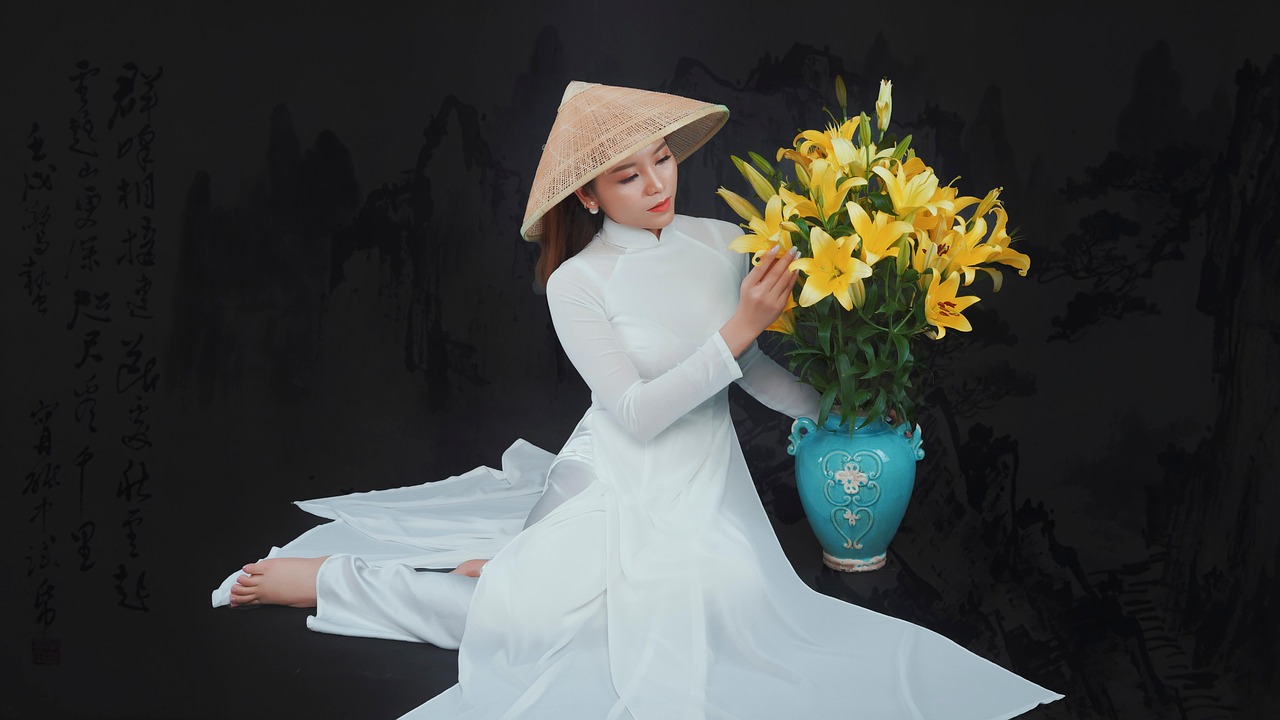
This guide focuses on practical buying decisions rather than specific products. For more wardrobe planning articles, visit our shopping guides.
Start with the occasion, not the dress photo
A long dress can serve very different purposes. A beach maxi, a polished work dress, a wedding guest gown, and an everyday cotton dress may all appear under the same search term, but their fit, material, and finish should be judged differently.
For casual daily wear, prioritize breathable fabric, washable construction, secure straps or sleeves, and a hem that will not drag on pavement. For vacation, look for packable fabrics, simple closures, and prints that help disguise wrinkles. For work or smart-casual settings, a long dress usually needs a cleaner neckline, controlled volume, and fabric that is not too sheer in daylight. For evening events, drape, lining, and finish matter more than easy laundering.
Before comparing dresses, define the job the dress must do:
- Everyday wear: easy movement, machine-washable fabric, and a length that works with flats or low sandals.
- Office or smart casual: modest slit height, a structured waist or belt option, and fabric with enough weight to hang neatly.
- Wedding guest or event: elevated fabric, lining where needed, and a silhouette that photographs well without conflicting with the dress code.
- Travel: wrinkle resistance, versatile styling, and compatibility with one or two pairs of shoes.
- Summer heat: breathable fiber content, a looser fit, and a lighter color if sun exposure is likely.
This step prevents a common buying mistake: choosing a dramatic long dress that looks beautiful online but has no natural place in your wardrobe.
Compare silhouettes before choosing colors
Silhouette has a major effect on comfort and repeat wear. Color attracts attention first, but cut decides whether the dress works on the body. When shopping for ladies long dresses, compare the shape from shoulder to hem and note where the garment adds volume, where it skims, and where it needs support.
A-line and fit-and-flare long dresses
A-line dresses are among the most versatile options because they narrow above the hip and release gradually toward the hem. They can suit casual, work, and semi-formal wardrobes depending on fabric. If you want one long dress that can be styled several ways, this is often a practical place to start.
Straight and column dresses
Straight long dresses create a clean vertical line. They can look modern and minimal, but they require enough ease at the hip and through the stride. If the fabric has no stretch or slit, sit down and walk before committing. A column shape that looks elegant while standing can feel restrictive in real use.
Wrap and faux-wrap dresses
Wrap styles offer adjustability at the waist and can work across changing body measurements. A true wrap should have enough overlap to stay secure while walking. A faux-wrap can be easier to manage but may offer less flexibility. For windy weather or travel, check whether the skirt opening feels secure.
Tiered and bohemian maxis
Tiered long dresses have been repeatedly highlighted in recent fashion coverage because they balance comfort with visual movement. They are especially useful for warm-weather wardrobes, vacations, and relaxed social events. The trade-off is volume: petite shoppers or anyone who prefers a sharper line may want smaller tiers, lighter fabric, or a defined waist.
Slip and bias-cut dresses
Slip-inspired long dresses can be elegant, but they are less forgiving of thin fabric, poor lining, or static. Bias cuts move beautifully when well made, yet they can cling in humid conditions or under bright light. Check opacity, undergarment compatibility, and whether the seams twist when the dress hangs.
Understand fabric labels and what they mean in daily wear
Fabric is one of the clearest quality signals for long dresses because there is more material involved. A fabric that feels slightly stiff, sheer, hot, or heavy in a short dress can become a bigger issue in a full-length garment.
In the United States, Federal Trade Commission apparel guidance says most textile and wool products must carry labels that identify fiber content, country of origin, and the manufacturer or another responsible business. The FTC also explains that care labels are required so consumers know how to clean garments. For shoppers, the sewn-in label is often more useful than marketing copy on a product page.
| Fabric or fiber | Why it works in long dresses | What to check before buying |
|---|---|---|
| Cotton | Breathable, familiar, and useful for casual summer dresses | Wrinkling, shrinkage risk, lining, and whether the fabric is too sheer |
| Linen | Cool, textured, and strong for resort or warm-weather styling | Natural creasing, transparency, and whether the dress has enough structure |
| Viscose, rayon, modal, or lyocell | Soft drape and fluid movement, often used in printed maxis | Care instructions, shrinkage risk, and whether the fabric becomes heavy when wet |
| Silk | Elegant drape and natural sheen for evening or refined occasions | Dry-cleaning needs, delicate seams, sweat marks, and price-to-use value |
| Polyester | Wrinkle resistance, durability, and common use in occasion dresses | Breathability, static, lining quality, and whether the finish looks too shiny |
| Blends | Can combine comfort, structure, stretch, or easier care | Actual percentage of each fiber, not just the most marketable fiber named on a hangtag |
Textile Exchange’s 2025 materials reporting notes that cotton remains a major apparel fiber, while certified and controlled sourcing programs are increasingly discussed across cotton and manmade cellulosic fibers. That does not automatically make every garment sustainable, but it does explain why shoppers are seeing more fiber claims on labels and product pages. Treat those claims as a starting point, then look for specific fiber percentages and care requirements.
Get the length right for your height, shoes, and movement
Length is the detail that most often separates a useful long dress from one that stays in the closet. Product photos usually show tall models, careful posing, and selected footwear. Real life includes stairs, curbs, office chairs, car doors, and sidewalks.
Use these checks before buying:
- Measure from shoulder or high point to hem: Compare the garment length to a dress you already own, not only to the model height.
- Decide on shoes first: A dress that works with heels may drag with flats. If you want everyday use, test the length with the shoes you actually wear most.
- Check the slit: A slit can improve walking ease, but it should not make sitting uncomfortable or expose more than the occasion allows.
- Consider petite, tall, and regular sizing: A petite long dress is not only shorter; waist, shoulder, and proportion points may also be adjusted.
- Budget for hemming: A simple hem can be worth it, but tiered, curved, lace, pleated, or beaded hems may be more expensive to alter.
If you are between sizes or heights, prioritize where the waistline falls. A hem can sometimes be shortened, but a misplaced waist seam is harder to correct. See also: Fashion Trends.
Check construction details that affect quality
Long dresses use more fabric and can expose construction shortcuts quickly. Seams, lining, closures, and print placement all influence how polished the dress looks after several wears.
Look closely at:
- Lining: A lined skirt can reduce transparency and improve drape, but it should not make a summer dress too hot.
- Seams: Side seams should hang straight. Twisted seams can suggest poor cutting or unstable fabric.
- Print matching: Large florals, stripes, and checks look more refined when pattern placement is intentional.
- Zippers and buttons: Closures should lie flat and feel secure. Pulling at the zipper is a warning sign.
- Elastic: Elastic waists should recover after stretching and should not roll inside the casing.
- Straps: Adjustable straps add flexibility, especially for slip, camisole, and vacation dresses.
For online shopping, zoom into product images and read the material and care sections carefully. If a product page does not show the back view, lining status, fabric composition, or garment length, the purchase carries more uncertainty.
Use trends selectively instead of chasing every new look
Recent fashion reporting has highlighted long-dress directions such as dropped waists, tiered bohemian maxis, crochet textures, soft draping, cape-like shapes, and silk or chiffon movement. These trends can be useful inspiration, but they should not override function.
A trend is more likely to be worth buying when it overlaps with your existing wardrobe and use cases. For example, a tiered cotton maxi may work if you already wear sandals, woven bags, and relaxed summer layers. A sleek satin slip dress may be better if you often attend dinners, weddings, or evening events. A crochet or open-knit long dress may be beautiful for resort styling but less practical if it requires special underlayers every time.
Use this simple filter:
- Can I wear it with at least two pairs of shoes I already own?
- Does the fabric suit my climate and cleaning habits?
- Is the neckline compatible with my preferred undergarments?
- Will the length work without immediate tailoring?
- Does the dress still appeal to me without the styling shown in the photo?
If the answer is mostly yes, the trend may have real wardrobe value. If the answer is mostly no, admire the look and keep shopping.
Common buying mistakes to avoid
The biggest mistake is treating all long dresses as interchangeable. A dress can be the right size but still wrong for your lifestyle. Another common mistake is ignoring care instructions. If you dislike hand washing or dry cleaning, a delicate long dress may become too demanding even if it fits well.
Also avoid buying only for an unscheduled future event. Occasion dresses have a place, but a highly specific gown may offer poor value if it cannot be restyled. On the other hand, do not make every purchase overly practical. A long dress should still feel enjoyable; the goal is to balance beauty with use.
Finally, be cautious with vague fabric descriptions. Phrases such as “silky feel,” “linen look,” or “cotton touch” do not necessarily identify the actual fiber content. The label or product specification should tell you what the garment is made from and how to care for it.
Frequently asked questions
What is the difference between a maxi dress and a long dress?
A maxi dress usually reaches the ankle or floor, while “long dress” is a broader term that may include ankle-length, floor-length, and some lower-calf styles. In shopping, always check garment measurements rather than relying only on the name.
Are long dresses practical for everyday wear?
Yes, if the fabric is washable, the hem clears the ground, and the silhouette allows walking and sitting comfortably. Cotton, linen blends, and some viscose or lyocell dresses can work well for everyday use when the care instructions fit your routine.
Which long dress style is easiest to dress up or down?
A simple A-line, shirt-style, or clean sleeveless long dress is often easiest to restyle. Shoes, belts, jewelry, and outer layers can shift the same dress from casual to polished without changing the core garment.
How should a long dress fit at the waist?
The waist should sit where the design intends and should not pull, bunch, or ride up. If the waist seam is too high or too low, sizing up may not solve the problem; a different cut may be better.
What should I check first when buying ladies long dresses online?
Start with garment length, fiber content, care instructions, return policy, and photos from multiple angles. These details reveal more about real-life wear than a styled front-view image alone.
Bottom line
The most useful ladies long dresses are not always the most dramatic ones. They are the dresses that match your occasion, fit your proportions, feel comfortable in the right fabric, and can be cared for realistically. Trends can guide your eye, but measurements, labels, construction, and lifestyle should guide the purchase.