Which Famous Shopping Brands Are Actually Worth Buying in 2026?
Which Famous Shopping Brands Should You Know First?
If you are comparing famous shopping brands for a better wardrobe, start with the names people really buy, not only the ones you see in ads. This guide looks at fashion and clothing brands that show up in malls, airports, high streets, resale apps, and daily outfit videos. For more buying tips, browse the Shopping Guides section.
One point is worth saying before the list. There is no public ranking that can name the best fashion brand for every shopper. Brand value rankings, revenue reports, and consumer surveys all look at different parts of the market. Kantar BrandZ reported in 2026 that Zara became the world’s most valuable apparel brand, moving ahead of Nike, while Hermès moved ahead of Louis Vuitton in luxury. Its Global Top 100 brands reached $13.1 trillion in total value, up 22%, which shows that a known name still affects shopping decisions. (kantar.com)
Zara for Fast Moving Trend Shopping
Zara is useful when you want current seasonal pieces without waiting months for runway ideas to reach stores. Parent company Inditex reported 2025 revenue of €39.9 billion, up 3.2%, and a gross margin of 58.3%. That size helps explain why Zara can update stores often and still look fresh in many markets. From a buyer’s point of view, the rule is simple. Buy Zara for cut, color, and timing, but check seams, lining, and fabric before you pay. (annualreport.inditex.com)
Nike and adidas for Sport Led Wardrobes
Nike and adidas work in another lane. They are famous because sport gives the clothing a clear job: running, training, walking, basketball, football, travel, and casual streetwear. A Nike hoodie or adidas Samba is not only a logo item. It connects with movement, teams, and a long sneaker culture. If most of your wardrobe is casual, one solid pair of sneakers may get more wear than three trend tops.
Uniqlo for Everyday Basics
Uniqlo is quieter than many fashion brands, and that is part of its appeal. It is known for basics that suit normal routines: plain tees, knitwear, puffer jackets, relaxed trousers, socks, and weather-friendly layers. Fast Retailing reported that Uniqlo Japan revenue topped ¥1 trillion in fiscal 2025 for the first time, while Uniqlo International revenue reached ¥1.9102 trillion, up 11.6%. That growth shows that the brand’s simple LifeWear idea works across different regions. It is not exciting in a loud way, but it often solves daily dressing problems. (fastretailing.com)
How Should You Compare Famous Shopping Brands Before You Buy?
A famous name can help you shorten the list, but it should not make the decision for you. The real check happens in the fitting room, on the care label, and at checkout. One brand may be good for denim and poor for coats. Another may make a strong white shirt but weak trousers. Keep the brand in mind, then judge the item in your hand.
Fit Comes Before Brand Hype
Fit is the first filter. A $35 pair of trousers that sits cleanly at the waist looks better than a $350 pair that pulls at the pocket. For online shopping, measure one item you already like and compare shoulder width, rise, inseam, and length. Do not trust size labels across brands. A medium at H&M may feel smaller than a medium at Uniqlo, and jeans sizing can feel wrong even when the label says your usual size.
Fabric Content Tells You the Real Story
The care label usually tells more than the product photo. Cotton feels breathable, wool keeps shape, linen wrinkles but still looks easy, and polyester can work well for sport or travel if the cut is right. Low-cost fabric is not always bad, and expensive fabric is not always good. Rub the material lightly, hold it against light, and check whether the stretch comes back. If it bags out after two minutes, it may bother you after two wears.
Return Rules Can Change the Total Cost
Returns matter, especially with famous online brands. A low price is not really low if you pay shipping twice or keep something that does not fit. Before buying, check return windows, final sale rules, exchange fees, and whether refunds go back to your card or store credit. It is not the most interesting part of shopping, but it protects your budget. It also keeps your closet from filling up with items you keep saying you may wear later.
Which Brands Work Best for Different Style Goals?
Brand choice gets easier when you shop by use. A work outfit, a travel day, a wedding guest look, and a Sunday grocery run do not need the same brands. Sort your shopping list by the situation first. Then choose the label that solves that job with the least trouble.
Workwear That Looks Polished All Week
For office or smart casual dressing, look at Zara, Mango, COS, Massimo Dutti, Banana Republic, and Uniqlo. You want clean trousers, soft knits, button shirts, and blazers that keep their shape. Dark navy, cream, charcoal, camel, and black are safer than loud prints when the budget is tight. One neat blazer can carry several outfits, especially with plain tees and loafers. This is where a small buy can do a lot of work.
Weekend Clothes That Handle Real Life
For weekends, comfort usually wins. Nike, adidas, Levi’s, Gap, Carhartt, and The North Face all have pieces that handle walking, errands, travel, and coffee spills. Denim jackets, straight jeans, sweatshirts, canvas totes, and sturdy sneakers fit well in this part of the wardrobe. If you have kids, pets, or a habit of eating noodles in white shirts, darker colors are not a mistake. They are just easier to live with.
Statement Pieces That Do Not Date Fast
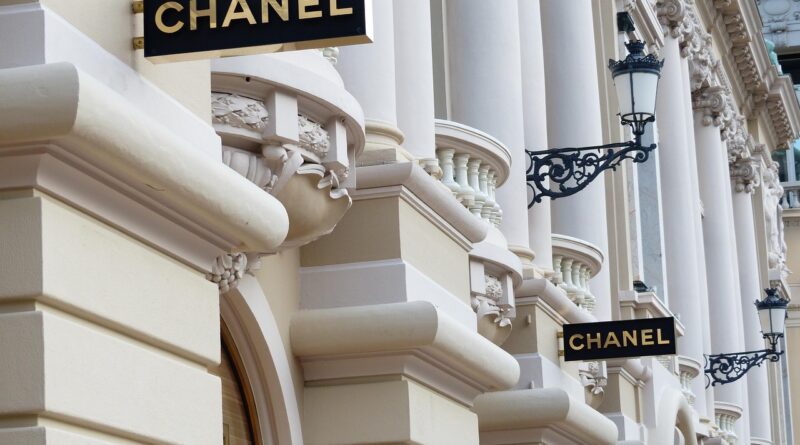
For statement pieces, choose brands with shapes that last longer than one season. A leather belt, structured bag, wool coat, silk scarf, or sharp boot can come from luxury labels like Hermès, Louis Vuitton, Gucci, Prada, or Saint Laurent. It can also come from mid range labels that use good materials and simple shapes. The main point is to avoid buying a logo when what you actually need is a better silhouette. A quieter piece often gets more wear than a loud one.
Are Luxury Shopping Brands Worth the Higher Price?
Luxury brands are not always worth it, and they are not always a waste of money either. The value depends on use, craft, repair options, resale demand, and how the item fits your normal life. If a bag stays in its box because it feels too precious, it is not doing much for your wardrobe.
Heritage Adds Value Only When the Item Fits Your Life
Luxury heritage can mean skilled craft, strong archives, and careful retail service. It can also mean a very high bill for a small logo. Before buying, ask where the piece will go in your week. A black leather loafer may earn its price if you wear it twice a week for years. A neon mini bag may be fun for photos, then sit in the closet most of the time.
Craft Details Matter More Than the Logo
Check the details before you focus on the brand name. On bags, look at stitching, glazing, hardware weight, lining, and how the strap sits on the shoulder. On coats, check buttons, inside seams, fabric weight, and whether the collar lies flat. On shoes, try both feet and walk on a hard floor if possible. A good luxury purchase should feel right before anyone else notices the label.
Resale Data Supports More Careful Buying
Resale has changed how shoppers look at famous shopping brands. ThredUp’s 2025 Resale Report, conducted with GlobalData, projected the global secondhand apparel market to reach $367 billion by 2029, with the U.S. market expected to reach $74 billion. This does not mean every designer item will resell well. It means shoppers are checking durability, condition, and brand demand more closely after the first purchase. That is a healthier way to buy, especially for higher-price items. (ir.thredup.com) See also: Fashion Trends.
How Do Online Fashion Marketplaces Change the Brand List?
Online marketplaces have made brand discovery faster, but also more confusing. You can compare hundreds of dresses in ten minutes, and after a while many of them start to look the same. Famous brands still work as shortcuts. Even so, reviews, photos, measurements, and fabric notes now carry almost the same weight.
Shein and Temu Compete on Speed and Price
Shein and Temu are hard to ignore in current fashion shopping. McKinsey reported that 40% of U.S. consumers and 26% of U.K. consumers shopped at Shein or Temu in 2023. It also noted that Shein’s average SKU price was $14, compared with $26 at H&M and $34 at Zara. This does not prove that cheaper is better. It shows that speed and price have changed what shoppers expect, even from larger legacy brands. (mckinsey.com)
Marketplaces Make Brand Comparison Faster
Amazon Fashion, ASOS, Zalando, Farfetch, Nordstrom, and department store sites let you compare brands side by side. That helps when you are checking price, color, and size availability. Still, marketplace photos can hide weak fabric quality. Look for real customer images when you can. If every review says “thin material,” believe it. If sizing feedback is split, order the size that matches your best garment measurements.
Reviews Are Useful but Not Perfect
Reviews can stop a bad buy, but they are not clean data. Someone may rate a dress one star because delivery was late, not because the dress was poor. Another shopper may love a coat because it suits their weather, while you live somewhere humid. Read reviews for repeated issues: itchy fabric, loose buttons, strange sleeves, see-through white fabric, or shoes that run narrow. Patterns matter more than one angry comment.
What Is the Smart Way to Build a Brand Mix?
A useful closet usually mixes famous brands instead of depending on one label. Use each brand for what it does well. Spend more where you repeat wear. Spend less where trends move quickly. This keeps outfits current without making every purchase feel like a big decision.
Start With a Small Core Wardrobe
Build the base first: two good jeans or trousers, three tees, one knit, one overshirt or blazer, one weather layer, and two pairs of shoes. Uniqlo, Levi’s, Gap, COS, Nike, and adidas can cover much of this without much trouble. Choose colors that work together. If every top matches every bottom, getting dressed is easier. It also makes later brand testing less risky.
Use Trend Brands for Low Risk Experiments
Trend led brands are useful when you want to try a new shape, color, or mood. Zara, H&M, Mango, and online labels can help you test wide leg jeans, metallic flats, cargo skirts, or cropped jackets before paying premium prices. Keep one rule in mind. If the trend item does not work with at least three things you own, skip it. That rule saves space and money.
Save Premium Spending for High Wear Items
Premium money belongs on items that handle wear well: coats, boots, bags, denim, knitwear, tailoring, and performance sneakers. Cost per wear is not a perfect formula, but it helps you stay honest. A $200 coat worn 80 times costs $2.50 per wear. A $40 party top worn once costs $40 per wear. The math is plain, but it often tells the truth.
FAQ
Q1: What Are the Most Famous Shopping Brands for Clothing? A: Zara, Nike, adidas, Uniqlo, H&M, Levi’s, Louis Vuitton, Hermès, Gucci, Prada, and Shein are among the best known fashion shopping brands worldwide. Fame still changes by country, age group, and shopping channel.
Q2: Are Famous Shopping Brands Always Better Quality? A: No. A famous brand can offer strong pieces and weak pieces in the same season. Check fit, fabric, stitching, care labels, and return rules before you decide.
Q3: Which Brand Is Best for Everyday Basics? A: Uniqlo is a strong choice for simple basics. Gap, COS, Muji, and Marks & Spencer can also work well, depending on your local market and the fit you prefer.
Q4: Should You Buy Luxury Brands New or Secondhand? A: Buy new if you want the full store experience, current packaging, and direct aftercare. Buy secondhand if condition, authentication, and price are strong enough to make the deal worthwhile.
Q5: How Many Famous Brands Should You Keep in One Wardrobe? A: There is no fixed number. A practical closet may mix five to ten brands, with basics from one or two labels, shoes from sport brands, and special pieces from premium or luxury names.