
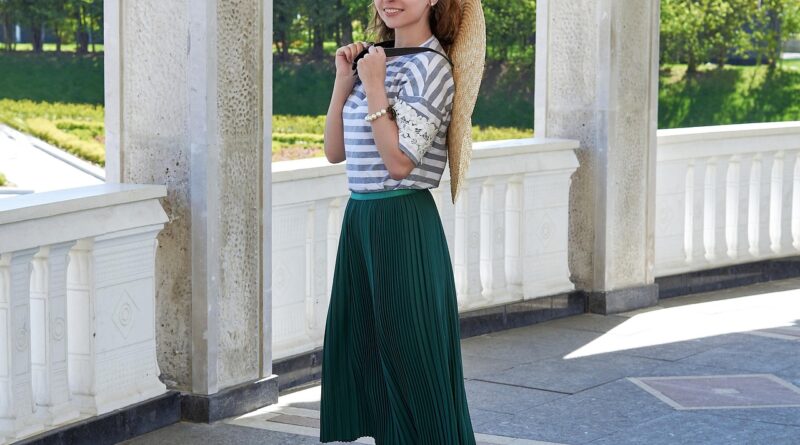
How to style a midi skirt for work, weekends, and evenings
Start with proportion, not trends
If you are deciding how to style a midi skirt without feeling overdressed, start with balance. A midi skirt already creates a clear shape because the hem sits between the knee and ankle. The rest of the outfit should define the waist, choose a shoe line that works with the hem, and match the fabric to the occasion.
For everyday wear, pair a relaxed midi skirt with a fitted T-shirt, knit tank, cardigan, sneakers, loafers, or flat sandals. For work, choose a blouse, fine knit, blazer, or structured cardigan with loafers, pumps, slingbacks, or sleek boots. For evenings, use satin, leather-look, lace, or tailored fabrics with a clean top, sharper shoes, and one polished accessory. You can also explore more in Style Guides.

The midi skirt is useful because it can look casual, professional, or dressy without rebuilding the outfit from scratch. The main challenge is proportion: the hemline can visually shorten the leg if the top, waist, and shoes all compete. Think of the outfit in three parts: silhouette, shoe line, and fabric weight.
Choose the midi skirt shape that fits the outfit
Not every midi skirt styles the same way. A slip skirt, pleated skirt, denim midi, pencil skirt, and A-line skirt each creates a different line, so identify what the skirt is already doing before adding shoes and accessories.
| Midi skirt type | Best styling direction | Easy outfit formula |
|---|---|---|
| Slip or satin midi | Soft, fluid, polished | Fine knit top, low heel, small shoulder bag |
| Pleated midi | Movement and volume | Fitted tee, cropped cardigan, loafers or sneakers |
| Denim midi | Casual structure | Tank or shirt, belt, flat sandals or boots |
| Pencil midi | Tailored and streamlined | Blouse or blazer, pumps, slingbacks, or pointed flats |
| A-line midi | Classic, waist-focused shape | Tucked shirt, fitted knit, ankle boots or ballet flats |
| Wrap midi | Adjustable, easy movement | Simple top, sandals, mules, or knee-high boots |
A slip midi often looks strongest when the top adds some structure, such as a ribbed tank, crisp shirt, or boxy cropped jacket. A pleated midi usually needs a cleaner top because the skirt already has movement. A denim midi can handle casual pieces, but the outfit looks more considered with a belt, defined neckline, or tailored layer. A pencil midi is the most office-ready option. An A-line skirt is one of the easiest choices for everyday wear because it defines the waist and skims the hips.
Build casual midi skirt outfits that still look intentional
For casual days, the goal is ease without looking unfinished. A midi skirt with a plain white or black T-shirt works well when the fit is deliberate. Tuck the T-shirt fully for a clean waist, half-tuck it for a relaxed look, or choose a cropped tee that finishes near the waistband. If the skirt is silky or pleated, a cotton tee adds useful contrast. If the skirt is denim or cotton, a ribbed tank or fine knit can make the outfit feel more refined.
Sneakers are one of the simplest ways to dress down a midi skirt. Keep the sneaker shape clean if the skirt is printed or voluminous. Low-profile sneakers usually work better than bulky athletic styles because they do not add too much weight below the hem. With a straight denim midi or cargo-inspired skirt, a chunkier sneaker can work, but the top should be neater so the outfit does not become shapeless.
Flat sandals, ballet flats, Mary Janes, and loafers all work with midi skirts, but each changes the mood. Flat sandals feel summery and relaxed. Ballet flats soften the look. Loafers add structure and are useful when a casual outfit needs more polish. Mary Janes sit between playful and classic, especially with pleated or A-line skirts.
- Weekend formula: pleated midi skirt, fitted T-shirt, low-profile sneakers, small crossbody bag.
- Summer formula: cotton or linen midi, ribbed tank, flat sandals, woven tote.
- Errand-day formula: denim midi, striped tee, belt, simple sneakers.
- Soft casual formula: slip midi, cropped cardigan, ballet flats.
If you want more outfit ideas across wardrobe categories, browse the Style Guides section for related styling breakdowns.
Make a midi skirt work for the office
A midi skirt can be office-appropriate when the fabric, fit, and styling read polished rather than beachy or party-focused. Because workplace dress codes vary, match the skirt to the formality of your office. A pencil midi, A-line wool-blend skirt, structured pleated skirt, or clean satin skirt is usually easier to style for work than a sheer, very slinky, distressed, or high-slit design.
For business casual offices, pair a midi skirt with a blouse, button-down shirt, fine-gauge sweater, sleeveless shell, or tailored knit. Add a blazer if the skirt is fluid, or use a cardigan if the skirt is structured. That contrast keeps the outfit from looking either too stiff or too casual. A satin midi can look professional with a blazer if the satin is not too shiny and the top is modest. A denim midi works only in more relaxed offices, and darker washes usually look more polished than faded or distressed denim.
Shoes do a lot of the work in office styling. Loafers, slingbacks, block heels, pointed flats, ankle boots, and knee-high boots are practical choices. If the skirt hem hits mid-calf, a pointed toe or slight heel can help lengthen the leg line. In conservative offices, closed-toe shoes are usually the safer option. In a creative or relaxed office, clean sneakers may work with a tailored skirt and blazer, but they should look intentional rather than gym-ready.
Office outfit formulas
- Classic business casual: black pencil midi, ivory blouse, blazer, pointed flats.
- Creative office: satin midi, fine knit top, oversized blazer, loafers.
- Relaxed office: dark denim midi, tucked button-down shirt, belt, ankle boots.
- Cold-weather office: wool A-line midi, turtleneck, knee-high boots, tailored coat.
The office test is straightforward: if the skirt has movement, shine, or a statement print, keep the top and shoes quieter. If the skirt is plain and tailored, add interest with a textured knit, belt, scarf, or jewelry.
Style midi skirts for evenings without overcomplicating the look
For evenings, a midi skirt can do the job of a dress. Start with the skirt fabric. Satin, lace, mesh-lined, sequined, leather-look, velvet, and sharply tailored midi skirts already feel dressy, so the top can stay simple. A fitted knit, silk camisole, one-shoulder top, crisp white shirt, or minimal bodysuit can be enough.
For dinner, a slip midi with a fitted sweater and heeled mules looks polished without trying too hard. For drinks, a black pencil midi with a sleeveless top and slingbacks feels sleek. For a party, a metallic or sequined midi can work with a plain black top so the skirt remains the focus. If the skirt has a slit, balance it with a more covered neckline. If the top is bare, choose a skirt with a cleaner, less revealing cut.
Accessories should sharpen the outfit rather than crowd it. A small clutch, sculptural earrings, a narrow belt, or a strong cuff can finish the look. Avoid adding every dressy element at once. With midi skirts, one focal point is usually stronger than three.
Pick shoes by hemline and season
The most common midi skirt problem is not the skirt itself. It is the gap between the hem and the shoe. A midi hem often stops at the widest part of the calf, so the shoe should either lengthen the line or create a deliberate contrast. See also: Fashion Trends.
| Shoe style | Works best with | Styling note |
|---|---|---|
| Sneakers | Pleated, denim, cotton, casual satin | Choose low-profile sneakers for a cleaner line. |
| Loafers | Pencil, pleated, A-line, denim | Add socks only if the outfit has a preppy or intentional feel. |
| Ballet flats | Slip, A-line, pleated skirts | Best when the top defines the waist. |
| Ankle boots | Denim, A-line, pencil skirts | A narrow shaft usually looks sleeker than a wide gap. |
| Knee-high boots | Slit, A-line, pencil, winter midi skirts | Let the boot disappear under the hem or leave only a small gap. |
| Heeled sandals or mules | Satin, wrap, evening skirts | Use for dressier outfits or warm weather. |
In warm weather, sandals and ballet flats keep the outfit light. In transitional seasons, loafers and ankle boots are practical. In winter, knee-high boots are often the cleanest choice because they avoid an awkward strip of bare leg between the hem and shoe. Tights can help, especially when they match the shoe color and create one continuous line.
Use tops and layers to control the silhouette
The top determines whether a midi skirt outfit looks balanced. A fitted top is the easiest choice with a full skirt. A loose top can work, but it usually needs a French tuck, belt, cropped cut, or structured jacket. Without one of those details, the outfit may lose the waist and look heavier than intended.
Cropped jackets are especially useful with midi skirts because they stop near the waistband and keep the leg line long. Try a cropped denim jacket with a slip skirt, a cropped cardigan with a pleated skirt, or a short leather jacket with an A-line skirt. Longer blazers can also work, but they need a clear purpose. If the blazer covers the hips, balance it with a slimmer skirt or a pointed shoe.
Knitwear depends on weight. Fine knits tuck easily and work for office or dinner outfits. Chunky sweaters look best when they are slightly cropped, half-tucked, or paired with a narrow midi skirt. A bulky sweater over a full pleated skirt can look cozy, but it needs clean shoes and a clear waist point to avoid overwhelming the frame.
Quick proportion fixes
- If the outfit feels boxy, tuck the top or add a belt.
- If the skirt makes your legs look shorter, try a pointed shoe, lower-contrast shoe color, or higher waistline.
- If the skirt feels too formal, add a T-shirt, denim jacket, flat sandal, or sneaker.
- If the skirt feels too casual, add a blazer, structured bag, polished shoe, or fine knit.
- If the print feels busy, keep the top, shoes, and bag in simple colors.
Match fabric and color to the occasion
Fabric is the quiet signal that tells people where the outfit belongs. Cotton, linen, denim, and jersey usually feel casual. Satin, crepe, wool blends, suiting fabrics, and leather-look finishes feel more polished. Sequins, lace, sheer overlays, and high-shine finishes read dressy and should be styled with restraint during the day.
Color can also make styling easier. A black, navy, ivory, gray, tan, or chocolate midi skirt is the most versatile because it can move between casual and polished outfits. A printed skirt is more memorable, but it needs simpler styling. If you are building a small wardrobe, start with one neutral midi in a shape you like, then add a seasonal fabric or print later.
For a simple color formula, repeat one color from the skirt elsewhere in the outfit. A navy printed midi can connect with navy flats. A beige satin midi can work with a cream knit and tan bag. A black denim midi can look sharper with black boots and a white shirt. Repetition makes the outfit feel styled even when the pieces are basic.
Common midi skirt mistakes to avoid
- Ignoring the waist: Midi skirts usually look better when the waistline is visible or suggested.
- Choosing the wrong shoe weight: Very bulky shoes can make a soft skirt look bottom-heavy unless the rest of the outfit supports that contrast.
- Over-layering long pieces: A long cardigan over a full midi can hide the shape. Try a cropped layer or a structured coat instead.
- Mixing too many focal points: If the skirt has shine, print, pleats, or volume, keep at least two other elements simple.
- Forgetting the occasion: A beachy cotton wrap skirt and a tailored pencil midi may share a length, but they do not communicate the same level of formality.
The best midi skirt outfits do not rely on complicated styling. They rely on clear choices: define the waist, choose shoes that work with the hemline, match fabric to the setting, and use layers to create shape. Once those pieces are in place, the midi skirt becomes one of the most flexible items in a wardrobe.
Frequently asked questions
What top looks best with a midi skirt?
Fitted T-shirts, ribbed tanks, fine knit sweaters, button-down shirts, blouses, and cropped cardigans are the easiest options. If the skirt is full or pleated, choose a neater top. If the skirt is slim, you can wear a looser shirt, sweater, or blazer.
Can you wear sneakers with a midi skirt?
Yes. Sneakers work especially well with pleated, denim, cotton, and casual satin midi skirts. Low-profile sneakers are the safest choice because they keep the outfit clean and avoid adding too much bulk below the hem.
Are midi skirts flattering on petite women?
They can be. A higher waist, shorter midi length that stops just below the knee or lower calf, pointed shoes, tonal shoes, and a tucked or cropped top can all help lengthen the line. Petite styling is less about avoiding midi skirts and more about controlling where the hem and waist fall.
How do you style a midi skirt in winter?
Use heavier fabrics such as wool blends, denim, corduroy, or leather-look materials. Add a turtleneck, knitwear, tights, knee-high boots, and a structured coat. Matching tights to boots creates a longer, cleaner leg line.
Can a midi skirt be business casual?
In many offices, yes, but it depends on the skirt and the dress code. Tailored pencil, A-line, pleated, or structured midi skirts are safer than sheer, distressed, very shiny, or high-slit designs. Pair them with polished tops, blazers, cardigans, loafers, flats, boots, or modest heels.