
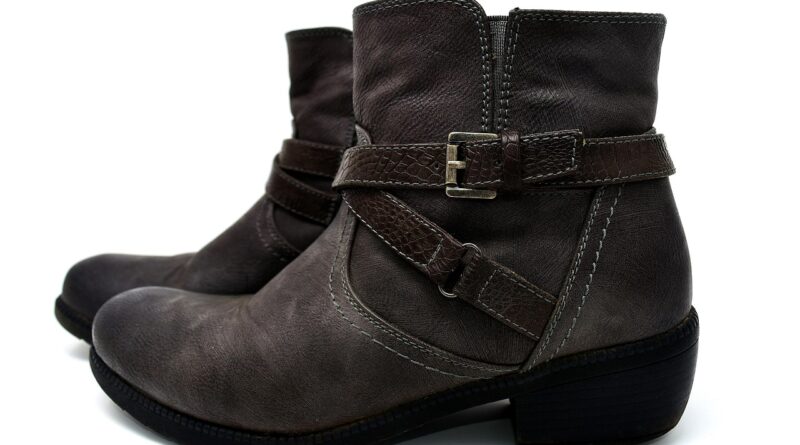
How to style ankle boots with jeans, dresses, skirts, and work outfits
Start with proportion before choosing the outfit
Learning how to style ankle boots starts with proportion. The same pair can look polished, casual, sleek, or awkward depending on where the shaft ends, how wide the opening is, and how the hem sits around the ankle. A close-fitting boot works well under straight jeans or tailored trousers. A roomier boot can balance relaxed denim, sweater dresses, and casual skirts. Instead of treating ankle boots as one category, look at three details first: shaft height, toe shape, and heel shape. These details decide whether the boot lengthens the leg visually, adds weight to the outfit, or creates a deliberate break between clothing and footwear.
Ankle boots are useful because they sit between seasons and dress codes. They can ground lightweight dresses, sharpen denim, and make simple work outfits feel more finished. The key is not to apply one formula to every look, but to match the boot to the line of the clothes. A narrow trouser usually needs a slim boot. A wide-leg pant often needs a pointed toe, a visible heel, or a clean break at the hem. A short dress usually works better with a boot that does not cut too high on the calf. Once these proportions are clear, the rest of the outfit becomes easier to build.
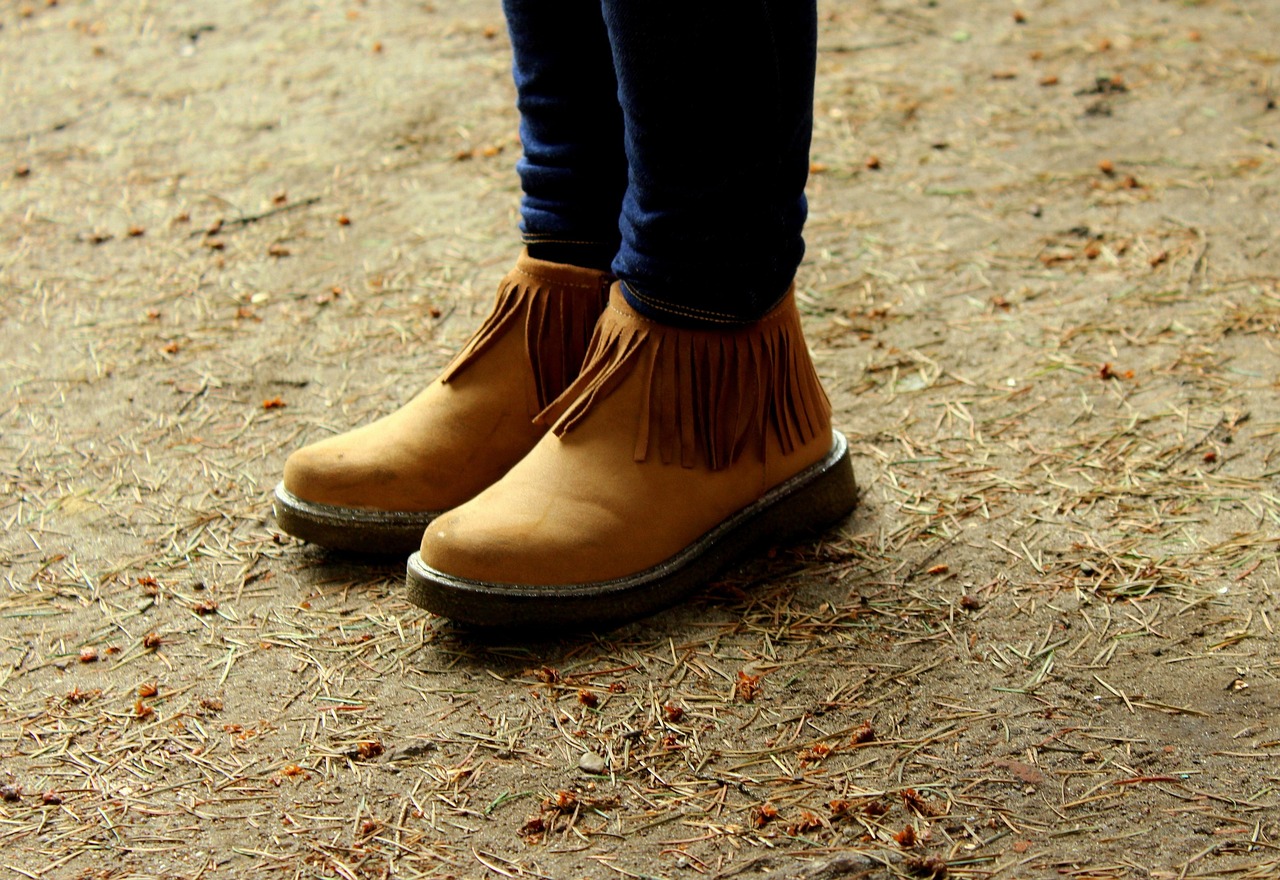
Choose the right ankle boot shape for the outfit
Before putting looks together, identify the type of ankle boot you are styling. A pointed-toe boot creates a longer visual line and often feels dressier. A round-toe or square-toe boot looks more relaxed and modern with everyday separates. A block heel is practical and balanced, while a stiletto or kitten heel shifts the mood toward evening or office polish. Flat ankle boots work best when the outfit has structure elsewhere, such as a crisp jacket, neat denim, or a defined waist.
| Boot detail | What it does visually | Best styling use |
|---|---|---|
| Pointed toe | Lengthens the foot and leg line | Wide-leg trousers, midi skirts, office outfits |
| Block heel | Adds height without looking too formal | Jeans, dresses, smart casual outfits |
| Flat sole | Feels practical and casual | Weekend denim, utility jackets, relaxed knits |
| Slim shaft | Fits neatly under hems | Straight jeans, cigarette pants, tailored trousers |
| Wider shaft | Adds casual weight and volume | Cropped denim, sweater dresses, mini skirts |
Color also changes the effect. Black ankle boots are sharp and versatile, especially with dark denim, monochrome outfits, and tailored pieces. Brown, tan, taupe, and cream boots soften a look and pair well with blue denim, camel coats, knits, and lighter neutrals. Metallic or textured boots can work, but they are easier to style when the rest of the outfit stays simple.
How to style ankle boots with jeans
Jeans are the most common starting point, but they also create the most proportion questions. The main decision is whether the denim sits above the boot, falls over the boot, or tucks into the boot. Even a small change in hem length can alter the whole outfit.
Straight-leg jeans
Straight-leg jeans are one of the easiest denim cuts to pair with ankle boots. The cleanest option is a hem that ends just above the top of the boot or lightly touches it. This creates a small break without bunching. If the jeans are slightly long, choose a slim-shaft boot so the denim can fall over the top without catching. For a polished everyday outfit, wear straight blue jeans with black or brown block-heel boots, a fitted knit, and a wool or tailored coat.
Skinny jeans
Skinny jeans work best when the ankle area looks tidy. Tucking them into ankle boots can work if the boot shaft is not too low and the denim does not wrinkle heavily. Another option is to leave a narrow strip of ankle visible between the jean hem and the boot, especially with a pointed or heeled boot. Avoid heavy stacking at the ankle, because extra fabric can make the leg line look shorter and less intentional.
Cropped and wide-leg jeans
Cropped wide-leg jeans need a boot with enough presence to balance the volume. A pointed toe, square toe, platform sole, or block heel helps the boot hold its own beneath wider denim. The hem should usually show the front of the boot rather than hiding the shoe completely. If the jeans are full and the boot is flat, add structure on top with a tucked shirt, cropped jacket, or defined belt.
How to wear ankle boots with dresses and skirts
Ankle boots with dresses and skirts can look effortless, but the relationship between hemline and boot height matters. The shorter the hem, the more attention the boot shaft receives. The longer the hem, the more the toe and heel shape affect the final look.
Mini dresses and short skirts
Mini lengths pair well with ankle boots when there is a clear gap between the hem and the boot. Flat Chelsea-style boots, western-inspired ankle boots, and block-heel boots can all work. To keep the outfit balanced, add coverage or structure above the waist with a blazer, trench, chunky cardigan, or long coat. If the boot is chunky, keep the dress shape simple so the look feels intentional rather than bottom-heavy.
Midi dresses
Midi dresses are often most flattering with ankle boots when the dress hem moves away from the leg and the boot has a defined toe. A pointed-toe or almond-toe boot helps prevent the lower half from looking crowded. If the midi dress is soft or floral, a leather ankle boot adds useful contrast. If the dress is tailored or ribbed, a sleek heeled boot keeps the line clean. A small heel is especially helpful when the hem hits below the knee or at mid-calf.
Slip skirts and column skirts
Slip skirts and narrow column skirts work best with boots that match the refined mood of the skirt. Choose a slim shaft, pointed toe, or elegant heel. For a more casual look, pair a satin or bias-cut skirt with a sweater and a simple block-heel boot. The contrast between soft fabric and structured footwear keeps the outfit modern rather than overly formal.
Build work outfits around clean lines
For office or smart casual dressing, ankle boots should look integrated with the trouser or skirt line. The easiest formula is a pointed-toe or almond-toe boot with tailored trousers that either skim over the boot or stop just above it. Black, espresso, burgundy, taupe, and deep brown are practical choices because they coordinate with common workwear colors without drawing too much attention.
With slim trousers, avoid a wide boot opening that creates a visible gap or pushes the fabric out. A close-fitting sock boot or sleek leather ankle boot will usually look cleaner. With wide-leg trousers, the hem should be long enough to create flow but not so long that it drags. If the pant leg is very wide, a subtle heel helps maintain shape.
- For a classic office look: wear black ankle boots with tailored black trousers, a fine knit, and a blazer.
- For a softer neutral outfit: pair taupe or brown boots with cream trousers, a camel sweater, and a long coat.
- For business casual denim: choose dark straight jeans, heeled ankle boots, a tucked blouse, and a structured jacket.
- For skirt-based workwear: match a midi skirt with sleek boots and keep the top half clean and simple.
If your workplace is conservative, keep the boot design minimal. Smooth leather, suede, or subtle texture reads more professional than heavy hardware, exaggerated platforms, or distressed finishes. See also: Fashion Trends.
Use color and texture to make outfits feel intentional
A strong ankle boot outfit often works because the color story is deliberate. Matching the boot color to the trousers creates a long, uninterrupted line. Black jeans with black boots, cream trousers with beige boots, or chocolate pants with dark brown boots all make the lower half look cohesive. Contrast can also work, but it should look purposeful. For example, tan boots with blue denim and a camel coat feel natural because the warm tones repeat.
Texture is another simple way to add depth. Smooth leather feels clean and versatile. Suede softens an outfit and pairs well with knitwear, denim, and autumnal colors. Patent leather adds shine and usually looks strongest when the clothing is matte. Croc-embossed or snakeskin-effect boots should be treated as a focal point; keep the rest of the outfit restrained so the look does not become busy.
For more outfit-building ideas across seasonal wardrobes, browse the Style Guides section.
Common ankle boot styling mistakes to avoid
The most common mistake is ignoring the hem. When trousers bunch heavily over ankle boots, the outfit can look unfinished. When a skirt hem and boot shaft meet at an awkward point, the leg line can feel shortened. These issues are not about body type; they are usually about where visual breaks happen.
- Too much fabric at the ankle: cuff, tailor, or switch to a slimmer boot shaft.
- A boot that cuts the leg at a heavy point: try a lower shaft, pointed toe, or matching tights and boots.
- Chunky boots with every outfit: balance them with structured jackets, simple dresses, or relaxed denim rather than delicate pieces from head to toe.
- Color that feels disconnected: repeat the boot color in a belt, bag, jacket, or knitwear tone.
- Overly formal boots with casual clothes: soften the look with denim, knitwear, or a relaxed coat.
Another mistake is assuming ankle boots always need to be the statement. Often, the most wearable outfits use boots as the anchor. A simple boot can make a bold coat, patterned dress, or strong silhouette easier to wear.
Easy outfit formulas to copy
When you need a reliable outfit quickly, start with a formula and adjust the details for the season or occasion. These combinations are flexible and do not depend on one specific trend.
- Straight jeans + block-heel boots + knit sweater + tailored coat: a balanced everyday outfit that works with black, brown, or taupe boots.
- Midi dress + pointed ankle boots + long coat: a polished look for dinners, work events, or city days.
- Wide-leg trousers + slim heeled boots + tucked top: a clean option when you want height and structure.
- Mini skirt + flat ankle boots + oversized blazer: a casual outfit that feels styled without looking overly formal.
- Dark denim + black ankle boots + white shirt + blazer: a simple smart casual formula that can move from daytime to evening.
- Sweater dress + knee-length coat + suede ankle boots: soft, comfortable, and easy to adapt with tights in colder weather.
The best formula is the one that repeats a shape or color at least once. If the boots are heavy, add a jacket with structure. If the boots are sleek, keep the lines refined. If the boots are light-colored, repeat that softness with a bag, knit, or coat.
Frequently asked questions
Should jeans go inside or over ankle boots?
It depends on the jean shape. Skinny jeans can be tucked into some ankle boots if the fabric stays smooth. Straight jeans usually look best when they end just above the boot or fall lightly over a slim shaft. Wide-leg and cropped jeans should show enough of the boot to make the pairing look intentional.
Can ankle boots be worn with dresses?
Yes. The most reliable pairings are mini dresses with flat or block-heel boots, midi dresses with pointed or heeled boots, and sweater dresses with suede or leather ankle boots. The goal is to keep the hemline and boot shaft from visually crowding the lower leg.
What ankle boots are easiest to style?
A simple black or brown leather ankle boot with a moderate block heel and a slim shaft is usually the easiest to style. It works with straight jeans, tailored trousers, casual dresses, and many office outfits.
Do ankle boots make legs look shorter?
They can if the shaft hits at an awkward place or the color creates a strong break at the ankle. To lengthen the line, try a pointed toe, a small heel, matching boots to trousers or tights, or choosing a lower, closer-fitting shaft.
Are flat ankle boots dressy enough for work?
Flat ankle boots can work in many smart casual offices when the design is clean and the outfit is structured. Pair them with tailored trousers, dark denim, a blazer, or a polished coat rather than very casual pieces.