
How to style short hair for men without overthinking it
The short answer
If you are searching for “how to style short hair men,” the practical answer is simple: get the cut right first, style while the hair is slightly damp, use less product than you think, and decide on the finish before choosing a brand. Short hair looks best when the shape is intentional, not coated. Matte clay or paste suits textured crops, crew cuts, and casual volume. Cream is better for curls, coils, dry hair, and a softer natural finish. Pomade or gel works for sharper side parts, slick styles, and formal outfits, but it can show buildup sooner.
For most men, the daily routine should take two to five minutes. This guide covers repeatable styling methods, product matching, haircut types, face shape, outfit context, and scalp-friendly care for short hair that looks clean without needing constant attention. For more wardrobe and grooming ideas, browse the Style Guides section.
Start with the cut, not the product
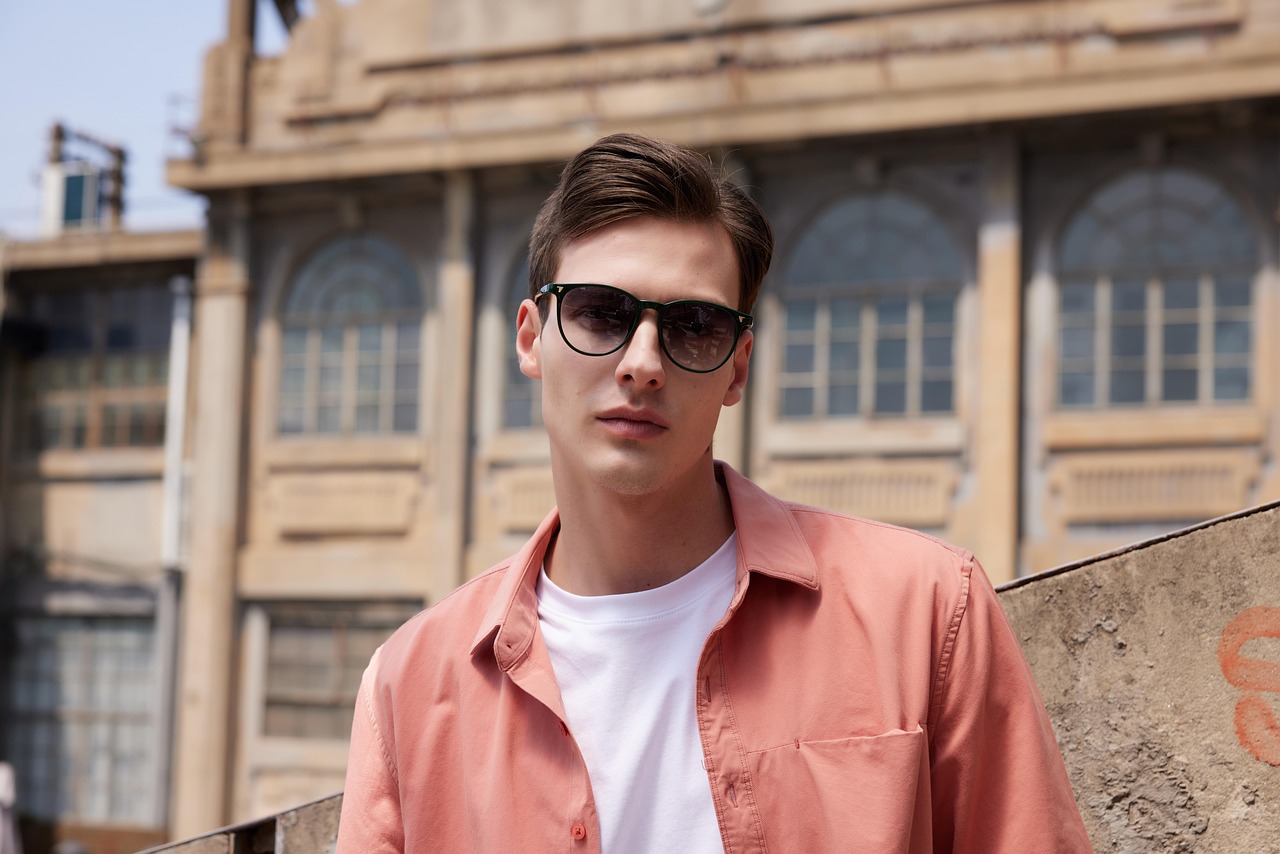
Short hair is often easier to style than medium or long hair, but it is less forgiving when the cut is wrong. With less length to hide uneven weight, the barber’s shape does much of the work. A textured crop needs point-cut or choppy movement on top. A clean side part needs enough length to comb across. A short quiff needs front length and gradual blending so it can lift without turning into a stiff spike.
Before buying another product, check three things: length on top, density, and growth direction. If the top is under half an inch, styling options are mostly about finish and neatness. If it is one to two inches, you can create texture, lift, or a part. If it is longer than two inches, you can shape a small quiff, brush-up, modern side part, or relaxed sweep.
Hair density matters too. Fine hair usually needs lighter products and less shine because heavy waxes can make it look flat or separated. Thick hair can handle stronger clay, paste, or pomade. Curly and coily hair usually benefits from moisture, definition, and less aggressive brushing. Cowlicks are easier to manage when you work with them rather than against them every morning; a good barber can leave slightly more length where the hair wants to rise.
Choose the right product by hold, finish, and hair type
Men’s styling products often sound similar, but they create very different results. Start by deciding whether you want matte or shiny, loose or firm, natural or structured.
| Product type | Best for | Typical finish | How to use it | Watch out for |
|---|---|---|---|---|
| Matte clay | Textured crops, thick hair, casual volume | Dry, low shine | Warm a small amount between palms, apply from back to front, then pinch texture | Too much can make hair feel dusty or stiff |
| Paste | Crew cuts, Ivy League cuts, flexible everyday styling | Natural to low shine | Use on towel-dried or dry hair for movable hold | Heavy formulas can flatten fine hair |
| Pomade | Side parts, slick styles, sharper formal looks | Medium to high shine | Comb through damp hair for a cleaner shape | Oil-heavy formulas may transfer to skin and require more washing |
| Gel | Firm hold, defined parts, wet-look styles | Shiny or wet | Apply to damp hair and leave it alone while it sets | Can look crunchy if overused |
| Cream | Curly, coily, dry, or natural-looking short hair | Soft, natural | Work through damp hair and let texture form | Usually offers less hold for upright styles |
| Volumizing spray or mousse | Fine hair, short quiffs, brush-up styles | Light, natural | Apply before blow-drying for root lift | May need a finishing product for control |
If your hair touches the forehead and you are prone to breakouts, be careful with heavy oily products. Dermatology guidance from the American Academy of Dermatology notes that oils in hair products can contribute to acne where they contact the skin. That does not mean every pomade will be a problem, but placement, quantity, and washing matter.
A simple daily routine for short hair
A reliable routine is more useful than a crowded product shelf. Short hair usually responds best to small adjustments, not a dramatic morning rebuild.
- Start with clean or refreshed hair. If your hair is oily, sweaty, or loaded with yesterday’s product, rinse or wash it. If it is only slightly flat, dampen it with water.
- Towel-dry until slightly damp. Hair should not be dripping. Damp hair spreads product better and is easier to shape than fully wet hair.
- Add a pre-styler if needed. Fine hair can use a light volumizing spray. Thick hair may need a small amount of cream for softer control. Curly hair may need leave-in moisture or curl cream.
- Blow-dry for shape, not just dryness. Use your fingers or a brush to guide hair in the direction you want. Lift at the roots for volume, push forward for a crop, or direct hair sideways for a part.
- Use a pea-sized amount of finishing product. Warm it between your palms until it disappears. Start at the back and sides, then move to the top and front. This helps avoid a greasy fringe.
- Shape last. Pinch texture into the ends, comb a clean part, or loosen the top with your fingers. Stop before the hair looks coated.
If your short hair collapses by midday, the issue is usually one of three things: the hair was too wet when product was applied, the product was too heavy, or there was no root support from drying. For fine hair, blow-drying with a light pre-styler often matters more than adding stronger wax later.
Style ideas for common short haircuts
Textured crop or Caesar
A textured crop works best with a matte finish and controlled messiness. Dry the hair forward, rub a small amount of clay or paste into your hands, then rake through from crown to fringe. Pinch small sections at the front instead of flattening the whole top. This style pairs well with relaxed streetwear, overshirts, denim jackets, bombers, and minimal sneakers because it looks deliberate without being formal.
Crew cut or Ivy League
A crew cut is short, but it is not style-free. For a casual version, use paste and push the front slightly upward with your fingers. For an Ivy League shape, comb the top diagonally and keep the sides neat. A low-shine paste is the safest everyday choice because it controls the hair without making it look wet. This style works especially well with smart-casual outfits such as polos, knitwear, chinos, loafers, and clean white sneakers.
Short quiff or brush-up
A short quiff needs lift at the front. Apply a light spray or mousse to damp hair, then blow-dry the front upward and slightly back. Finish with a matte paste or clay at the roots and front. Avoid heavy pomade unless you want a glossy retro effect; weight pulls the quiff down. This style adds height, so it can balance wider face shapes and works with leather jackets, tailored coats, plain tees, and slim trousers.
Buzz cut with a fade
A buzz cut is styled through maintenance, edge control, and scalp care rather than shape. Keep the neckline and sideburns tidy between barber visits if you want it to look sharp. A tiny amount of lightweight moisturizer or scalp-friendly cream can reduce dryness, but avoid leaving the scalp greasy. A buzz cut puts more attention on glasses, facial hair, collars, and jacket structure, so clean lines matter.
Short curly or coily hair
Curly and coily short hair often looks best when definition is protected. Apply cream to damp hair, work it through gently, and avoid rough towel drying. Use fingers rather than a fine comb if you want to preserve curl groups. For coily hair, a sponge or soft brush can help create controlled texture, depending on the cut. The goal is shape plus moisture, not forcing the hair to behave like straight hair.
Short side part
A side part is the cleanest option for business, weddings, date nights, and more traditional dress codes. Create the part while the hair is damp, comb the top across, then apply pomade, gel, or a flexible paste depending on how polished you want the finish. A high-shine product looks dressier; a low-shine paste makes the style feel more modern and less formal. See also: Fashion Trends.
Match your short hairstyle to your face, hairline, and clothes
Face-shape advice should be treated as a guide, not a rule. Still, proportions help. If your face is rounder, a little height on top and tighter sides can add vertical balance. If your face is longer, avoid extreme height and consider a crop, fringe, or softer side sweep. If your jaw is strong and angular, a neat fade, crew cut, or side part can emphasize structure. If your features are softer, texture can add definition.
Your hairline also changes the best approach. A mature or slightly receding hairline does not automatically require hiding. In many cases, a shorter textured crop, crew cut, or buzz cut looks more confident than a long fringe pulled forward. Heavy wet-look slick-backs can expose scalp contrast, especially under bright light, so a matte product and shorter length may look more natural.
Clothing context matters because grooming is part of the full outfit. Matte texture feels more relaxed and contemporary. Shine reads more polished and formal. A messy crop can look stylish with casual layers but underdressed with a suit. A side part may look sharp with tailoring but too controlled with oversized streetwear. The goal is not to match hair and clothes perfectly; it is to make them speak the same language.
Keep short hair healthy enough to style well
Short hair still needs scalp care. Product buildup can make hair look dull, greasy, or flaky, and it can make styling less predictable. Mayo Clinic guidance on dandruff notes that gels, sprays, and similar products can build up on the scalp, and it advises using fewer styling products when dandruff is an issue. Cleveland Clinic dermatology guidance also emphasizes that washing needs vary by oiliness, age, activity level, and scalp condition rather than one universal schedule.
For many men, washing every day is not automatically necessary, but neither is avoiding shampoo for a fixed number of days. If your scalp is oily, you work out often, or your product has strong hold, you may need more frequent washing. If your hair is dry, curly, or coarse, you may need gentler cleansing and more conditioning. If you have persistent itching, scaling, redness, or sudden hair loss, styling advice is not a substitute for medical evaluation.
Heat also deserves moderation. The American Academy of Dermatology advises styling in ways that reduce damage, including being careful with heat and tension. For short hair, that means using a blow-dryer as a shaping tool rather than blasting the same spot at high heat. A warm setting, constant movement, and a short drying time are usually enough.
Common mistakes that make short hair harder to style
- Using too much product. Short hair needs less coverage. Overuse makes it greasy, stiff, or flat.
- Applying product only to the front. This creates a heavy fringe and an unfinished crown. Distribute from back to front.
- Ignoring the blow-dry step. Product locks in shape; it does not always create shape by itself.
- Choosing shine by accident. Glossy products look sharper but also show separation and scalp more clearly.
- Fighting natural growth direction. Cowlicks and crowns usually win. Adapt the style around them.
- Letting the cut grow out too long. Short styles depend on proportion. Once the sides bulk up, the whole shape changes.
A practical maintenance rhythm is to book barber visits before the cut loses its outline, not after it becomes unmanageable. Fades and sharp tapers need more frequent upkeep than softer scissor cuts. If you want lower maintenance, ask for a shape that grows out naturally instead of a very tight contrast.
Frequently asked questions
What is the easiest way to style short hair for men?
The easiest method is to dampen the hair, blow-dry it into the direction you want, then apply a small amount of matte paste or clay. Use fingers for texture and a comb for a cleaner part. Keep the product light until you know how your hair reacts.
Should short hair be styled wet or dry?
Slightly damp hair is best for most styles because it is easier to control and spreads product evenly. Apply gel or pomade to damp hair for a cleaner, shinier finish. Apply clay or paste to dry or nearly dry hair when you want stronger matte texture.
What product should men use for a natural short hairstyle?
Use a low-shine paste, lightweight cream, or a small amount of matte clay. Fine hair usually needs a lighter product, while thick hair can handle stronger hold. Curly and coily hair often looks more natural with cream rather than dry clay.
How can men style short hair without gel?
Use paste, clay, cream, or a volumizing spray depending on the result. Paste gives flexible control, clay gives matte texture, cream softens curls and natural movement, and spray or mousse adds lift before blow-drying. Gel is useful for firm hold, but it is not required for most short hairstyles.
How do I make short hair look good with outfits?
Match the level of polish. Matte texture works with casual and modern outfits. A side part or light shine works better with tailoring and dress shoes. Buzz cuts and very short fades put more focus on facial hair, eyewear, collars, and jacket structure, so keep the rest of the look intentional.