
Style tips for guys who want to dress better without overthinking it
Better style usually comes from clearer choices, not from owning more expensive clothes. The most useful style tips for guys are still the practical ones: wear clothes that fit your current body, build outfits around reliable neutral colors, match the formality of your clothes to the setting, and keep shoes, grooming, and garment care in check. Trends can refresh a wardrobe, but they should not replace proportion, comfort, or consistency. If you are starting from scratch, begin with a small group of versatile pieces you can wear in several combinations. Add bolder items later, once you understand what works on you.
This guide breaks men’s style into steps you can use for work, dates, weekends, travel, and everyday life. For more fashion basics and outfit ideas, visit the Style Guides section.
Start with fit before buying more clothes
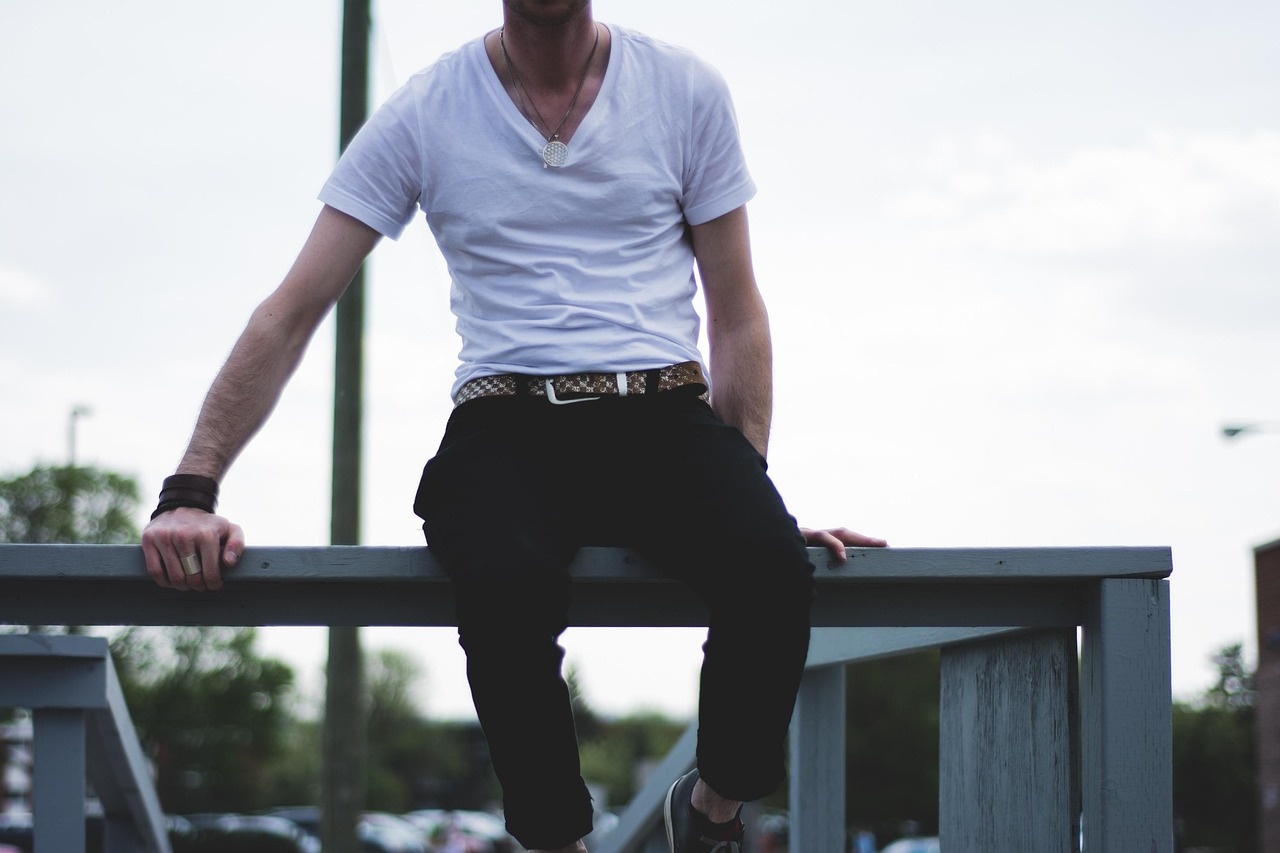
Fit is often the first thing people notice, even if they cannot explain why an outfit looks right. A plain T-shirt, jeans, and sneakers can look sharp when the proportions work. A costly jacket can look careless if the shoulders collapse, the sleeves cover the hands, or the body pulls at the buttons.
The goal is not to make every item tight. Modern menswear includes relaxed, straight, tapered, and wide silhouettes. The key is intention. Clothes should look as if they were chosen for your frame, not borrowed from someone else. A relaxed trouser can look excellent when the waist sits cleanly, the rise feels comfortable, and the leg shape works with the shoes. A slim shirt can work if it follows the body without straining across the chest or stomach.
Quick fit checks for common items
- T-shirts: Shoulder seams should sit near the edge of the shoulder. The sleeve should not flare dramatically unless that is part of the cut.
- Button-down shirts: You should be able to move your arms without pulling across the chest. The collar should sit comfortably when buttoned.
- Jackets: The shoulder line is the hardest part to alter, so get that right first. Sleeve and body length can often be adjusted.
- Trousers: The waistband should stay in place without constant pulling. The break at the shoe should look deliberate, whether cropped, slight, or fuller.
- Jeans: Do not buy only by waist size. Rise, thigh room, leg opening, and fabric stretch all change how jeans look.
If something is close but not quite right, tailoring may be more useful than replacing it. Hemming trousers, shortening sleeves, and adjusting a shirt body can make ordinary clothes feel more personal. The practical rule is simple: tailor the pieces you already wear often, not the ones you keep hoping you will wear someday.
Build a reliable color foundation
Color is where many guys make style harder than it needs to be. You do not need a complicated color theory system to dress better. Start with a base of colors that combine easily: navy, charcoal, black, white, gray, olive, beige, brown, and washed denim blue. These colors work across casual and smart-casual outfits because they do not compete for attention.
A reliable outfit usually has one clear focus. That focus might be a textured jacket, a patterned shirt, a rich pair of boots, or a brighter knit. If every item tries to stand out, the outfit can become noisy. If no item has visual interest, it can feel flat. The balance is to keep most of the outfit calm and let one element lead.
Simple color formulas that work
- Navy, white, and brown: A dependable combination for shirts, chinos, denim, jackets, and leather shoes.
- Black, gray, and white: Clean and minimal, especially with good textures such as wool, denim, cotton twill, or leather.
- Olive, cream, and denim: Casual but considered, useful for weekends and travel.
- Charcoal, light blue, and dark brown: Strong for office outfits that do not require a full suit.
Use contrast based on your coloring and the setting. High contrast, such as a black jacket with a white T-shirt, looks sharper and more graphic. Lower contrast, such as beige chinos with an oatmeal sweater, feels softer and more relaxed. Neither is automatically better. The right choice depends on your mood, your body proportions, and how formal the situation is.
Understand proportion and silhouette
Proportion is the relationship between the parts of an outfit. It explains why two pieces that look good separately may not work together. A cropped jacket changes how long your legs look. A long oversized shirt changes how your torso reads. A chunky sneaker needs enough volume in the pants to feel balanced. A slim dress shoe usually looks better with a cleaner trouser line.
One easy way to improve proportion is to avoid mixing extremes by accident. Very tight jeans with an oversized hoodie can work as a deliberate streetwear choice, but it can also look unbalanced if the rest of the outfit is not intentional. Very wide pants with a tiny shirt can create the same issue. If you are unsure, keep the top and bottom in the same general language: relaxed with relaxed, tailored with tailored, rugged with rugged, minimal with minimal.
Use the mirror test
Before leaving, check the outfit from head to toe rather than judging each item on its own. Ask three questions: Where is the widest point? Where does the eye stop? Do the shoes match the volume of the pants? These questions are more useful than asking whether a single item is fashionable.
For shorter guys, clean vertical lines, moderate rises, and fewer visual breaks can help create length. For taller guys, layering, texture, and fuller cuts can prevent outfits from looking stretched out. For broader builds, structured fabrics often sit better than thin clingy ones. For slimmer builds, layering and slightly heavier fabrics can add presence without pretending to change the body.
Dress for the setting without losing personality
Style is partly about self-expression, but it is also about reading the room. A great outfit for a concert may not work in a business meeting. A sharp office outfit may feel stiff at a casual dinner. The most useful wardrobe is not the most formal or the trendiest; it is the one that helps you move between settings without looking out of place.
Think in levels of formality. At the casual end, you have T-shirts, jeans, sneakers, sweatshirts, overshirts, and casual jackets. In the middle, you have polos, knitwear, chinos, loafers, chore coats, clean denim, and unstructured blazers. At the dressier end, you have dress shirts, tailored trousers, leather shoes, suits, ties, and formal outerwear. Most guys get the best daily value from the middle zone because those pieces can move up or down depending on styling.
| Setting | Safe starting point | Easy upgrade |
|---|---|---|
| Casual weekend | Plain T-shirt, straight jeans, clean sneakers | Add an overshirt, watch, or better belt |
| Smart casual dinner | Knit polo, chinos, loafers | Add a lightweight jacket or textured blazer |
| Office with relaxed dress code | Oxford shirt, wool trousers, leather shoes | Add a fine-gauge sweater or unstructured blazer |
| Date night | Dark denim, fitted knit, boots | Add a suede or leather jacket if the setting allows |
| Travel day | Comfortable trousers, breathable tee, overshirt | Use one color palette so layers mix easily |
The point is not to erase personality. Keep one personal detail: a favorite jacket, a ring, a watch, a color you like, a vintage piece, or a signature shoe. Personal style becomes stronger when it works with the occasion instead of ignoring it.
Invest in shoes, grooming, and care
Shoes can lift or flatten an outfit quickly. You do not need dozens of pairs, but you do need the right few. A clean white or off-white sneaker works with casual outfits. A brown or black leather shoe covers smarter settings. A boot adds weight and texture. A loafer bridges casual and dressy looks. The exact style depends on your life, but condition matters as much as design. Dirty laces, cracked leather, and collapsed heels make even good clothes look neglected.
Grooming matters for the same reason. Hair, facial hair, nails, fragrance, and skin care frame the clothes. A simple grooming routine can make basic outfits look more intentional. That does not mean chasing perfection. It means keeping edges clean, choosing a haircut that fits your lifestyle, and using fragrance lightly enough that it does not announce you before you enter the room. See also: Fashion Trends.
Care is part of style
Garment care is also a style issue. Public textile-waste data from the U.S. Environmental Protection Agency, based on 2018 municipal solid waste reporting, shows that clothing and footwear textiles have had a low recycling rate compared with many common materials. The practical takeaway for personal style is not guilt; it is usefulness. Clothes that fit well, are cared for properly, and stay wearable for longer give you more value and reduce the need for constant replacement.
- Wash clothes according to the care label instead of using the same cycle for everything.
- Air-dry knits and delicate fabrics when possible to help preserve shape.
- Use wooden or broad hangers for jackets so the shoulders keep their structure.
- Fold heavy sweaters instead of hanging them, which can stretch the shoulders.
- Repair small issues early, such as loose buttons, worn heels, and minor seam openings.
Looking after clothes also helps you understand what you actually wear. If a piece is worth cleaning, repairing, and reaching for again, it probably belongs in your wardrobe. If it always stays untouched, the color, fit, fabric, or lifestyle match may be wrong.
Create a wardrobe system instead of random outfits
A good wardrobe is not a pile of separate purchases. It is a system. Each new item should connect with several things you already own. Before buying, ask whether the item works with at least three outfits. If it only works in your imagination, pause. Many style mistakes happen when one exciting piece has no support from the rest of the closet.
Start with a practical core: two or three well-fitting T-shirts, one or two button-down shirts, a knit or sweatshirt, straight or relaxed jeans, chinos or casual trousers, one versatile jacket, clean sneakers, and one smarter shoe. This is not a universal shopping list, but it shows the logic. You want pieces that can be recombined, not isolated statement items.
Use a three-layer outfit formula
When in doubt, build with three parts: base, structure, and finish. The base is the shirt or knit. The structure is the pant and outer layer. The finish is the shoe and accessory. For example, a white T-shirt, dark straight jeans, navy overshirt, brown belt, and clean sneakers is simple but complete. A light blue Oxford shirt, charcoal trousers, textured blazer, and loafers is also simple but more polished.
This formula helps because it keeps outfits from feeling unfinished. Accessories should support the look rather than distract from it. A belt should relate to the shoe formality. A watch should fit the tone of the outfit. Jewelry can add personality, but one or two well-chosen pieces often work better than several competing accents.
Use trends carefully and personally
Trends are not the enemy. They can make style feel fresh and help you discover shapes, colors, and combinations you might have ignored. The mistake is treating every trend as a command. A fashion trend should pass through three filters before it enters your wardrobe: does it suit your body, does it fit your lifestyle, and can you wear it with what you already own?
Menswear has moved through different fits over time, from very slim silhouettes to more relaxed trousers, roomier jackets, and workwear-inspired layers. That does not mean you must throw away slim clothing or buy everything oversized. It means you can adjust slowly. Try a straight-leg jean instead of a skinny cut. Choose a slightly fuller trouser with a clean waist. Add an overshirt or chore jacket if it works with your daily routine. Small changes are easier to wear than a complete identity shift.
The strongest personal style usually develops from repetition. If you keep returning to dark denim, white shirts, brown leather, and navy jackets, that is not boring; it may be your signature. If you love black, gray, and minimal sneakers, build around that. If you prefer earthy workwear colors, lean into them. Style becomes more convincing when it reflects repeated choices rather than a different costume every week.
Frequently asked questions
What are the most important style tips for guys starting from zero?
Start with fit, color, and shoes. Get your basic clothes to fit properly, build around easy colors such as navy, gray, white, black, olive, and brown, and keep your shoes clean. These three changes improve most outfits before you spend money on trend pieces.
How can a guy look stylish on a budget?
Buy fewer pieces that work together. Prioritize versatile items, shop slowly, use tailoring for small adjustments, and take care of what you own. A small wardrobe with good fit and consistent colors usually looks better than a large wardrobe full of disconnected bargains.
Should men follow fashion trends?
Trends are useful when they match your body, lifestyle, and existing wardrobe. They become a problem when they push you into clothes you do not enjoy wearing. Use trends as ideas, not rules.
How do I know if my outfit is too casual or too formal?
Compare your outfit with the setting. If the environment involves clients, ceremonies, fine dining, or formal invitations, move up in structure and polish. If the setting is relaxed, you can dress down, but keep the outfit intentional through fit, clean shoes, and good condition.
What is the easiest daily outfit formula?
Use a fitted or relaxed basic top, a clean pair of trousers or jeans, one outer layer, and shoes that match the pant shape. Keep the colors simple and add one personal detail, such as a watch, jacket texture, or favorite pair of boots.