What Are the Best Style Suggestions for Looking Put Together Every Day?
How Can You Build Outfits That Look Put Together Every Day?
The best style suggestions are not about copying another person’s closet. They help you look neat, clear, and still like yourself, even on a weekday when the laundry pile is not helping. Most good outfits start with three simple checks: fit, proportion, and one point that catches the eye.
Start with Fit Before Trend
Fit is what makes a basic outfit look planned instead of thrown on. Shoulder seams should sit close to your shoulder bone, trousers should not pull across your hips, and sleeves should end where your hands can move without trouble. This also matters when people shop online. The National Retail Federation and Happy Returns reported in December 2024 that U.S. retail returns were projected to reach $890 billion, with retailers estimating 16.9% of annual sales would be returned. For clothing shoppers, the message is direct: better fit choices can save time, money, and return trips.
Use a Three-Part Outfit Formula
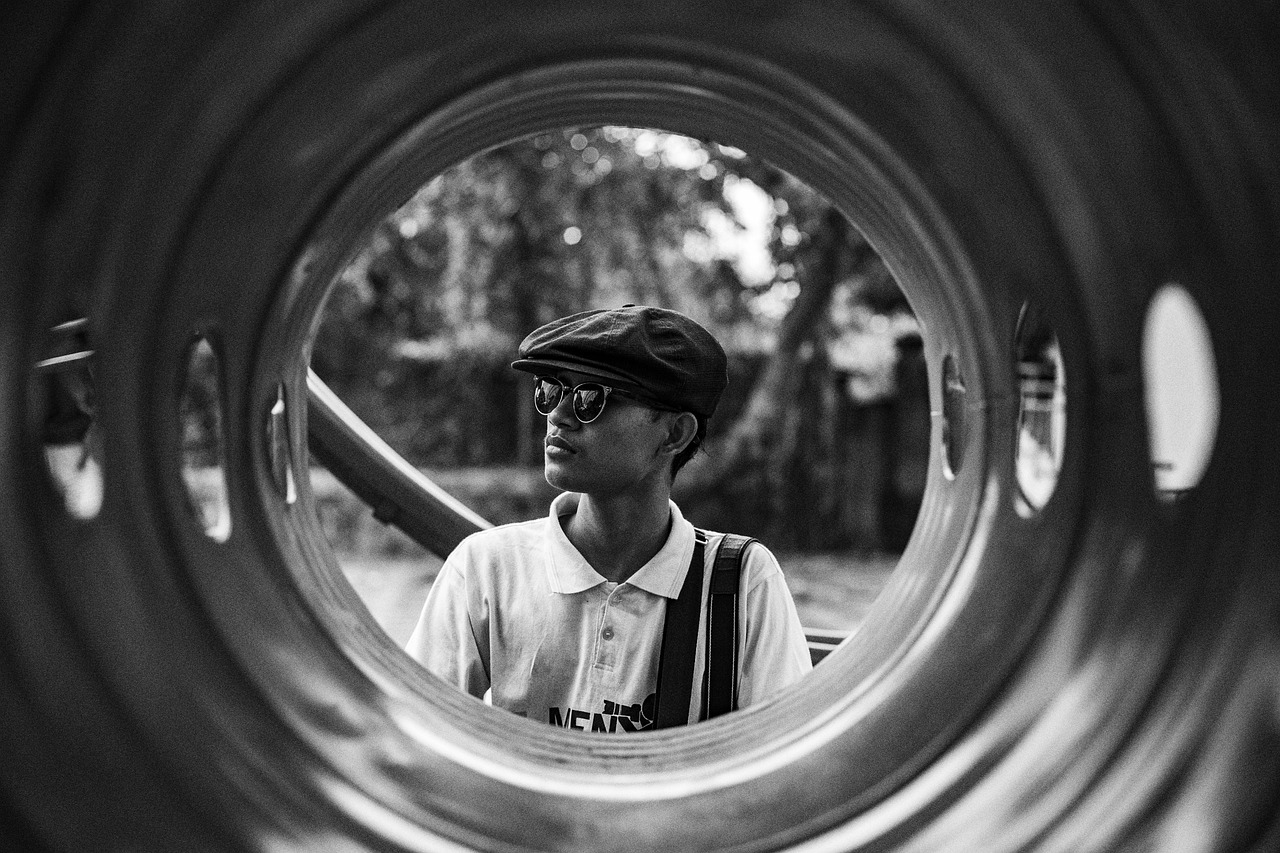
A steady outfit can be as simple as base, layer, and finish. You might wear a fitted tee, relaxed overshirt, and clean sneakers, or straight jeans, a fine knit, and a leather belt. Three parts give the outfit enough shape without making it feel busy. When you only have five minutes to get dressed, this formula is easier than standing in front of a full closet and hoping something works.
Repeat What Already Works
Good style often comes from repeating a mix that already suits you. If dark denim, a white shirt, and a cropped jacket always look right, use that as a base. Change the shoes, bag, fabric, or small detail instead of changing the whole outfit. Repetition does not look dull when the pieces fit well; it starts to look like your own style.
Which Wardrobe Basics Make Style Suggestions Easier to Use?
Basics are not the boring part of fashion. They are the pieces that make stronger items easier to wear. When your basics are clean, useful, and easy to match, trends feel less risky. You also do not need a large number of them; a small group of pieces can carry many outfits through the week.
Neutral Layers with Clean Lines
A white or cream shirt, black tee, navy knit, denim jacket, soft blazer, and straight trousers can solve more outfit problems than a stack of loud tops. Clean lines help frame the body without taking over the look. The U.S. Bureau of Labor Statistics reported 2023 household apparel spending averages of $655 for women’s apparel, $406 for men’s apparel, $208 for women’s footwear, and $147 for men’s footwear in a 2025 data article. Since that spending adds up, basics should earn space in the closet through regular wear.
One Strong Piece per Outfit
If you wear a bold print skirt, keep the top quiet. If your jacket has a sharp shoulder or bright color, let that be the main piece. One strong piece gives the outfit a clear focus. Two can work with care, but three often becomes too much, especially in photos where small details get lost and loud pieces compete quickly.
Shoes That Match the Day
Shoes change the feeling of an outfit fast. A blazer with running shoes feels practical and current, while the same blazer with loafers feels neater and more work-ready. Boots add weight, and sandals make the outfit feel lighter. Before leaving, check whether the shoes match the real day ahead, because a rainy commute and suede mules are usually a bad pairing.
How Should You Dress for Your Body, Routine, and Budget?
Style gets easier when clothes match your actual life. Your body, schedule, weather, and budget all matter. A nice outfit that pinches, creases after ten minutes, or costs too much for one wear is not really a good buy. It is just a good idea on a hanger.
Measurements Instead of Size Labels
Size labels change from brand to brand, so use them only as a rough guide. Know your chest, waist, hip, inseam, shoulder width, and preferred rise. For online shopping, compare those numbers with garment measurements instead of relying only on model photos. NRF also noted in 2024 that 51% of Gen Z consumers reported bracketing, meaning they buy multiple items with the intent to return some. Accurate measurements help you avoid that habit and choose with more certainty.
Fabric Weight That Fits the Season
A thick cotton tee can look good in spring but feel too heavy in July. A thin knit may hang well indoors, then cling under a coat. Fabric weight changes how clothes sit on the body, so it is worth checking before buying. Linen blends, poplin, and light denim work well in heat, while wool blends, brushed cotton, corduroy, and heavier denim give colder outfits more shape. The label gives useful information, but your hand often tells you more.
Smart Spending on High-Wear Items
Spend more on pieces that touch the ground, carry weight, or show up several times a week: shoes, trousers, coats, and bags. Spend less on trend colors, novelty prints, or tops you only wear once in a while. McKinsey and The Business of Fashion reported in The State of Fashion 2025 that consumers had become more price sensitive after high inflation, while fashion revenue growth was expected to stay in the low single digits. That does not mean you should stop buying clothes; it means you should think in cost per wear.
What Colors, Patterns, and Accessories Make the Biggest Difference?
Color and accessories can change a plain outfit faster than a full shopping trip. The point is not to follow every color rule online. There is no reliable public data proving that one color system flatters every person. Use color as a tool, then check it in daylight and in your own mirror.
A Base Palette with Two Accent Colors
Pick three to five base colors you wear often, such as black, navy, cream, gray, brown, olive, or denim blue. Then add two accent colors that make your face look fresh. It might be tomato red and pale blue, or forest green and warm camel. A controlled palette makes mixing easier and helps new purchases work with the clothes you already own.
Pattern Scale That Matches the Outfit
Small patterns look almost like texture from a distance. Large patterns become the main part of the outfit. If you are not used to prints, start with stripes, checks, or a small floral in colors you already wear. Pair one pattern with two quiet pieces, such as a striped shirt, wide-leg jeans, and brown loafers. It is simple, but it usually looks considered rather than lazy.
Accessories as Small Style Signals
Accessories tell people where the outfit is heading. A slim belt makes denim look neater, a canvas tote feels casual, and a structured bag feels more dressed. Jewelry, watches, scarves, hats, and glasses can all change the tone. Do not add them all by habit; choose one or two details that fit the day. It is a small move, but it often makes the outfit feel finished. See also: Fashion Trends.
How Can Trends Fit Your Personal Style Without Taking Over?
Trends should add something useful, not create pressure. The better way is to filter first and buy later. If a trend fits your climate, body, budget, and usual outfits, try it. If it needs a whole new identity, it may be better to leave it alone.
Trend Filters Based on Real Life
Pinterest Predicts 2026 reported that trends are growing 4.4 times faster than seven years earlier, and that 42% of global respondents only join trends that suit them. That number supports a simple point: personal fit matters more than speed. Before buying a trending piece, ask three questions. Can you wear it three ways? Does it work with shoes you own? Would you still like it if nobody posted it?
Sport and Denim Details for 2026
Pinterest’s Summer 2026 Trend Report, drawn from activity across more than 600 million monthly users, described sport-inspired dressing moving into street style. It also reported that searches for denim shorts outfits women grew 430% over the past year. The wearable version is not hard to build: denim shorts with a crisp shirt, a football-style top with tailored trousers, or cargo details balanced by a simple tank. Keep the fit adult and clean, and the outfit will not look like gym laundry.
Comfort, Authenticity, and a Little Personality
The same Pinterest 2026 report said 55% of global respondents prioritize comfort as a daily need. That does not mean wearing sweatpants every day. It means soft waistbands, breathable fabrics, shoes you can walk in, and layers that let you move. Add one personal item as well, such as a vintage pin, a bright sock, a ring, or a scarf from a trip. Clothes feel easier to wear when they carry a small story.
What Common Styling Mistakes Make Outfits Feel Off?
Most outfit problems are small. The pieces may be fine, but the balance is wrong. Before changing everything, check focal points, proportions, and finishing details. These fixes are quick, and they often save the outfit.
Too Many Focal Points
A shiny jacket, logo tee, patterned trousers, bright sneakers, and heavy jewelry in one outfit can make the eye work too hard. Choose one lead piece and let the rest support it. If you like maximal style, keep a shared color story so the outfit still feels connected. Fun style does not have to look messy.
Poor Proportions at the Waistline
Proportion does a lot of quiet work in style. A long top over wide trousers can make the leg line look shorter, while a cropped jacket over high-rise jeans can make it look longer. Tucking, half-tucking, or adding a belt can change the whole shape. When an outfit feels wrong, adjust the waistline before blaming the clothes.
Ignoring Care, Tailoring, and Finish
Wrinkles, lint, dragging hems, loose buttons, and worn-out shoes make even expensive clothes look careless. A steamer, lint roller, shoe brush, and basic tailor can help more than another quick purchase. Hem trousers to the shoes you wear most. Replace weak buttons, and clean white sneakers before they turn gray. It is not glamorous advice, but it is the kind that works in real life.
FAQ
Q1: What Are the Most Useful Style Suggestions for Beginners? A: Start with fit, clean basics, and one focal point per outfit. Build a small outfit formula you can repeat, such as tee, overshirt, straight jeans, and neat shoes.
Q2: How Many Colors Should You Wear in One Outfit? A: Two to four colors usually feel balanced. Use one base color, one supporting neutral, and one accent if you want the outfit to look cleaner.
Q3: Should You Follow Fashion Trends Every Season? A: No. Follow trends only when they suit your body, routine, and existing wardrobe. A trend that needs five extra purchases is usually not worth it.
Q4: What Makes an Outfit Look More Expensive? A: Better fit, clean shoes, smooth fabric, simple color pairing, and neat finishing details make outfits look better than logos or high prices.
Q5: How Can You Find Your Personal Style Faster? A: Save photos of outfits you truly like, note repeated colors and shapes, then test those ideas with clothes you already own before shopping for more.