
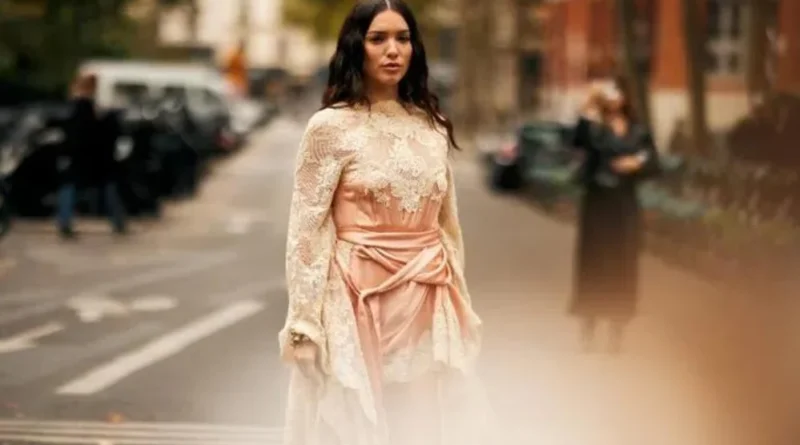
How to Evaluate Fashion Trends for Summer 2026 with a Strategic Buyer’s Eye
A Buyer’s Guide to Summer 2026: Which Fashion Trends Are Actually Worth Your Investment?
The Summer 2026 fashion season is shaping up to be an important time for both creativity and commerce. The market is moving toward sustainable luxury, technological innovation, and investment-driven consumption. Buyers should focus on versatile pieces that balance aesthetic innovation with long-term value. Fashion trends for 2026 will reward those who prioritize craftsmanship, material quality, and adaptability over fleeting hype. Many stores already show signs of this change through new fabric choices and better labels on clothes.
The Landscape of Summer 2026 Fashion Trends
The fashion industry in 2026 is changing because of global economic shifts, digital acceleration, and a maturing sustainability agenda. Brands are rethinking production methods while consumers are demanding transparency and authenticity in every purchase. People now check labels more often before they buy anything new. This habit grew after years of clothes that did not last through regular use. Shops report higher returns when items fall apart quickly.
Defining the Direction of the 2026 Fashion Season
Creative direction for Summer 2026 will be shaped by a blend of post-pandemic minimalism and renewed optimism. Economic recovery is prompting brands to invest in durable materials and modular designs that justify premium pricing. Sustainability remains central. Recycled fibers, regenerative cotton, and lab-grown leather are becoming mainstream. Technology is another key driver. From AI-assisted design tools to blockchain-based supply tracking, innovation defines how fashion trends evolve. Digital platforms such as virtual showrooms and livestreamed runways are now as influential as Paris or Milan Fashion Week in setting seasonal narratives. A buyer can watch a show from another country on a phone and place an order the same day. This speed changes how collections get planned and sold.
Key Aesthetic Themes Emerging for Summer 2026
Aesthetic duality defines the season. Minimalist revival meets maximalist expression. Designers like The Row are refining simplicity through sculptural tailoring, while others embrace bold textures and vibrant palettes reminiscent of early-2000s exuberance. Futuristic materials such as metallic nylons and photochromic fabrics are merging with nostalgic silhouettes such as halter tops and low-rise trousers. Adaptive clothing continues to gain traction. Gender-fluid cuts are no longer niche but core to major collections. This shift signals an inclusive approach where wearability meets identity expression. One example comes from a small brand that added adjustable hems to pants. The change lets the same pair fit different body types without extra tailoring costs.
Evaluating Investment Potential in Seasonal Trends
As trend cycles shorten, buyers must distinguish between short-lived hype and genuine long-term value. The key lies in analyzing materials, cultural relevance, and brand consistency. Shoppers often wonder how long a new style will stay useful in daily life. The answer depends on more than looks alone. Real tests happen when clothes go through laundry cycles and travel bags.
Distinguishing Between Short-Lived Hype and Long-Term Value
A trend’s longevity often depends on its alignment with broader cultural movements rather than viral moments. For instance, quiet luxury continues because it reflects a deeper consumer desire for subtlety over status signaling. Material innovation also plays a role. Biodegradable fabrics or high-performance blends indicate staying power due to functionality. Media cycles can distort perceived value when influencer culture amplifies novelty over quality, so investors should look beyond social metrics to craftsmanship indicators. A jacket with strong stitching and good lining will still look right years from now. A cheaper version made for one summer often ends up in the donation bin by fall. Industry records show that well-made items keep resale value better across seasons.
Economic Considerations for Fashion Investments
Economic logic underpins every smart wardrobe decision. Brand positioning determines resale potential. Heritage labels like Hermès or Prada maintain value through scarcity and consistent identity. Cost-per-wear analysis helps quantify investment worth. A $1,000 blazer worn weekly across seasons can outperform cheaper fast-fashion alternatives in lifetime value. Inflation pressures and shifting supply chains are influencing pricing strategies. Expect moderate price increases as brands localize production to mitigate logistics volatility. When supply routes get blocked, local makers can still deliver on time. That reliability adds real worth for buyers who plan ahead. Stores in Europe saw price jumps of around eight percent last year due to these changes.
Material Innovation and Sustainability as Value Drivers
Sustainability has evolved from moral choice to financial strategy. Materials that combine ecological responsibility with durability now dictate brand competitiveness. Buyers notice when a shirt keeps its shape after many washes. That kind of performance matters more than a single season’s color trend. Shops track returns and find fewer complaints with better fabrics.
The Role of Eco-Fabrics in Investment Decisions
Eco-fabrics define premium differentiation in 2026 collections. Regenerative cotton supports soil restoration while maintaining softness comparable to traditional fibers. Lab-grown leather offers ethical luxury without compromising texture or finish quality. Its scalability makes it commercially viable for accessories and footwear lines. Recycled synthetics from ocean plastics appeal to conscious consumers seeking traceable sourcing stories. Transparency is no longer optional but a determinant of credibility among investors and buyers alike. A shopper who sees the exact farm or factory on the label feels more confident about the purchase. Some brands now print simple maps on tags to show the full path from raw material to finished item.
Technological Advancements in Fabric Performance
Smart textiles extend beyond novelty into functional necessity. UV-protective coatings, cooling microfibers, and self-cleaning nanotechnology enhance comfort during summer months while reducing maintenance costs over time. Luxury houses are experimenting with embedded sensors that monitor body temperature or hydration levels within garments. This convergence of fashion and wellness tech brings new options. However, success depends on balancing innovation with tactile pleasure. Fabrics must remain breathable, soft, and aesthetically refined despite their technical complexity. A light jacket that cools you down on a hot afternoon and still looks sharp at dinner works for real life, not just runway photos. Tests in warm climates show these fabrics cut down on sweat marks during long days outdoors.
Trend Categories Worth Considering for Summer 2026
Investment-worthy categories share versatility, craftsmanship integrity, and adaptability across contexts. From leisurewear to professional attire, the best pieces move easily between settings. A good pair of shorts should look fine with a blazer or with a simple tee. Buyers test this by wearing items on both workdays and weekends.
Elevated Resortwear and Functional Luxury Pieces
Resortwear evolves into year-round attire through hybrid garments bridging casual ease with structured elegance. Tailored linen blazers paired with performance shorts exemplify this shift toward practical sophistication. Lightweight tailoring constructed from silk-linen blends offers structure without rigidity. This hallmark of modern luxury dressing shows up in many new collections. Versatile separates like wrap skirts or cropped jackets crafted from premium blends deliver strong cost-per-wear returns due to their trans-seasonal usability. One buyer wore the same linen set from a July trip to Italy straight into early fall meetings back home. The fabric breathed in the heat and still held its shape after packing. Such pieces reduce the need for separate summer and fall wardrobes.
Statement Accessories Redefining Seasonal Styling
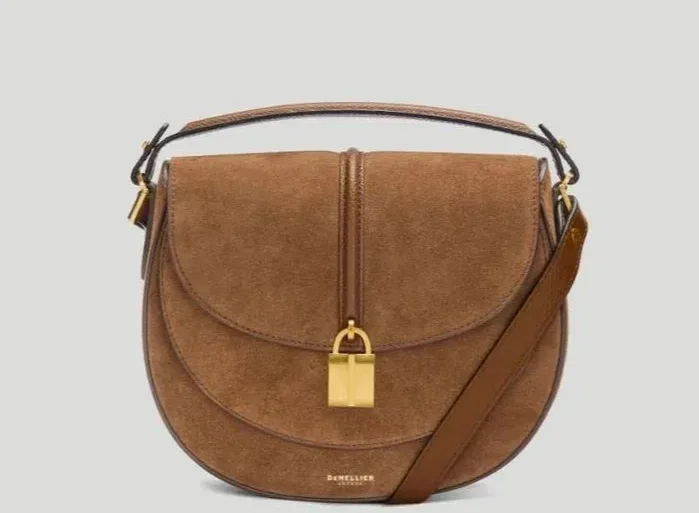
Accessories continue driving entry-level investments into high-fashion ecosystems. Sculptural jewelry pieces made from recycled metals highlight artisanal skill while aligning with sustainability goals. Modular handbags featuring detachable compartments allow customization according to occasion. This practical evolution of design thinking gives buyers more control. Multifunctional footwear integrating adjustable soles or interchangeable straps enhances both comfort and longevity metrics critical for discerning buyers evaluating craftsmanship-to-cost ratios. A sandal that changes from flat to slight heel saves space in a suitcase and works for walking tours as well as evening events. Sales data from last year showed these items stayed popular through multiple seasons.
The Influence of Digital Fashion Ecosystems on Trend Adoption
Digital ecosystems now dictate how trends emerge, spread, and sustain momentum before reaching physical retail shelves. The shift started slowly but picked up speed after 2020 when travel became harder. Now even small brands can reach buyers worldwide without a big runway budget. Online views often decide which colors and cuts get produced in larger numbers.
Virtual Runways and Their Impact on Consumer Perception
Virtual runways have transformed presentation dynamics by democratizing access while accelerating feedback loops between creators and audiences. Brands utilize metaverse showcases not merely as marketing spectacles but as testing grounds where digital-first collections gauge engagement prior to physical release drops. This pre-launch analytics model reduces risk by aligning production volumes with verified demand data. Bridging creativity with commerce effectively helps both sides. A designer can see which colors get the most clicks before cutting fabric. That step saves money and waste. Many shows now include live chat so viewers can ask questions in real time.
Data Analytics in Predicting Trend Performance
AI-driven forecasting tools analyze engagement metrics across social channels to predict trend trajectories months ahead of market release dates. Retailers employ predictive analytics for inventory optimization. This approach minimizes overstock risks tied to volatile fashion cycles. Yet this algorithmic influence raises ethical questions about creative autonomy within design studios. Balancing data insights with artistic intuition remains essential for preserving originality amid automation pressures. Some designers still sketch by hand first, then check the numbers later. That mix keeps collections fresh instead of purely calculated. Stores using these tools report lower leftover stock at season end.
Strategic Approach to Building a Future-Proof Wardrobe for 2026 and Beyond
Building a wardrobe resilient against trend fatigue requires disciplined curation guided by longevity principles rather than impulse-driven consumption patterns. Many people start with a few solid basics and add one or two standout items each season. The goal is steady growth, not sudden overhauls. Planning ahead saves money and closet space over time.
Frameworks for Sustainable Style Investments
A future-proof wardrobe prioritizes timeless silhouettes crafted from superior materials ensuring durability across years of wear. Buyers should balance experimental purchases like tech-infused outerwear with foundational staples such as tailored trousers or crisp shirting that anchor seasonal rotations effectively. Archival pieces sourced from vintage markets can complement new acquisitions while reinforcing sustainability through circular consumption practices gaining traction among collectors. A 1990s silk blouse found at a market can pair with new trousers and feel current again. The mix adds character that a full new set rarely matches. Collectors often share stories of items passed down through families because the fabric held up well.
Long-Term Brand Relationships as an Investment Strategy
Establishing enduring relationships with brands exhibiting consistent innovation integrity enhances portfolio stability within personal style investments. Limited-edition releases may offer short-term exclusivity appeal but continuous collection evolution demonstrates brand resilience under changing market conditions. Viewing fashion acquisitions as cultural capital rather than disposable goods reframes consumption into strategic participation within an evolving creative economy where taste equates influence. Regular customers sometimes get early looks at new fabrics or small adjustments made just for them. Those details build loyalty that lasts longer than any single trend. Brands notice repeat buyers and often offer better service on future orders.
FAQ
Q1: What makes certain fashion trends worth investing in?
A: Trends offering material innovation, functional versatility, and cultural resonance tend to retain value beyond a single season. A piece that works in different weather and settings earns its place over time. Buyers track how often they reach for the same item in their closet.
Q2: How does sustainability affect investment potential?
A: Sustainable materials like regenerative cotton or lab-grown leather enhance long-term desirability by aligning ethics with performance durability. Buyers return to brands that deliver on both fronts. Labels that list the full supply chain help confirm these claims.
Q3: Are digital fashion shows replacing traditional runways?
A: Not entirely. They coexist. Virtual formats expand reach while physical shows preserve tactile storytelling essential for luxury branding. Many houses now do both in the same season. The choice depends on the collection and target audience.
Q4: Which accessories hold the best resale potential?
A: Sculptural jewelry crafted from recycled metals or modular handbags by established houses typically maintain strong secondary-market demand. Simple shapes and solid construction help here. Market reports show steady prices for these items even after two years.
Q5: How should professionals approach wardrobe planning for 2026?
A: Focus on adaptable pieces blending comfort with polish. Prioritize quality fabrics over quantity to build an enduring style foundation aligned with future trends in sustainable luxury. Start with three or four core items and build from there as needed. This method keeps costs steady while covering most daily needs.