What Are the Smartest Outfit Ideas Using the 3 Piece Rule for Professionals
The 3-Piece Rule: How to Transform Basic Outfits into Professional Looks
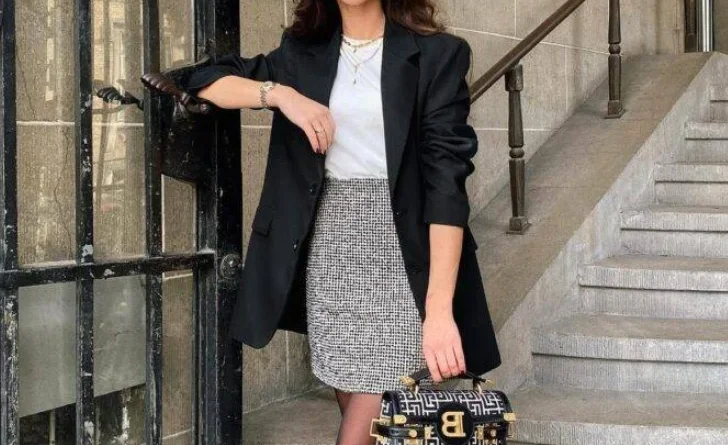
In professional styling, the 3-piece rule is a simple but strong way that turns plain outfit ideas into neat and clear sets. Adding one more item, like a blazer or a small accessory, gives an outfit better shape and more interest. This idea goes beyond looks. It helps show skill and calm through careful choices that work in both strict offices and places with more freedom.
The Concept Behind the 3-Piece Rule
The 3-piece rule means you add one extra item to your top and bottom. This creates balance and a fuller feel. Stylists often use it to make even plain clothes look finished. A third item, such as a jacket, a light sweater, or a scarf, holds the whole look together and shows you put thought into it.
This method makes people see you as more ready for work. In big company offices, a steady blazer over a shirt and pants gives a sense of control without trying too hard. The same idea fits in easier places where a nice vest or a good bag can finish things off nicely.
Why the 3-Piece Rule Matters in Professional Environments
A well put together three-piece outfit says more than just style. It shows care and an understanding of how work places expect people to look. Leaders and advisors use this often because it lifts their look fast without loud prints or bright colors. A full outfit hints that you are prepared, and this can change how others view your skills during talks or big meetings.
The rule also gives a clear plan for picking clothes. It lets workers keep things steady while trying new fabrics or shapes that fit different times of year or types of work. This steady way saves time on rushed mornings and still keeps every look right for the job.
Building a Professional Wardrobe Around the 3-Piece Rule
A wardrobe built this way focuses on pieces that last and mix well. Each item should fit with others easily and keep its shape after many wears.
Selecting Foundational Pieces
Begin with clothes that never go out of style. Think of clean shirts, good pants, simple dresses, or straight skirts. These form the base for most work outfits. Pick calm colors like navy, gray, soft brown, or off white. They mix across seasons and places. Spend on solid fabrics such as wool mixes or smooth cotton. These feel better on the body and hold their form during long days at a desk or on your feet.
Choosing the Third Piece for Impact
The third piece sets the mood of the whole outfit. It decides if the look feels more strict or more open.
Blazers and Structured Jackets
Blazers stay the safest pick for work clothes. They shape the shoulders and middle while giving a steady air. Try mixing fabrics, like a wool blazer with smooth pants. This adds interest without pulling eyes away from your face.
Vests and Waistcoats
Vests add a clean touch without extra weight. They work well when the weather shifts or when you want layers in the office. In places that allow business casual, they link neat suits with everyday ease.
Statement Accessories as Third Elements
Small items can act as the third piece when a jacket feels like too much. A silk scarf placed neatly on a shirt or a simple belt at the waist can balance things the same way a layer does. Keep sizes right so the item adds focus but does not take over.
Applying the 3-Piece Rule Across Professional Contexts
Clothes choices change with the place and the field. Still, the 3-piece rule moves easily from one spot to another when you keep a clear goal in mind.
Office Settings and Corporate Environments
In classic offices, match neat pieces with a calm blazer to show steady control. Small jewelry like tiny earrings or a plain watch keeps things sharp but not busy. Match tones, such as dark gray pants with a lighter gray jacket, to build a calm whole.
Business-Casual or Creative Workspaces
In freer offices, soft sweaters or textured vests can take the place of stiff jackets while still looking sharp. A soft color touch, like a quiet red vest over light tones, lets some personality show without losing the work feel. Many teams in design fields use this mix and find it helps daily talks stay friendly yet on point.
Client Meetings and Presentations
During client talks or big shows, outfits that match help keep eyes on your words and hands. A jacket that fits well draws attention to how you stand and speak. This small edge matters in sales calls or when numbers are on the table. One sales lead shared that adding the third piece cut down on nervous fiddling because the outfit felt set.
Advanced Styling Strategies Using the 3-Piece Framework
Beyond looks, this way of dressing supports finer tricks that keep shapes and fabrics in good order while the seasons shift.
Balancing Proportions Through Layering
Layering works best when every layer has a job. A knit top gives warmth, a jacket gives lines, and a loose shirt gives flow. Pair tight items with looser ones so the body lines stay easy and nothing looks stiff. In real offices, people often test this by wearing a fitted shirt under a roomy cardigan on days with long meetings.
Coordinating Colors and Textures for Depth
Color choices build a steady feel across the whole outfit.
Tonal Coordination Techniques
Stay inside one color group but use different depths. Navy next to a softer blue gives quiet interest without strong contrast. This method keeps things calm yet not flat.
Texture Mixing Principles
Put a matte cotton shirt next to a light shine scarf. The touch difference adds life even when colors stay soft like beige or dark gray. Office workers often notice how this small mix makes photos from events look more full.
Seasonal Adaptations of the 3-Piece Rule
Weather changes what fabric you pick, but the balance stays the same.
Warm Weather Adjustments
Swap heavy jackets for light linen vests or open shirts worn over thin tops. Air moves better yet the look stays put together. Teams in warm cities use this often during summer client visits.
Cold Weather Layering Strategies
Wool blend coats can serve as the third piece in winter. Pair them with slim pants or straight skirts so the shape stays clean and not bulky. One team in the north noted that this kept them warm during early morning site checks without looking heavy in afternoon indoor meetings.
Curating a Capsule Wardrobe Based on the 3-Piece Philosophy
A small set of clothes built on this idea cuts down daily choices while still giving enough looks to last the year.
Identifying Core Items That Support Versatility
Pick items that move from meetings to travel days to after-work events. Black pants that pair with shirts or knits are a good start. Focus on strong stitching so each piece lasts many turns in the rotation. People who travel for work often keep two pairs of these pants because they wash well and still look fresh.
Streamlining Decision-Making Through Outfit Formulas
Set up simple repeats. Shirt plus pants plus blazer for strict days. Shirt plus skirt plus scarf for lighter days. These repeats cut morning rush and make sure every outfit has balance. Many managers say the habit saves real time after they test it for a few weeks. In one case, a project lead cut her getting-ready time by ten minutes each day once the formulas were set.
FAQ
Q1: What is considered a “third piece” in professional styling?
A: It means any extra item beyond your top and bottom. It is often an outer layer like a blazer or a small item like a scarf that finishes the look.
Q2: Can accessories alone fulfill the 3-piece rule?
A: Yes. When picked with care, belts, simple necklaces, or scarves can work as the third piece. They add shape or a clear point of interest without throwing off the whole balance.
Q3: How does this rule apply in remote work environments?
A: Even on video calls, one clear layer like a light jacket or a bright necklace frames the face and gives a steady look on screen. Many remote teams keep a jacket on the back of their chair for quick changes before calls.
Q4: Is it necessary to follow neutral tones strictly?
A: No. Calm colors give the most mix options, but soft color touches can add personality if they fit the office mood and stay in step with the rest of the outfit.
Q5: How many pieces should be included in a capsule wardrobe using this method?
A: Most people find 25 to 30 items work well. This count covers tops, bottoms, outer layers, shoes, and small items. All pieces should mix easily under the three-piece idea so they cover every season without extra buys.