Is 90s Fashion Defining the Return of Minimal Effort but Maximum Chic
Minimal Effort but Maximum Chic! Why ’90s Minimalism Is Back
The resurgence of 90s fashion represents more than nostalgia; it’s a recalibration of taste. In an era saturated with visual excess, minimalism’s quiet power feels radical again. The pared-down silhouettes, neutral tones, and functional elegance of the 1990s now mirror modern priorities—sustainability, authenticity, and timelessness. This revival isn’t about looking back but refining what simplicity means in a digital and environmentally conscious world.
The Cultural Context Behind the Revival of 90s Fashion
The return of minimalist aesthetics mirrors broader cultural shifts toward restraint and purpose. The 1990s originally positioned simplicity as rebellion against the opulence of the previous decade, a sentiment that resonates again today.
The Minimalist Ethos of the 1990s
The decade’s clean lines and neutral palettes reflected a desire for clarity amid chaos. Designers such as Calvin Klein and Helmut Lang stripped fashion to its essentials, redefining luxury through precision tailoring and muted sensuality. Their collections replaced glitter with structure, favoring quality fabrics like silk and cotton that draped naturally without ornamentation.
The Socioeconomic Factors Influencing Minimalism’s Return
Periods of economic volatility often inspire a retreat from extravagance. After the pandemic, consumers sought comfort and honesty in design—values that echo 90s practicality. Sustainability also fuels this shift; reusability and longevity are not trends but necessities in today’s market. Many brands now champion “buy less but better,” echoing the minimalist creed that less truly can be more.
Key Elements Defining 90s Minimal Effort Aesthetics
Minimal effort style is not laziness—it’s precision disguised as ease. Every element serves function first, beauty second.
Signature Silhouettes and Textures
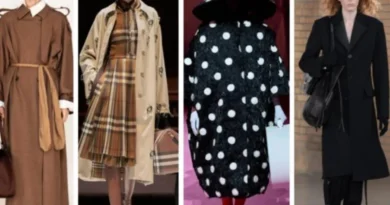
Streamlined tailoring dominated the era, replacing heavy embellishment with architectural simplicity. Fabrics like denim, cotton, and silk emphasized natural form while ensuring durability. Monochrome layering—think beige on ivory or black on charcoal—created depth without distraction.
The Role of Accessories in Minimal Chic
Accessories acted as punctuation marks rather than statements. Fine gold chains or small hoop earrings complemented rather than competed with outfits. Structured handbags and sleek loafers reinforced an image of effortless polish. Even subtle stitching details were deliberate choices to add quiet sophistication.
The Influence of 90s Fashion Icons on Modern Interpretation
Fashion icons from the decade continue to influence how minimalism translates today. Their understated confidence remains aspirational for designers and consumers alike.
Style Archetypes That Shaped the Era
Carolyn Bessette-Kennedy embodied refinement through her bias-cut dresses and tailored coats, while Kate Moss introduced grunge minimalism—a blend of sensuality and nonchalance. Both styles shared one principle: confidence without spectacle.
How Contemporary Designers Reimagine 90s Icons
Modern brands revisit archival collections to recreate these aesthetics using sustainable materials like organic cotton or recycled silk blends. Runways reinterpret slip dresses with updated cuts or eco-friendly production methods, proving nostalgia can coexist with innovation.
Tattoos as an Expression of 90s Individualism: Aztec and Mayan Symbolism
Beyond clothing, body art became another canvas for self-expression in the 1990s revival story.
The Rise of Tribal Aesthetics in the 1990s Fashion Narrative
Tribal tattoos gained prominence as symbols of identity and defiance against mainstream norms. Aztec and Mayan tattoos represented strength, spirituality, and connection to ancestry—aligning with fashion’s broader exploration of authenticity during that decade.
Modern Reinterpretations in Contemporary Style Culture
Today’s designers integrate these motifs into textiles or accessories through geometric prints inspired by ancient civilizations. Collaborations between tattoo artists and fashion houses highlight respect for cultural roots while maintaining minimal visual language—a balance between heritage and restraint that defines current design ethics.
The Intersection of Minimalism and Modern Streetwear Culture
Minimalism has transcended high fashion to influence everyday wear through streetwear’s utilitarian lens.
From Runway to Everyday Wearability
Streetwear brands have adopted neutral tones, structured basics, and capsule wardrobes reminiscent of 90s staples. A crisp white tee paired with tailored trousers now embodies both comfort and sophistication—a practical uniform for urban life.
Digital Influence on the Spread of Minimal Chic
Social media platforms amplify this aesthetic through curated feeds emphasizing clean visuals. Influencers frame minimal effort dressing as attainable luxury: polished yet approachable, ideal for professionals navigating hybrid lifestyles where appearance must adapt seamlessly across contexts.
Sustainability as a Driving Force Behind the Return to 90s Simplicity
Environmental awareness has transformed minimalism from aesthetic preference into ethical stance.
Conscious Consumption and Timeless Design Philosophy
Consumers increasingly seek garments built to last rather than seasonal novelties. Slow fashion advocates promote craftsmanship reminiscent of early minimalist houses that valued construction over decoration.
Longevity as a Measure of Chicness in Modern Fashion Systems
Brands now market durability as elegance itself—timeless cuts reduce waste by transcending trend cycles. This approach aligns business goals with ecological responsibility while appealing to buyers who equate simplicity with intelligence rather than austerity.
How “Minimal Effort but Maximum Chic” Defines Today’s Fashion Language
Minimal effort dressing captures contemporary ideals: confidence without excess, mindfulness over materialism.
Psychological Appeal of Effortless Elegance in Modern Society
In professional environments flooded by overstimulation, simplicity signals control. Streamlined wardrobes free mental space for creativity while projecting calm authority—a subtle yet powerful statement about self-assurance.
Future Directions for Minimalist Aesthetics in High Fashion
Digital tailoring technologies refine precision cuts once achievable only by handcrafting. Meanwhile, cross-cultural influences—from Japanese wabi-sabi philosophy to Scandinavian functionalism—expand minimalism beyond Western frameworks into truly global dialogue about balance, proportion, and purpose.
FAQ
Q1: Why is 90s minimalism trending again?
A: Because it aligns with current values around sustainability, authenticity, and understated confidence—qualities people crave after years of visual overload.
Q2: Which designers define modern minimalist style?
A: Labels influenced by Calvin Klein or Helmut Lang continue this legacy through brands like The Row or Jil Sander that emphasize form over flourish.
Q3: How do Aztec and Mayan tattoos connect to fashion?
A: They symbolize individuality rooted in heritage; their geometric patterns inspire contemporary prints within minimalist collections focused on cultural respect.
Q4: What fabrics best represent minimalist aesthetics?
A: Natural materials such as silk, cotton, linen, or recycled blends reflect purity in texture while ensuring longevity—key principles behind minimalist design thinking.
Q5: How does digital culture shape minimal chic?
A: Online platforms promote clean visuals where simplicity translates well across screens; influencers turn effortless dressing into both lifestyle statement and creative discipline.