Why 00s Fashion Trends Are Defining the Modern Y2K Aesthetic Revival
Y2K Fashion: Why Everyone Is So Obsessed With The 2000s-Inspired Aesthetic This Year
Y2K fashion has returned not just as a nostalgic throwback but as a cultural mirror reflecting our digital era’s identity. This revival thrives on the fusion of early internet optimism, celebrity nostalgia, and sustainable reinterpretation. Experts attribute its resurgence to cyclical trend logic, algorithmic amplification, and emotional marketing that connects younger audiences to the aesthetics of the early 2000s. What began as irony has evolved into an authentic style language for Gen Z and millennials alike, blending retro-futurism with eco-conscious design.
The Cultural Roots of 00s Fashion Trends
The early 2000s were marked by technological optimism and cultural hybridity. These forces shaped a fashion landscape that celebrated both excess and experimentation.
The Socioeconomic Context of Early 2000s Style
The dawn of the millennium brought economic confidence and consumer enthusiasm. Globalization expanded access to diverse influences, merging Western streetwear with Asian pop culture aesthetics. Reality television stars such as Paris Hilton and early pop icons shaped what was considered aspirational style. The rise of fast fashion during this time democratized trends but also accelerated their obsolescence.
Technology’s Role in Shaping 00s Fashion Identity
Technology redefined how trends spread. Early internet communities, from MySpace pages to LiveJournal blogs, became breeding grounds for niche aesthetics like emo or cybercore. These micro-communities blurred distinctions between mainstream and subculture, fostering a sense of collective experimentation. Digital connectivity shortened trend cycles dramatically, setting the stage for today’s algorithm-driven fashion ecosystem.
Key Elements Defining the Y2K Aesthetic Revival
The revival of 00s fashion trends is more than imitation—it’s reinterpretation through modern sensibilities and sustainable priorities.
Iconic Silhouettes and Materials from the 2000s
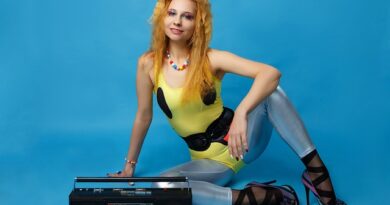
Low-rise jeans have resurfaced alongside baby tees emblazoned with ironic slogans. Shiny fabrics—metallic nylon, vinyl, lamé—reflect early tech optimism reminiscent of flip phones and chrome laptops. Designers balance these nostalgic staples with refined tailoring to create wearable contrast between minimalism and maximalism.
The Color Palette and Visual Language of Y2K Fashion
Color defines emotion in Y2K revivalism. Iridescent blues, bubblegum pinks, and holographic silvers dominate collections inspired by digital utopianism. These hues evoke both futurism and rebellion—an echo of a generation discovering online identity for the first time. Patterns often mimic pixel art or glitch effects, translating analog nostalgia into visual storytelling.
The Influence of Media and Celebrity Culture on the Revival
Media acts as both archive and amplifier for Y2K aesthetics in contemporary fashion cycles.
How Pop Icons Reintroduced 00s Fashion to a New Generation
Artists like Dua Lipa, Olivia Rodrigo, and Bella Hadid reinterpret iconic looks once worn by Britney Spears or Destiny’s Child through modern silhouettes. Red carpet events now feature archival pieces from designers such as Jean Paul Gaultier or Roberto Cavalli, signaling renewed respect for early-2000s craftsmanship. Social media transforms these moments into viral nostalgia touchpoints.
The Role of Nostalgia in Modern Fashion Marketing
Brands now use nostalgia as emotional capital. Campaigns reference early internet visuals—grainy filters, MSN chat bubbles—to evoke connection with millennial memory while appealing to Gen Z curiosity. Limited-edition collaborations with heritage labels tap into collective longing for authenticity amid mass production fatigue. This strategy blends exclusivity with cultural memory.
Digital Platforms as Catalysts for Y2K Trend Resurgence
Digital ecosystems have become laboratories where old aesthetics gain new life through remix culture.
The Impact of TikTok, Instagram, and Depop on Trend Acceleration
Visual-first platforms accelerate trend adoption at unprecedented speed. TikTok creators curate “digital nostalgia” through outfit montages that pair thrift finds with hyper-edited backdrops reminiscent of Windows XP screensavers. Depop reshapes resale economics by turning secondhand shopping into social engagement—vintage sellers become influencers shaping demand loops in real time.
Data Analytics and Algorithmic Influence on Fashion Trends
Algorithms favor eye-catching content; thus shiny fabrics or iridescent tones perform well within feeds optimized for engagement metrics. AI-powered recommendation systems resurface forgotten archives from designer databases or museum collections, giving them renewed visibility among younger audiences seeking originality within familiarity.
Sustainability Considerations in the Y2K Revival Movement
While nostalgia drives emotional appeal, sustainability defines its ethical credibility within modern fashion discourse.
How Vintage Resale Markets Support Circular Fashion Practices
Thrift stores and online resale markets extend garment lifecycles by reintroducing authentic 00s pieces into circulation. Upcycling workshops transform outdated silhouettes—cargo skirts or halter tops—into contemporary statements without new material extraction. This circular model aligns aesthetic revival with environmental responsibility rather than wasteful reproduction.
Ethical Implications for Fast Fashion Brands Adopting Y2K Aesthetics
Fast fashion’s rapid response models risk diluting cultural authenticity by mass-producing simplified versions of archival designs. Transparency issues emerge when brands replicate vintage looks without crediting original creators or contexts. Industry analysts debate whether this commodification undermines creativity or democratizes access to nostalgic expression.
The Future Trajectory of 00s-Inspired Fashion Trends
The Y2K revival signals not just return but reinvention—where retro futurism meets sustainability-driven innovation.
Integration of Retro-Futurism into Contemporary Design Philosophy
Designers increasingly merge metallic textures with biodegradable materials or recycled synthetics to express futuristic optimism responsibly. Tailoring becomes sharper while maintaining playful references like butterfly motifs or tech-inspired hardware details—a hybrid aesthetic bridging analog past with digital present.
Potential Influence on Broader Cultural Aesthetics Beyond Fashion
Y2K visual codes now influence graphic design layouts mimicking desktop interfaces, music videos styled after VHS distortion effects, and product branding using chrome gradients reminiscent of early web design. Cross-industry collaborations blur boundaries between tech firms and fashion houses, suggesting that nostalgia remains a powerful creative engine shaping identity across disciplines.
FAQ
Q1: Why has Y2K fashion become popular again?
A: It reflects both nostalgia for pre-social-media innocence and fascination with early digital optimism reinterpreted through sustainable values.
Q2: Which items best represent 00s fashion trends?
A: Low-rise jeans, rhinestone accessories, metallic fabrics, baby tees, and cargo pants are central icons revived today.
Q3: How do social media platforms influence this revival?
A: Algorithms amplify visually distinct nostalgic styles while communities on TikTok or Depop create micro-trends that spread globally within days.
Q4: Is the Y2K revival environmentally sustainable?
A: When driven by vintage resale or upcycling practices it supports circular consumption; mass replication by fast fashion brands poses ecological risks.
Q5: Will Y2K-inspired aesthetics continue evolving?
A: Yes; experts anticipate ongoing fusion between retro motifs and future-focused materials reflecting broader cultural fascination with digital heritage.