
How Can a Men’s Clothes Style Guide Define the New Menswear ‘Nice’ Era
Menswear Is in Its ‘Nice’ Era. A Five-Point Guide to Standing Out.
The current menswear landscape signals a new phase—one that values kindness, subtlety, and emotional fluency as much as cut and cloth. The “nice” era in men’s fashion is not about being passive; it’s about being self-aware and comfortable with softness. This shift has redefined what modern masculinity looks like through clothing. It merges precision tailoring with relaxed ease, color with calmness, and craftsmanship with ethical consciousness. For experts and stylists alike, the emerging men’s clothes style guide is now less about dominance and more about harmony—between personality, purpose, and presentation.
Understanding the Concept of the “Nice” Era in Menswear
Menswear today reflects a cultural pivot where emotional intelligence meets aesthetic restraint. The industry no longer sees vulnerability as weakness but as a mark of confidence. This change is visible in how designers frame masculinity not through armor-like suits but through garments that breathe.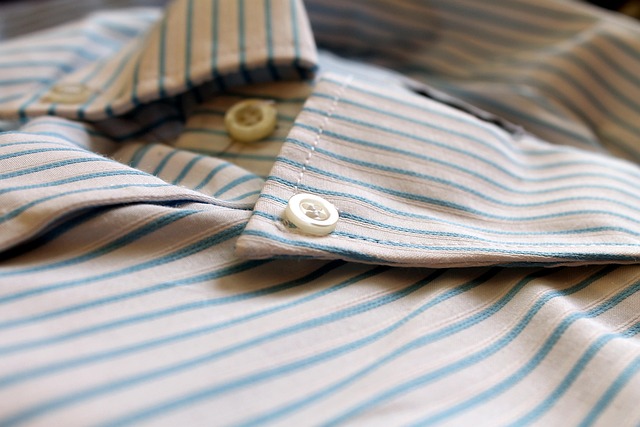
Redefining Masculinity Through Style
Contemporary menswear now embraces softness, color, and emotion without fear of losing authority. Designers are moving away from rigid tailoring toward silhouettes that express freedom rather than control. Relaxed shoulders, flowing trousers, and pastel tones speak of quiet assurance instead of dominance. This evolution mirrors broader cultural narratives where men are encouraged to express empathy and individuality through dress rather than conform to outdated ideals.
The Evolution from Streetwear Dominance to Refined Simplicity
After years of oversized hoodies and logo-heavy aesthetics, fashion has turned toward refinement. Post-streetwear menswear emphasizes simplicity—clean lines, texture play, and proportion balance. The focus is on tactile fabrics such as brushed cotton or wool crepe that create visual depth without noise. Minimalism returns not as austerity but as clarity: every piece serves a purpose while maintaining ease.
The Role of Cultural Narratives in Aesthetic Shifts
Culture shapes fashion’s rhythm. As society reexamines gender norms, designers reinterpret traditional codes—replacing aggression with grace. Runways now celebrate vulnerability; campaigns highlight connection over conquest. Masculinity becomes plural rather than singular, allowing style to act as dialogue instead of declaration.
The Role of a Men’s Clothes Style Guide in Shaping Modern Aesthetics
A men’s clothes style guide functions like a compass for this evolving identity—it helps translate abstract ideas into wearable principles. It sets parameters for coherence yet leaves space for personality to thrive.
Establishing Foundational Principles for the “Nice” Look
The foundation of the “nice” look lies in balance: comfort meets sophistication. Essential wardrobe components include soft-shouldered blazers, high-quality knit polos, tailored chinos, and versatile loafers. Fit remains central; too tight feels anxious, too loose appears careless. Fabrics like linen-wool blends or organic cotton provide breathability while maintaining structure. Color coordination favors tonal layering—sage with beige or navy with stone—to achieve visual calm.
Encouraging Personal Expression Within Structured Guidelines
A good style guide doesn’t impose uniformity; it encourages exploration within boundaries. Mixing traditional codes with modern flair—like pairing pleated trousers with sneakers or layering fine knits under unstructured jackets—creates individuality grounded in taste. This adaptability supports varied lifestyles where one outfit can shift from meeting to dinner seamlessly.
Adaptability Across Contexts
Modern dressing requires versatility across professional, casual, and social settings. Hybrid work environments demand attire that communicates competence yet feels approachable: think textured overshirts over crisp tees or drawstring trousers cut from suiting fabric. Intentional dressing becomes an act of self-presentation—a reflection of awareness rather than performance.
Key Elements Defining the New Menswear “Nice” Era
The defining features of this era lie not only in silhouette but also in mood: soft power replaces dominance; elegance feels lived-in rather than staged.
Soft Tailoring and Relaxed Silhouettes
Unstructured blazers return as symbols of quiet confidence. Pleated trousers drape naturally instead of clinging to formality. Fluid outerwear made from technical wools or sustainable cottons bridges comfort with polish. These pieces echo a new kind of elegance—one that invites conversation instead of commanding attention.
Color Palettes That Communicate Ease and Refinement
Muted tones dominate collections: dusty blues, warm taupes, olive greens, pale pinks. Tonal dressing enhances sophistication without rigidity by layering variations within one hue family—say oatmeal over cream over sand. Psychologically, these colors project calmness and reliability; they make others feel at ease around the wearer.
Elevated Basics as Core Wardrobe Investments
Timeless staples anchor this aesthetic: oxford shirts with soft collars, chore jackets with subtle stitching details, selvedge denim tailored just enough to skim the shoe line. Quality outweighs quantity; craftsmanship—visible in hand-finished seams or precise drape—defines value more than logos do.
The Influence of Cultural Shifts on Contemporary Menswear Norms
Fashion never evolves in isolation; it mirrors digital influence and ethical awakening alike.
The Impact of Digital Communities on Style Evolution
Online communities have democratized access to styling knowledge once reserved for insiders. Social platforms allow real-time feedback loops where emerging aesthetics spread globally overnight. Influencers no longer dictate trends—they interpret them collaboratively with audiences who crave authenticity over aspiration. Digital visibility encourages experimentation: softer palettes, gender-fluid cuts, expressive accessories all gain legitimacy through shared validation.
Sustainability and Ethical Awareness as Style Drivers
Sustainability aligns naturally with the “nice” ethos because it values care—for people and planet alike. Conscious consumers demand transparency across sourcing and production chains; brands respond by integrating recycled fibers or low-impact dyes into design narratives without sacrificing elegance. Ethical awareness becomes part of style integrity—a marker of discernment rather than sacrifice.
Applying the Men’s Clothes Style Guide to Everyday Dressing Strategies
Translating theory into practice requires thoughtful wardrobe planning rooted in longevity rather than novelty.
Building a Cohesive Wardrobe Around Versatility and Longevity
A capsule wardrobe offers practical structure: ten to fifteen interchangeable pieces covering most occasions. Layering principles matter—lightweight knits under blazers for spring or overshirts above tees for fall ensure year-round adaptability. Maintenance rituals such as proper storage or gentle laundering extend garment life while preserving their refined appearance.
Balancing Professionalism with Approachability in Modern Contexts
Hybrid work culture blurred formal boundaries yet elevated expectations for neatness. Combining tailored elements like pressed trousers with relaxed pieces such as knitted polos balances professionalism with warmth. Accessories play quiet roles here: clean sneakers signal creativity; minimalist watches suggest discipline; acetate eyewear adds intellectual charm without pretension.
FAQ
Q1: What defines the “nice” era in menswear?
A: It represents a move toward softer silhouettes, muted colors, emotional expression, and ethical awareness replacing aggressive formality.
Q2: How does tailoring fit into this new aesthetic?
A: Tailoring remains central but evolves toward unstructured forms that emphasize fluidity over rigidity while maintaining refinement.
Q3: Why are muted tones so prevalent today?
A: They communicate calm confidence and align visually with understated luxury favored by contemporary consumers.
Q4: How can sustainability enhance personal style?
A: Choosing ethically made garments reflects mindfulness—a quality increasingly associated with modern elegance—and often results in higher craftsmanship standards.
Q5: What role does a men’s clothes style guide play now?
A: It helps professionals navigate evolving aesthetics by offering adaptable frameworks balancing individuality with coherence across contexts.