

How Can Stitch Fix Women’s Style Guide Redefine Business Formal Elegance
Asos Shoppers Fuming After Retailer Makes Key Change to Returns & It’s Bad News if You Often Try Multiple Sizes
ASOS has introduced a major shift in its returns policy that’s drawing strong reactions from loyal shoppers. The new framework limits return flexibility for those who often buy multiple sizes, signaling a clear push toward cost control and environmental responsibility. While this move aligns with broader e-commerce trends, it also raises questions about the reliability of the ASOS sizing guide and how confident customers can be when they have fewer chances to test fit through returns.
Understanding ASOS’s New Returns Policy Change
The recent change in ASOS’s returns process represents a significant operational pivot for the online fashion giant. It reflects a balance between customer convenience and the rising costs of reverse logistics.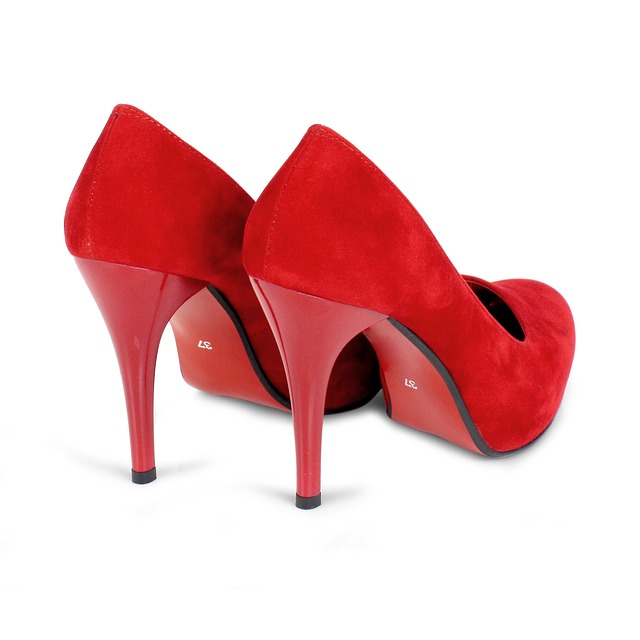
Overview of the Updated Returns Framework
The updated returns policy introduces shorter return windows and tighter eligibility conditions for refunds. Previously, customers could return items within a generous timeframe, even after trying several sizes at home. Now, stricter checks on item condition and more transparent tracking systems mean buyers must commit more decisively at checkout. This change particularly affects those who rely on free returns to find their correct fit across multiple size options.
Comparison Between the Previous and Current Return Conditions
Under the old system, ASOS allowed 28-day free returns for most orders, offering flexibility that encouraged multi-size purchases. The revised policy reduces this period and introduces clearer accountability for worn or damaged goods. It mirrors what other retailers have done to curb excessive returns that inflate shipping emissions and warehouse costs. The shift signals ASOS’s intent to foster more deliberate purchasing behavior rather than trial-based shopping.
Implications for Customers Who Frequently Order Multiple Sizes
For consumers accustomed to ordering two or three sizes per item, this update complicates their buying routine. Many will now depend more heavily on the ASOS sizing guide to minimize risk. The psychological comfort of “try now, decide later” is fading, replaced by a need for accurate digital fit prediction before purchase. This could drive both frustration and innovation—frustration among shoppers who feel restricted, but innovation as ASOS refines its fit technology to maintain trust.
The Strategic Motivation Behind the Policy Shift
This policy revision is not arbitrary; it stems from strategic business logic shaped by cost pressures and sustainability goals across e-commerce.
Business Rationale for Tightening Return Policies in E-Commerce
Returns are expensive. Industry analyses estimate that online apparel retailers lose billions annually from reverse logistics, restocking, and waste management. For ASOS, reducing unnecessary returns helps stabilize margins amid inflationary pressures on shipping and labor costs. It also aligns with investor expectations for operational efficiency in a saturated online market.
Cost Management and Sustainability Considerations Influencing ASOS’s Decision
Each returned parcel carries an environmental footprint—from additional packaging to carbon emissions during transit. By discouraging casual multi-size ordering, ASOS aims to cut waste while strengthening its sustainability credentials. This approach echoes broader corporate responsibility trends where brands are expected to act against overconsumption rather than enable it.
Industry Trends Prompting Similar Changes Among Online Fashion Retailers
ASOS isn’t alone in this transition. Competitors like Zara and Boohoo have introduced paid return models or shorter windows to reduce logistical strain. These shifts reflect an industry-wide recalibration toward profitability after years of growth driven by generous return policies that are no longer financially or environmentally viable.
Assessing the Reliability of the ASOS Sizing Guide Post-Policy Update
As stricter return terms take hold, attention naturally turns to whether the ASOS sizing guide can deliver consistent accuracy without physical trial options.
Before examining technical aspects, it’s worth noting that sizing reliability directly influences conversion rates and repeat purchases—metrics crucial under tighter return regimes.
The Historical Accuracy of ASOS’s Sizing Recommendations
Over time, ASOS has developed one of the most data-driven sizing systems in online retail. Early iterations relied heavily on self-reported measurements; newer versions integrate AI-driven analysis using millions of historical purchase-return pairs to refine predictions. Customer feedback shows mixed results: while many praise its precision for core brands like ASOS Design, inconsistencies remain across third-party labels hosted on the platform.
Evaluation of Customer Feedback and Satisfaction With Fit Accuracy
User reviews reveal that satisfaction often depends on garment type—jeans and fitted dresses tend to generate more complaints than oversized tops or outerwear. Still, average fit satisfaction scores have improved as machine learning models better interpret body shape diversity across regions.
The Role of Data Analytics and AI in Shaping Previous Sizing Algorithms
ASOS employs predictive modeling that combines body measurement inputs with behavioral data such as previous purchases or preferred fits (slim vs relaxed). These algorithms continuously learn from aggregate feedback loops—returns labeled “too small” or “too large” feed directly into future recommendations—creating an adaptive system designed to improve over time.
Potential Limitations After the Returns Policy Change
The new policy indirectly raises expectations for precision within digital fit tools since customers now face greater consequences if sizing advice fails them.
Impact on Consumer Confidence When Fewer Size Trials Are Possible
Without easy return options, shoppers may hesitate before experimenting with new brands or styles on ASOS Marketplace. Reduced flexibility could temporarily suppress order volumes until confidence rebuilds through proven accuracy in size guidance tools.
Increased Pressure on the Sizing Tool to Deliver Precise Recommendations
The ASOS sizing guide now carries heavier responsibility as a decision-making aid rather than a convenience feature. Its predictive accuracy must perform consistently across demographics; otherwise, frustration could erode loyalty among high-value customers accustomed to seamless experiences.
Risk Factors for Higher Dissatisfaction if Size Guidance Remains Static
If algorithmic improvements stagnate while policy restrictions tighten, dissatisfaction rates could rise sharply. Inconsistent fits between brands remain an unresolved challenge—and one misfit under stricter policies might deter repeat purchases altogether.
How ASOS’s Fit Technology Supports or Challenges Its Sizing Guide Reliability
Technological integration sits at the heart of how effectively ASOS can balance reduced returns with maintained customer trust.
Integration of Virtual Fitting Tools and Size Prediction Algorithms
Virtual fitting tools use 3D modeling based on user-supplied height, weight, and body shape data. Machine learning algorithms then match these profiles against garment dimensions derived from supplier specifications. Compared with industry benchmarks such as True Fit or Fit Analytics systems used by global retailers, ASOS’s solution ranks competitively but still faces calibration issues across non-standardized product lines.
Accuracy Levels Compared With Industry Benchmarks and Competitor Tools
While average accuracy claims hover around 85–90%, real-world performance fluctuates depending on data completeness and fabric elasticity factors not captured digitally. Competitors investing in mobile scanning apps show slightly higher precision but require greater user effort—a trade-off many shoppers avoid due to privacy concerns or setup complexity.
Influence of Customer Input (Reviews, Returns, Preferences) on Algorithm Refinement
Customer-generated content remains vital training material for refinement cycles. Each review tagged with “fits true to size” or “runs small” provides labeled data feeding back into model recalibration—a continuous process enhancing collective accuracy over time even as individual experiences vary widely.
The Role of Product Variability in Sizing Inconsistencies
Even advanced technology cannot fully offset inconsistencies inherent in fashion manufacturing diversity.
Differences in Sizing Across Brands Sold Through ASOS Marketplace
ASOS Marketplace hosts hundreds of independent sellers whose size standards differ significantly from house labels like Collusion or Topshop (now owned by ASOS). Such variation complicates algorithmic prediction because each brand defines “medium” differently based on target demographics or regional grading systems.
Material Composition, Cut, and Style Variations Affecting Fit Outcomes
Fabric stretch percentages or tailoring methods introduce unpredictable deviations from nominal measurements. A cotton-blend blazer may drape differently than polyester even within identical labeled sizes—nuances difficult for automated systems to anticipate accurately without manual curation inputs from suppliers.
Challenges in Maintaining Consistent Sizing Standards Across Diverse Collections
Maintaining uniformity across thousands of SKUs sourced globally is structurally complex. Supplier discrepancies in pattern grading or measurement tolerance can undermine otherwise well-trained predictive models unless standardized auditing mechanisms are enforced throughout production chains.
Consumer Behavior Shifts Triggered by the Returns Policy Adjustment
Behavioral economics suggests that when friction increases in post-purchase processes like returns, pre-purchase diligence rises correspondingly—a pattern already visible among frequent ASOS buyers adapting their habits under new rules.
Changing Shopping Habits Among Frequent Buyers
Frequent shoppers are cutting back on multi-size orders due to potential restocking charges or shorter deadlines. Instead, they scrutinize reviews more closely and rely heavily on peer-uploaded fit photos before committing financially—a community-driven validation replacing personal experimentation once enabled by free returns.
Increased Reliance on Reviews, Fit Photos, and Community Feedback Before Purchase
Social validation now functions as an informal quality control layer supplementing algorithmic suggestions from the ASOS sizing guide itself. Buyers compare visual references from similar body types shared via customer galleries before finalizing selections—a grassroots adaptation mitigating uncertainty introduced by stricter policies.
Growth in Demand for More Accurate Data-Driven Size Prediction Tools
As tolerance for misfit decreases under tighter conditions, demand grows for next-generation solutions integrating biometric scanning or AR visualization directly into shopping apps—a direction already explored by several tech startups collaborating with major retailers worldwide.
The Psychological Impact on Consumer Trust and Brand Loyalty
Policy changes inevitably test emotional bonds between brand and consumer base; transparency becomes critical during such transitions.
How Perceived Fairness and Transparency Affect Ongoing Loyalty to ASOS
Customers generally accept limitations when rationale feels fair—clear communication about environmental motives softens backlash compared with abrupt enforcement framed purely as cost-cutting measures. Perception management thus determines whether frustration converts into attrition or understanding support among loyal segments.
Balancing Convenience With Corporate Responsibility in Customer Perception
Consumers today expect ethical consistency: they tolerate mild inconvenience if convinced it serves genuine sustainability goals rather than profit motives alone. Communicating measurable impact reductions (e.g., CO₂ savings) helps legitimize inconvenience caused by reduced return leniency.
Long-Term Implications for Brand Reputation Within Competitive Online Retail Markets
Handled poorly, restrictive policies risk alienating core audiences; executed transparently alongside improved digital fitting accuracy, they can reinforce brand maturity positioning ASOS as a responsible leader redefining modern retail norms rather than merely reacting defensively under pressure.
Industry-Wide Implications for Online Fashion Retailers
The ripple effect extends beyond one company—other players watch closely how consumers respond before replicating similar frameworks at scale across global e-commerce networks.
Benchmarking Against Competitors’ Return and Sizing Strategies
Brands like H&M experiment with hybrid models combining paid postal returns but free store drop-offs; others incentivize accurate purchasing through loyalty credits instead of penalties. Those achieving balance between deterrence and empathy typically maintain stronger retention metrics despite reduced logistical flexibility overall.
Lessons Learned From Brands That Successfully Reduced Return Rates Without Damaging User Trust
Successful case studies emphasize proactive education: guiding customers through detailed measurement tutorials before checkout yields measurable reductions in misfit-related returns without eroding satisfaction levels—a tactic likely applicable within future iterations of ASOS sizing guide optimization efforts too.
Future Directions for Digital Sizing Solutions in E-Commerce
Emerging innovations include 3D body scanning via smartphone cameras generating personalized avatars rendered against product silhouettes; partnerships between retailers and tech firms aim at integrating these capabilities seamlessly into mobile commerce ecosystems over coming years—potentially redefining how online fashion achieves precision fit without physical trials altogether.
FAQ
Q1: What is different about ASOS’s new returns policy?
A: The main difference lies in shorter return periods and stricter item condition checks designed to discourage excessive multi-size ordering while promoting sustainability goals.
Q2: How reliable is the current ASOS sizing guide?
A: It performs well overall but still varies across third-party brands due to inconsistent manufacturer standards affecting garment measurements globally.
Q3: Will fewer free returns affect consumer trust?
A: Initially yes; however transparent communication about environmental benefits can mitigate negative sentiment among long-term users valuing ethical practices over convenience alone.
Q4: Are virtual fitting tools accurate enough yet?
A: Accuracy averages around 85–90% depending on data completeness though variability persists due to fabric behavior not fully captured digitally at present stages of model development.
Q5: How might competitors react to these changes?
A: Many will likely adopt similar policies gradually once consumer adaptation stabilizes proving profitability gains outweigh short-term backlash risks common during early implementation phases.