
How Did 70s Style Clothing Define Authentic Everyday Fashion in the 1970s
21 Photos That Capture Everyday Style in the 1970s
The 1970s marked a decade when fashion became a language of freedom and rebellion. Everyday style was not just about clothes but about identity, politics, and cultural change. From flared jeans to suede jackets, 70s style clothing mirrored the decade’s social shifts and creative experimentation. The era’s looks were eclectic—part bohemian, part disco, and entirely personal. Today’s fascination with vintage aesthetics owes much to this period when individuality overrode conformity.
The Cultural Context Behind 70s Style Clothing
The fashion of the 1970s cannot be separated from its cultural backdrop. Political activism, youth movements, and shifting gender norms all shaped how people dressed. Clothing became a tool for self-definition in a rapidly changing world.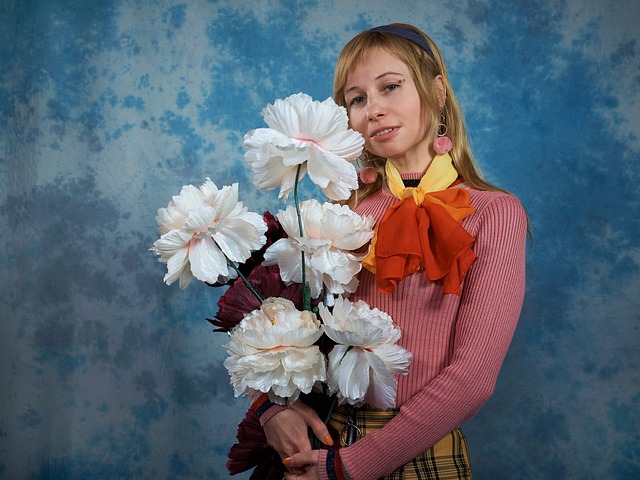
Social and Political Shifts Influencing Fashion
The 1970s were turbulent yet transformative. Movements advocating civil rights, women’s liberation, and environmental awareness redefined public consciousness. These changes encouraged people to express their beliefs through what they wore. Denim jackets covered in protest patches or T-shirts with feminist slogans became common sights. Rather than following strict trends, individuals began mixing pieces that reflected their values and moods. Fashion evolved into a statement of autonomy—less about uniformity and more about authenticity.
The Influence of Music and Media on Everyday Fashion
Music scenes played a crucial role in shaping 70s style clothing. Rock musicians popularized leather jackets and distressed denim, while disco stars inspired sequined outfits and platform shoes. Television shows and films amplified these looks globally. When audiences saw icons like Farrah Fawcett or John Travolta on screen, they replicated their styles almost overnight. Media exposure blurred regional boundaries, allowing local trends—from London’s glam rock to New York’s streetwear—to influence each other in real time.
Key Elements That Defined 70s Style Clothing
What made 70s fashion so distinctive was its mix of natural textures with bold experimentation. Designers embraced both comfort and creativity, blending traditional craftsmanship with modern innovation.
Fabrics, Textures, and Patterns of the Era
Natural fabrics such as cotton, suede, wool, and denim dominated casual wardrobes because they embodied comfort and honesty in design. At the same time, synthetic materials like polyester introduced new possibilities—stretch fabrics that allowed freedom of movement became everyday essentials. Bold prints flourished: paisley motifs borrowed from Eastern art, geometric patterns reflecting modernist design, and oversized florals symbolizing optimism. Each pattern told a story about personal freedom.
Silhouettes That Redefined Everyday Wear
Few shapes are as iconic as the bell-bottom or flared trouser that defined the decade’s silhouette. They balanced structure with ease, pairing well with tucked-in blouses or flowing tops. Maxi dresses offered an alternative for women seeking both elegance and practicality during daily routines. Wrap skirts gained popularity because they suited different body types while aligning with feminist ideals of self-dressing simplicity. Layered outfits—vests over shirts or scarves paired with tailored coats—added depth without formality.
Gender Expression and the Evolution of Unisex Fashion
By the mid-1970s, traditional gender lines in clothing began to blur dramatically. Designers responded to social debates about equality by creating garments that anyone could wear regardless of gender identity.
Breaking Traditional Norms in Clothing Design
Unisex fashion emerged as both an aesthetic choice and a political statement. Women adopted sharply tailored suits once reserved for men—a visual assertion of professional competence during an era pushing for equal rights at work. Meanwhile, men experimented with color: pink shirts, embroidered vests, even jewelry entered mainstream menswear without ridicule in progressive circles. This mutual borrowing reflected society’s growing acceptance of fluidity across roles once rigidly defined.
The Role of Youth Culture in Promoting Unisex Trends
Youth culture fueled these changes more than any designer could alone. Teenagers rejected formal dress codes inherited from their parents’ generation, opting instead for jeans paired with eclectic tops or army surplus jackets repurposed into streetwear staples. Subcultures like punk stripped down fashion to raw expression—ripped fabrics became badges of rebellion—while bohemian communities favored handmade garments celebrating craft over brand labels. This democratization meant anyone could participate; creativity mattered more than status.
Regional Variations in 70s Everyday Fashion
Despite global media influence, local culture still shaped how trends appeared across regions. Urban nightlife contrasted sharply with rural traditions but together formed a diverse visual landscape.
Differences Between Urban and Rural Styles
City dwellers gravitated toward sleek silhouettes suited for fast-paced environments: fitted blazers paired with flared trousers or metallic tops reflecting disco lights under club ceilings. Rural communities maintained slower rhythms; handmade knitwear and patchwork skirts preserved folk craftsmanship passed down through generations. These contrasts highlighted how innovation coexisted with heritage—the same decade that produced high-gloss glamour also celebrated homespun authenticity.
Global Adaptations of 70s Style Clothing
Western fashion houses influenced global markets but never erased local identity. In Europe, minimalist tailoring met avant-garde experimentation seen on Paris runways or Milan streets where art intersected design philosophy. Across Asia and Africa, designers merged traditional textiles—batik prints or silk brocades—with contemporary cuts like jumpsuits or tunics adapted for tropical climates. Such hybrids created new cultural identities that remain influential today among luxury brands revisiting archival inspirations.
The Enduring Legacy of 70s Everyday Fashion in Modern Design
Modern designers continue revisiting the 1970s because its spirit aligns closely with current priorities: sustainability, inclusivity, and authenticity over mass-produced sameness.
Revival of Vintage Aesthetics in Contemporary Collections
Runway collections frequently reinterpret iconic elements such as flared pants or platform shoes using eco-friendly materials like organic cotton or recycled polyester blends. Boho prints have resurfaced through digital printing technologies that reduce waste while preserving artistic flair reminiscent of vintage aesthetics. Sustainability movements echo the decade’s preference for natural fibers and artisanal techniques—a reminder that craftsmanship never truly goes out of style.
Lessons from 70s Authenticity for Today’s Fashion Industry
The most valuable takeaway from this era lies in its rejection of conformity. Designers then believed personal expression outweighed trend-following—a belief now mirrored by slow-fashion advocates who prioritize longevity over novelty cycles. Individuality remains central: dressing reflects inner values rather than external validation metrics like brand prestige or seasonal dictates. By revisiting this ethos, today’s industry finds renewed relevance amid consumer calls for transparency and diversity.
FAQ
Q1: What were the most popular fabrics used in 70s style clothing?
A: Cotton, suede, denim, wool, and polyester were widely used due to their comfort and versatility across casual to formal wear.
Q2: How did music influence everyday fashion during the 1970s?
A: Music genres like rock inspired leather jackets while disco culture introduced sequins and metallic fabrics into mainstream wardrobes.
Q3: Why did unisex fashion become prominent during this period?
A: It reflected broader social movements challenging gender roles; both men and women adopted styles previously restricted by convention.
Q4: Which silhouettes best represent typical 70s outfits?
A: Bell-bottom trousers, maxi dresses, wrap skirts, and layered ensembles defined relaxed yet expressive styling throughout the decade.
Q5: How does modern fashion continue drawing inspiration from the 1970s?
A: Contemporary designers reinterpret vintage cuts using sustainable materials while embracing individuality—a core principle inherited from that era.