Why Are Eighties Fashion Trends Still So Powerful Today?
Why Are Eighties Fashion Trends Still So Easy to Spot?
Look through today’s Fashion Trends for a few minutes and eighties fashion trends usually appear somewhere: a padded blazer, a neon trim, washed denim, a shiny belt, or sneakers worn with tailored clothes. The 1980s did not stay in the background. Clothes had size, color, gloss, and a clear attitude. That is why buyers still use the decade for styling ideas, retail mood boards, and export fashion collections.
The Fashion Institute of Technology’s Fashion History Timeline, updated in 2020, gives the decade a plain summary: bigger meant better. It points to women’s shoulder pads, men’s power suits, bold color, sportswear, New Romantic styling, and dancewear as main forces. That mix is why the eighties can still be read from across a room.
Big Shoulders Signaled Authority
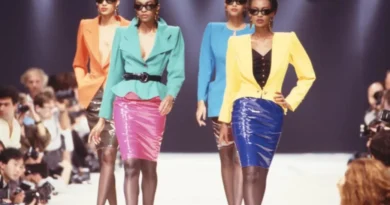
The shoulder pad is the fastest visual code of the decade. It made jackets wider, made the waist look smaller, and gave the body a firmer line. In workwear, that shape gave blazers a serious business feel. In eveningwear, it added a bit of drama. A boxy blazer over straight jeans still works now because the shape gives simple pieces structure, not just a retro reference.
Bright Color Made Clothes Camera Ready
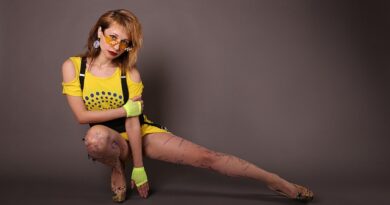
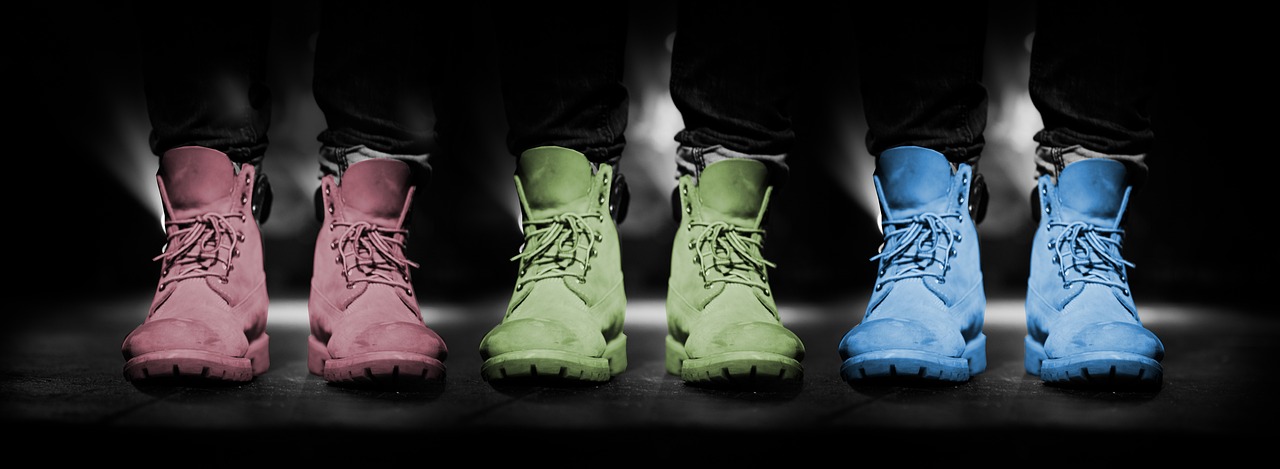
Neon pink, cobalt blue, acid green, red leather, and high-contrast black and white were not quiet choices. They worked well for music videos, club lights, magazine covers, and mall culture. For styling today, the point is simple: one bright piece can carry the outfit. A neon knit with dark denim often looks cleaner than color from head to toe.
Texture Did the Talking
Eighties outfits often mixed shine with softer surfaces. Think leather, satin, lace, denim, metallic thread, plastic jewelry, suede, and chunky knits. This gave casual outfits more depth without needing a complicated cut. If a look feels too flat, an eighties-style texture can lift it, like a glossy belt with a cotton dress or a satin bomber with clean trousers.
How Did Work and Money Shape the Eighties Look?
Fashion does not come from nowhere. The 1980s office, consumer economy, and designer culture all shaped the way people dressed. The decade’s best-known clothes were bold, but they were not random. They answered a real need for visibility, ambition, and clothing that made a person look ready for a bigger role.
Power Dressing Met a Changing Office
The U.S. Bureau of Labor Statistics 2020 Women’s Databook shows women’s labor force participation rising from 51.5 percent in 1980 to 57.5 percent in 1990, a 6 percentage point gain. That number does not mean shoulder pads created workplace power. It means power dressing grew during a real change in who was entering and staying in professional spaces. The suit became a visual tool: tailored, direct, and hard to miss.
Designer Names Became Social Shortcuts
The Metropolitan Museum of Art notes that Giorgio Armani was tied to late-1970s and 1980s dress-for-success culture, especially through softer, authoritative business suits for women. His unstructured jacket mattered because it looked polished without feeling stiff. At the same time, names like Versace, Mugler, Montana, Westwood, and Lagerfeld made designer identity part of the outfit. The label, shape, and attitude worked together.
Apparel Prices Put Style in Context
The BLS May 2012 Spotlight on Statistics lists apparel Consumer Price Index figures from 1978 to 2011. Apparel moved from 111.7 in 1980 to 145.7 in 1989, around a 30.4 percent rise. The all-items index rose from 126.4 to 190.2, about 50.5 percent. This background matters because shoppers faced higher prices, but clothing did not rise as fast as the wider basket. Trend pieces could still move through malls, catalogs, discount stores, and youth culture.
Which Eighties Fashion Trends Started with Music and Screen Culture?
Television, film, pop stars, and music videos helped eighties fashion spread fast. A look did not need to wait for a runway review. It could appear on a singer, a movie character, or a dance show, then turn up at school, at the mall, or on a Saturday night. That quick visual loop is one reason the decade still feels familiar.
MTV Turned Outfits into Visual Hooks
Music television made image part of the song. Jackets with military trim, lace gloves, leather pants, cropped tops, fedora hats, stacked bracelets, and teased hair became easy to remember. The outfit had to be understood in three seconds. This is still useful for product styling. If a garment has one clear hook, shoppers remember it more easily.
Movie Wardrobes Made Casual Pieces Famous
Films helped casual clothes become style statements. Dance-inspired sweatshirts, leggings, bomber jackets, varsity pieces, pegged jeans, and oversized coats all gained weight through screen moments. The FIT timeline names dancewear, off-the-shoulder sweatshirts, and leggings as key parts of the decade’s everyday style shift. A sweatshirt slipping off one shoulder may look small now, but in the eighties it could carry a whole mood.
Pop Icons Mixed Glamour with Streetwear
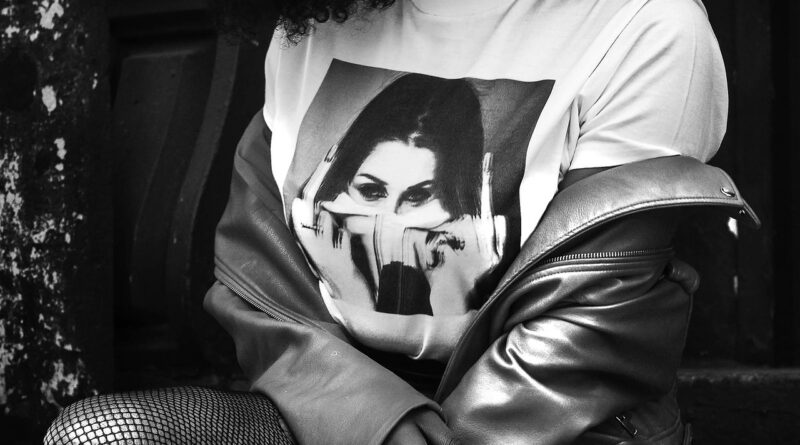
Eighties pop style rarely stayed in one lane. Glamour mixed with street pieces, menswear mixed with lingerie details, and luxury mixed with plastic jewelry. That is why the decade still gives stylists room to work. A lace top can sit under a sharp blazer, and a leather jacket can soften over a printed skirt. The contrast is the point.
Why Did Fitness Wear Become Everyday Style?
Before athleisure became a common retail word, the 1980s brought workout clothes into daily life. Fitness culture changed shapes, fabrics, and color. It also made the body more visible in fashion. Clothes stretched, moved, and sat close to the body in ways that felt new to many shoppers.
Aerobics Made Stretch Fabric Public
History.com, updated in 2025, records Jane Fonda’s first workout video release on April 24, 1982, and notes that her 1981 workout book stayed at No. 1 on the nonfiction bestseller list for more than six months. The same source connects the workout boom to neon spandex, leotards, and leg warmers. This is a clear case of media, fitness, and clothing feeding each other. The look moved from studio floors into everyday wardrobes.
Leg Warmers Became a Mood
Leg warmers were useful for dancers, but the eighties turned them into a style sign. They suggested movement, youth, and a bit of studio-floor confidence. Worn today, they can look too literal if paired with a full retro workout set. A cleaner route is simple: ribbed socks, soft scrunched boots, or a small knit detail that nods to the idea without copying it fully.
Sneakers Moved Beyond the Gym
Fitness culture helped sneakers leave the workout space. White aerobic shoes, high-tops, and colorful trainers became part of daily outfits. This shift still matters for fashion buyers because sneakers can make structured clothes easier to wear. A blazer with sneakers is not a new idea. The eighties helped make that mix feel normal. See also: Outfit Ideas.
How Can You Wear Eighties Fashion Trends Now?
For daily styling, it is better to take the feeling of the decade, not copy the full costume. Full neon, big hair, plastic earrings, acid wash, and a giant blazer can be fun for a theme party, of course. For normal outfits, one or two eighties notes usually look sharper and easier to sell.
Start with One Strong Shape
Pick one silhouette first. A padded blazer, a high-waisted jean, a cropped leather jacket, a puff-sleeve dress, or a tapered trouser can set the tone. Then keep the rest calmer. This helps the outfit feel styled, not like a movie remake. A black shoulder-pad blazer with a white tank and straight denim is a good place to start.
Choose Controlled Color
Eighties color does not have to mean neon from head to toe. Use one bright item on a neutral base; it is easier for daily wear and also easier for product photos. Useful combinations include:
- Hot pink knitwear with washed black denim
- Cobalt blue blazer with a white tee and tailored pants
- Acid wash jeans with a plain black top
- Red pumps with a grey suit
- Metallic belt with a simple slip skirt
This kind of color control keeps the reference clear and wearable.
Let Accessories Do Less Work
Accessories were often large in the eighties: wide belts, hoop earrings, brooches, stacked bangles, chain necklaces, and bold sunglasses. Today, choose one main piece. A wide belt can shape an oversized blazer. Gold hoops can warm up a denim jacket. Too many accessories at the same time can push the outfit into costume territory very quickly.
What Should Brands and Buyers Watch when Buying Eighties Styles?
For fashion brands, wholesalers, and boutique buyers, the eighties are useful because the decade has clear product signals. But not every retro item sells in the same way. The more commercial pieces usually keep the reference clear while using modern comfort, fit, and styling.
Fit Matters More than Costume Energy
A shoulder-pad blazer needs the right shoulder width, sleeve length, and waist balance. If it is too large everywhere, it looks sloppy. If it is too tight, the drama disappears. The best modern eighties-inspired pieces keep the strong top line while reducing bulk through the body. That works better for online photos and real customers.
Fabric Tells the Decade Quickly
Fabric can show the reference without loud styling. Acid wash denim, faux leather, satin, rib knits, lace, taffeta, and stretch jersey all carry eighties memory. There is no reliable public dataset that counts exactly how many people wore acid wash jeans in 1987, so treat that piece as a style marker, not a measured population trend. Use it for mood, then judge it by current demand.
Styling Turns Vintage into Retail
Product photos matter. A retro blazer on a plain hanger may look dated. The same blazer over a fitted tee, with relaxed denim and clean shoes, looks easier to sell. For dresses, modern hair and simple makeup help. For denim, avoid too many retro props. Let the garment speak, but place it in a current outfit.
FAQ
Q1: What Are the Biggest Eighties Fashion Trends? A: The biggest eighties fashion trends include shoulder pads, power suits, acid wash denim, neon color, leather jackets, leotards, leggings, leg warmers, oversized knits, puff sleeves, and bold accessories.
Q2: Are Eighties Fashion Trends Back in Style? A: Yes, but usually in a more edited way. Modern outfits often use one eighties element, such as a boxy blazer, bright color, or washed denim, instead of copying a full vintage look.
Q3: How Can You Wear Eighties Style Without Looking Dated? A: Keep the shape strong and the styling simple. Pair a padded blazer with clean denim, wear neon as one accent, or use a wide belt with a plain dress.
Q4: Why Were Shoulder Pads So Popular in the 1980s? A: Shoulder pads created a strong, confident silhouette. They worked well with power dressing, designer suits, evening jackets, and even some casual tops.
Q5: Which Eighties Pieces Are Best for Modern Retail? A: The most wearable pieces are tailored blazers, high-waisted jeans, cropped leather jackets, satin tops, bright knits, statement belts, and sneakers with a retro shape.