
How 80s Fashion Influences Modern Capsule Wardrobes Without Overdoing Retro
How to Build a Modern ’80s Capsule Wardrobe (Without Looking Like a Costume)
The 1980s made a big mark on fashion. Its effects still shape what people wear now. The main traits from that time include strong shapes and bold choices. These can fit into today’s clothes without going over the top. A small set of pieces drawn from the 1980s keeps the focus on clean lines and nice fabrics. Done with care, the whole look feels lasting instead of like a show.
The Enduring Influence of 1980s Fashion on Modern Wardrobe Design
The 1980s stood out for its bright looks. Designers went for big statements that also said something about the times. To see how these ideas live on, it helps to look at what was happening back then.
Defining the Core Aesthetics of 1980s Fashion
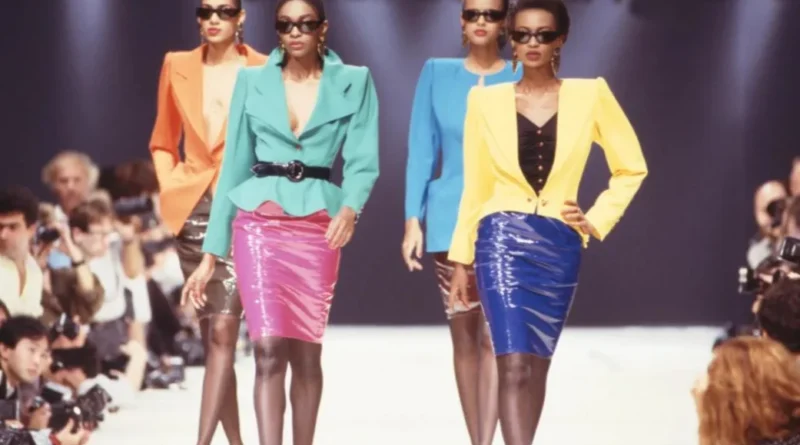
Power dressing showed drive. Women chose wide-shouldered jackets and straight skirts to show the same strength once linked to men’s suits. At the same time, stars on screen pushed bright colors and big jewelry made with shiny cloth. These moves came from a time when people wanted to move up. Clothes worked like protection in office life.
Big fashion names such as Yves Saint Laurent and Thierry Mugler took bold ideas and turned them into sharp cuts. Their jackets had strong lines and tight waists that mixed power with soft appeal. This mix of hard shape and easy flow still guides suits made today.
Translating 1980s Elements into Contemporary Minimalism
Designers now take the big looks from the decade and make them quiet. They skip loud neon and pick softer shades instead. Burnt orange takes the place of bright red. Slate blue stands in for deep cobalt. The cut of a jacket stays sharp but uses light wool or linen mixes so the piece moves well and does not feel heavy.
A good small wardrobe takes old ideas but keeps things simple. One key item like a large jacket or a thin metal belt can hold an outfit together when the rest stays plain. The trick is to use only one strong piece at a time so the look stays balanced and easy to wear now.
Constructing a Modern Capsule Wardrobe with 1980s Influences
Putting together a small wardrobe that nods to the 1980s takes steady choices. Every piece needs to work with the others in shape and use. This is much like how good tech parts fit together so the whole system lasts longer. In clothes this means each item should match the rest in both look and daily use.
Identifying Foundational Pieces Inspired by the 1980s
Strong jackets sit at the base. They set the way a person stands and feels. Wear them with slim pants for even lines or with soft skirts for a gentler touch. Big coats like a long trench or a square-cut outer layer add size without weight when made from smooth cloth such as gabardine or wool that has been used before.
Plain colors like dark gray, soft white, or warm tan keep the shapes steady. They also let the feel of the cloth stand out more than any bright shade. Silk twill or thin leather bring a rich touch without pulling the mind straight back to old times.
Integrating Statement Details Thoughtfully
Strong details should follow the plan of the outfit and not just add flash. Metal touches can show up as belt buckles or small rings instead of whole shiny tops. Extra width at the shoulders works better with light padding than with huge pads that stick out.
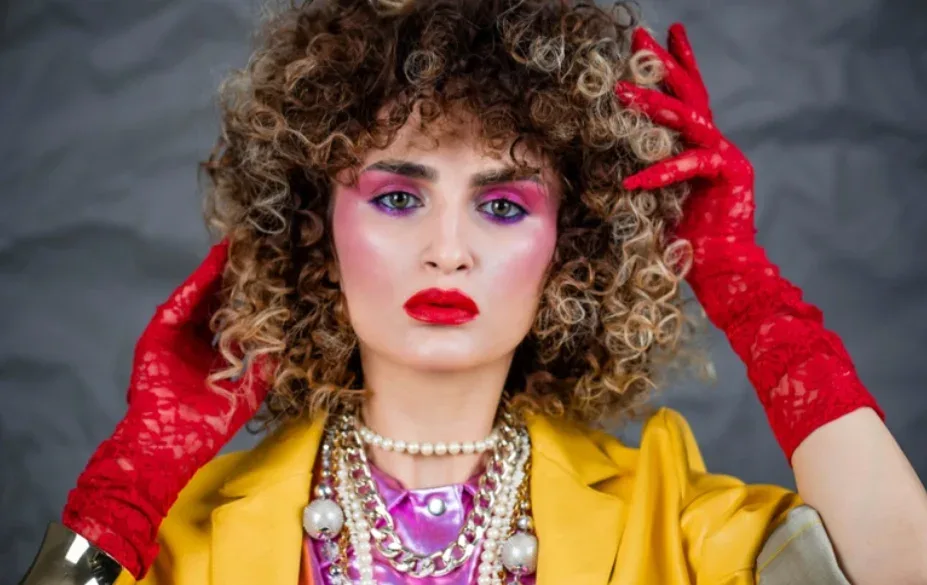
Small add-ons point to the decade in quiet ways. A chain necklace, a simple shaped earring, or a shoe with a pointed toe all give a nod without getting in the way of normal days. Keeping sizes in check stops the look from turning into a costume.
The Role of Tailoring and Fit in Modernizing Retro References
Good sewing helps old shapes fit new lives. Careful cuts change big 1980s lines into clothes people move in all day. This step turns old ideas into pieces that feel right now.
Precision Tailoring as a Bridge Between Eras
New sewing tools such as laser cuts and bonded edges let makers take old forms and make them exact. They change the slope of a shoulder or shorten a jacket so the piece sits better on bodies that move a lot. The main idea of strength stays while the fit feels fresh.
Small changes to old finds make them match today’s sizes. This works the same way a well-made system grows better when every part comes from one team. The pieces match without extra work. In the same way, one clear style across an outfit stops any clash.
Reinterpreting Volume and Proportion from the 1980s Perspective
Big shapes once stood for strength. Now they stand for comfort when they are handled right. Layering helps keep things even. A loose top sits best over tight pants or a straight skirt so the whole outfit stays steady.
The weight of the cloth decides how it hangs. Light wool crepe softens a boxy jacket. Heavier cotton keeps a sharp edge. A small mix of tight and loose parts brings the old cut into daily use without any odd feel.
Color Theory and Texture in Balancing Retro with Contemporary Style
Color once showed push-back. Now it shows care when it sits next to different cloth feels.
Modern Palettes Derived from 1980s Inspiration
Makers have moved from loud brights to softer takes on strong shades. Deep pink sits well with gray-brown. Rich green looks calm next to off-white wool. One-color outfits put the eye on the shape rather than on loud color.
Pairing a strong shade with plain tones keeps the look calm for work while still holding a bit of the free street style from those years. A person might wear a deep green jacket with plain gray pants to an office meeting and still feel a quiet link to the past.
Textural Contrast as a Design Strategy
The feel of cloth holds memory more softly than any print. Leather next to silk brings a mix of hard and soft that marked the 1980s and now uses new plant-based or recycled materials. Flat finishes next to shiny ones add depth inside simple outfits the same way stacked sounds added layers to music then. Building up different feels gives a wardrobe quiet interest without any mess.
Sustainability and Longevity in Curating an ’80s-Inspired Capsule Wardrobe
Long use matches good planning. The same rule that guides careful tech making applies here. A solid home battery setup uses tested cells, clear promises on repairs, room to grow, and nearby help for years. In clothes this means strong cloth and shapes that can shift with time instead of following short trends.
Investing in Quality Over Quantity Through Vintage Integration
Old pieces often last longer than fast-made ones because the cloth started out better. Picking items that still look good keeps the skill from those years alive. Small sewing fixes can update the line without taking away the old feel. Shortening a sleeve or bringing in a lapel by an inch or two lines the piece up with current sizes while the core look stays true.
Ethical Considerations in Modern Reinterpretations of Past Trends
Choosing makers who reuse old cloth shows care much like picking clean sources in other fields. Skipping cheap copies keeps respect for the first makers and cuts down on extra waste. Long use becomes both a green choice and a style choice. Fewer well-made items beat buying new pieces every season in cost and in how they look over time.
Styling Methodologies for Contemporary Professionals Drawing from 1980s Aesthetics
People who move between desk days and free time can use 1980s ideas for a steady yet open style. The base stays in clean shape rather than show.
Creating Cohesion Across Workwear and Leisure Contexts
Strong shapes fit office days when the cloth feels softer like a jersey-backed wool or a washed cotton mix. After work the same jacket goes with jeans or a thin slip dress. This mix-and-match way works like parts that serve more than one job in a good system. Each piece helps in several spots without extra buys.
Change across seasons comes from simple layers. A thin turtleneck under a jacket in cold months comes off alone when spring arrives. The look stays whole without any break in style.
Visual Identity Through Subtle Retro Referencing
A person’s own look grows from small turns on old ideas rather than straight copies. One clear item such as a thin metal bag or a shirt with one off-side line can set a tone inside a plain set. Holding back makes the story clearer. Too many old touches blur what the wearer wants to say.
Working people who build a steady look treat clothes like a short tale built on past notes yet aimed at what comes next. This idea runs through many creative fields where what came before guides new steps without locking them down.
FAQ
Q1: What makes 1980s fashion still relevant today?
A: Its focus on shape, drive, and personal choice lines up with how people now want to show themselves through clean design rather than loud extras.
Q2: How can one include bold colors without overwhelming an outfit?
A: Pick softer takes on bright shades and set them next to plain tones. This keeps the color alive while the whole look stays calm and grown-up.
Q3: Are vintage pieces essential for achieving this look?
A: They are not the only way but they add real feel. Mixing a true old jacket with new cloth gives a depth that copies often miss.
Q4: How does tailoring affect sustainability?
A: A good fit makes a person wear the item more often so it does not get replaced as fast. This cuts the cycle of buying new because of poor shape or feel.
Q5: What accessories best capture subtle ’80s influence?
A: Clean belts with shape, simple angle earrings, chain bracelets, or shoes with a sharp toe all give a quiet nod to power dressing while the rest of the outfit stays plain and current.