
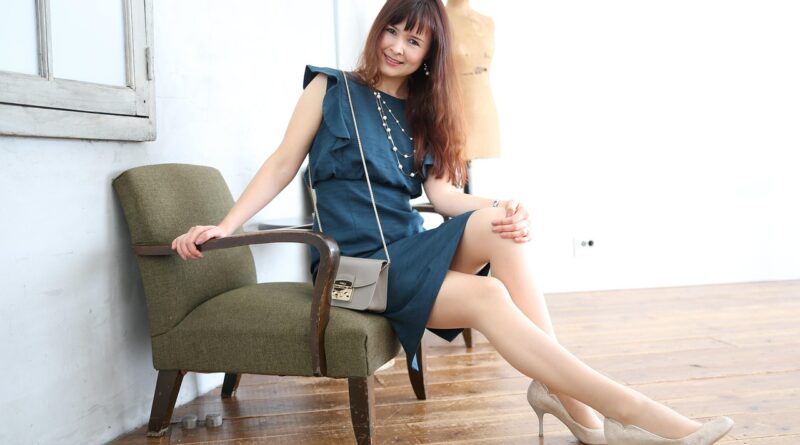
How to choose ladies party dresses for cocktail, wedding and evening events
Start with the occasion before choosing the dress
Choosing ladies party dresses becomes much easier when the event comes first and the garment comes second. A dress that feels right for a rooftop cocktail party may look too relaxed at a black-tie wedding. A dramatic evening gown, on the other hand, can overpower a birthday dinner or company celebration. Start by reading the invitation, checking the dress code, and considering the venue, season and time of day. From there, choose the silhouette, fabric and styling details that fit the setting.
Party dressing sits between personal style and social context. Fashion editors may focus on current colors, lengths and silhouettes, while etiquette sources such as Emily Post and wedding style guides usually return to the same point: the invitation and the formality of the event are the first clues. A useful party dress is not only attractive in photos. It should also answer practical questions: Is it dressy enough? Can you sit, walk and dance in it? Does the fabric suit the season? Does the care label make sense for how often you expect to wear it?
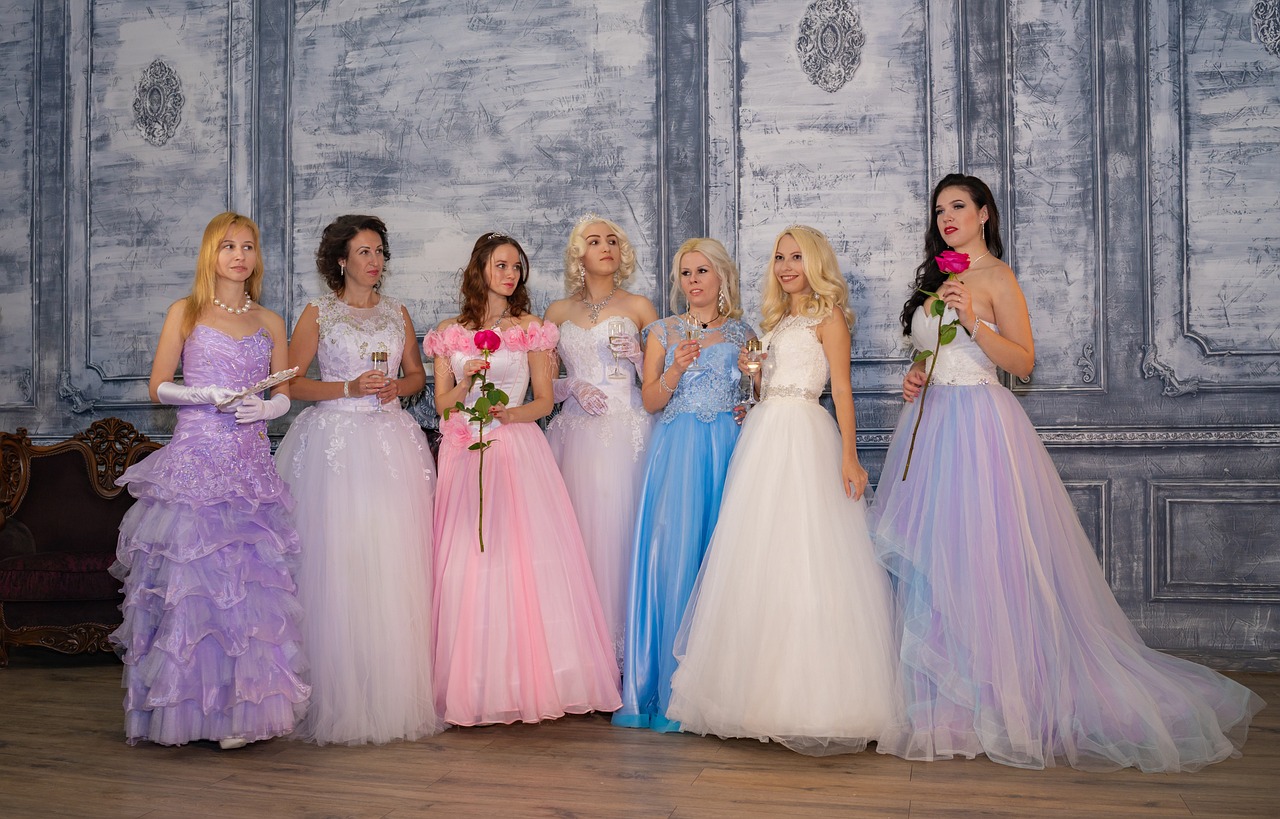
If you are comparing several options, save your favorites and check them against the sections below. For more wardrobe planning advice, you can also browse the Shopping Guides section.
Decode common party dress codes
Dress codes are not exact rules, but they help narrow the choices. Cocktail, semi-formal, formal and black tie each point to a different level of polish. Modern invitations can also mix terms, especially for weddings, holiday parties and brand events. When the wording is unclear, aim for a look that is more refined than everyday eveningwear without competing with the host or the purpose of the event.
| Dress code or event cue | Reliable dress direction | Details to watch |
|---|---|---|
| Cocktail attire | A polished mini, knee-length or midi dress in an elevated fabric | Avoid beachy cotton, clubwear extremes or overly casual knits |
| Semi-formal | A refined cocktail dress, dressy midi or elegant separates | Let venue and time of day guide how glamorous you go |
| Formal | A long dress, refined midi or especially elegant cocktail dress | Choose richer fabrics and more considered accessories |
| Black tie | A floor-length gown is safest, though some polished formal dresses may work | Keep styling elegant rather than trendy or distracting |
| No dress code listed | Use venue, host, season and start time as clues | When unsure, a classic midi dress with dressy shoes is versatile |
For cocktail events, fashion and etiquette sources generally treat the category as dressy but not full gala attire. That leaves room for satin midis, crepe sheaths, lace dresses, structured minis, wrap dresses and tailored fit-and-flare styles. For weddings, the couple’s instructions matter most. If the invitation gives a color palette or asks guests to avoid certain shades, follow that guidance even if your dress would otherwise suit the formality.
Choose a silhouette that supports movement
A party dress should look good while standing still, but real events involve more than posing. You may be sitting through dinner, walking across uneven surfaces, greeting people, climbing stairs or dancing. Before choosing a silhouette, think about what the event requires physically. A body-skimming column can feel elegant for a seated dinner. A fit-and-flare dress may be easier for dancing. A wrap or faux-wrap style gives adjustable shape, while an A-line midi often balances polish and comfort.
Mini dresses
Mini party dresses work best for birthdays, cocktail bars, clubs, festive dinners and less formal celebrations. The shorter the hemline, the more important the fabric and cut become. A structured mini in velvet, jacquard, satin-back crepe or embellished fabric usually looks more polished than a thin stretch mini. If the event includes stairs, dancing or formal photos, check the length while sitting and walking before you buy.
Midi dresses
Midi dresses are among the most versatile choices for ladies party dresses because they can work across cocktail parties, weddings, work celebrations and dinner events. A slip midi feels sleek and minimal. A ruched midi can be forgiving and modern. A full-skirted midi has a romantic feel, while a tailored sheath looks sharp for professional gatherings. If you want one dress for several occasions, a midi in black, navy, deep green, burgundy, chocolate, champagne or a refined print is often more wearable than a highly seasonal statement piece.
Maxi and floor-length dresses
Long dresses suit formal weddings, galas, evening receptions and dress codes that mention black tie or formal attire. The difference between a casual maxi and a party-ready long dress usually comes down to fabric, structure and finish. Jersey beach maxis, thin cotton tiers and relaxed sundress shapes may look underdressed. Crepe, chiffon, satin, velvet, lace, tulle overlays and well-lined pleats generally create a more appropriate evening effect.
Use fabric to set the level of formality
Fabric often communicates formality faster than color or length. Satin, velvet, lace, chiffon, organza, tulle, sequins, beading, jacquard and crepe are common in party dresses because they catch light, hold shape or add texture. Casual fabrics can still work, but they need a polished cut and intentional styling. A simple knit dress, for example, may suit a relaxed dinner party but may not be enough for a cocktail wedding unless the design, accessories and shoes elevate it.
Season and climate matter too. Velvet and heavy satin feel natural in cooler months and evening venues. Chiffon, crepe and lighter satin are easier for spring and summer events. Sequins and metallics are strong choices for holiday parties, New Year events and nightlife, but they can feel too attention-grabbing for ceremonies or conservative professional settings. Lace can look romantic and formal, though white lace is often risky for weddings unless the couple specifically permits it.
Care is part of the fabric decision. In the United States, the Federal Trade Commission’s apparel labeling guidance requires most textile garments to provide fiber content, country of origin and care information. For shoppers, that makes the care label a practical buying tool. A dress marked dry clean only may be worth it for a major event, but it adds cost over time. Delicate beading, feathers, sequins and metallic finishes can also limit cleaning options. If you want a repeat-wear dress, check whether the label supports realistic care before buying.
Color, print and shine should match the setting
Color is personal, but setting still matters. Black remains a dependable evening choice because it can shift from simple to formal with jewelry, shoes and outerwear. Navy, charcoal, espresso, burgundy, emerald and plum give a similar dressy effect with slightly more softness. Champagne, blush, silver and pale blue can look elegant, but for weddings it is wise to avoid shades that photograph close to white unless the invitation clearly allows them.
Prints can work well for garden parties, daytime weddings, birthdays and creative events. The more formal the event, the more controlled the print should be. A dark floral midi, tonal jacquard or abstract print can feel elevated; a casual vacation print may not. Shine also needs context. Sequins, rhinestones and metallic fabrics are ideal for festive nights, but a full sequin dress may dominate a ceremony, charity lunch or office function. If you want sparkle with more versatility, choose one focal point: a beaded neckline, metallic shoes, a crystal bag or subtle lurex thread rather than shine from head to toe.
Trends can be useful, but they should not override fit and wearability. Recent fashion reporting has emphasized expressive silhouettes, richer textures and softer romantic details for dress styling, while broader industry reports continue to note that shoppers are weighing value carefully. The practical takeaway is simple: a party dress earns its place when the color and design feel current enough to enjoy, but classic enough to wear again. See also: Fashion Trends.
Fit checks that matter before checkout
Size charts are only the starting point. Party dresses often use less forgiving fabrics than everyday clothes, and details such as boning, zippers, lining and embellishment can change how a garment feels. If you are shopping online, compare your bust, waist, hip and height measurements with the brand’s chart, then read the description for stretch, lining and closure details. If you are between sizes, the better choice depends on the fabric and silhouette: structured woven dresses usually need enough ease, while stretch fabrics may fit closer to the body.
- Check the bust and neckline. You should be able to move, sit and lean slightly without constant adjustment.
- Test the waist placement. A waist seam that hits too high or too low can make an otherwise beautiful dress feel wrong.
- Look at the lining. A lined skirt usually hangs better and feels more secure under event lighting.
- Consider bra compatibility. Strapless, backless and plunge styles may require special undergarments or tailoring.
- Walk in the hemline. Narrow midis and floor-length dresses need enough room for stairs and dancing.
- Budget for alterations. A simple hem, strap adjustment or waist tweak can make a mid-priced dress look more refined.
Photos can hide problems that appear in motion. If possible, try the dress with the shoes and undergarments you plan to wear. Stand near natural light, sit down, raise your arms and walk a few steps. A dress that passes those tests is more likely to feel comfortable throughout the event.
Build a complete outfit around the dress
A party dress rarely works alone. Shoes, bag, jewelry, outerwear and beauty choices decide whether the final look feels balanced. Start with the dress’s strongest feature. If it has a dramatic neckline, choose simpler earrings or a bracelet. If the dress is minimal, accessories can add personality. If the dress is heavily embellished, keep the rest of the outfit clean.
Shoes should match both the formality and the venue. Slim heels look elegant indoors, but block heels, platforms or dressy flats may be better for gardens, cobblestones, long receptions or events with lots of standing. For weddings and formal dinners, a small clutch or compact shoulder bag usually looks more polished than a large everyday tote. Outerwear matters too: a tailored coat, evening wrap, cropped jacket or sleek blazer can preserve the dressy effect in cold weather.
Jewelry does not need to be expensive to look considered. Pearls, sculptural metal earrings, a fine chain necklace, a cuff bracelet or a clean cocktail ring can finish the outfit. The goal is not to match every item perfectly. It is to create a clear visual direction, such as minimal satin and silver, romantic lace and pearls, velvet and gold, or a black midi with a statement shoe.
Buying checklist for smarter party dress shopping
Before buying, run the dress through a short checklist. This helps prevent impulse purchases that look exciting online but fail at the event. It also makes it easier to compare dresses across different price points without relying only on brand name or trend language.
- Does it match the dress code? If the event is formal, avoid casual fabrics and overly relaxed shapes.
- Can you wear it for at least two occasions? A versatile dress often gives better value than a one-night novelty piece.
- Is the care label realistic? Dry cleaning, hand washing and delicate trims all affect long-term cost.
- Will it work with shoes and accessories you already own? A dress that requires a full new outfit may be less practical.
- Does it photograph appropriately? Check sheerness, shine and color under bright light.
- Is tailoring possible? Some beaded, pleated or lace-trimmed dresses are harder to alter.
- Do you feel comfortable moving in it? Comfort is not separate from elegance; it is what lets the outfit look natural.
The best choice is not always the most dramatic dress. It is the one that suits the invitation, supports your movement, works with your existing wardrobe and still makes you feel dressed for a memorable moment.
Frequently asked questions
What length is safest for cocktail party dresses?
A knee-length, midi or polished above-knee dress is usually safest for cocktail attire. Mini dresses can work when the fabric and styling are elevated, while floor-length gowns may feel too formal unless the invitation or venue supports them.
Can ladies party dresses be worn to weddings?
Yes, many party dresses can work for weddings if they respect the couple’s dress code, color guidance and venue. Avoid white or bridal-looking shades unless specifically permitted, and choose a level of shine and skin exposure that does not draw attention away from the event.
Are black party dresses appropriate for celebrations?
Black dresses are widely accepted for evening parties, cocktail events and many modern weddings. To make black feel celebratory rather than severe, use texture, jewelry, metallic accessories, elegant shoes or a softer beauty look.
How much should trends influence a party dress purchase?
Trends are useful for inspiration, especially in color, texture and silhouette, but they should come after fit, dress code and comfort. A trend-led dress is a better buy when it still works with your personal style and can be worn beyond one event.
What makes a party dress look more expensive?
Good fit, proper lining, balanced proportions, neat seams, controlled shine and thoughtful styling usually make a dress look more expensive. Tailoring and steaming can also improve the final effect more than adding extra accessories.