How to style a shirt for casual, smart casual, and dressy outfits
Learning how to style a shirt comes down to a few practical choices: fit, fabric, formality, and finishing details. The same crisp white button-up can look office-ready with tailored trousers, relaxed with straight-leg jeans, or polished for evening under a dark blazer. A linen shirt feels casual and airy; a poplin or Oxford shirt can move more easily between smart casual and dressier outfits. The point is not to own dozens of shirts, but to understand how fabric, color, proportion, and styling details change the way one piece reads.
This guide breaks down repeatable shirt outfit formulas for casual, smart casual, office casual, warm-weather, and evening settings. For more wardrobe ideas, explore our style guides.
Start with the shirt type and the setting
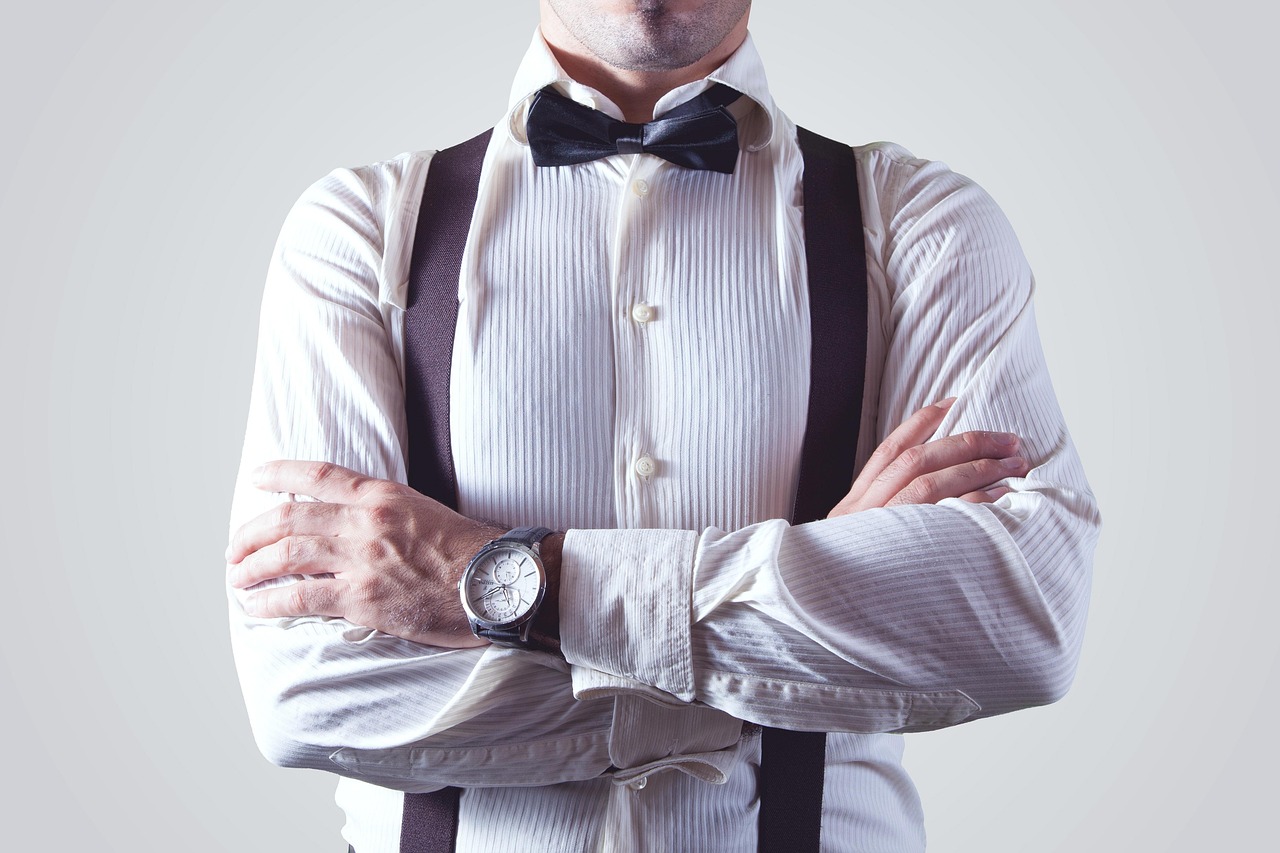
A shirt is not one single style category. A relaxed camp-collar shirt, a structured dress shirt, a denim shirt, and an Oxford button-down all create different expectations. Before choosing trousers or shoes, decide what role the shirt should play. Is it the polished anchor, the casual layer, or the main visual piece?
For casual outfits, softer fabrics and relaxed shapes usually work best. Linen, chambray, flannel, denim, brushed cotton, or an Oxford cloth shirt worn slightly open over a T-shirt all feel natural with jeans, chinos, shorts, utility pants, sneakers, loafers, boots, or sandals, depending on the season.
For smart casual outfits, aim for balance. The shirt can be relaxed in fabric but clean in shape, or more formal in fabric but dressed down with easier trousers. An Oxford shirt with chinos, a poplin shirt with dark denim, or a striped shirt under a fine knit all sit well in this middle ground.
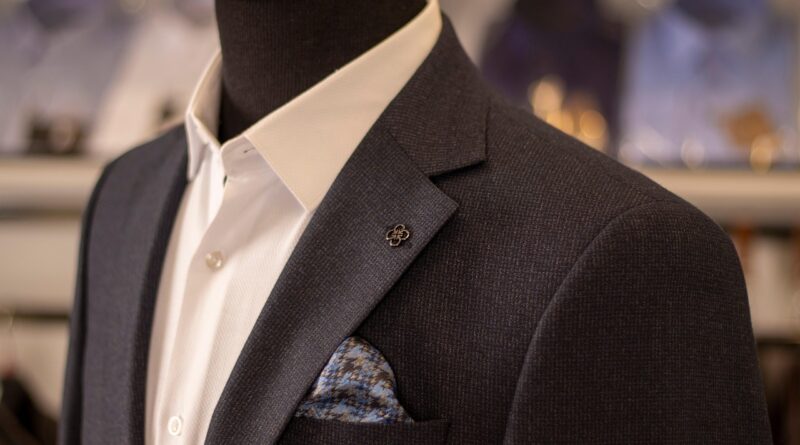
For dressier outfits, structure matters more. A smooth cotton shirt, clean collar, sharper cuffs, and minimal pattern usually look more refined. Pair it with tailored trousers, a blazer, dress shoes, loafers, or sleek boots. If the outfit includes a suit, the shirt should support the tailoring rather than compete with it, unless the occasion allows a more expressive look.
Get the fit right before styling anything else
Fit is the foundation of shirt styling because it controls proportion. A shirt that is too tight can pull across the chest and buttons. One that is too large may look accidental instead of relaxed. The best fit depends on the outfit you want, but the shirt should still look intentional.
Regular fit for the most versatile wardrobe
A regular fit is the easiest starting point for most wardrobes. It gives enough room through the chest and waist for comfortable movement without overwhelming the body. This fit works tucked or untucked, under jackets, with jeans, and with chinos. If you are building a small shirt rotation, regular-fit white, blue, and striped shirts usually offer the most outfit mileage.
Relaxed fit for modern casual outfits
A relaxed shirt can look sharp when the rest of the outfit has similar ease. Pair it with straight-leg jeans, wider chinos, linen trousers, cargo pants, or tailored shorts. Proportion is the key. If the shirt is roomy, avoid ultra-skinny bottoms, as the contrast can make the outfit feel unbalanced. A relaxed shirt also works well worn open over a plain tank, T-shirt, or lightweight knit.
Slim fit for cleaner layering
Slim-fit shirts can be useful under blazers, cardigans, and sweaters because there is less fabric bunching at the waist and sleeves. The fit should skim rather than squeeze. If the buttons pull, the shoulder seams sit too high, or the sleeves restrict movement, size up or choose a different cut. A sharp outfit should not look uncomfortable.
Use fabric to control the mood of the outfit
Fabric changes how a shirt behaves. Two shirts in the same color can feel completely different if one is crisp poplin and the other is airy linen. Understanding this helps you choose shirts by season, occasion, and silhouette.
Poplin is smooth and clean, which makes it useful for office looks, tailored outfits, and minimalist wardrobes. Oxford cloth has more texture and usually feels less formal, so it is a strong choice for smart casual dressing. Linen is breathable and relaxed, best suited to warm weather, vacation outfits, and casual tailoring. Chambray gives a denim-like look without the weight of denim, making it easy to pair with chinos, white jeans, and casual trousers. Flannel adds warmth and texture, especially for fall and winter outfits.
If you want one shirt to do many jobs, choose medium-weight cotton in white, light blue, a pale stripe, or a soft neutral. If you want the shirt to carry the outfit, use texture, pattern, or a stronger color as the focal point, then keep the rest of the look quieter.
Build outfits with color, pattern, and contrast
Color is often the difference between a shirt outfit that looks considered and one that feels random. The simplest approach is to make the shirt either the lightest, cleanest piece in the outfit or the main point of interest.
A white shirt is the most flexible because it works with denim, black trousers, khaki chinos, navy tailoring, grey wool pants, and earth tones. Light blue is nearly as versatile and often feels softer against the face. Striped shirts add movement without being too loud, especially when the stripes are fine or classic in color. Checks, plaids, and bolder prints work best when the surrounding pieces are simple.
Use contrast deliberately. A white shirt with black trousers creates a sharp, graphic look. A blue Oxford with tan chinos feels relaxed and traditional. A navy shirt with charcoal trousers looks tonal and understated. A cream linen shirt with olive pants has a softer summer mood. When wearing a patterned shirt, repeat one color from the pattern elsewhere in the outfit, such as in the shoes, belt, jacket, or trousers.
Master tucking, rolling, and layering
Small styling choices can change the same shirt more than expected. Tucking, rolling sleeves, and layering adjust formality and silhouette without requiring a different garment.
When to tuck in a shirt
Tuck the shirt when you want a cleaner waistline, a dressier finish, or more defined body proportion. A full tuck works well with tailored trousers, pleated pants, high-rise denim, or a blazer. It also helps when the shirt hem is long or curved, which often indicates that the shirt was designed to be tucked. See also: Fashion Trends.
Leave the shirt untucked when the hem is shorter, the outfit is casual, or the fabric is intentionally relaxed. An untucked linen shirt over shorts, an Oxford over straight jeans, or a denim shirt over chinos can look natural. The hem should generally land around the middle of the fly or slightly below the waistband, not halfway down the thigh.
How to roll sleeves cleanly
Rolled sleeves make a shirt feel more relaxed and practical. For a neat roll, unbutton the cuff and gauntlet button, fold the cuff back once, then roll the fabric again to cover most of the cuff. Stop below or just above the elbow for a clean casual look. Avoid tiny, tight rolls that bunch heavily around the forearm unless the fabric is very lightweight.
Layering without bulk
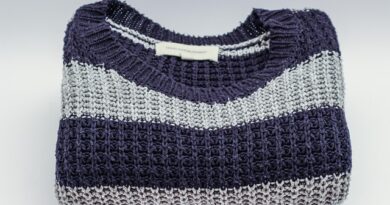
Layering works best when each layer has a clear role. Wear a shirt open over a T-shirt for casual depth, under a crewneck sweater for a preppy look, beneath a blazer for polish, or under a chore jacket for a practical weekend outfit. Keep the thinnest pieces closest to the body and the most structured pieces outside. If the collar collapses under a sweater or jacket, choose a shirt with a firmer collar or a cleaner neckline.
Reliable shirt outfit formulas
The easiest way to style shirts consistently is to repeat strong outfit formulas. Once a formula works, change the color, fabric, or shoes to suit the season and occasion.
| Occasion | Shirt choice | What to wear with it | Styling note |
|---|---|---|---|
| Casual weekend | Oxford, denim, linen, or flannel shirt | Straight jeans, chinos, shorts, sneakers, loafers, or boots | Wear untucked or open over a plain T-shirt for an easy layered look. |
| Smart casual | White, blue, striped, or textured cotton shirt | Chinos, dark denim, tailored trousers, loafers, clean sneakers, or suede shoes | Use a half tuck or full tuck depending on how polished the setting feels. |
| Office casual | Oxford, poplin, or subtle patterned shirt | Wool trousers, chinos, belt, loafers, derby shoes, or a knit layer | Keep patterns controlled and make sure the collar sits cleanly. |
| Dinner or evening | Crisp white, black, navy, or fine striped shirt | Dark trousers, blazer, sleek boots, loafers, or minimal dress shoes | Reduce visual clutter and let fit, fabric, and contrast do the work. |
| Warm weather | Linen, camp-collar, or lightweight cotton shirt | Linen trousers, drawstring pants, shorts, sandals, espadrilles, or loafers | Choose breathable fabrics and avoid heavy belts or stiff layers. |
Common shirt styling mistakes to avoid
The most common mistake is ignoring the relationship between the shirt and the rest of the silhouette. A dress shirt with very casual gym shorts, or a relaxed beach shirt with formal suit trousers, can work in advanced styling, but it is harder to make look intentional. If you are unsure, match the shirt’s formality to at least one other piece in the outfit.
Another mistake is choosing the wrong undershirt. If the shirt is sheer or lightweight, a high-contrast undershirt can show through. A close-to-skin-tone undershirt or a clean white tank can be more discreet, depending on the shirt color and fabric. If wearing the shirt open, make the base layer look intentional rather than purely functional.
Over-accessorizing can also weaken a shirt outfit. A patterned shirt, bold belt, bright shoes, large watch, and statement sunglasses can all fight for attention. Pick one focal point. If the shirt is simple, accessories can add interest. If the shirt is already loud, simplify the rest.
Finally, pay attention to maintenance. Wrinkles can look relaxed on linen, but deep creases on a formal poplin shirt usually read as careless. Collars, cuffs, and plackets are the first places people notice, so they should be clean and shaped appropriately for the outfit.
Frequently asked questions
Can a shirt be worn untucked?
Yes, if the hem length and setting support it. Shorter, straighter hems usually look better untucked, while longer curved hems are often designed for tucking. For casual outfits, an untucked Oxford, linen shirt, or denim shirt can look natural with jeans, chinos, or shorts.
What is the easiest shirt color to style?
White is the easiest because it works with nearly every trouser color and can move from casual to dressy. Light blue is another strong option because it feels softer and still pairs well with navy, grey, tan, denim, olive, and black.
How do you make a shirt look more casual?
Choose a textured or relaxed fabric, leave one or two buttons open, roll the sleeves, wear it untucked, or layer it over a plain T-shirt. Casual shoes such as sneakers, loafers, sandals, or boots can also reduce formality.
How do you make a shirt look dressier?
Choose a cleaner fabric, tuck the shirt, add tailored trousers, keep the collar neat, and wear more refined shoes. A blazer, dark color palette, and minimal accessories can make even a simple shirt look more polished.
Should the shirt match the shoes or trousers?
It does not need to match exactly. A better approach is coordination. Let the shirt relate to the outfit through contrast, tone, or one repeated color. For example, a blue striped shirt can work with navy loafers, while a cream shirt can pair naturally with tan, olive, brown, or light-wash denim.
The simple rule for styling shirts well
A well-styled shirt outfit feels intentional from top to bottom. Start with a shirt that fits the mood, choose a fabric that suits the season and setting, then build proportion through trousers, layers, and shoes. If the shirt is crisp, the rest of the outfit can support that polish or carefully relax it. If the shirt is casual, add structure through cleaner pants, better shoes, or a jacket. Once you understand that balance, one good shirt can create many different outfits without looking repetitive.