Is the Style Trend Shifting Toward the Anti-Trend Jean Outfit of Summer 2026
We Have a Winner: This Is the Anti-Trend Jean Outfit of Summer 2026
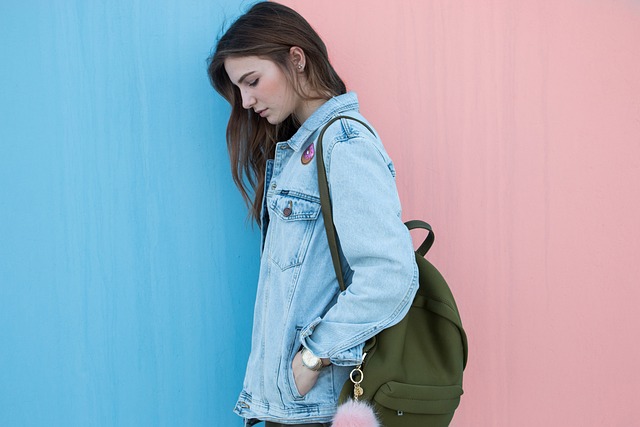
The anti-trend jean outfit defining Summer 2026 is a study in quiet confidence. Instead of chasing fleeting style trends, designers and consumers are embracing denim that feels timeless—mid-rise, straight-leg silhouettes in raw or lightly washed fabrics, styled with tonal layers and minimal hardware. This shift marks a cultural pivot toward permanence, authenticity, and subtle craftsmanship. The winning look is not about standing out but about standing firm: jeans that resist hype yet remain effortlessly relevant.
Understanding the Concept of the “Anti-Trend” in Fashion?
The anti-trend movement has emerged as a deliberate counterpoint to fashion’s relentless cycle of novelty. It represents a collective fatigue with rapid consumption and an appetite for garments that carry emotional longevity rather than visual shock value.
The Evolution of Anti-Trend Aesthetics
Anti-trend aesthetics tend to surface when mainstream fashion reaches saturation. As fast-fashion cycles accelerate through digital exposure, consumers begin to crave authenticity. Historically, similar reactions have shaped denim culture—from the raw selvedge revival of the early 2000s to the minimalist Japanese workwear wave that followed. Each cycle repositions denim as both rebellion and return: rejecting excess while reaffirming craft.
The Role of Cultural Minimalism in Shaping Anti-Trend Ideology
Minimalism operates as more than a visual code; it’s a mindset that values restraint and intentionality. Cultural fatigue toward over-styled aesthetics has led many to rediscover understated denim looks—clean lines, soft washes, and natural fibers. This aesthetic aligns closely with sustainable fashion principles, where less consumption equals more meaning. The simplicity of an unembellished jean becomes its statement.
The Return of Denim: Why Jeans Define Summer 2026’s Anti-Trend Movement?
Denim’s return this season isn’t nostalgic—it’s necessary. Amid economic caution and ecological awareness, jeans embody durability and adaptability better than any other fabric category.
From Statement Piece to Everyday Essential
Once treated as a statement piece, denim has evolved into an everyday essential rooted in practicality. Consumers now prioritize comfort and function over spectacle. Vintage-inspired silhouettes—particularly archival straight cuts from the late ’90s—are reinterpreted for modern wearability. This shift underscores how style trends now revolve around emotional connection rather than seasonal novelty.
The Characteristics of the 2026 Anti-Trend Jean Outfit
The anti-trend jean outfit stands at the intersection of form, texture, and restraint—a balance between ease and structure that signals quiet sophistication.
Silhouette and Fit Innovations
Designers are leaning into relaxed proportions reminiscent of early 2000s utilitarianism. Mid-rise waists replace high-rise dominance, while straight-leg fits offer clean geometry without exaggeration. Subtle tailoring details—like darted seams or slightly cropped hems—maintain structure without rigidity.
Fabrication and Texture Trends
Raw or minimally treated denim defines this movement. Textural integrity takes precedence over surface effects; washed cotton blends and recycled fibers add tactility without overt design gestures. Tonal stitching replaces contrast threadwork, allowing craftsmanship to speak quietly rather than shout through branding.
Color Palette and Styling Approach
Neutral washes dominate: stone gray, faded indigo, natural ecru. These hues pair seamlessly with monochromatic layers—cotton shirts in similar tones or lightweight knits that echo the fabric’s texture. Decorative embellishments are largely absent; instead, refinement comes from proportion control and material honesty.
Influences Driving the Shift Toward Anti-Trend Dressing?
Cultural shifts rarely occur in isolation; they mirror broader socioeconomic currents and digital behaviors shaping consumer psychology today.
Socioeconomic and Environmental Contexts
Post-pandemic consumption patterns reveal heightened awareness around sustainability and longevity in apparel choices. Economic moderation encourages investment in versatile pieces like jeans that transcend seasons. Circular fashion models—repair services, resale platforms—further reinforce re-wearability as status currency rather than compromise.
Digital Culture and Fashion Fatigue
Paradoxically, constant online exposure to micro-trends has created widespread disinterest in them. Social media algorithms accelerate aesthetic burnout by recycling looks faster than they can mature culturally. In response, simplicity becomes subversive—a silent protest embodied by plain denim trousers styled without spectacle. The rise of “quiet luxury” narratives online amplifies this sentiment: authenticity now signals taste more effectively than novelty does.
How Designers Are Interpreting the Anti-Trend Jean Outfit for 2026?
Across major fashion capitals, designers are converging on one shared vocabulary: restraint with purpose. Yet each city adds its own dialect rooted in local craft traditions.
Design Language Across Global Fashion Capitals
Paris emphasizes sculptural minimalism through crisp tailoring; Milan leans into tactile luxury using brushed cotton blends; New York favors functionality with gender-neutral fits; Tokyo fuses heritage indigo dyeing with modular construction techniques. Together they demonstrate how globalized design can still preserve artisanal nuance within a unified anti-trend framework.
Material Innovation and Sustainable Production Techniques
Innovation underpins this aesthetic evolution as much as ideology does.
Eco-Conscious Manufacturing Methods
Water-saving dye processes are now industry standard among leading mills, reducing resource waste dramatically compared to conventional methods cited by ISO textile sustainability benchmarks (ISO 14001). Regenerative cotton farming initiatives also expand across supply chains, restoring soil health while lowering carbon footprints per garment produced.
Technological Enhancements in Fabric Development
AI-assisted pattern design enables precise cutting that minimizes offcuts during production runs—a measurable improvement supported by IEEE textile automation studies highlighting waste reduction potential above 20%. Smart textiles further enhance comfort through adaptive weaves that regulate temperature naturally without altering appearance or adding synthetic layers.
The Future Outlook: Beyond Summer 2026’s Anti-Trend Aesthetic?
As anti-trend dressing matures beyond seasonal relevance, it could redefine how wardrobes are built altogether—favoring permanence over perpetual renewal.
Potential Continuation Toward Post-Trend Wardrobes
Experts predict this approach may evolve into modular wardrobe systems where garments interlock functionally across contexts rather than expire by trend cycles. Such systems align with emerging lifestyle patterns emphasizing adaptability across work-leisure boundaries—a direct reflection of post-digital living habits prioritizing fluid identity expression through fewer but better items.
Implications for Fashion Marketing and Consumer Identity Formation
For brands, storytelling shifts from trend-based campaigns to narratives anchored in lifestyle authenticity. Marketing strategies increasingly highlight provenance transparency over celebrity endorsement value. Within influencer culture too, credibility begins to outweigh visibility; audiences reward voices demonstrating lived expertise rather than algorithmic reach—a subtle but profound recalibration shaping future style discourse globally.
FAQ
Q1: What defines an anti-trend jean outfit?
A: It prioritizes timeless design elements such as mid-rise cuts, neutral washes, minimal detailing, and sustainable materials over seasonal embellishments or logos.
Q2: Why is denim central to Summer 2026 fashion?
A: Denim represents durability and adaptability amid changing economic conditions and sustainability goals—it bridges functionality with cultural continuity.
Q3: How does minimalism influence current style trends?
A: Minimalism fosters clarity by removing excess decoration; it reflects both ecological awareness and psychological desire for calm amid digital overload.
Q4: Are anti-trend outfits suitable for professional settings?
A: Yes, their restrained aesthetic translates easily into workplace attire when paired with tailored blazers or crisp cotton shirts within tonal palettes.
Q5: Will anti-trend dressing continue beyond 2026?
A: Most likely—it aligns with long-term consumer behavior favoring quality investment pieces over disposable fashion cycles driven by social media turnover.