
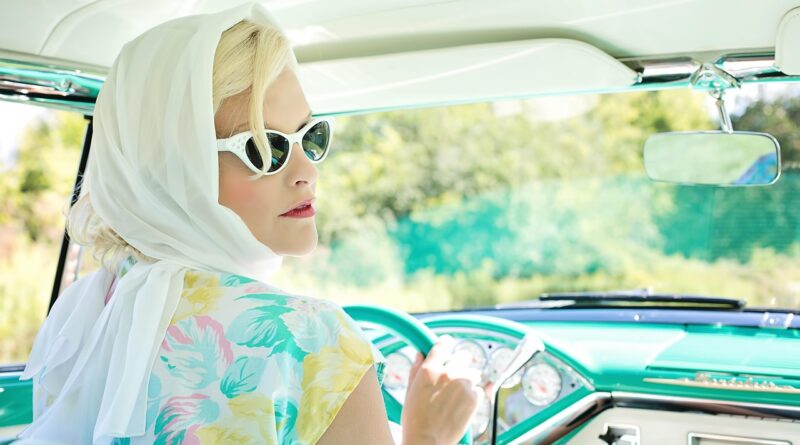
Retro fashion trends shaping everyday style in 2026
What retro fashion trends mean in 2026
Retro fashion trends in 2026 are not tied to one dominant decade. The more relevant story is a selective remix: soft ’70s boho, sharper ’80s shoulders, streamlined ’90s basics, and edited Y2K sportswear are all moving through the market at the same time.
What makes this cycle feel different is the level of practicality. Instead of copying a full vintage outfit, shoppers are usually taking one recognizable cue — a scarf top, suede jacket, plaid shirt, polka-dot dress, low-slung belt, or retro sneaker — and styling it with current wardrobe staples. That makes retro style easier to wear, easier to thrift, and more flexible across ages, budgets, and body types.
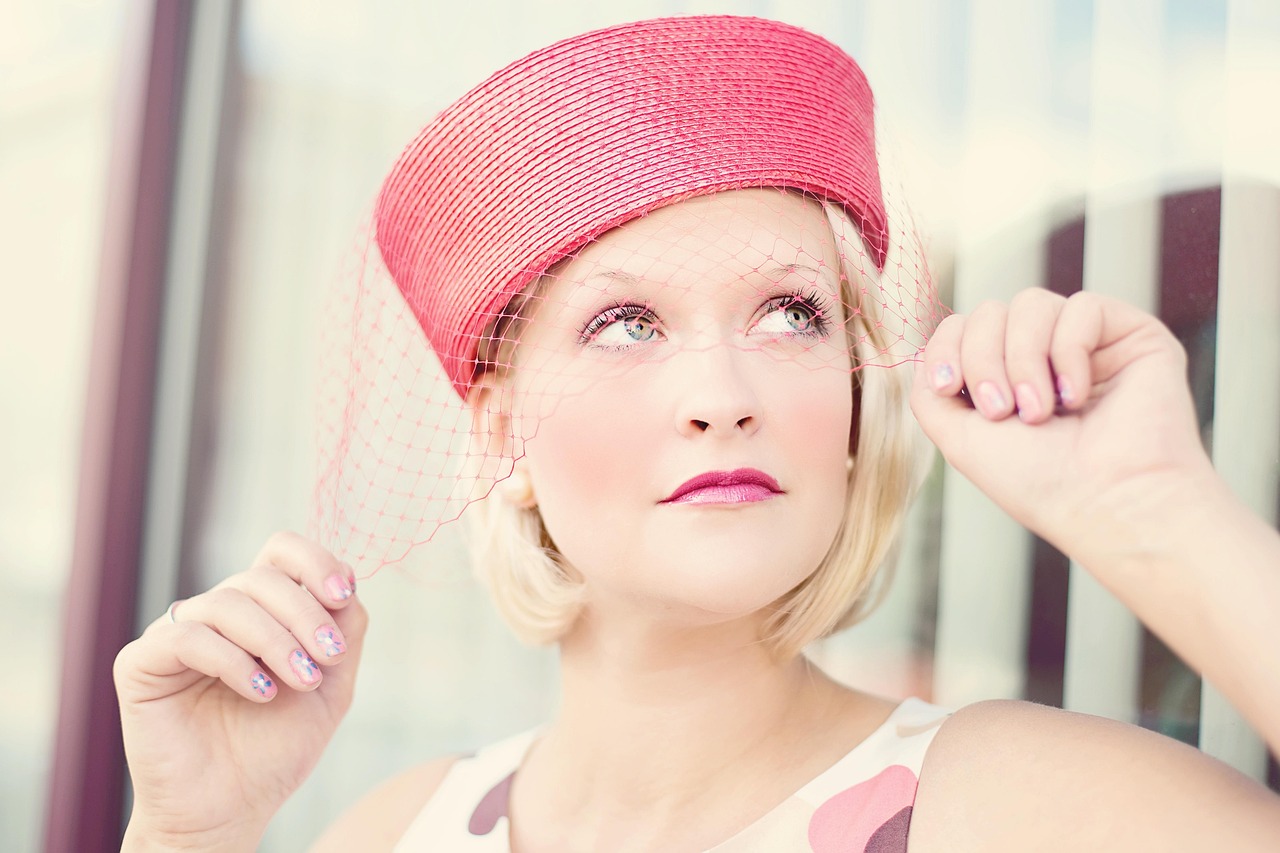
In short, 2026 retro style is not a costume revival. It is a styling language built around familiar pieces, resale discovery, and clothes with visible character.
Why nostalgia still has fashion momentum
Nostalgia keeps returning because it answers several wardrobe needs at once. It gives shoppers an instant visual reference: a ’70s suede jacket or a ’90s slip skirt already carries a mood, so the outfit can feel distinctive even when the styling is simple. Many retro-coded pieces are also available through resale, vintage stores, or family closets, which matters as shoppers become more selective about price, durability, and versatility. And as online trend cycles move quickly, familiar decades give people a stable point of reference in a crowded style environment.
Recent industry reporting supports this shift. Google’s spring 2026 fashion and beauty search update said nostalgia was trending, with silk scarf tops reaching a 10-year search high and bandana belts breaking out in the previous month. Depop’s 2026 trends report, released on December 19, 2025, pointed to rising interest in vintage Lululemon, upcycled jerseys, and ski-inspired pieces. ThredUp’s 14th annual resale report, released on April 2, 2026, also said the U.S. secondhand market grew nearly four times faster than the broader retail clothing market in 2025. These sources cover different parts of the market, but together they show why retro is not only a runway mood. It is also a shopping behavior.
For more seasonal updates and styling context, visit our Fashion Trends coverage.
The key retro fashion trends to watch
The most useful retro fashion trends now can be worn in small doses. A single texture, print, or silhouette can update an outfit without requiring a full wardrobe reset.
’70s boho returns in a cleaner way
The ’70s influence is showing up through suede, fringe, soft blouses, crochet, flared denim, earthy browns, and relaxed layering. The 2026 version works best with restraint. Instead of festival styling from head to toe, the stronger approach is one tactile piece with simple basics: a suede jacket over a white tank, a crochet top with tailored trousers, or a printed blouse tucked into straight-leg jeans.
Vogue’s spring/summer 2026 trend coverage noted bold retro prints and ’80s-inspired florals, while many retail edits have also emphasized suede and heritage outerwear. The practical takeaway is that texture matters as much as silhouette. Suede, corduroy, washed denim, and soft knits can create a vintage feeling even when the garment itself is new.
’80s power details become softer
The 1980s are returning through strong shoulders, sculpted jackets, nipped waists, glossy accessories, jewel tones, and Art Deco references. Pinterest’s 2026 trend forecast highlighted a modern Art Deco mood, connecting chrome, brass, and geometric motifs with a return to glamour after years of pared-back minimalism.
That does not mean office power dressing has to look rigid. In 2026, the wearable version is more controlled: a boxy blazer with denim, a wide belt over a knit dress, a metallic earring with a plain black top, or a satin blouse under a structured coat.
This trend works best when the outfit has contrast. If the shoulder line is strong, keep the bottom half relaxed. If the jewelry is bold, keep the print simple. That balance prevents the look from sliding into theme-party territory.
’90s minimalism and grunge keep evolving
The ’90s are still important, but the current version is less about copying celebrity street style and more about proportion. Think column skirts, simple tanks, cigarette trousers, cardigans, slip dresses, loafers, Mary Janes, and clean denim. Vogue has continued to cover ’90s trouser shapes in 2026, especially the return of sleeker, more polished pants after several years dominated by baggy silhouettes.
There is also a rougher ’90s lane: plaid shirts, worn leather, faded denim, combat boots, and camo prints. The key update is polish. A plaid shirt looks fresher when worn open over a ribbed tank and tailored trousers. A slip dress feels less literal with a fine knit or flat sandal. Grunge references are strongest when they look intentional rather than neglected.
Y2K is edited, sporty and less chaotic
Y2K style is not disappearing, but it is becoming more selective. The low-rise, rhinestone-heavy, hyper-layered version has cooled for many shoppers. The stronger 2026 direction is sporty nostalgia: track jackets, vintage athletic logos, upcycled jerseys, ski layers, small shoulder bags, capri-length pants, and sleek sneakers.
Depop’s 2026 report is useful here because it points to specific resale behaviors rather than only runway styling. Vintage Lululemon, reworked jerseys, and ski-inspired items suggest that shoppers want pieces connected to movement, comfort, and identity. This is Y2K filtered through utility. It feels less like a costume and more like weekend clothing with a nostalgic charge.
Retro prints are replacing plain basics
After several seasons of quiet neutrals, prints are doing more work. Polka dots, oversized florals, plaid, camo, stripes, and tapestry-inspired patterns are all part of the retro conversation. Vogue’s summer 2026 trend reporting identified bold retro prints as a key mood, while Who What Wear’s October 2026 coverage connected camo’s renewed appeal to a mix of ’90s grunge, Y2K styling, and streetwear culture. See also: Outfit Ideas.
The easiest way to wear these prints is to let one pattern lead. A polka-dot skirt with a plain knit, a camo jacket with dark denim, or a plaid shirt with a slip skirt gives the outfit a clear reference point without making it visually crowded.
How to wear retro without looking dated
The safest formula is one vintage-coded piece, one modern basic, and one clean accessory. That combination keeps the reference readable but current. A suede jacket, for example, can feel heavy when paired with flares, platform boots, and a paisley blouse all at once. It looks easier in 2026 with straight jeans, a white T-shirt, and a structured bag.
| Retro reference | Modern way to style it | What to avoid |
|---|---|---|
| ’70s suede or fringe | Pair with straight denim, a plain tee, or slim knit | Too many festival details in one outfit |
| ’80s blazer | Wear with relaxed trousers, flats, or clean sneakers | Overly padded shoulders with loud accessories |
| ’90s slip dress | Layer with a cardigan, blazer, or simple sandal | Copying a full red-carpet archive look |
| Y2K jersey or track jacket | Balance with tailored bottoms or a simple skirt | Head-to-toe logo styling |
| Polka dots or plaid | Keep the rest of the outfit neutral and textured | Mixing multiple statement prints without purpose |
Fit is the other important update. Many original retro pieces were cut for different styling habits, undergarments, and fabric technologies. Tailoring, hemming, changing buttons, or replacing a belt can make a thrifted garment look intentional. If a piece is new but retro-inspired, look for better fabric, useful pockets, and proportions that work with shoes you already wear.
Vintage, resale and the authenticity question
Retro style and resale are closely linked, but they are not the same thing. Vintage usually refers to older garments, often around 20 years old or more, while retro-inspired pieces can be newly made. A new polka-dot dress may look vintage. A true early-2000s skirt may not be in good condition. The smarter question is not whether the label says vintage, but whether the piece has quality, fit, and styling value.
This distinction matters because resale demand can encourage vague listings. Shoppers often see terms such as Y2K, archival, or rare applied very broadly. A practical checklist helps: inspect fabric composition, seams, closures, care labels, signs of wear, and whether the silhouette genuinely matches the claimed period. For online shopping, measurements are more reliable than size tags because sizing standards have shifted over time.
Resale growth also explains why retro trends feel more democratic. The BoF and McKinsey State of Fashion 2026 report forecast that the secondhand fashion and luxury market would grow two to three times faster than the firsthand market through 2027. That does not make every resale item sustainable or valuable, but it does show that secondhand shopping is becoming part of mainstream fashion behavior rather than a niche activity.
What to skip or treat carefully
Not every nostalgic item deserves a comeback in your closet. The riskiest pieces are usually the ones that depend on a very narrow online moment: ultra-specific micro-aesthetics, poor-quality fast-fashion copies, uncomfortable low-rise cuts, or novelty accessories that only work in photos. If a piece cannot be styled at least three ways with clothing you already own, it may not have enough longevity.
Also be careful with full-decade dressing. Wearing a ’70s blouse, flares, platform shoes, fringe bag, and round sunglasses together can look more like costume than personal style. The same is true for Y2K outfits built entirely from logos, rhinestones, and tiny proportions. Retro fashion looks strongest when it is edited. Choose the reference, then give it space.
The best purchases are usually familiar but flexible: a good blazer, a suede or leather jacket, a printed scarf, a slip skirt, a pair of loafers, a vintage sports top, straight-leg denim, or a patterned blouse. These items can survive beyond one trend cycle because they work with multiple aesthetics.
Frequently asked questions
Are retro fashion trends the same as vintage fashion?
No. Retro fashion describes a style inspired by the past, while vintage usually refers to garments that are actually older. A newly made polka-dot blouse can be retro, but it is not vintage unless it comes from an earlier period.
Which decade is most important for 2026 style?
There is no single dominant decade. The strongest influences are ’70s texture, ’80s structure, ’90s minimalism and grunge, and edited Y2K sportswear. The most current outfits often combine references rather than copying one era completely.
How can I try retro fashion on a budget?
Start with accessories and secondhand basics. Scarves, belts, cardigans, plaid shirts, denim, loafers, and vintage sports tops can shift the mood of an outfit without requiring expensive statement pieces.
What is the easiest retro trend to wear every day?
For most wardrobes, ’90s minimalism is the easiest entry point. Straight jeans, simple tanks, cardigans, slip skirts, and loafers blend naturally with modern basics while still giving an outfit a clear retro influence.