Which Fall Fashion Trends Are Actually Worth Buying in 2026?
What Makes Fall Fashion Trends Feel Different in 2026?
The best fall fashion trends this year do not ask anyone to clear out the closet. They feel more like a careful refresh: better layers, stronger shoes, richer fabric, and a few pieces that make old outfits work again. The useful ideas are the ones that hold up on normal days, from school runs and office mornings to coffee meetings, wet pavements, and dinners where a heavy coat becomes a problem.
- Vogue’s Fall/Winter 2026 runway coverage highlights lace, strong shoulders, textured pieces, and refreshed workwear styling.
- Pinterest Predicts 2026, released in late 2025, reported rising interest in lace accessories, including lace bandanas up 150% and lace belts up 55%.
- Business of Fashion and McKinsey’s State of Fashion 2026 noted that many shoppers are value-seeking, with 70% of surveyed consumers planning to spend less and 80% showing behaviors such as waiting for sales or comparing prices.
Value-Conscious Wardrobe Choices
Price is being checked more closely this season, so each item needs a clear job. A jacket that works with jeans, trousers, and a slip skirt is more useful than three tops made for one night out. Before buying, think through at least five outfits. If that feels forced, the piece may look good, but it probably will not earn enough wear in your fall rotation.
Runway Drama in Everyday Pieces
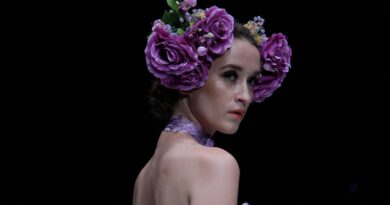
Runway trends work best as direction, not as orders. A large shoulder line can turn into a neat blazer for daily wear, and a sheer lace dress can become a lace-trim camisole under a cardigan. There is no need to copy a runway look from head to toe. Take the mood, keep the outfit practical, and move on with your day.
Seasonal Shopping Starts Earlier
Fall shopping is already moving before the weather changes. The National Retail Federation and Prosper Insights & Analytics reported on July 14, 2026, that 62% of back-to-school shoppers had started by early July. K-12 shoppers planned average spending of $250.29 on clothing and accessories, plus $174.01 on shoes. That timing matters because practical layers and boots can move into carts before shoppers feel cold.
Which Colors and Fabrics Are Leading Fall Style?
Fall color does not have to stop at pumpkin orange and black denim. In 2026, the main palette feels deeper and easier to wear: burgundy, chocolate brown, soft gray, cream, moss, and inky navy. Fabric is doing a lot of the work. Texture is what helps a plain outfit look planned without adding too many pieces.
Burgundy, Brown, and Soft Neutrals
Burgundy keeps showing up because it looks neat without being loud. Wear it as a knit, bag, loafer, or coat. Chocolate brown is a softer option than black, especially with cream denim or gray tailoring. If your closet is mostly neutral, one burgundy piece can make old basics feel more current.
Lace, Suede, and Velvet Texture
Lace is one of the clearest fall signals for 2026. Pinterest Predicts 2026 reported search growth for lace accessories, while Vogue’s 2026 runway reporting tracked lace across major collections. Suede gives daytime outfits warmth, and velvet adds weight for evening looks. If your style is simple, use one texture at a time; it still reads as current.
Tailored Wool and Everyday Knitwear
Wool coats, ribbed knits, and dense cardigans may not look exciting on the hanger, but they solve real dressing problems when the weather changes. A fine-gauge turtleneck under a blazer looks cleaner than a basic tee. A short cardigan over a satin skirt feels relaxed instead of overdone. Small fabric changes can make a basic outfit work much harder.
How Can You Wear Tailoring Without Looking Too Formal?
Tailoring is back, but it is not the stiff suit from an old office dress code. The 2026 version works when structure is mixed with ease. Think clean lines, soft layers, and shoes you can walk in. That balance keeps the outfit from looking too corporate.
Strong Shoulders with Softer Layers
Vogue’s Paris Fall/Winter 2026 coverage noted the return of broad and squared shoulders across several collections. For daily outfits, the simple version is a blazer with a clean shoulder and a soft knit underneath. Keep the bottom relaxed, such as straight jeans or a fluid skirt. That way, the shape looks wearable instead of stiff.
Wide-Leg Trousers and Relaxed Blazers
Wide-leg trousers make fall outfits look put together without much styling work. Pair them with a tucked tee in September, then change to a thin sweater in October. A relaxed blazer should skim the body, not drown it. If the sleeves need constant pulling or rolling, the fit is wrong, even if the label is good.
Work Jackets as Weekend Outerwear
Chore jackets, barn jackets, and cropped utility layers are useful because they sit between casual and dressed. Wear one over a striped knit with dark denim, or over a midi dress with boots. They also break up the habit of reaching for the same black moto jacket every time the weather turns. For many wardrobes, this is a practical fall layer, not just a trend piece.
Which Accessories Make a Fall Outfit Feel New Fast?
Accessories are the easiest way to test a trend without buying a full new outfit. They also help in markets where early fall still feels warm. A lace scarf, two-tone shoe, or sculpted belt can change the feel of clothes you already own. Small details matter, even when they are easy to overlook.
Lace Details and Romantic Extras
If a lace dress feels like too much, start with a smaller item. A lace collar, lace-trim tank, or lace scarf gives the same romantic note with less commitment. Pair lace with denim, leather, or wool so it does not look like costume styling. The contrast is what makes it feel up to date.
Two-Tone Shoes and Knee-High Boots
Two-tone shoes are useful when an outfit needs interest but not shine. Cream and brown, black and burgundy, or gray and black can pull mixed neutrals together. Knee-high boots are still a practical fall anchor with skirts, long shorts, and tucked trousers. Check shaft width before buying, because that one detail can decide whether the boots are comfortable.
Belts, Gloves, and Structured Bags
A belt can change the shape of a blazer, coat, or long cardigan in seconds. Gloves add finish once temperatures drop, especially in leather or soft knit. Structured bags balance slouchy clothing, which helps when an outfit has oversized trousers or a roomy coat. One sharp accessory often does more than three trendy ones. See also: Outfit Ideas.
How Do You Build Outfits Around Real Weather?
Good fall dressing has to handle uneven temperatures. Morning can feel like November, lunch can feel like late summer, and a train platform can somehow feel like both. The outfits that work best use layers you can remove without ruining what is underneath. That sounds simple, but it is where many fall looks either work or fail.
Light Layers for Warm Afternoons
Start with a base layer that can be worn on its own, such as a ribbed tank, crisp shirt, or fine knit tee. Add a cardigan, blazer, or light jacket on top. This is basic advice, but it works in real weather. If the inner layer looks unfinished, you may end up keeping the jacket on all day.
Coat Shapes for Cold Commutes
For colder regions, coat shape matters as much as color. A long wool coat makes denim look cleaner and gives enough coverage for morning travel. A funnel-neck jacket protects the neck without needing a scarf. A cropped puffer usually works better with wide trousers than with very slim pants, where the proportions can feel heavy on top.
Practical Fabrics for Rainy Days
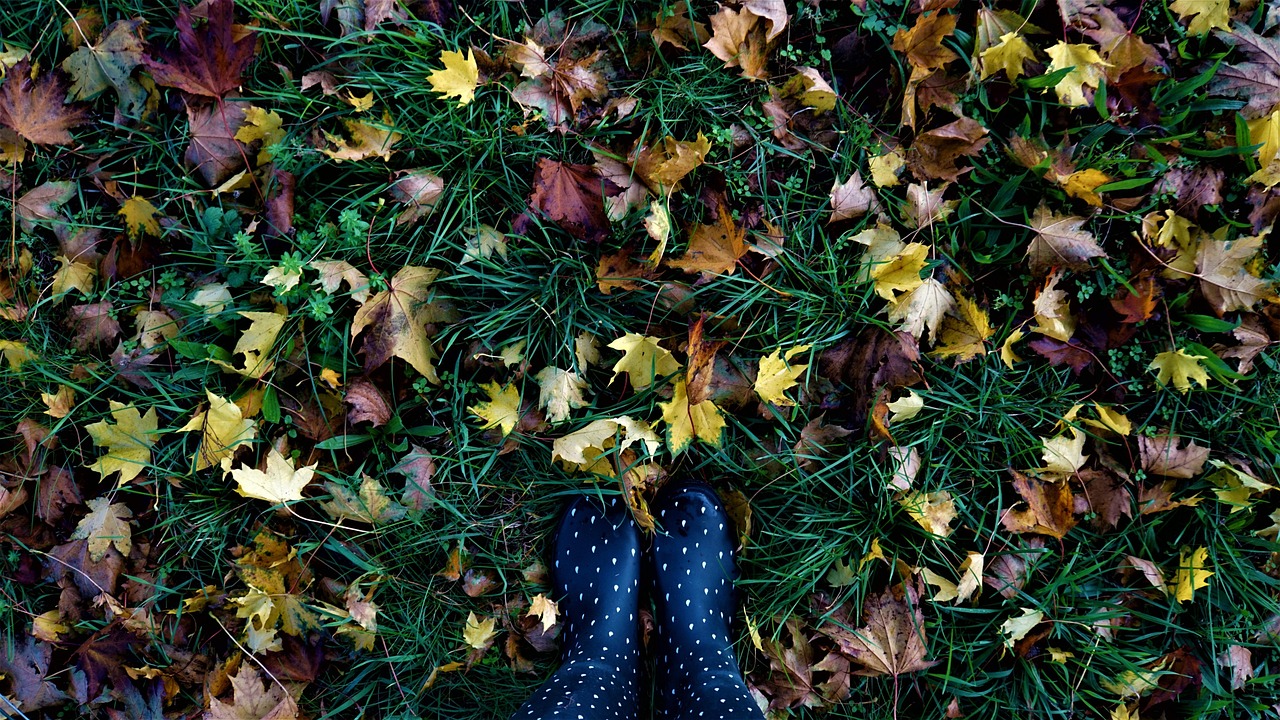
Suede looks good, but rain does not care about that. Keep suede for dry days or treat it properly before wearing it often. For wet commutes, choose coated cotton, treated wool blends, leather with care, or a trench with enough room for a sweater. Style is easier when you are not worried about ruining your shoes before work.
What Should You Buy, Keep, or Skip This Fall?
No public source can prove exactly how long one specific runway trend will stay useful in your closet. Treat forecasts as clues, not orders. The better question is simple: will this piece help you get dressed more often? If yes, it may be worth buying. If not, leave it on the mood board.
Buy the Missing Layer
Look for the gap that causes outfit trouble again and again. Maybe you own plenty of tops but no strong coat. Maybe your boots look worn out, or every knit is too bulky for layering. Buy the missing layer first, because it may not feel as fun as a statement piece, but you will probably wear it more.
Keep Pieces with Resale Value
ThredUp’s 2026 Resale Report projected the global secondhand apparel market to reach $393 billion by 2030, growing twice as fast as the overall apparel market. That does not mean every item in a closet will resell well. It does mean quality, condition, and steady shapes still matter. Keep the good coat, the real leather belt, and the wool blazer if they still fit your life.
Skip Trends That Fight Your Routine
Skip anything that needs constant adjusting, special underwear, painful shoes, or weather your city simply does not have. A sheer skirt can be useful if you like layering. It becomes a problem if you hate slips or need to sit and move all day. The best trend is still the one you can wear twice in a normal week.
FAQ
Q1: What Are the Biggest Fall Fashion Trends for 2026? A: The main trends are lace details, burgundy and brown tones, structured tailoring, textured fabrics, knee-high boots, work jackets, and cleaner wardrobe basics that feel neat but still practical.
Q2: How Can You Wear Fall Trends Without Buying Too Much? A: Start with accessories and layers. A belt, lace scarf, suede bag, burgundy knit, or updated boot can refresh items you already own. Buy only after you know it fits your normal routine.
Q3: Are Skinny Jeans Coming Back for Fall? A: Slimmer denim is coming back into some styling conversations, but wide-leg and straight-leg jeans are still easier for many fall outfits. Choose the cut that works with your boots, coats, and daily comfort.
Q4: What Fall Colors Look the Most Expensive? A: Burgundy, chocolate brown, charcoal, cream, navy, and olive tend to look rich and easy to style. They also mix well with black, denim, camel, and gold or silver jewelry.
Q5: Which Fall Trend Should You Avoid? A: Avoid any trend that is hard to wear in your climate or lifestyle. If it needs fussy styling, hurts your feet, or works with only one outfit, it probably does not deserve closet space.