How Family Halloween Costumes Reflect Cultural Trends in 2025
Cuero’s Hobbs Family Reveals Their 2025 Family Halloween Costume
The 2025 season of family Halloween costumes shows how cultural values, technology, and creativity intersect in modern society. The Hobbs family of Cuero has become a symbol of this transformation, using their coordinated costumes to express humor, inclusivity, and intergenerational collaboration. Their approach mirrors broader shifts in how families use festive traditions to engage with identity and media narratives. This year’s trends reveal that costumes are no longer simple disguises—they have evolved into cultural statements shaped by social awareness and digital innovation.
The Cultural Significance of Family Halloween Costumes in 2025
Family Halloween costumes in 2025 reflect more than seasonal fun; they capture the pulse of shifting social ideals and creative self-expression. Families now treat costume planning as a form of storytelling that connects generations while echoing societal change.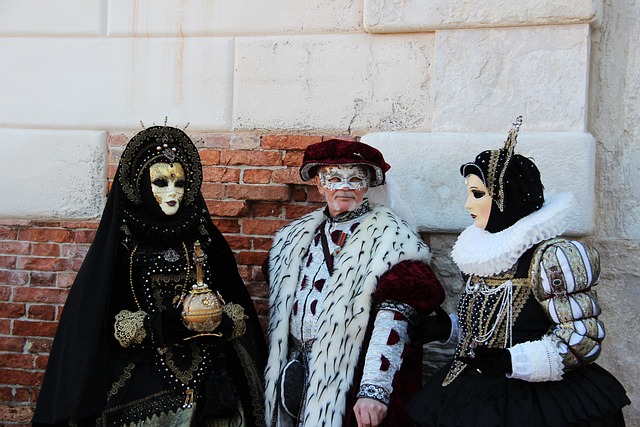
Shifting Social Values Reflected Through Costume Themes
Families increasingly choose costume themes that promote inclusivity and diversity. Gender-neutral designs are common, signaling a move away from rigid stereotypes once dominant in Halloween culture. In many households, parents and children collaborate to reinterpret classic characters through modern lenses—heroes without gender labels or villains portrayed as misunderstood figures. These reinterpretations illustrate evolving family dynamics where equality and empathy take center stage.
Popular culture references also play a crucial role. In 2025, streaming hits and viral animations inspire collective costume ideas that merge entertainment with identity expression. Families often recreate ensembles from shared media experiences, making the act both personal and communal.
The Role of Media and Pop Culture in Shaping Costume Trends
Media saturation drives creativity across households. Streaming platforms introduce new icons every quarter, turning fictional worlds into visual templates for real-life celebrations. Viral content on social media further amplifies these trends; families replicate scenes or memes as group performances during neighborhood parades or online challenges.
AI-generated characters have added another layer to this evolution. Digital artists now create entirely new personas that families adopt for their themed looks, blending technology with artistry. This integration marks how artificial intelligence reshapes creative participation even in traditional festivities like Halloween.
The Hobbs Family Example: A Reflection of Broader Societal Patterns
The Hobbs family’s 2025 costume choice demonstrates how one household can embody national cultural shifts through playful yet thoughtful design decisions.
Symbolism Behind the Hobbs Family’s 2025 Costume Choice
Their ensemble combined humor, nostalgia, and subtle commentary on modern life. Each member represented a character from different decades of pop culture but reimagined with futuristic details—reflecting both memory and progress. The collaborative process among generations within the Hobbs household highlighted how creative planning strengthens familial bonds while celebrating individuality.
Visual motifs used by the family connected to wider cultural discourses about sustainability and digital identity—two recurring themes in 2025 fashion aesthetics. Their approach suggested that even lighthearted traditions can carry layered meanings when executed with intention.
Public Reception and Media Interpretation
Public response was immediate and enthusiastic. Online discussions praised the Hobbs family’s originality and authenticity amid an era dominated by mass-produced costumes. Commenters noted how their creation felt “real,” not algorithmically optimized for attention but genuinely crafted for joy.
Media outlets framed their effort as an example of participatory culture where creativity itself becomes community currency. Experts in sociology interpreted their design as a reflection of contemporary artistic democratization—families acting as small-scale creators shaping collective trends rather than passive consumers.
Technological Innovations Transforming Family Halloween Costumes
Technology continues to redefine what constitutes a costume experience, turning fabric into interactive media and planning into digital collaboration.
Integration of Smart Textiles and Wearable Tech
Smart textiles featuring LED threads or motion sensors allow costumes to respond dynamically to movement or sound. Some families program light sequences synced with music during trick-or-treat events, creating living performances rather than static outfits. Augmented reality elements projected through mobile apps bring virtual layers to physical garments.
Sustainability remains crucial too; recyclable circuits or modular tech components reduce waste while maintaining spectacle value—a balance between innovation and environmental responsibility increasingly expected by consumers.
Digital Platforms as Catalysts for Costume Design Evolution
Social media platforms have become laboratories for design experimentation. Families participate in online challenges encouraging coordinated storytelling through themed attire—like reimagining historical events or cinematic universes together.
Virtual design tools now enable real-time customization before production begins, letting users preview fabrics or lighting effects digitally. Global online communities share templates, tutorials, and critiques that accelerate trend diffusion across continents within days instead of months.
Sociocultural Dynamics Driving Costume Coordination Among Families
Beyond aesthetics, coordinated costuming fosters communication across age groups while reinforcing shared values about representation and belonging.
Intergenerational Collaboration in Creative Expression
Planning a group costume often becomes an annual project involving negotiation between generations: parents propose concepts grounded in nostalgia; children introduce digital-age influences from gaming or animation cultures. This dialogue nurtures respect across age lines while strengthening emotional ties through co-creation.
Such collaboration reflects modern parenting philosophies emphasizing partnership over hierarchy—a shift mirrored across many aspects of family life today.
Representation, Identity, and Inclusivity in Family Costuming
Families deliberately select themes representing multicultural heritage or collective identities—an acknowledgment of society’s pluralism. Costumes act as visual affirmations of belonging whether through cultural symbolism or advocacy messages integrated subtly into design choices.
Inclusivity extends beyond gender neutrality toward neurodiversity awareness too; adaptive designs ensure accessibility so every participant feels equally part of the celebration regardless of physical ability or sensory sensitivity.
Economic and Industry Implications of Emerging Costume Trends
The growing sophistication of family Halloween costumes has reshaped market behavior among manufacturers, retailers, and independent designers alike.
Market Adaptation Among Costume Manufacturers and Retailers
Producers now cater to demand for eco-conscious materials suitable for multi-person ensembles rather than individual pieces. Data analytics drawn from e-commerce sales guide future collections emphasizing customization options—mix-and-match kits allowing families to coordinate easily without full redesigns each year.
Licensing agreements with major entertainment franchises still dominate availability cycles but coexist increasingly with unbranded modular systems supporting consumer creativity over brand loyalty.
The Role of Independent Designers in Defining 2025 Aesthetics
Independent creators thrive within this landscape by offering agility large corporations lack. Through digital marketplaces they introduce experimental concepts faster than mass producers can replicate them—ranging from biodegradable fabrics dyed naturally to AI-assisted pattern generation tailored per order.
Collaborations between such designers and families foster authenticity within mainstream culture—a refreshing counterpoint to algorithmic sameness prevalent elsewhere online commerce spaces.
FAQ
Q1: Why are family Halloween costumes becoming more popular?
A: They provide shared creative experiences that strengthen relationships while reflecting broader cultural narratives around inclusivity and identity expression.
Q2: How does technology influence modern costume design?
A: Smart textiles, augmented reality features, and digital prototyping tools enable interactive experiences previously limited to professional production environments.
Q3: What makes the Hobbs family’s 2025 costume significant?
A: It symbolizes intergenerational creativity fused with social commentary on sustainability and digital culture trends prevalent this decade.
Q4: Are sustainable materials widely used in costume manufacturing now?
A: Yes, increasing consumer awareness has pushed manufacturers toward recyclable fabrics, modular components, and ethically sourced materials suited for reuse across seasons.
Q5: How do independent designers impact mainstream costume trends?
A: Their rapid innovation cycles introduce diversity into aesthetic norms while promoting authenticity valued by audiences seeking originality over mass replication.