Spring shoe trends 2026 that balance comfort, polish and personality
What defines spring shoe trends in 2026
The defining feature of spring shoe trends in 2026 is not one dominant silhouette. The season is split between comfort-led footwear and more expressive finishing. Fashion editors and runway coverage have focused on slim sneakers, ballet flats, backless loafers, city-ready flip-flops, retro clogs, glove-like pumps and decorative sandals. The practical side is just as important as the look: a Spring 2026 U.S. footwear survey from AlixPartners and the Footwear Distributors and Retailers of America reported casual shoes as the top must-buy category, with shoppers emphasizing versatility and durability. For readers following Seasonal Trends, the main takeaway is clear: the strongest spring shoes look polished, but they also need to earn repeat wear.
As of September 8, 2026, the completed spring/summer 2026 fashion cycle gives a useful view of what moved from runway idea to everyday footwear conversation. British Vogue’s shoe trend coverage published on June 25, 2026 highlighted fashion flip-flops, glove pumps, retro clogs, slim sneakers, fancy footwear, backless loafers and academic lace-ups. Harper’s Bazaar separately covered satin shoes in March 2026 and shell, raffia, beaded, woven and clear footwear ideas in July 2026. Taken together, these reports show a season built on contrast: pared-back shapes on one side and decorative, tactile finishes on the other.
The wearable core is flat, flexible and low profile
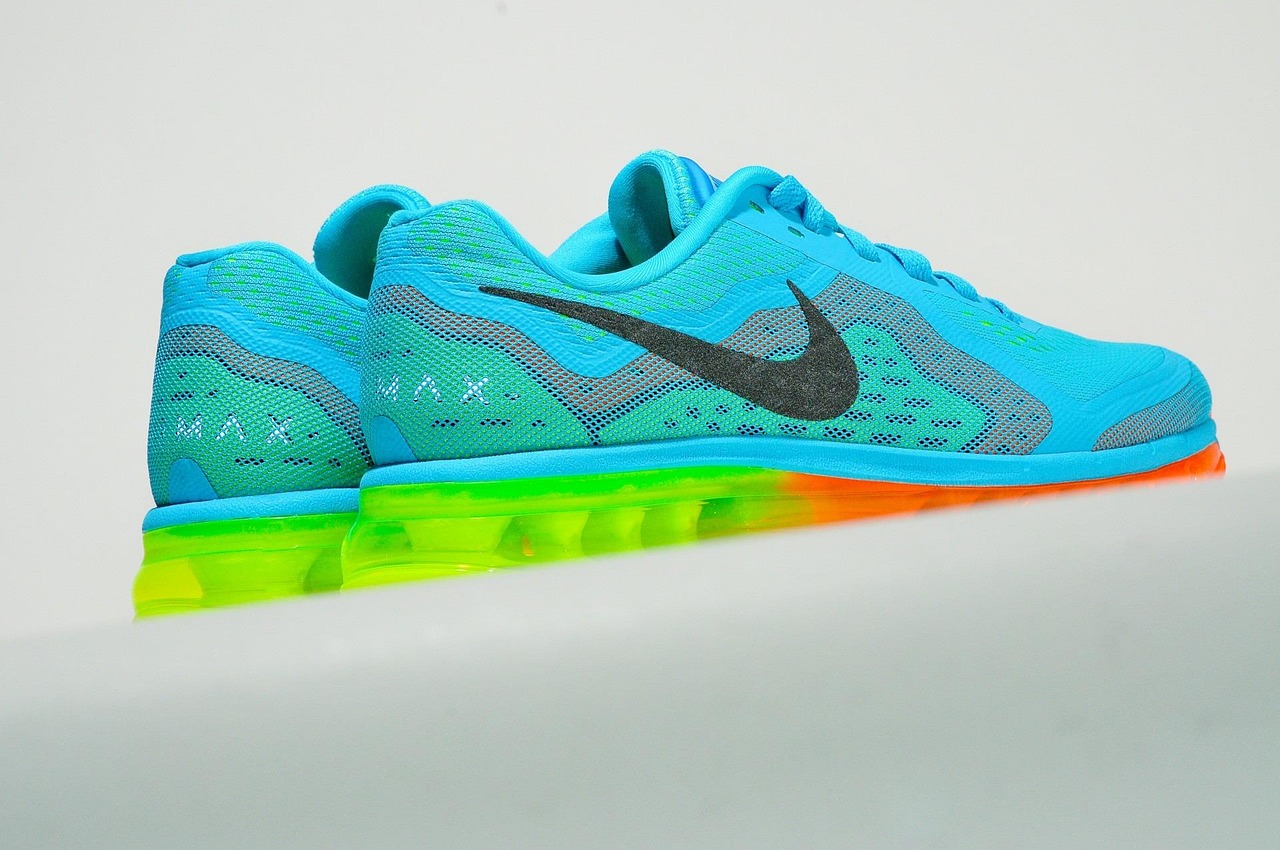
The most useful spring shoes this year sit close to the ground. That does not mean they are plain. It means the silhouette works for commuting, travel, casual offices, weekend errands and warm-weather dressing without feeling like a costume piece. Slim sneakers, ballet flats and loafer mules are central to that shift because they give outfits structure without the weight of heavier footwear.
Slim sneakers and sneakerinas
Slim sneakers meet two needs at once: the comfort of a trainer and the cleaner line of a fashion flat. Vogue’s 2026 coverage described low-profile sneakers and ballet-sneaker hybrids as understated, minimal and easy to use for daily city dressing. The shape works because it does not overpower wide-leg trousers, slip skirts or linen shorts. It also gives spring outfits a lighter proportion than chunky running shoes.
The strongest versions are not necessarily the loudest. White canvas shoes, satin trainers, suede-and-nylon ballet trainers and neutral leather sneakers all fit within the same move toward lighter footwear. If you already own substantial sneakers, a slimmer pair can change the balance of a spring wardrobe without requiring a full reset.
Ballet flats are still evolving
Ballet flats remain relevant, but the category has become more varied. Classic round-toe flats still work, while pointed toes, metallic finishes, satin uppers, mesh panels and low block heels make the look feel less repetitive. The practical appeal is easy to understand: ballet flats are compact, simple to pack, and easy to wear with jeans, dresses, cropped trousers and tailoring.
For 2026, the update is not only the ballet flat itself but the wider ballet mood across footwear. Satin sneakers, soft straps, ribbon-like shapes and low-profile soles borrow from dance-inspired styling without requiring a literal slipper. That makes the look more adaptable for people who want softness without giving up support.
Backless loafers and polished lace-ups
Loafers are usually associated with autumn, but spring 2026 brought lighter versions into focus. British Vogue noted fold-over and backless loafers on runways including Victoria Beckham and Bottega Veneta, while academic brogues and lace-ups appeared in glossy finishes. The appeal is practical: these shoes give warm-weather outfits a structured alternative to sandals.
A backless loafer can make linen trousers look more intentional, sharpen denim, or ground a soft dress. A derby or brogue adds even more structure, especially with white socks, pleated skirts, Bermuda shorts or relaxed suiting. These shoes are particularly useful on transitional spring days when open sandals still feel premature.
Sandals are moving from beach basic to city uniform
Sandals are always part of spring, but the 2026 version is more specific. The fashion flip-flop is the clearest example. Instead of a pool-only rubber basic, the trend includes leather thongs, micro wedges, refined straps and jelly interpretations. The point is not that flip-flops have become formal. It is that designers and editors are treating them as a deliberate styling choice for casual city dressing.
T-strap sandals and strappy flats follow the same logic. They expose more of the foot, pack easily and keep outfits light, but they can still look considered in black, tan, butter yellow, silver or burgundy. A fine T-strap works with slip dresses and wide-leg trousers, while a flatter strappy sandal is better suited to errands, vacations and casual weekend styling.
Jelly shoes and clear footwear add a nostalgic layer. Harper’s Bazaar’s July 2026 trend coverage noted that clear shoes returned in more streamlined shapes and restrained palettes, which helps the look feel less childish. The most wearable approach is to choose transparent or jelly details in simple silhouettes rather than exaggerated shapes. That keeps the shoe playful without making the whole outfit revolve around novelty.
Statement shoes are softer, shinier and more decorative
Not every spring trend is minimal. One visible counterpoint is the return of expressive materials and embellishment. Harper’s Bazaar published a March 9, 2026 feature calling satin shoes a breakout spring trend, connecting the material to spring/summer 2026 runway collections from Prada, Dior, Ferragamo and Proenza Schouler. The important point is not only satin pumps. Satin is also appearing on sneakers and flats, which makes a dressy fabric easier to wear during the day.
Decorative sandals are another key signal. Shells, beads, raffia, floral appliqués, sequins and woven textures appeared across summer-focused trend coverage. These details work best when the rest of the outfit is simple. A shell sandal with a white cotton dress, a raffia mule with tailored shorts, or a beaded flat with washed denim can create interest without looking overstyled.
Glove pumps and sculptural heels represent the polished side of statement footwear. They are sleeker than platforms and less casual than flats, making them useful for weddings, dinners and professional settings where sandals feel too relaxed. For spring 2026, the modern pump is often softer around the foot, lower in profile or more architectural in the heel than a standard stiletto. See also: Fashion Trends.
A practical comparison of the main trends
| Trend | Main signal | Why it works for spring | Best styling use |
|---|---|---|---|
| Slim sneakers | Low-profile and ballet-sneaker hybrids | Comfortable without adding bulk | Jeans, linen trousers, city walking outfits |
| Ballet flats | Pointed toes, satin, metallic and soft shapes | Easy to pack and repeat | Dresses, cropped pants, relaxed tailoring |
| Backless loafers | Spring update to a classic loafer | Polished but lighter than closed shoes | Workwear, denim, transitional outfits |
| Fashion flip-flops | Leather, micro wedges and refined straps | Turns a basic sandal into a styling choice | Casual city looks, vacations, linen pieces |
| Retro clogs | 1970s mood, studs, woven leather and wood-like soles | Adds height with a relaxed feeling | Wide-leg denim, bohemian dresses, suede layers |
| Satin and embellished shoes | Shine, flowers, beads, shells and sequins | Refreshes simple outfits quickly | Evening looks, vacation dressing, minimalist basics |
This comparison also shows why no single shoe defines the whole season. The practical trend is toward versatile casual footwear, while the visual trend is toward more interesting surface treatments. A good spring shoe wardrobe can include both: one easy everyday pair and one pair with color, texture or shine.
How consumer habits explain the trend shift
The AlixPartners and FDRA Spring 2026 footwear survey helps explain why the season’s most visible trends are still wearable. The report found that casual shoes were the number one must-buy category, with 50% of consumers considering them a must-buy. It also reported that consumers increasingly define casual broadly: athletic sneakers, non-athletic sneakers, sandals, clogs, loafers, boots and boat shoes all appeared in the casual category.
That broad definition matches the runway-to-retail picture. A sandal can be casual but elevated. A loafer can be polished but still easy. A sneaker can look minimal rather than athletic. The trend is less about strict categories and more about shoes that can move across occasions. This is also why durable construction, comfort and versatility matter. If shoppers are buying fewer or more intentional pairs, a spring trend needs to earn its place beyond one outfit.
How to choose spring shoes that will not feel dated quickly
Start with silhouette before detail. A slim sneaker, ballet flat, loafer mule or simple sandal will usually outlast a very specific decoration. Then choose one seasonal update: satin, woven leather, raffia, a soft metallic, a micro wedge, a square toe, a jelly finish or a floral accent. Limiting the trend element keeps the shoe easier to repeat.
Color is another way to control longevity. Black, cream, white, tan, chocolate, navy and soft metallics are safer if you want maximum wear. Butter yellow, tomato red, powder pink and pale blue can feel very spring 2026, but they work best when they connect to colors already in your wardrobe. If a color only matches one dress, it is likely a styling impulse rather than a useful purchase.
Finally, consider the walking reality. A city sandal should have straps that hold the foot securely. A ballet flat should not collapse after a few wears. A clog should feel balanced, not just tall. A satin shoe should be reserved for weather and occasions that suit delicate fabric. Trend value drops quickly if the shoe cannot handle ordinary use.
Frequently asked questions
What are the main spring shoe trends for 2026?
The main spring shoe trends for 2026 include slim sneakers, ballet flats, backless loafers, fashion flip-flops, T-strap sandals, retro clogs, glove pumps, satin shoes and embellished sandals. The season combines practical flat footwear with more decorative materials and finishes.
Are ballet flats still in style for spring?
Yes. Ballet flats are still in style, but the freshest versions include pointed toes, satin, metallic finishes, mesh, woven textures and low block heels. Ballet-inspired sneakers also extend the trend into more casual outfits.
What spring shoes are most practical for commuting?
Slim sneakers, structured ballet flats, backless loafers and lightweight derbies are the most practical commuting choices. They offer more coverage and stability than barely-there sandals while still looking seasonally light.
Can flip-flops be worn beyond the beach?
They can, but the material and setting matter. Leather thong sandals, micro-wedge flip-flops and refined jelly styles can work for casual city outfits, vacations and relaxed dinners. Basic rubber flip-flops still read more beach or pool than polished everyday style.
Which spring shoe trend is easiest to try first?
A slim white sneaker or updated ballet flat is the easiest entry point because both work with many wardrobes. If you already own those basics, try a satin flat, woven sandal or backless loafer for a trend update that still feels wearable.