How Can a Mens Fashion Guide Redefine Elegance in the Nice Era
Menswear Is in Its ‘Nice’ Era. A Five-Point Guide to Standing Out.
The current menswear landscape has shifted toward a quieter, more deliberate kind of refinement. This “Nice Era” isn’t about excess or showmanship but about precision, texture, and restraint. Men are dressing with purpose—balancing timeless tailoring with modern comfort and sustainability. The new mens fashion guide focuses less on status symbols and more on coherence, proportion, and authenticity. Elegance now means knowing when to stop, not how much to add.
Redefining Elegance in the Contemporary Menswear Landscape
The conversation around men’s style today revolves around subtlety and intention. Fashion no longer demands loud branding or rigid codes; instead, it rewards those who understand balance, materiality, and context.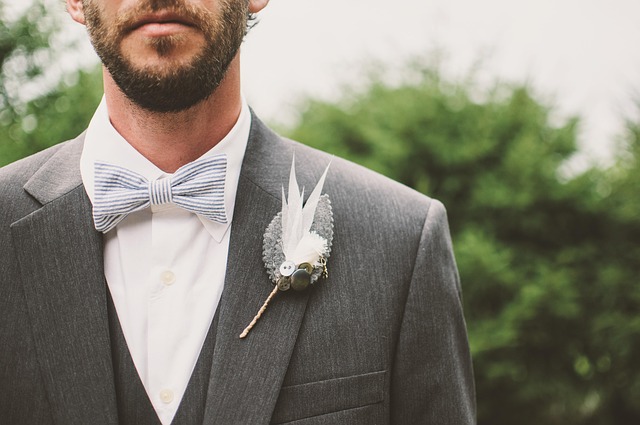
The “Nice Era” in Men’s Fashion
This period marks a cultural shift toward understated refinement. Designers are moving away from maximalist aesthetics and embracing simplicity that feels confident yet approachable. It’s not minimalism for its own sake—it’s a recalibration of what luxury looks like when stripped of noise.
How Minimalism and Subtlety Are Replacing Overt Luxury
The new luxury is quiet. Instead of logo-heavy pieces or exaggerated silhouettes, men now favor clean lines, natural fabrics, and soft color palettes. A perfectly cut jacket in wool-silk blend says more than any monogram could. It’s about feeling good in clothing that doesn’t need to shout.
The Influence of Social Media and Digital Aesthetics on Modern Style Codes
Digital culture has accelerated this transformation. Platforms that once celebrated hype-driven streetwear now highlight tonal dressing and craftsmanship details. Visual minimalism reads better on screens—neutral tones photograph well, textures stand out subtly, and personal style feels more authentic when it’s not performative.
The Evolution of Elegance: From Formality to Fluidity
Modern elegance thrives on adaptability. The days of strict formality are over; today’s man moves between professional, social, and digital worlds seamlessly, demanding clothes that can do the same.
Transition from Rigid Dress Codes to Versatile Sophistication
Dress codes have softened without losing structure. Suits are worn with sneakers; shirts come untucked under unstructured blazers. What matters is the ease with which garments move from meeting rooms to evening gatherings—a reflection of how modern work-life boundaries blur.
The Merging of Tailoring with Casualwear as a New Standard of Polish
Tailoring hasn’t disappeared—it has evolved. Brands reinterpret suits with elastic waistbands or jersey fabrics while maintaining sharp shoulders or precise lapels. This hybrid approach creates an effortless polish that feels relevant across occasions.
How Craftsmanship Continues to Anchor Contemporary Elegance
Even as styles relax, craftsmanship remains non-negotiable. Hand-finished seams, quality linings, and durable stitching define true sophistication. Technology may streamline production, but the human touch still distinguishes great garments from good ones.
The Core Principles of a Modern Men’s Fashion Guide
A mens fashion guide today must reconcile heritage with innovation. It should teach how to wear classics differently without losing their essence.
Balancing Classic Foundations with Modern Sensibilities
Iconic garments—like navy blazers or crisp white shirts—retain relevance because they adapt well to new interpretations. Designers tweak proportions or fabric weights while keeping familiar silhouettes intact. A cropped trouser or oversized blazer updates tradition without erasing it.
Integrating Contemporary Cuts and Materials Without Losing Tradition
Performance fabrics such as technical wool blends or recycled cottons allow comfort without compromising formality. These materials breathe better and travel well—ideal for men who value both function and form.
The Importance of Proportion, Texture, and Structure in Modern Styling
Proportion defines modern taste: slightly roomier fits signal confidence rather than sloppiness. Texture—tweed against silk or suede next to linen—adds depth where pattern once dominated. Structure is softer but still intentional; even relaxed tailoring requires architectural thought.
Embracing Subtle Statements Over Flashy Displays
Elegance today communicates through restraint rather than spectacle. Small decisions—a tone-on-tone pairing or a handmade belt—carry weight because they show discernment.
How Tonal Dressing Communicates Quiet Confidence
Wearing similar hues from head to toe creates harmony that feels calm yet authoritative. Shades of beige layered together can look more refined than any bold print because they rely on precision rather than attention-grabbing color.
The Power of Refined Accessories to Elevate an Ensemble
Accessories now serve as punctuation marks: a slim leather bracelet, a vintage watch strap, an artisanal loafer edge an outfit forward subtly. Each piece tells part of the story without dominating it.
Why Restraint Can Be a Stronger Marker of Taste Than Excess
True taste lies in knowing what not to wear. Over-accessorizing dilutes impact; simplicity invites focus on fit and quality instead of distraction by quantity.
Key Elements That Define the “Nice Era” Aesthetic
The aesthetic foundation of this era rests on balance—neutral colors paired with tactile fabrics and tailoring adapted for daily life.
Neutral Palettes and Textural Complexity
Earth tones dominate: sand beige, slate gray, olive green form the base for layering experiments. Texture replaces print as expression—think brushed cotton against smooth silk or matte wool beside polished leather—to achieve visual interest without chaos.
The Interplay Between Matte and Sheen Fabrics for Depth and Interest
Combining matte knits with glossy accents introduces subtle contrast that catches light naturally rather than artificially drawing attention. It’s detail meant for those who notice quietly rather than those who seek approval loudly.
Using Texture to Replace Pattern as a Form of Expression
Men experiment more with fabric finishes than prints today: ribbed cashmere sweaters instead of graphic tees; corduroy trousers replacing plaid patterns—a tactile evolution toward maturity in styling language.
Tailoring Reimagined for Everyday Wear
Tailoring is no longer confined to boardrooms; it’s reengineered for movement and comfort while preserving elegance at its core.
Deconstructed Jackets and Relaxed Silhouettes Redefining Fit Standards
Unlined blazers drape naturally over shoulders; trousers taper gently without stiffness. This shift allows freedom while maintaining poise—a necessary evolution for contemporary lifestyles centered around flexibility.
Blending Comfort-Driven Design with Sartorial Precision
Stretch-infused textiles make structured garments wearable all day long without fatigue or creases ruining their shape—a quiet triumph of design meeting practicality head-on.
How Soft Tailoring Underscores the Shift Toward Approachable Elegance
Soft tailoring signals confidence through understatement: no padding required because personality fills the space once occupied by rigidity.
Style Identity Through Personalization and Context
Personal style thrives when choices reflect lived experience rather than trend cycles alone; context shapes perception just as much as clothing itself does.
Building a Wardrobe Around Intentional Choices
Fewer but better pieces define modern wardrobes: high-quality staples worn repeatedly across seasons build identity sustainably while reducing clutter both physical and mental.
Prioritizing Versatility—Garments That Transition Across Settings Seamlessly
A linen overshirt doubling as outerwear or tailored trousers suited for both sneakers and loafers demonstrates thoughtful versatility—the hallmark of intelligent dressing today.
The Role of Sustainability in Shaping Contemporary Fashion Decisions
Eco-consciousness influences purchasing behavior profoundly; recycled fibers or transparent supply chains matter because ethics now equal aesthetics in defining modern elegance.
Contextual Dressing as a Form of Modern Etiquette
Style etiquette today values awareness over conformity—it asks men to read rooms intelligently rather than follow outdated codes blindly.
Dressing Appropriately Without Conforming to Outdated Rules
Understanding environment dictates appropriateness: wearing soft tailoring at creative offices feels right where full suits might seem forced; conversely formal events still demand respect through effortful presentation even if less rigidly defined than before.
How Environment Influences Perception of Style
City climates dictate layering logic just as cultural nuances shape acceptable dress norms; elegance adapts accordingly—it listens before speaking visually.
Adapting Global Influences While Maintaining Personal Coherence
Globalization broadens inspiration sources yet risks dilution unless filtered through individual taste—a Tokyo-inspired silhouette might coexist beautifully with Milanese restraint if curated thoughtfully within one wardrobe narrative.
The Future of Elegance in Men’s Fashion Guidance
As technology integrates deeper into design processes and education democratizes expertise online, future elegance will merge data precision with human sensibility seamlessly.
Technology’s Role in Shaping the Next Phase of Style Refinement
AI-based wardrobe tools already analyze body metrics for perfect fits while virtual fittings reduce waste from returns—innovation serving both convenience and sustainability simultaneously.
Virtual Fittings and Digital Tailoring Enhancing Precision and Accessibility
Digital pattern-making platforms allow custom measurements globally accessible at lower costs—a revolution once reserved only for bespoke ateliers.
Data-Informed Design Fostering Inclusivity in Sizing and Aesthetics
Algorithms studying consumer feedback refine fit ranges beyond standard sizes ensuring inclusivity becomes part of beauty itself not separate from it.
Mentorship, Media, and the New Gatekeepers of Taste
Taste leadership has diversified—from magazine editors alone to stylists sharing insight directly via digital channels shaping next-generation sensibilities.
How Stylists, Editors, and Influencers Reinterpret Elegance for New Audiences
They decode traditional rules into relatable language bridging gap between heritage brands’ craftsmanship narratives & younger consumers seeking authenticity.
The Resurgence of Educational Content Guiding Men Toward Intentional Dressing
Podcasts & video series explaining proportion theory or color pairing basics revive foundational knowledge once taught privately by tailors now shared freely online.
Why Expertise Remains Essential Amid Democratized Fashion Culture
Accessibility doesn’t replace authority—it amplifies its relevance when guided responsibly ensuring information shared maintains accuracy craft respect & contextual nuance.
FAQ
Q1: What defines the “Nice Era” in menswear?
A: It emphasizes subtle refinement over flashiness—clean lines neutral colors tactile materials replacing overt branding as expressions of taste.
Q2: How does tailoring fit into casual dressing today?
A: Soft structures deconstructed jackets & stretch fabrics make tailored pieces comfortable enough for everyday wear blending polish with ease seamlessly.
Q3: Why are neutral palettes so dominant now?
A: They offer versatility & sophistication allowing focus on texture proportion & quality rather than distraction by bright tones or patterns alone.
Q4: What role does sustainability play in modern mens fashion guide principles?
A: Sustainability shapes both material choice & consumption habits encouraging fewer higher-quality purchases aligning ethics with aesthetics naturally.
Q5: How is technology changing men’s style refinement?
A: AI personalization virtual fittings & data-driven sizing innovations enhance fit accuracy accessibility & inclusivity redefining future standards elegantly.