
What Does a Mens Style Guide Reveal About the Power of Subtle Accessories
The Best Gifts for Dads Who ‘Don’t Want Anything This Year’
Many fathers claim they “don’t want anything,” yet the statement often hides a deeper emotional layer. These dads usually value presence over presents, preferring simplicity to extravagance. A carefully crafted gift guide for him can decode these unspoken preferences by balancing practicality with sentiment. The best gifts are those that quietly affirm appreciation without creating discomfort or excess. This article explores the psychology, strategy, and design behind choosing meaningful gifts for fathers who resist traditional gifting.
Understanding the Psychology Behind “Dads Who Want Nothing”
For many families, this phrase surfaces each holiday season or birthday, leaving loved ones puzzled. Yet beneath it lies a pattern of restraint, shaped by personal values and generational norms.
The Meaning Behind the Phrase “I Don’t Want Anything”
When fathers say they don’t want anything, they often mean they already feel fulfilled. Many express contentment not as indifference but as a desire to avoid burdening others with the pressure of finding a perfect gift. This sentiment reflects emotional satisfaction more than material disinterest. Recognizing this nuance helps families choose gifts that align with gratitude rather than obligation—something small but thoughtful often carries more weight than expensive surprises.
Emotional and Cultural Factors Influencing Gift Resistance
Gift resistance among men frequently stems from upbringing and cultural conditioning. Older generations were taught to equate self-sufficiency with strength, making acceptance of gifts feel unnecessary or indulgent. Societal expectations around masculinity also play a role; men may downplay their wants to appear modest or practical. Understanding these influences allows gift-givers to approach gifting not as persuasion but as empathy—acknowledging both pride and affection in equal measure.
Why a Gift Guide for Him Matters in This Context
Creating a gift guide for him isn’t just about convenience—it’s about clarity. When dealing with complex personalities like fathers who claim contentment, curated guidance becomes essential.
The Role of a Gift Guide in Simplifying Decision-Making
A structured guide narrows options and relieves decision fatigue for those buying gifts. It blends sentimentality with practicality, offering ideas that resonate across different ages and lifestyles. Expertly curated lists save time while ensuring relevance, especially when buyers struggle to interpret vague preferences like “nothing special.” They translate subtle emotional cues into tangible choices.
How Gift Guides Bridge Emotional and Practical Needs
An effective gift guide connects emotion with function. It transforms appreciation into action by suggesting items that serve daily needs while carrying symbolic meaning—a personalized mug used every morning or a toolset tied to shared projects. Such guides inspire creativity without overwhelming the giver, maintaining authenticity in both gesture and selection.
Key Elements of an Effective Gift Guide for Him
Developing an impactful gift guide for him requires structure grounded in lifestyle segmentation and balance between luxury and utility.
Categorization Based on Interests and Lifestyles
Tailoring recommendations by personality ensures relevance and resonance.
Tech Enthusiasts
Tech-minded dads appreciate gadgets that improve convenience—smart home devices, wireless chargers, or noise-canceling headphones. These combine innovation with everyday functionality.
Outdoor Adventurers
For those who find peace outdoors, durable gear such as weatherproof jackets or multitools supports hobbies like hiking or fishing while symbolizing encouragement for their passions.
Homebodies and Relaxation Seekers
Comfort-oriented gifts—premium slippers, ergonomic chairs, or aromatherapy sets—promote rest after long days. These items show care without extravagance.
Balancing Luxury and Utility in Gift Selection
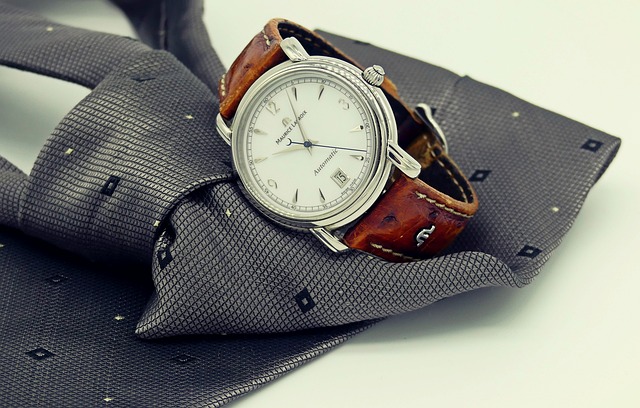
The best gifts merge refinement with purpose. A high-quality leather wallet or minimalist watch speaks sophistication yet remains useful daily. Avoiding overindulgence aligns with understated preferences common among pragmatic dads who value durability over display.
Strategic Approaches to Personalization in Gifting for Dads
Personalization transforms ordinary objects into emotional keepsakes by embedding memory within material form.
Leveraging Personal Narratives for Gift Inspiration
Customized items reflecting shared experiences—like engraved keychains marking family milestones—carry emotional depth beyond price tags. Symbolic gifts rooted in family history or achievements reinforce connection more effectively than generic purchases.
Incorporating Data and Trends into Personalized Recommendations
Modern personalization also draws from behavioral insights. Analyzing consumer trends reveals patterns: men increasingly favor sustainable materials and multifunctional designs over novelty items. Using such data refines category selection within any gift guide for him, aligning recommendations with genuine lifestyle shifts rather than seasonal fads.
The Broader Impact of Thoughtful Gifting on Family Dynamics
Gift-giving is rarely transactional; it’s relational communication expressed through objects.
Strengthening Emotional Bonds Through Intentional Gifting
Personalized gestures validate recognition within families. A well-chosen gift signals attentiveness—a father realizing his child noticed his morning coffee ritual feels genuinely seen. These exchanges nurture intergenerational dialogue where words might fall short.
Encouraging Mindful Consumption Through Curated Choices
Curated gifting promotes sustainability by prioritizing meaning over quantity. Instead of multiple disposable presents, one enduring item fosters long-term satisfaction while reducing wasteful consumption—a principle increasingly valued across modern households conscious of environmental impact.
Integrating Professional Insights into Future Gift Guide Development
As digital tools advance, crafting effective guides now involves behavioral science and user-centered design principles drawn from professional marketing research.
Utilizing Behavioral Research in Gift Curation Strategies
Behavioral studies help predict satisfaction levels based on motivation types—self-expression versus utility-driven choices—and segment recipients accordingly. Applying these insights enables curators to craft guides that anticipate emotional responses rather than merely listing products.
Enhancing User Experience Through Digital Optimization of Gift Guides
Digitally optimized guides use AI-driven suggestion engines that analyze browsing patterns to match preferences precisely. Visual hierarchy matters too: clear navigation layouts increase engagement time and conversion rates by guiding readers intuitively through sections like “Tech” or “Outdoors.” A seamless interface transforms browsing into discovery rather than obligation.
FAQ
Q1: Why do some dads say they don’t want anything?
A: Many fathers express contentment as a way of showing gratitude while avoiding family pressure to spend unnecessarily; it often reflects emotional fulfillment rather than lack of desire.
Q2: What type of gifts appeal most to practical dads?
A: Useful items such as high-quality tools, smart gadgets, or comfortable apparel typically resonate because they blend necessity with subtle indulgence.
Q3: How can personalization make simple gifts more meaningful?
A: Adding elements tied to shared memories—like engraving dates or initials—turns ordinary objects into sentimental tokens representing family connection.
Q4: Are digital gift guides really effective?
A: Yes, curated online guides simplify decision-making by filtering cluttered markets into focused categories aligned with recipient interests and emerging trends.
Q5: What’s the biggest mistake people make when buying for dads who want nothing?
A: Overcomplicating the process; instead of grand gestures, thoughtful yet modest gifts acknowledging personal habits often hold greater emotional value.